
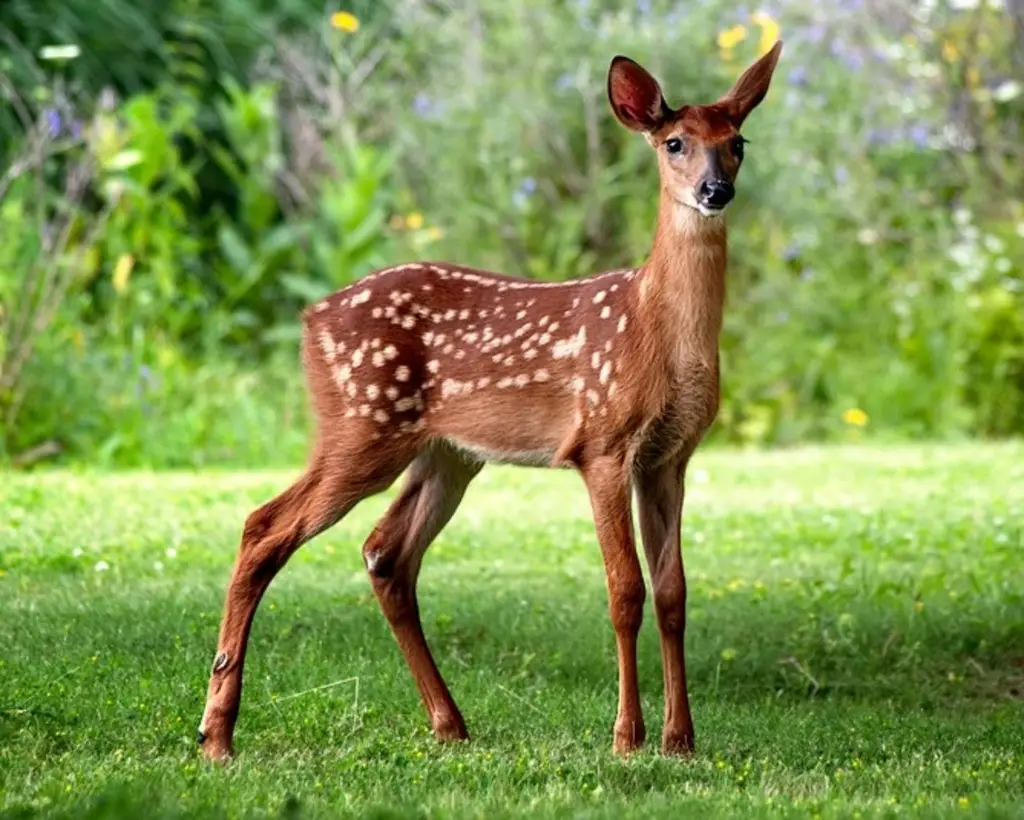
Across Montana’s open plains, foothill forests, river valleys, and agricultural edges, two familiar deer species often share the same landscape. White-tailed deer and mule deer both thrive in the state’s diverse habitats, sometimes even feeding within sight of each other. Their overlapping ranges naturally spark a question many wildlife observers ask: can these two deer actually interbreed?
The short answer is yes, but it is uncommon. Hybridization between white-tailed deer and mule deer has been documented scientifically, particularly in regions where their habitats overlap. However, it happens far less frequently than casual observation might suggest. Behavioral differences, habitat preferences, and biological factors usually keep the species distinct.
Understanding how and why hybridization occurs helps clarify Montana’s wildlife dynamics. It also reveals fascinating insights into adaptation, evolution, and how human landscape changes influence animal behavior.
Table of Contents
- 1 Understanding Montana’s Two Major Deer Species
- 2 Where Their Ranges Overlap in Montana
- 3 Can They Actually Interbreed?
- 4 Why Hybridization Is Relatively Rare
- 5 What Hybrid Deer Look Like
- 6 Ecological Implications of Hybridization
- 7 Human Influence on Hybridization Rates
- 8 Misconceptions About Hybrid Deer
- 9 Identifying White-Tailed vs Mule Deer
- 10 Conservation and Wildlife Management Perspective
- 11 Cultural and Economic Importance
- 12 Long-Term Outlook for Montana Deer
- 13 Living Responsibly Around Deer Habitat
- 14 FAQs About Deer Hybridization in Montana
- 14.1 Can white-tailed deer and mule deer really produce offspring?
- 14.2 Are hybrid deer fertile?
- 14.3 How common are hybrids in Montana?
- 14.4 Can you identify a hybrid by appearance alone?
- 14.5 Do hybrids behave differently?
- 14.6 Does hybridization harm deer populations?
- 14.7 Why do people report hybrids more often now?
- 14.8 Should wildlife managers control hybrids?
- 15 Final Thoughts
Understanding Montana’s Two Major Deer Species
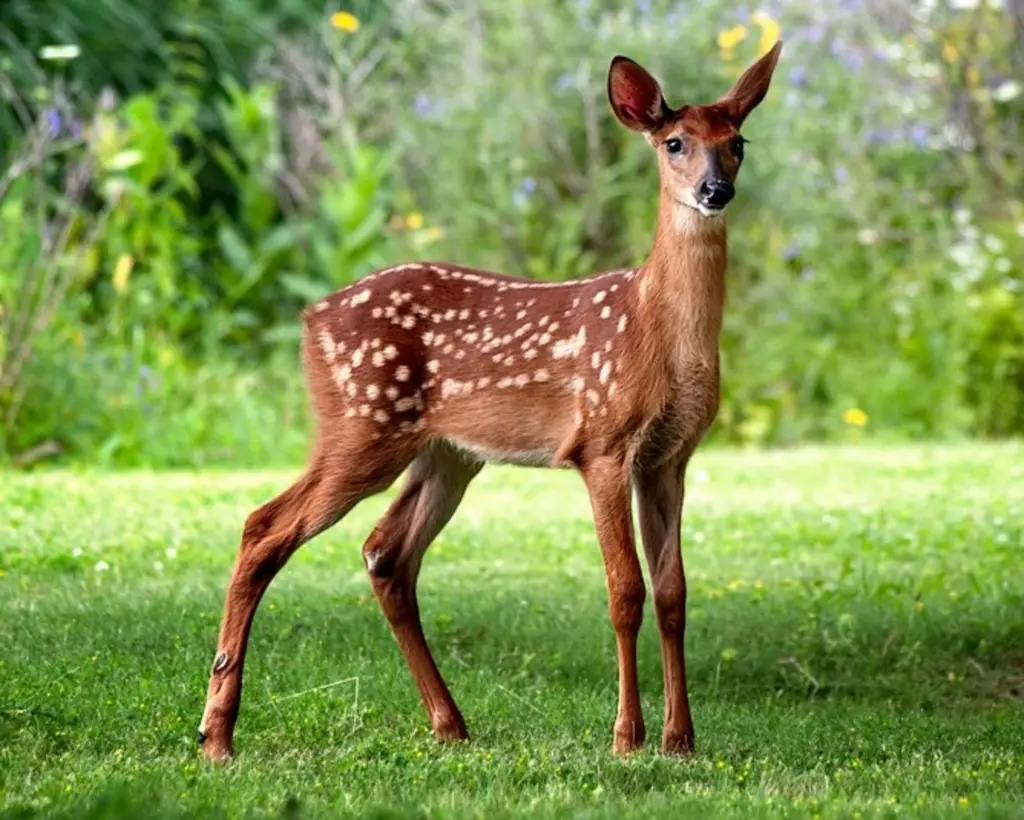
White-Tailed Deer Overview
White-tailed deer are among the most adaptable large mammals in North America, and Montana provides ideal conditions for them. They commonly inhabit riparian corridors, farmland edges, mixed woodlands, wetlands, and suburban greenbelts where food and cover remain dependable. Their flexibility allows them to thrive even in landscapes heavily influenced by agriculture or residential development.
Their defining feature is the bright white underside of the tail. When alarmed, they raise it like a flag, signaling danger to other deer while distracting predators. White-tails typically favor dense vegetation, wooded river bottoms, and areas with reliable water sources where concealment is readily available.
They generally tolerate human activity better than mule deer. As housing developments expand into rural Montana, white-tailed deer frequently adapt by using farmland, neighborhoods, and parklands as part of their daily range.
Mule Deer Characteristics
Mule deer are slightly larger on average and easily recognized by their oversized ears, which resemble those of a mule. Their tail differs clearly from that of white-tailed deer, appearing narrow with a black tip rather than bright white underneath.
In Montana, mule deer typically favor open landscapes such as sagebrush plains, foothill slopes, semi-arid grasslands, and mountainous terrain. They are highly adapted to seasonal migrations, sometimes traveling significant distances between summer highlands and winter lowlands.
Their distinctive gait, known as “stotting,” involves springing with all four feet striking the ground together. This motion helps them navigate rocky terrain efficiently and can confuse predators during escape.
Where Their Ranges Overlap in Montana
Montana’s varied geography creates multiple transition zones where both species may coexist. River valleys bordering open plains, agricultural edges near shrublands, foothill ecosystems, and expanding suburban fringes often host both deer types.
These overlap areas do not necessarily mean equal population density. One species usually dominates locally depending on vegetation, elevation, and water availability. Still, sightings of both species feeding in the same general area are not uncommon.
Such proximity creates the possibility of hybridization, although it remains relatively infrequent due to behavioral and ecological separation.
Can They Actually Interbreed?
Scientific Evidence of Hybrid Deer
Yes, white-tailed deer and mule deer can interbreed. Genetic studies across western North America confirm hybrid individuals, including occasional cases in Montana and surrounding states. Researchers typically identify hybrids through DNA analysis rather than appearance alone.
Hybrids may display intermediate characteristics such as mixed tail coloration, ear size between species, blended coat patterns, or subtle behavioral traits reflecting both parents. Even so, hybrid individuals represent a small percentage of total deer populations.
Hybridization tends to occur mainly in ecological transition zones where both species encounter each other regularly.
Fertility of Hybrid Offspring
Many hybrid deer are fertile, meaning they can breed with either parent species. This biological capability allows mixed genetics to persist in localized populations.
However, stable hybrid populations rarely dominate. Natural behavioral preferences, habitat differences, and breeding patterns generally maintain separation between the species over time.
Wildlife research suggests hybridization is more of a sporadic event than a widespread trend.
Why Hybridization Is Relatively Rare
Habitat Preferences Still Differ
Even within overlapping regions, each species often selects different microhabitats. White-tailed deer gravitate toward dense cover, river bottoms, farmland edges, and woodland transition zones. Mule deer favor open shrublands, higher elevations, and more arid foothill environments.
These preferences reduce direct contact during critical breeding periods. Habitat selection alone can significantly limit cross-species interaction.
Behavioral Differences Matter
Courtship behavior in deer relies heavily on scent marking, vocalizations, body posture, and social hierarchy. Each species communicates slightly differently, which can hinder successful cross-species mating attempts.
Territorial behavior also varies. Mule deer bucks may use broader roaming strategies, while white-tailed bucks often defend smaller breeding territories. These differences further reduce interaction frequency.
Seasonal Timing Variations
Breeding seasons overlap but rarely align perfectly. Even small differences in peak breeding timing can limit opportunities for hybridization.
Weather patterns, food availability, migration timing, and local environmental conditions all influence reproductive cycles. These factors reinforce natural species separation.
What Hybrid Deer Look Like
Hybrid deer identification can be difficult because both species naturally show variation in size, color, and body shape.
Typical hybrid indicators may include moderately sized ears, tail coloration that does not clearly match either species, mixed body proportions, or unusual gait patterns. Some hybrids resemble one parent more strongly than the other.
Visual assessment alone is unreliable. Genetic testing remains the only definitive identification method.
Ecological Implications of Hybridization
Genetic Diversity Considerations
Occasional hybridization may introduce new genetic combinations into local populations. This can sometimes improve adaptability to environmental changes such as climate shifts or habitat modification.
At present, research suggests hybridization levels remain too low to threaten the identity of either species in Montana.
Predator-Prey Dynamics
Both white-tailed and mule deer serve similar ecological roles. They influence vegetation through browsing, provide prey for predators like mountain lions, wolves, and coyotes, and shape ecosystem balance.
Hybrid deer generally occupy comparable ecological niches, so their presence rarely alters ecosystem function significantly.
Human Influence on Hybridization Rates
Habitat Fragmentation
Human development often creates mixed habitat edges where both species encounter each other more frequently. Agriculture, road networks, suburban expansion, and landscape modification can increase contact opportunities.
These changes may slightly elevate hybridization chances without dramatically altering overall populations.
Supplemental Feeding Practices
Intentional or accidental feeding concentrates deer populations, especially in winter. This increased density can raise interaction frequency between species.
Wildlife agencies typically discourage feeding because it disrupts natural movement patterns and may increase disease transmission risk.
Climate Change Effects
Shifting climate patterns affect vegetation, migration routes, and habitat suitability. Over time, these factors may influence where each species occurs and how often they overlap.
Long-term impacts remain under study.
Misconceptions About Hybrid Deer
Hybrid deer are often perceived as common, but confirmed cases remain relatively rare. Seeing both species together does not necessarily mean crossbreeding has occurred.
Hybrid animals are not inherently more aggressive or ecologically disruptive. Behavior depends primarily on environment, experience, and individual traits rather than hybrid status.
Clear understanding helps prevent unnecessary concern.
Identifying White-Tailed vs Mule Deer
Tail appearance provides one of the easiest distinctions. White-tails show a bright white underside raised when alarmed, while mule deer have a narrow black-tipped tail usually held downward.
Ear size also differs. Mule deer have noticeably larger ears compared with the more proportionate ears of white-tailed deer.
Movement patterns help as well. White-tails typically run smoothly, whereas mule deer often use their characteristic bounding gait.
Conservation and Wildlife Management Perspective
Montana wildlife agencies monitor deer populations using aerial surveys, trail cameras, harvest statistics, and genetic sampling. Hybridization data helps inform management decisions without overstating risks.
Both deer species remain abundant and ecologically valuable throughout the state.
Conservation strategies generally focus on habitat health rather than hybrid control.
Cultural and Economic Importance
Deer hunting is deeply embedded in Montana’s outdoor culture and contributes significantly to the state economy. Occasional reports of hybrid deer add curiosity but rarely influence management policies.
Wildlife photography, tourism, and outdoor recreation also benefit from healthy deer populations.
Public appreciation supports conservation awareness.
Long-Term Outlook for Montana Deer
Hybridization will likely continue at low levels where habitats overlap. Future trends will depend on land use changes, climate patterns, predator dynamics, and human-wildlife interactions.
Maintaining diverse, connected habitats supports both species effectively.
Balanced ecosystems help preserve Montana’s wildlife heritage.
Living Responsibly Around Deer Habitat
Residents can reduce conflicts by securing attractants such as garden crops, avoiding intentional feeding, using wildlife-friendly fencing, and driving cautiously during migration seasons.
Responsible coexistence benefits both humans and wildlife. Awareness, rather than alarm, remains the most effective approach to living alongside Montana’s deer populations.
FAQs About Deer Hybridization in Montana
Can white-tailed deer and mule deer really produce offspring?
Yes. Hybridization is biologically possible and scientifically documented, though it remains relatively uncommon.
Are hybrid deer fertile?
Many are fertile and capable of breeding with either parent species.
How common are hybrids in Montana?
They occur occasionally but represent a small portion of the overall deer population.
Can you identify a hybrid by appearance alone?
Not reliably. Genetic testing provides the most accurate identification.
Do hybrids behave differently?
Behavior varies widely. Most hybrids function ecologically similar to either parent species.
Does hybridization harm deer populations?
Current evidence suggests minimal impact at present levels.
Why do people report hybrids more often now?
Increased observation, photography, and social media amplify awareness.
Should wildlife managers control hybrids?
Management typically focuses on overall population health rather than individual hybrid cases.
Final Thoughts
White-tailed deer and mule deer sharing Montana landscapes naturally raise questions about hybridization. Scientific evidence confirms that crossbreeding can occur, especially where habitats overlap, yet it remains relatively rare due to behavioral, ecological, and biological barriers.
Rather than signaling ecological disruption, occasional hybrids reflect the adaptability of wildlife in changing environments. Both deer species continue to thrive across Montana, playing vital roles in ecosystems, outdoor culture, and regional biodiversity.
Understanding the reality behind hybridization helps replace speculation with science. With informed awareness, coexistence becomes easier, appreciation grows deeper, and Montana’s remarkable wildlife heritage remains strong for generations to come.