
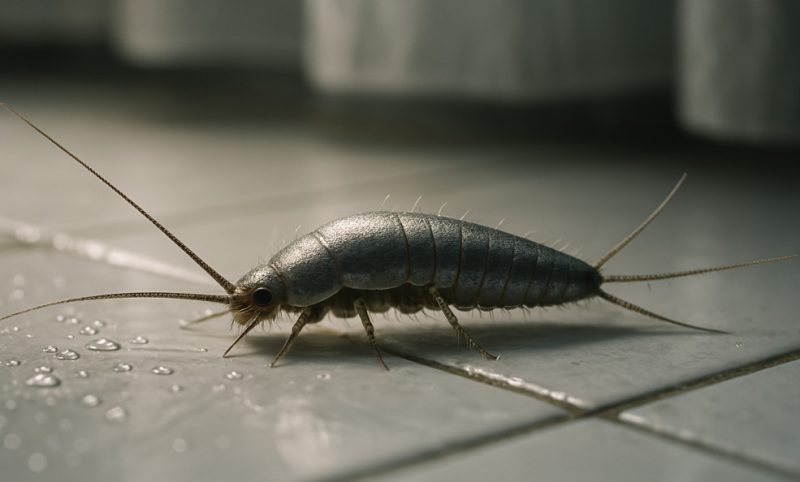
Silverfish are among the most puzzling household insects for Louisiana homeowners. One day the bathroom looks completely normal. The next, a quick silvery movement darts across the floor, disappears behind a baseboard, or slips under a cabinet. Because these insects appear without warning, many people assume an infestation developed overnight. In reality, silverfish usually settle quietly long before they are noticed.
Bathrooms provide many of the environmental conditions silverfish prefer. Darkness, humidity, warmth, and access to organic materials all combine in ways that make these spaces attractive. Louisiana’s humid subtropical climate further amplifies those indoor conditions, allowing silverfish populations to persist year round. Understanding why bathrooms attract them removes much of the mystery and helps homeowners respond calmly and effectively.
This guide explores the biological reasons behind silverfish appearances, how Louisiana climate influences indoor pest patterns, and what their presence usually indicates about moisture and storage conditions.
Table of Contents
- 1 What Silverfish Actually Are
- 2 Why Louisiana Bathrooms Are Especially Attractive
- 3 Why They Seem to Appear Suddenly
- 4 Moisture Sources Inside Bathrooms
- 5 Structural Factors That Encourage Silverfish
- 6 Seasonal Patterns in Louisiana
- 7 Are Silverfish Dangerous?
- 8 Why Chemical Sprays Often Fail
- 9 Effective Ways to Reduce Silverfish Activity
- 10 When Silverfish Indicate Larger Issues
- 11 Psychological Impact of Unexpected Insects
- 12 Louisiana Lifestyle Factors That Influence Silverfish
- 13 Coexisting With Indoor Wildlife Realistically
- 14 Long-Term Outlook for Louisiana Homes
- 15 FAQs About Silverfish in Louisiana Bathrooms
- 16 Conclusion
What Silverfish Actually Are
Ancient Moisture-Loving Insects
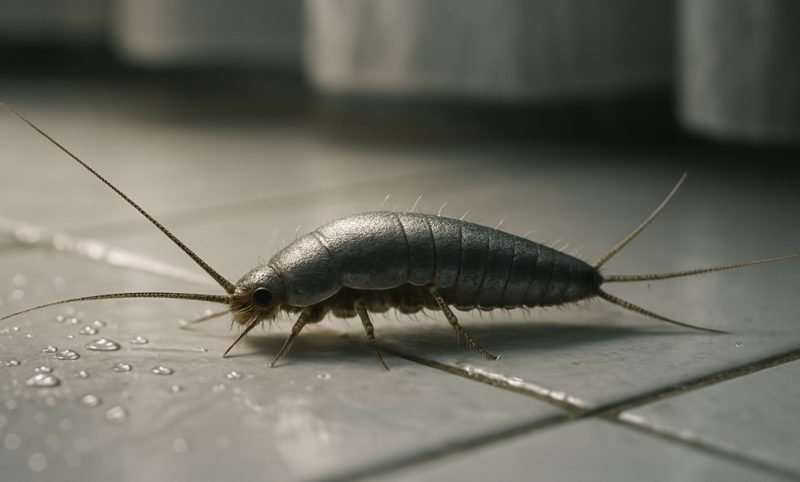
Silverfish are primitive wingless insects belonging to the order Zygentoma, a group that has existed for hundreds of millions of years with remarkably little evolutionary change. Their flattened bodies, metallic silver scales, and rapid darting movement help them slip into tight crevices where predators and environmental extremes cannot easily reach them. These traits make them especially well suited to indoor environments where hidden moisture exists.
Unlike ants, termites, or bees, silverfish do not form colonies or structured nests. They live independently in cracks, wall voids, baseboard gaps, or hidden storage areas where humidity remains stable. Bathrooms, with consistent moisture and minimal disturbance, naturally meet these requirements.
Their behavior emphasizes avoidance rather than confrontation. Silverfish actively avoid light, vibration, and sudden temperature changes. Most movement happens at night when conditions are calm. This secretive lifestyle allows them to remain unnoticed for long periods before homeowners ever see one.
What They Eat
Silverfish primarily consume carbohydrates, especially starches and cellulose. Bathrooms offer surprising amounts of these materials even in homes that appear very clean. Residual soap film, paper tissue fibers, cotton towels, hair, skin flakes, and microscopic dust particles all provide nutrition.
Adhesives also attract them. Wallpaper glue, book bindings stored in bathroom cabinets, cardboard packaging, and certain caulking compounds contain starch-based components that silverfish can digest. Even tiny amounts are sufficient because these insects have relatively low metabolic demands.
Because their food sources are often microscopic or hidden, silverfish presence does not necessarily indicate poor sanitation. A bathroom may look spotless while still providing adequate resources for them to survive quietly.
Why Louisiana Bathrooms Are Especially Attractive
High Regional Humidity
Louisiana’s humid subtropical climate plays a major role in indoor silverfish activity. Warm air retains significant moisture, and that moisture gradually infiltrates homes through ventilation systems, building materials, and routine household activities. Even well-sealed homes cannot completely prevent humidity exchange.
Bathrooms amplify this effect. Daily showers, baths, and sink use produce steam that lingers in enclosed spaces. When outdoor humidity combines with indoor moisture sources, humidity levels often remain consistently elevated. Silverfish thrive under exactly those conditions.
Moisture frequently persists in hidden places long after surfaces appear dry. Wall cavities, cabinet interiors, flooring underlayment, and insulation layers can retain humidity for extended periods. These hidden reservoirs create stable microhabitats silverfish easily detect.
Warm Temperatures Year Round
Silverfish generally prefer temperatures between about 70°F and 85°F. Louisiana’s climate naturally maintains these conditions indoors for most of the year. Even during winter, indoor heating keeps bathrooms warm enough to support ongoing activity.
Because temperature remains relatively stable, silverfish breeding cycles rarely stop completely. This explains why sightings occur year round rather than only during specific seasons. Warmth combined with humidity forms a nearly continuous supportive environment.
Stable temperature also reduces stress on insects, allowing them to focus energy on feeding and reproduction instead of survival adaptation. Bathrooms therefore become predictable refuges.
Why They Seem to Appear Suddenly
Nocturnal Behavior
Silverfish are strongly nocturnal. They prefer darkness and minimal disturbance, so most feeding and movement happen late at night. During daylight hours they remain hidden in cracks, behind fixtures, or inside wall cavities.
When a bathroom light suddenly turns on, their immediate instinct is escape. Quick darting movements across floors or walls create the impression they just arrived. In reality, they may have occupied the space for weeks or months without detection.
This behavior explains why sightings often feel surprising even when populations have been stable for some time.
Gradual Environmental Changes
Environmental conditions that support silverfish rarely change abruptly. Humidity may increase slowly due to seasonal weather, minor plumbing leaks, altered ventilation habits, or increased household water use.
Once moisture reaches a favorable level, silverfish become more active and visible. The change feels sudden to homeowners, but it reflects gradual environmental shifts rather than sudden infestation.
Recognizing this pattern helps focus attention on moisture control rather than short-term insect elimination.
Moisture Sources Inside Bathrooms
Plumbing and Condensation
Hidden moisture often originates from subtle plumbing issues. Slow leaks under sinks, condensation on cold water pipes, poorly sealed shower fixtures, or HVAC duct condensation can maintain elevated humidity without obvious water accumulation.
Inadequate ventilation worsens the problem. Without proper airflow, evaporated moisture remains trapped in the room and surrounding structures. Silverfish detect these stable damp areas more easily than humans because they rely heavily on humidity cues for survival.
Even minor moisture sources can sustain them if conditions remain consistent over time.
Towels, Rugs, and Stored Fabrics
Fabric materials retain moisture longer than tile or metal surfaces. Damp towels, bath mats, stored linens, or clothing in bathroom cabinets can create localized humidity pockets.
Closets or cabinets inside bathrooms amplify this effect. Limited airflow allows moisture to linger, providing both shelter and food sources. Dust accumulation on fabrics further supports their diet.
Regular drying and occasional airing significantly reduce these microhabitats.
Structural Factors That Encourage Silverfish
Limited Airflow
Many bathrooms experience restricted airflow. Exhaust fans may operate only briefly, and closed doors limit natural circulation. Without consistent ventilation, moisture evaporates slowly.
Silverfish benefit from even slight humidity retention. Improved airflow often reduces sightings quickly because it disrupts their preferred environmental stability.
Simple ventilation improvements can have outsized effects on indoor insect populations.
Hidden Entry Points
Silverfish typically enter bathrooms through concealed pathways rather than open doors. Common entry routes include baseboard gaps, pipe penetrations, wall voids, floor cracks, and cabinet seams.
These pathways allow movement between rooms without exposure to light or predators. Once inside, bathrooms offer shelter, moisture, and food sources that encourage them to remain.
Sealing structural gaps can reduce movement significantly over time.
Seasonal Patterns in Louisiana
Summer Visibility
Louisiana summers bring intense humidity and warmth, conditions that accelerate insect reproduction. Increased activity naturally leads to more sightings.
Higher water usage during hot months can also raise indoor humidity, further supporting silverfish populations.
Seasonal awareness helps homeowners anticipate fluctuations rather than interpret them as sudden infestations.
Winter Persistence
Unlike northern climates where cold temperatures reduce indoor insect survival, Louisiana winters remain relatively mild. Heated homes maintain comfortable temperatures for both humans and insects.
Silverfish activity may fluctuate slightly but rarely disappears completely. Continuous indoor warmth supports ongoing life cycles.
This year-round persistence distinguishes southern climates from colder regions.
Are Silverfish Dangerous?
Silverfish do not bite, sting, or transmit disease. Their primary impact involves material damage rather than health risks. Paper goods, natural fabrics, wallpaper adhesives, and stored cardboard may deteriorate slowly if populations persist.
Often, the greater concern involves underlying moisture conditions rather than the insects themselves. Silverfish frequently signal elevated humidity, hidden leaks, or ventilation problems.
Viewed this way, they act more as environmental indicators than harmful pests.
Why Chemical Sprays Often Fail
Chemical sprays typically target visible insects rather than hidden habitats. Most silverfish spend minimal time in open areas. They remain inside wall voids, behind fixtures, or within storage items.
Surface treatments may reduce sightings temporarily but rarely address root causes. If humidity and food sources remain, populations often rebound.
Environmental management consistently produces longer-lasting results than chemical treatment alone.
Effective Ways to Reduce Silverfish Activity
Moisture Control
Humidity reduction remains the most effective strategy. Consistent use of exhaust fans, prompt plumbing repairs, improved ventilation, dehumidifiers where needed, and fully drying fabrics before storage all help limit suitable habitat.
Even modest reductions in humidity can significantly affect survival rates. Bathrooms often respond quickly to these adjustments.
Long-term moisture management provides sustainable results.
Storage Adjustments
Replacing cardboard boxes with sealed plastic containers reduces food and shelter availability. Avoid storing paper products in bathrooms whenever possible.
Keeping towels dry, minimizing clutter, and limiting organic debris accumulation further discourage silverfish presence.
These simple adjustments often produce noticeable improvement over time.
Cleaning Practices
Regular cleaning removes dust, soap residue, hair, lint, and organic debris. While cleaning alone rarely eliminates silverfish, it reduces available food sources and improves overall environmental balance.
Combined with humidity control, routine cleaning supports long-term prevention.
Consistency matters more than intensity.
When Silverfish Indicate Larger Issues
Frequent sightings across multiple bathrooms may signal broader structural concerns. Hidden plumbing leaks, insulation gaps, HVAC condensation, poor ventilation design, or moisture intrusion can create persistent humidity zones.
Professional inspection may be appropriate when infestations persist despite environmental adjustments. Early detection helps prevent larger repairs.
Silverfish rarely cause these problems. They often reveal them.
Psychological Impact of Unexpected Insects
Unexpected insects in bathrooms can cause discomfort or anxiety because these spaces are closely associated with hygiene and privacy. Sudden sightings often feel intrusive even when insects pose no health threat.
Understanding their biological motivations helps reduce stress. Knowledge transforms reaction from alarm to informed management.
Clarity supports calmer responses.
Louisiana Lifestyle Factors That Influence Silverfish
Frequent Water Use
Humid climates encourage frequent bathing, cooling showers, and higher water consumption. Increased moisture generation naturally raises indoor humidity.
Routine awareness of ventilation helps offset this effect.
Air Conditioning Dependence
Air conditioning lowers indoor temperature but can create localized condensation. Closets, cabinets, and wall cavities sometimes trap this moisture.
Regular HVAC maintenance and airflow optimization reduce humidity buildup. Balanced cooling improves both comfort and pest management.
Coexisting With Indoor Wildlife Realistically
Not all indoor insects reflect poor hygiene. Some represent natural adaptation to human environments shaped by climate, architecture, and lifestyle habits. Silverfish illustrate how insects exploit stable indoor ecosystems.
Understanding this perspective reduces unnecessary alarm while encouraging practical environmental adjustments.
Balanced awareness supports coexistence without complacency.
Long-Term Outlook for Louisiana Homes
Because Louisiana’s climate naturally supports humidity and warmth, silverfish will likely remain occasional indoor visitors. Their presence does not require aggressive chemical control in most cases.
Environmental management, improved ventilation, thoughtful storage practices, and humidity awareness usually keep populations minimal.
With consistent attention to indoor conditions, silverfish often fade quietly from view, leaving bathrooms comfortable, clean, and well balanced.
FAQs About Silverfish in Louisiana Bathrooms
Why do silverfish prefer bathrooms?
Bathrooms provide humidity, warmth, darkness, and organic materials that support their survival.
Do silverfish bite people?
No. They do not bite, sting, or transmit disease.
Are they a sign of poor cleaning?
Not necessarily. Hidden moisture often plays a larger role than surface cleanliness.
Can they damage towels or clothing?
They may slowly damage natural fibers, especially when items remain stored long term.
Will dehumidifiers help?
Yes. Reducing humidity significantly decreases suitable habitat.
Do they disappear in winter?
In Louisiana, indoor warmth often allows year-round activity.
Should I use pesticides?
Environmental control usually works better. Pesticides provide temporary relief only.
When should I worry?
Frequent sightings across multiple areas may indicate hidden moisture problems.
Conclusion
Silverfish appearing in Louisiana bathrooms rarely signal sudden infestation. More often, they reflect subtle environmental conditions: humidity, warmth, darkness, and available organic materials. Bathrooms naturally provide these elements, especially in humid climates where moisture persists year round.
Addressing the environment rather than the insects themselves usually produces the best results. Improved ventilation, humidity control, thoughtful storage, and regular maintenance gradually make bathrooms less attractive to silverfish.
Once those conditions change, silverfish often disappear as quietly as they arrived. Understanding their behavior turns an unsettling surprise into a manageable part of home maintenance, allowing Louisiana homeowners to respond with confidence rather than concern.