
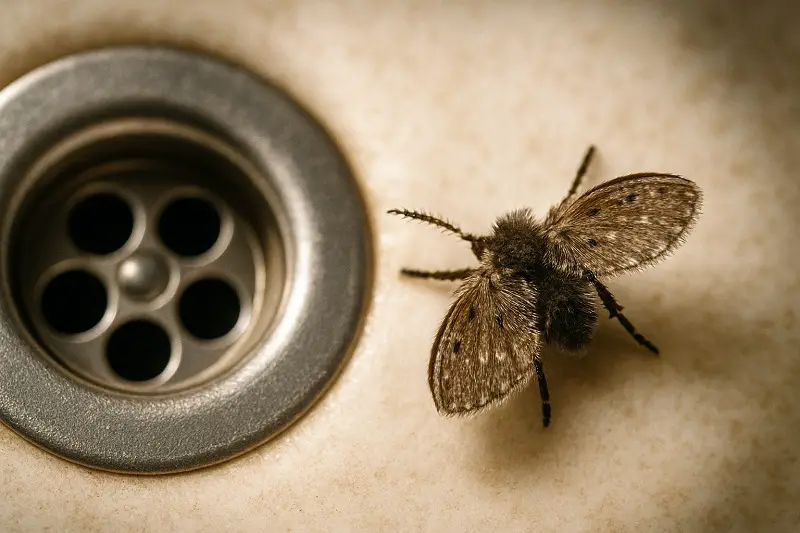
Tiny flies appearing around bathroom sinks, showers, or tubs can catch homeowners off guard. One day everything looks clean. The next, small insects hover near drains or rest quietly on mirrors and tile. Many North Carolina residents assume the flies came from outdoors, yet in most cases they originate inside the plumbing system itself.
The problem often develops gradually. Humidity builds, organic residue accumulates inside pipes, and indoor conditions quietly become ideal for insect breeding. Because the process happens out of sight, the first visible flies feel sudden and unexplained.
Understanding why these insects appear requires looking beyond surface cleanliness. Plumbing design, regional climate, daily water use, and indoor humidity patterns all play a role. Once those factors become clear, the issue becomes far easier to manage.
Table of Contents
- 1 What Those Tiny Bathroom Flies Usually Are
- 2 Why North Carolina Homes Often Experience This Issue
- 3 Organic Buildup Inside Bathroom Drains
- 4 The Life Cycle of Drain-Breeding Flies
- 5 Signs Flies Are Coming From Drains
- 6 Plumbing Factors That Increase Risk
- 7 Are These Flies Dangerous?
- 8 Effective Ways to Eliminate Drain Flies
- 9 Preventing Future Infestations
- 10 Natural Deterrent Methods
- 11 When Professional Help May Be Needed
- 12 Seasonal Patterns in North Carolina
- 13 Common Misconceptions
- 14 Long-Term Solutions for North Carolina Homes
- 15 FAQs About Bathroom Drain Flies in North Carolina
- 16 Conclusion
What Those Tiny Bathroom Flies Usually Are
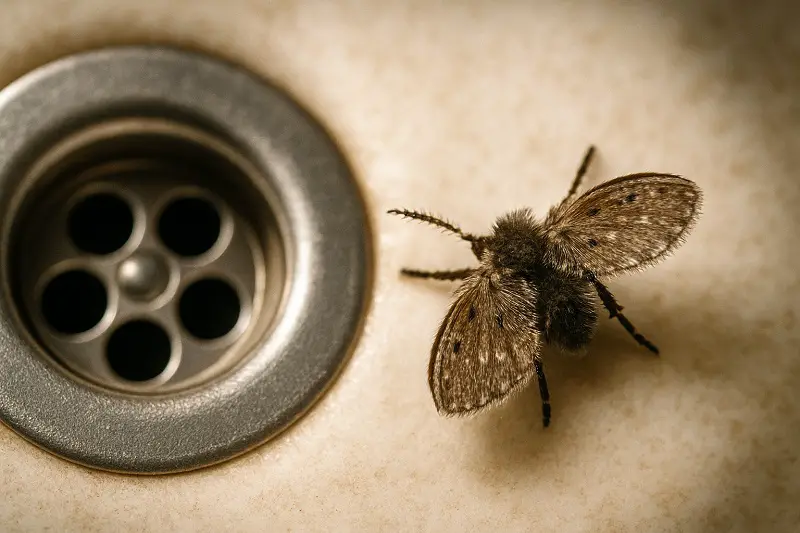
Drain Flies Are the Most Common Cause
In most North Carolina homes, the tiny insects appearing around bathroom drains are drain flies, often referred to as moth flies or sewer flies. These insects are extremely small, typically gray, tan, or light brown, with fuzzy wings that give them a soft mothlike appearance. When resting on walls or mirrors, their wings often form a slightly heart shaped outline, which makes them easier to recognize once you know what to look for.
Their life cycle begins inside plumbing rather than outdoors. Over time, bathroom drains accumulate a thin organic film made from soap residue, toothpaste particles, hair, skin cells, bacteria, and microscopic organic debris. This gelatinous coating becomes an ideal breeding ground. Larvae feed safely within the moist environment of the pipes, protected from temperature fluctuations, cleaning chemicals, and everyday household disturbance.
Although they can be unpleasant to see, drain flies rarely pose health risks. Their presence usually reflects organic buildup rather than unsanitary conditions. Even clean homes can develop drain fly issues because the source is hidden inside plumbing where routine surface cleaning cannot reach.
Other Small Fly Species Sometimes Appear
Not every tiny bathroom fly originates from drains. Occasionally, other small insects contribute to the problem, especially in humid climates like North Carolina.
Fungus gnats sometimes develop in damp soil from bathroom houseplants. Phorid flies may indicate deeper organic buildup inside plumbing or hidden structural moisture issues. Fruit flies occasionally appear when organic residue accumulates nearby, particularly in trash containers or forgotten food sources.
Correct identification is important because treatment approaches vary. What works for drain flies may not fully address other species, and misidentification can delay effective control.
Why North Carolina Homes Often Experience This Issue
Humidity Is a Major Factor
North Carolina’s climate strongly influences indoor insect activity. Summers bring persistent humidity, while even cooler months often maintain moderate indoor moisture levels. Bathrooms naturally generate additional humidity through showers, baths, and daily sink use.
Steam from hot water settles inside pipes, wall cavities, cabinetry, and enclosed spaces where airflow remains limited. That lingering moisture helps organic film inside drains stay soft and biologically active, which supports insect larvae development. Because these environments remain hidden, homeowners often underestimate how much moisture actually exists.
A bathroom can feel dry to the touch while still maintaining enough humidity to support insect life. These micro-conditions make drain flies surprisingly common across the region.
Stable Indoor Temperatures Support Year-Round Breeding
Modern heating and air conditioning systems maintain comfortable indoor temperatures regardless of outdoor weather. While this improves living comfort, it also removes seasonal barriers that would normally limit insect reproduction.
Warm drainpipes combined with consistent humidity allow continuous breeding cycles. That is why North Carolina homeowners sometimes notice flies in winter just as easily as in summer. Indoor climate control quietly extends insect survival, allowing populations to persist longer than expected.
Organic Buildup Inside Bathroom Drains
How Biofilm Forms
Everyday bathroom routines contribute tiny amounts of organic material to plumbing. Soap residue, shampoo oils, toothpaste particles, cosmetics, hair, skin cells, and cleaning product remnants all flow into drains. Over time, bacteria bind these materials together into a slimy biofilm coating pipe interiors.
This film retains moisture and provides both nutrition and protection for developing larvae. Because it forms gradually inside pipes, homeowners rarely notice it until insects appear. Surface cleanliness does not prevent internal buildup, which is why even spotless bathrooms can experience drain fly activity.
Understanding this hidden process helps explain why infestations often seem mysterious at first.
Plumbing Design Encourages Accumulation
Drain systems include bends, traps, and horizontal sections designed to prevent sewer gas entry and facilitate drainage. These structural features also slow water flow slightly, allowing organic material to settle and accumulate.
This accumulation is normal, but excessive buildup creates ideal breeding habitat. Routine maintenance such as periodic cleaning and flushing helps prevent conditions from reaching that threshold. Preventive care is far easier than eliminating established populations later.
The Life Cycle of Drain-Breeding Flies
Egg Stage
Adult drain flies lay microscopic eggs directly on organic biofilm inside drains. Warm, moist conditions accelerate development, allowing eggs to hatch within one or two days. Because the eggs remain hidden, homeowners rarely see this stage.
Larval Stage
Larvae resemble tiny translucent worms feeding on bacteria and organic debris. This stage lasts one to three weeks depending on temperature and humidity levels. Since larvae remain protected inside pipes, surface insect sprays rarely eliminate them.
This explains why infestations often persist despite repeated cleaning of visible areas.
Pupal Stage
After feeding, larvae form pupae embedded in drain slime. During this phase, transformation into adult flies occurs. Hidden pupae frequently cause recurring infestations even after initial treatment.
Adult Stage
Adult flies emerge from drains and instinctively move toward light sources. Bathrooms often serve as the first visible location because of lighting, humidity, and proximity to breeding sites. Adults live roughly two weeks but reproduce quickly, restarting the cycle.
Breaking this cycle requires targeting larvae inside drains rather than focusing solely on visible adults.
Signs Flies Are Coming From Drains
Clustering Near Fixtures
When flies consistently gather near sinks, tubs, or showers, drains are usually the source. They prefer humid zones and tend to remain close to breeding environments.
Observing where they rest provides important diagnostic clues.
Evening Activity Patterns
Drain flies often become more active in the evening when artificial lighting attracts newly emerged adults. This behavior distinguishes them from many outdoor insects that follow different activity cycles.
Persistent Recurrence
If flies return repeatedly after surface cleaning, internal breeding likely continues. Recurring sightings almost always indicate hidden drain activity rather than outside invasion.
Plumbing Factors That Increase Risk
Rarely Used Fixtures
Guest bathrooms or seldom used sinks allow organic residue to accumulate without regular flushing. Standing moisture supports larval survival. Periodically running hot water through these drains helps prevent buildup.
Aging Plumbing Systems
Older pipes may have rough interior surfaces that encourage residue adhesion. Minor leaks can also create hidden moisture pockets behind walls or under fixtures. Regular inspection reduces long-term risk and prevents escalating problems.
Are These Flies Dangerous?
Health Risks Are Minimal
Drain flies generally do not bite humans or pets, and disease transmission in residential settings remains extremely rare. Their primary impact is nuisance rather than medical concern.
Maintaining clean drains reduces sanitation worries effectively.
Psychological Impact Can Be Significant
Despite minimal health risk, persistent insect sightings can cause frustration or embarrassment. Bathrooms are associated with personal hygiene, so insect presence often feels intrusive. Understanding the biological cause helps reduce anxiety and improves response confidence.
Effective Ways to Eliminate Drain Flies
Mechanical Cleaning Works Best
Physical scrubbing remains the most effective solution. Removing drain covers and cleaning pipe openings with flexible brushes disrupts biofilm where larvae develop. Heavy buildup may require repeated cleaning sessions.
Hot Water Flushing Helps
Very hot water loosens grease and organic residue, complementing mechanical cleaning. Always consider pipe materials before using boiling water.
Enzyme Cleaners Target the Source
Enzyme-based cleaners break down organic material naturally. Rather than killing insects directly, they remove the food source that supports larvae. Regular use helps prevent recurrence.
Baking Soda and Vinegar Approach
This combination creates a foaming reaction that loosens debris inside pipes. Following with hot water enhances effectiveness. While not always sufficient alone, it supports deeper cleaning efforts.
Preventing Future Infestations
Routine Drain Maintenance Matters
Monthly cleaning prevents heavy buildup. Preventive maintenance consistently proves more effective than reactive treatment.
Improve Bathroom Ventilation
Running exhaust fans during and after showers reduces humidity. Better airflow discourages insect breeding while protecting structural materials from moisture damage.
Avoid Dumping Organic Waste Down Drains
Hair, thick lotions, and grease-based products contribute to buildup. Drain strainers capture debris before it enters plumbing. Simple habits produce lasting benefits.
Natural Deterrent Methods
Essential Oil Repellents
Peppermint or eucalyptus oils may discourage adult flies near drain openings. These methods supplement cleaning but do not eliminate larvae.
Moisture Reduction Is Key
Lower humidity directly limits insect survival. Clean drains combined with good ventilation provide the most reliable long-term prevention.
When Professional Help May Be Needed
Persistent Infestations
If flies continue despite thorough cleaning, deeper plumbing issues may exist. Cracked pipes, hidden leaks, or sewer problems can create ongoing breeding pockets. Professional inspection ensures accurate diagnosis.
Sewer Line Concerns
Phorid flies occasionally indicate sewer leaks. Early evaluation prevents structural damage and sanitation problems. Prompt action protects both the home and indoor air quality.
Seasonal Patterns in North Carolina
Summer Activity Increase
Warm temperatures accelerate insect reproduction, and high humidity supports larval survival. Population spikes commonly occur in late spring and summer.
Winter Indoor Persistence
Indoor warmth allows breeding even when outdoor temperatures drop. Reduced ventilation in winter may increase humidity, supporting continued insect activity.
Common Misconceptions
Clean Bathrooms Cannot Have Drain Flies
Surface cleanliness does not guarantee clean pipes. Hidden buildup develops gradually even in tidy homes.
Chemicals Alone Solve the Problem
Chemical sprays kill adult flies but often fail to reach larvae inside biofilm. Mechanical cleaning remains essential.
Flies Always Come From Outside
Most bathroom infestations originate inside plumbing. Outdoor flies rarely persist indoors without breeding sites.
Long-Term Solutions for North Carolina Homes
Integrated Drain Care
Combining regular cleaning, humidity control, and plumbing maintenance provides lasting prevention. Consistent small habits produce significant results over time.
Education Reduces Frustration
Understanding insect life cycles allows homeowners to respond calmly. Accurate information prevents unnecessary chemical use and supports confident home maintenance.
FAQs About Bathroom Drain Flies in North Carolina
Why do tiny flies keep coming back after cleaning?
Because larvae remain inside drains. Cleaning must target internal buildup, not just visible adults.
Are drain flies harmful to health?
They rarely pose health risks. They are nuisance insects rather than disease carriers.
Do drain flies come from outside?
Usually no. Most originate inside plumbing systems.
How long does it take to eliminate them?
With consistent cleaning, populations often decline within one to three weeks.
Can dry climates inside homes prevent them?
Humidity from showers and plumbing often maintains suitable conditions even indoors.
Should I call pest control immediately?
Not usually. Mechanical cleaning and humidity control solve most cases.
Conclusion
Tiny flies emerging from bathroom drains in North Carolina rarely signal poor hygiene or outdoor invasion. They usually reflect organic buildup, humidity patterns, and indoor environmental conditions that quietly support insect life cycles.
Once those underlying factors are addressed, the problem typically resolves without aggressive chemicals. Regular drain maintenance, improved ventilation, and moisture awareness make a significant difference.
Understanding the cause transforms frustration into manageable prevention. And when drains stay clean and dry, those mysterious bathroom flies often disappear as quietly as they appeared.