
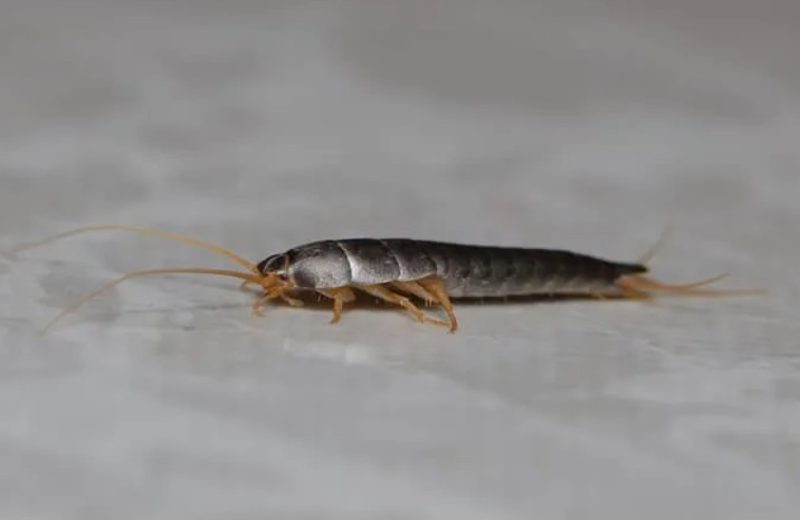
You walk into your bathroom late at night, switch on the light, and something thin and silvery darts across the tile. It moves fast. It disappears under the baseboard or behind the vanity. The next evening, you see another. Then another. Suddenly it feels like silverfish appeared out of nowhere.
For many homeowners and renters in Washington State, this experience is surprisingly common. Silverfish tend to show up in bathrooms because those spaces provide exactly what they need to survive: moisture, darkness, stable temperatures, and microscopic food sources. The “sudden” appearance usually has more to do with environmental changes than an overnight invasion.
Understanding why silverfish emerge, why bathrooms are especially attractive, and how Washington’s climate contributes to the problem can help you respond calmly and effectively.
Table of Contents
- 1 What Silverfish Actually Are
- 2 Why Bathrooms Attract Silverfish in Washington
- 3 Washington Climate Factors That Contribute
- 4 Why Silverfish Seem to Appear Suddenly
- 5 Are Silverfish Dangerous?
- 6 Signs You Have a Silverfish Problem
- 7 How to Prevent Silverfish in Washington Bathrooms
- 8 Cleaning and Maintenance Strategies
- 9 When Professional Help Is Needed
- 10 Long-Term Outlook for Washington Homes
- 11 FAQs About Silverfish in Washington Bathrooms
- 11.1 Are silverfish common in Washington?
- 11.2 Do they indicate a dirty home?
- 11.3 Will they spread to other rooms?
- 11.4 Do they bite?
- 11.5 Can they damage plumbing?
- 11.6 Are they seasonal?
- 11.7 Should I use insecticide?
- 11.8 How long do they live?
- 11.9 Are they dangerous to pets?
- 11.10 Will they disappear on their own?
- 12 Conclusion
What Silverfish Actually Are
Ancient, primitive insects
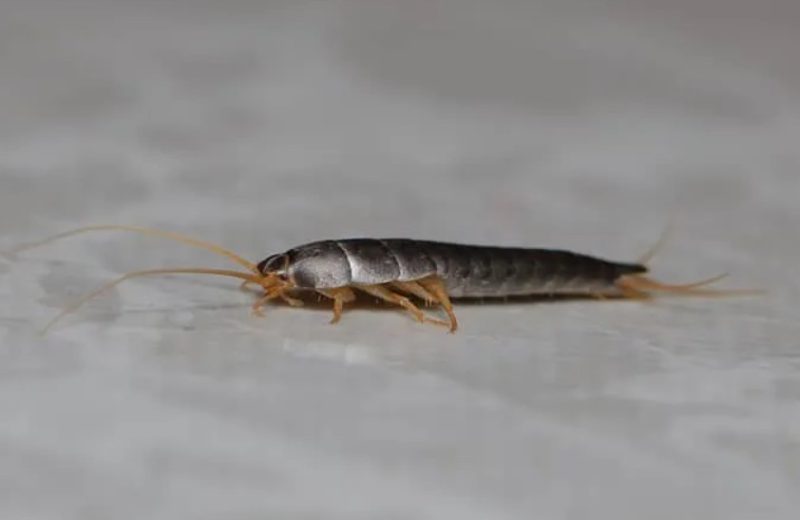
Silverfish are small, wingless insects that belong to a very ancient group of arthropods. Fossil evidence suggests their ancestors existed long before many modern insect species evolved, which explains their somewhat unusual appearance. Their bodies are flat and tapered, covered with tiny silvery scales that reflect light, giving them a metallic sheen. Long antennae extend from the head, while three bristle-like appendages protrude from the tail end.
Their movement is quick and fluid, almost fish-like, which inspired their common name. They prefer darkness and typically avoid human activity, making them mostly nocturnal. When exposed to sudden light, they dart rapidly toward cracks, crevices, or hidden corners. This behavior often surprises homeowners who encounter them late at night in bathrooms or kitchens.
Although they may look unfamiliar or even alarming, silverfish are not new pests. They have coexisted with humans for centuries and are extremely well adapted to indoor environments where temperature and humidity remain relatively stable. Their ability to survive in hidden areas makes them persistent household insects.
What they eat
Silverfish primarily feed on materials containing carbohydrates, particularly starches and sugars. Paper products, book bindings, wallpaper glue, cardboard, natural fibers like cotton, and even microscopic organic debris in household dust can sustain them. Bathrooms may provide unexpected food sources such as soap residue, shampoo splashes, shed skin cells, or mold growth caused by excess moisture.
Because their dietary needs are minimal, even a very clean bathroom can support small populations. Tiny traces of organic material that are invisible to the human eye can provide enough nutrition for survival. This adaptability explains why eliminating all food sources is difficult.
Another reason silverfish persist is their ability to withstand periods with little food. They can survive weeks or even months with minimal nourishment, allowing them to remain hidden until conditions improve. This resilience often makes infestations seem sudden when populations finally become noticeable.
Life cycle and longevity
Silverfish develop slowly compared with many other household insects. Females deposit small clusters of eggs in protected, humid locations such as cracks in tile grout, behind baseboards, or inside wall cavities. After hatching, the young resemble miniature adults rather than distinct larvae.
Unlike insects that undergo dramatic metamorphosis, silverfish simply molt repeatedly as they grow. Even after reaching maturity, they continue shedding their outer layer periodically throughout life. This ongoing molting process produces small translucent skins that may accumulate in hidden areas.
Their lifespan is unusually long for insects. Under favorable indoor conditions, some individuals may live several years. This extended lifespan allows populations to build gradually without immediate detection, contributing to the perception that they appear suddenly when numbers reach noticeable levels.
Why Bathrooms Attract Silverfish in Washington
Persistent humidity
Bathrooms are naturally humid environments due to regular water use. Showers, baths, sinks, and even toilet flushing release moisture into the air. Steam condenses on walls, mirrors, and pipes, often leaving damp surfaces long after the room appears dry.
Silverfish are highly sensitive to humidity because they lose moisture easily through their bodies. They thrive in environments where humidity remains elevated, typically above what is comfortable for humans. Bathrooms frequently provide these conditions, especially when ventilation is limited.
Washington State’s climate intensifies this effect. Outdoor humidity, particularly in western regions, often remains high year-round. When this ambient moisture combines with indoor bathroom humidity, it creates an ideal microenvironment for silverfish survival and reproduction.
Poor ventilation
Many homes, especially older ones, may not have adequate bathroom ventilation systems. Exhaust fans may be outdated, underpowered, or used inconsistently. Without sufficient airflow, moisture accumulates behind walls, inside cabinets, and beneath flooring.
Even in newer homes, residents sometimes turn off exhaust fans too quickly after showering. Lingering humidity remains trapped in enclosed spaces where silverfish can thrive unnoticed. Continuous low-level dampness is often more attractive to these insects than occasional high humidity.
Improving ventilation is one of the most effective ways to discourage silverfish, yet it is frequently overlooked. Proper airflow reduces moisture buildup and eliminates one of their primary survival requirements.
Dark hiding spaces
Silverfish strongly prefer dark, undisturbed areas. Bathrooms contain numerous hiding spots that meet these conditions: behind baseboards, inside vanity cabinets, under sinks, around plumbing penetrations, behind loose tiles, and within wall voids.
Because these spaces are rarely inspected closely, silverfish populations can grow without detection. Stored items such as extra toilet paper, cardboard boxes, or cluttered cabinets create additional shelter and food sources.
Reducing clutter and sealing cracks can significantly limit available hiding areas, making bathrooms less attractive to these insects.
Washington Climate Factors That Contribute
Western Washington humidity
Cities west of the Cascade Mountains experience frequent rainfall, overcast skies, and relatively mild temperatures. These conditions maintain consistently high humidity levels both outdoors and indoors. Basements, crawl spaces, and bathrooms in these regions often remain slightly damp year-round.
Such persistent moisture provides ideal conditions for silverfish survival. Even homes with modern insulation may retain humidity if ventilation is insufficient.
As a result, homeowners in coastal or western Washington areas often report more frequent silverfish sightings than those in drier eastern regions.
Seasonal moisture shifts
Autumn and winter bring extended rainy periods to much of Washington. Soil saturation, reduced sunlight, and cooler temperatures increase indoor humidity levels. Moisture may seep into foundations or condense inside walls, especially in poorly ventilated homes.
Silverfish respond quickly to these environmental changes. Increased humidity often stimulates activity, leading to more frequent sightings. What seems like a sudden infestation may actually reflect seasonal moisture shifts rather than a new population.
Spring thaw and transitional weather can also trigger movement as indoor conditions fluctuate.
Temperature stability
Silverfish prefer moderate, stable temperatures rather than extreme heat or cold. Bathrooms typically maintain consistent warmth due to plumbing systems, insulation, and regular hot water use.
Washington’s relatively mild winters allow indoor environments to remain comfortable for silverfish year-round. Unlike outdoor insects that must adapt to seasonal extremes, indoor silverfish benefit from steady conditions that support continuous reproduction.
This stability contributes to their persistence in homes across the region.
Why Silverfish Seem to Appear Suddenly
Hidden populations reaching visible levels
Silverfish rarely appear overnight. Instead, small populations build gradually in concealed spaces such as wall cavities, under flooring, or behind fixtures. As numbers grow, more individuals venture out in search of food or moisture.
When sightings increase, homeowners often assume a sudden infestation occurred. In reality, the insects were likely present long before they became noticeable.
Population growth combined with environmental changes typically explains sudden visibility.
Plumbing leaks or condensation changes
Even minor plumbing issues can increase bathroom humidity. A slow drip under a sink, condensation around pipes, or hidden leaks behind walls may create ideal conditions for silverfish.
Renovations, seasonal temperature changes, or new fixtures can also alter humidity patterns. Small environmental shifts sometimes trigger increased insect activity.
Regular inspections help detect these issues early.
Nighttime activity patterns
Silverfish are nocturnal and prefer darkness. Most sightings occur when lights are turned on suddenly at night, causing them to scatter rapidly. This behavior makes them appear more numerous than they actually are.
Repeated nighttime encounters reinforce the perception of a growing infestation even when population size remains stable.
Daytime activity usually remains hidden, contributing to the illusion of sudden appearance.
Are Silverfish Dangerous?
Not harmful to humans
Silverfish do not bite, sting, or transmit diseases. They are considered nuisance pests rather than health threats. Their presence may indicate excess moisture, which could contribute to mold growth if not addressed.
From a health perspective, the insects themselves pose minimal risk. Managing humidity is usually more important than eliminating the insects directly.
Damage to belongings
Silverfish may feed on paper, wallpaper, books, clothing made of natural fibers, and stored documents. Damage tends to be gradual but can become noticeable over time, especially in areas with stored paper products.
Protective storage methods, such as sealed containers, help reduce potential damage.
Psychological discomfort
Many people find silverfish unsettling due to their quick movements and unusual appearance. Understanding that they are harmless often reduces anxiety.
Education about their biology and environmental needs helps shift focus from fear to practical prevention strategies.
Signs You Have a Silverfish Problem
Frequent nighttime sightings
Occasional sightings are common, but repeated encounters suggest a stable indoor population. Consistent appearances in the same location usually indicate nearby hiding areas.
Shed skins
Silverfish molt throughout life, leaving behind delicate translucent skins. Finding these skins in cabinets, corners, or storage areas indicates active presence.
Small stains or material damage
Irregular holes in paper products, faint yellowish stains, or damaged fabrics may signal feeding activity. Inspect stored items regularly, especially in humid environments.
How to Prevent Silverfish in Washington Bathrooms
Reduce humidity
Controlling moisture is the most effective prevention method. Use exhaust fans during showers, open windows when weather allows, and consider dehumidifiers in damp homes. Maintaining lower humidity levels discourages survival.
Fix leaks promptly
Regularly check plumbing fixtures, pipes, and seals. Prompt repairs prevent hidden moisture accumulation that supports insect populations.
Seal cracks and gaps
Caulking baseboards, sealing pipe openings, and repairing tile grout reduce entry points and hiding spots. Structural maintenance limits population growth.
Improve storage habits
Avoid storing cardboard boxes or paper goods in bathrooms. Use airtight plastic containers and keep cabinets organized to minimize food sources.
Cleaning and Maintenance Strategies
Cleaning under sinks, behind toilets, and inside cabinets removes dust, hair, and organic debris that silverfish feed on. Regular deep cleaning disrupts their habitat.
Address mold and mildew
Controlling mold improves air quality and reduces insect attraction. Dry, well-ventilated bathrooms discourage both mold and silverfish.
When Professional Help Is Needed
Persistent infestations
If sightings continue despite humidity control, hidden structural moisture may exist. Professional inspection can identify underlying causes.
Large-scale activity
If multiple rooms show activity, integrated pest management strategies may be necessary. Addressing environmental factors ensures long-term control.
Long-Term Outlook for Washington Homes
Manageable with environmental control
Silverfish rarely become severe problems when humidity is properly managed. Preventive maintenance is usually more effective than chemical treatment.
Normal but controllable
Silverfish are common in moist climates and do not necessarily indicate poor cleanliness. Understanding their environmental needs helps homeowners control them effectively while maintaining a healthy indoor environment.
FAQs About Silverfish in Washington Bathrooms
Are silverfish common in Washington?
Yes, especially in humid western regions.
Do they indicate a dirty home?
No. Moisture is the primary attractant.
Will they spread to other rooms?
They may move to kitchens, basements, or laundry rooms with moisture.
Do they bite?
No.
Can they damage plumbing?
No.
Are they seasonal?
Sightings often increase during wet seasons.
Should I use insecticide?
Moisture control is usually more effective.
How long do they live?
Up to several years under favorable conditions.
Are they dangerous to pets?
No.
Will they disappear on their own?
Reducing humidity often reduces populations naturally.
Conclusion
Silverfish appearing suddenly in Washington bathrooms are usually responding to moisture, temperature stability, and hidden food sources rather than emerging overnight. The state’s damp climate, especially west of the Cascades, creates favorable indoor conditions when ventilation is limited.
Although their presence can be unsettling, silverfish are harmless insects whose survival depends primarily on humidity. By focusing on moisture control, sealing entry points, improving storage practices, and maintaining consistent cleaning habits, most homeowners can manage or eliminate the problem effectively.
Understanding the environmental factors behind silverfish activity transforms a frustrating mystery into a manageable home maintenance issue.