
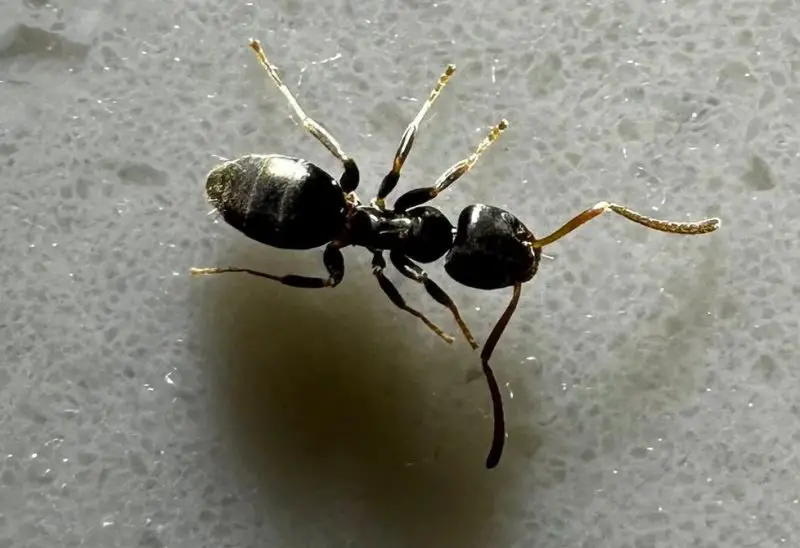
Many homeowners in Virginia notice a puzzling pattern at some point. Tiny ants suddenly begin appearing in bathrooms, often near sinks, tubs, baseboards, or around plumbing fixtures. They may show up in small numbers at first, then gradually increase. Sometimes they vanish briefly, only to return days later. This cycle can be frustrating and confusing, especially when the bathroom seems clean and free of obvious food sources.
In most cases, these insects are odorous house ants, one of the most common indoor ant species across Virginia. They are tiny, dark brown ants known for emitting a distinct odor when crushed. While they are not dangerous, their persistence and ability to form large colonies make them one of the most annoying household pests in the region.
Understanding why these ants keep appearing in bathrooms requires looking at climate, moisture patterns, building structure, ant biology, and seasonal behavior. Once these factors are clear, prevention and control become much easier.
Table of Contents
- 1 Understanding Odorous House Ant Behavior
- 2 Why Virginia Homes Experience This Issue Frequently
- 3 Why Bathrooms Specifically Attract Odorous House Ants
- 4 How Ants Enter Virginia Homes
- 5 Why Ant Sightings Seem Sudden
- 6 Are Odorous House Ants Dangerous?
- 7 Signs You Have Odorous House Ants Specifically
- 8 Prevention Strategies for Virginia Bathrooms
- 9 Cleaning Practices That Help
- 10 Natural Deterrent Methods
- 11 When Professional Pest Control Is Needed
- 12 Long-Term Outlook for Virginia Homeowners
- 13 FAQs About Odorous House Ants in Virginia Bathrooms
- 13.1 Why do ants appear even in clean bathrooms?
- 13.2 Are these ants coming from outdoors?
- 13.3 Do they disappear in winter?
- 13.4 Can strong cleaners eliminate them?
- 13.5 Should I worry about structural damage?
- 13.6 Are they seasonal?
- 13.7 Do they contaminate hygiene products?
- 13.8 Will sealing cracks stop them?
- 13.9 Is professional treatment always necessary?
- 13.10 How quickly do colonies grow?
- 14 Conclusion
Understanding Odorous House Ant Behavior
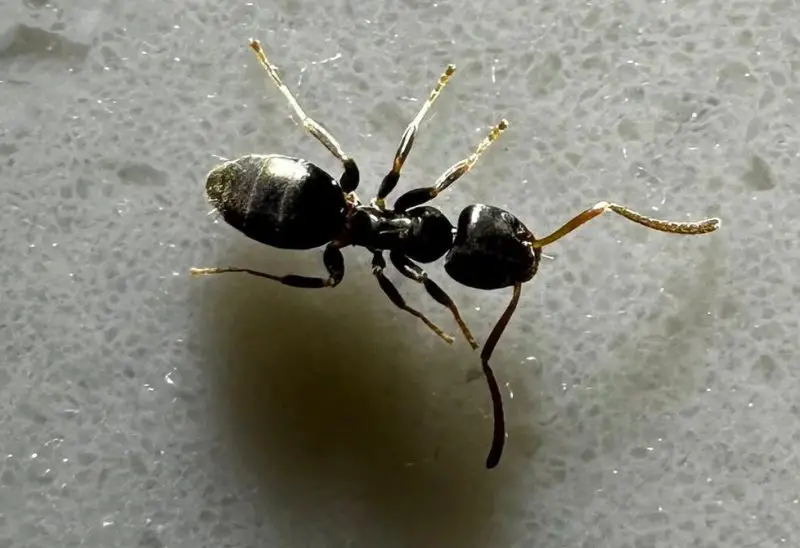
A highly adaptable household ant
Odorous house ants are among the most adaptable insects living around human environments. Their success comes from their ability to shift nesting locations easily. When outdoor conditions become too dry, too wet, too hot, or too cold, they often relocate indoors where temperature and humidity remain more stable. Bathrooms frequently provide the kind of protected microclimate they prefer.
Unlike ants that depend strictly on outdoor soil nests, this species often builds colonies inside wall voids, beneath flooring, within insulation layers, or around plumbing infrastructure. Bathrooms naturally connect to these concealed areas through pipes, drains, and small structural gaps, making them ideal nesting zones.
This flexibility allows them to remain active year-round in many homes across Virginia. Even during colder months, indoor heating and plumbing warmth keep colonies functioning. That adaptability explains why homeowners sometimes experience recurring sightings regardless of season.
Moisture is a primary attraction
Bathrooms produce humidity constantly through showers, sinks, condensation, and occasional plumbing leaks. This steady moisture supply strongly attracts odorous house ants, which rely on water availability for colony survival. Even when no obvious standing water exists, microscopic dampness can sustain them.
Small water sources such as damp grout, condensation under sinks, or minor pipe leaks provide enough hydration. Ants detect these moisture gradients quickly and establish trails to exploit the resource repeatedly.
Because bathrooms maintain higher humidity than most other rooms, they often become hotspots even when kitchens remain unaffected. This explains why ants sometimes appear in bathrooms despite careful cleaning and minimal food residue.
Colonies expand rapidly
Odorous house ant colonies can grow surprisingly large. Thousands of workers may coexist with multiple reproductive queens. This multi-queen structure allows rapid expansion and increases survival when environmental conditions change.
When colonies become crowded or resources shift, they often split into smaller satellite colonies. These new groups spread through structures and frequently select bathrooms due to consistent warmth and moisture. Satellite nesting is a major reason infestations seem persistent.
Even after control measures reduce visible ants, hidden satellite colonies may remain active. Without addressing environmental conditions, ants often reappear from nearby nests, giving the impression that the infestation never truly ended.
Why Virginia Homes Experience This Issue Frequently
Humid subtropical climate
Virginia’s climate strongly supports ant activity. Warm summers, frequent rainfall, and relatively mild winters create favorable conditions for insect survival. Humidity plays a crucial role by maintaining soil moisture and encouraging structural dampness.
High humidity promotes successful nesting outdoors while increasing indoor moisture retention. Crawl spaces, basements, and bathrooms often remain damp longer than homeowners realize. These environments provide ideal refuges for ants seeking stability.
As a result, Virginia homes often experience periodic ant invasions simply due to regional climate patterns. Even well-maintained properties can encounter issues during humid seasons.
Seasonal transitions drive indoor movement
Spring is often a particularly active period. Colonies expand after winter dormancy, sending workers to search for water and resources. Bathrooms, with stable indoor humidity, become reliable zones during these transitions.
Early summer activity intensifies as temperatures rise and rainfall increases. Elevated humidity encourages ants to explore indoor nesting opportunities, where conditions are more consistent than outdoors.
Autumn temperature drops can trigger another migration indoors. Ants seek stable shelter before colder weather arrives, and bathroom plumbing areas frequently serve as convenient entry points.
Housing structure characteristics
Many Virginia homes include crawl spaces, basements, or older plumbing systems that can trap moisture. These structural features create hidden environments ideal for ants. Even modern homes can develop damp pockets around poorly ventilated plumbing areas.
Ants take advantage of foundation cracks, insulation gaps, wall voids, and pipe penetrations. These pathways allow movement from outdoor soil directly into interior spaces without obvious signs. Bathrooms often sit along these structural lines, making them natural entry destinations.
Because these nesting zones remain concealed, infestations can develop unnoticed until worker ants begin appearing on visible surfaces. This delay contributes to the perception of sudden invasion.
Why Bathrooms Specifically Attract Odorous House Ants
Consistent water availability
Bathrooms provide one of the most reliable indoor water sources. Ant colonies require hydration for survival, brood development, and normal colony functioning. Even minimal moisture can sustain them.
Common sources include sink condensation, shower steam, leaking pipes, damp towels, and toilet base moisture. These micro-sources often persist unnoticed, allowing ants to establish long-term trails.
Unlike kitchens where food availability varies, bathroom moisture tends to remain consistent. This stability makes bathrooms especially attractive for nesting and foraging.
Warm microclimates
Plumbing pipes frequently carry warm water, creating localized temperature stability. During colder months, this warmth becomes even more pronounced relative to surrounding areas. Ants prefer moderate, stable temperatures that support colony growth.
Bathrooms often maintain these temperatures due to insulation, enclosed layouts, and frequent water use. The combination of warmth and humidity resembles natural nesting environments such as damp wood or soil.
This thermal stability encourages ants to remain indoors once established and supports year-round colony activity.
Hidden nesting opportunities
Bathrooms contain numerous concealed spaces ideal for ant colonies. Areas behind cabinets, under tile flooring, inside drywall cavities, and around plumbing penetrations provide protection from disturbance.
These hidden zones shield ants from routine cleaning efforts and environmental fluctuations. Surface sanitation rarely reaches nesting sites, which explains persistent infestations despite thorough cleaning routines.
Because nests remain out of sight, homeowners may only see foraging workers while the colony itself stays protected inside structural voids.
How Ants Enter Virginia Homes
Structural entry points
Odorous house ants can enter through extremely small openings. Foundation cracks, window seams, door thresholds, utility penetrations, and roofline gaps all serve as potential entry routes. Many of these openings are barely visible.
Once a few workers locate moisture indoors, they lay pheromone trails that guide additional ants. These trails strengthen quickly, creating noticeable indoor activity in a short period.
Routine home maintenance helps reduce these entry points, though complete exclusion can be challenging.
Landscaping connections
Vegetation touching structures provides natural bridges for ants. Shrubs, vines, tree branches, and mulch beds allow easy movement from outdoor nests into interior walls.
Maintaining clearance between plants and buildings reduces migration pathways. Proper drainage also prevents soil moisture buildup that attracts ants toward structures.
Thoughtful landscaping maintenance often significantly reduces indoor ant pressure.
Indoor colony formation
In some situations, ants establish colonies indoors directly rather than entering from outside. Construction materials, cardboard boxes, groceries, or stored items occasionally introduce ants inadvertently.
Once inside, bathrooms provide the moisture and warmth needed for colony development. This explains why infestations sometimes occur even without obvious outdoor entry points.
Indoor colony formation can make elimination more challenging because nests remain entirely within structural cavities.
Why Ant Sightings Seem Sudden
Much ant activity occurs inside walls or during nighttime hours. Homeowners usually see only the foraging workers venturing out for water.
By the time ants become visible, colonies may already be well established. This delayed visibility creates the impression that ants appeared suddenly.
Understanding hidden colony behavior helps explain recurring sightings.
Environmental triggers
Changes in humidity, plumbing repairs, temperature fluctuations, or cleaning routines can alter colony behavior. These environmental shifts sometimes prompt increased foraging activity.
Even minor disturbances inside walls can push ants into open areas. Bathrooms often show the first visible signs because of consistent moisture.
Environmental awareness supports better prevention strategies.
Satellite colony formation
Colony splitting creates new nests rapidly. Satellite colonies frequently occupy bathrooms due to favorable conditions.
This expansion pattern leads to repeated sightings even after initial treatment. Addressing underlying environmental factors remains essential for long-term control.
Are Odorous House Ants Dangerous?
Minimal direct health risk
Odorous house ants rarely bite and are not major disease carriers. Their primary impact involves nuisance and possible surface contamination rather than direct health threats.
Maintaining hygiene and addressing infestations promptly minimizes any indirect risks.
Overall, they are considered low-risk pests compared with many other household insects.
Psychological and comfort impact
Despite low health risk, persistent ants affect household comfort. Bathrooms are personal spaces, so repeated sightings can cause stress or frustration.
Early intervention prevents escalation and restores peace of mind. Awareness reduces anxiety associated with infestations.
Signs You Have Odorous House Ants Specifically
Distinct odor when crushed
A musty or coconut-like odor released when ants are crushed is a defining characteristic. This trait helps distinguish them from other common household ants.
Accurate identification supports more effective prevention strategies.
Small size and dark coloration
Workers are typically tiny, dark brown to black ants that move quickly along trails. Their small size allows them to enter extremely narrow gaps.
Visual identification combined with odor confirmation is usually sufficient.
Preference for moisture areas
Repeated sightings near sinks, tubs, drains, or plumbing strongly suggest odorous house ants. Location often confirms the species involved.
Prevention Strategies for Virginia Bathrooms
Moisture control remains key
Reducing humidity dramatically lowers ant attraction. Regular exhaust fan use, prompt leak repair, drying surfaces, and improved ventilation all help.
Dry environments discourage nesting and reduce foraging trails.
Consistent moisture management remains the most effective prevention step.
Seal structural entry points
Caulking gaps around pipes, windows, and baseboards reduces access routes. Regular inspections maintain barrier effectiveness.
Even small repairs can significantly reduce ant activity.
Structural maintenance supports long-term prevention.
Landscaping adjustments
Keeping vegetation trimmed away from structures limits outdoor migration paths. Proper drainage reduces soil moisture near foundations.
Balanced landscaping supports both aesthetics and pest prevention.
Cleaning Practices That Help
Regular deep cleaning
Removing soap residue, hair, and organic debris eliminates minor food sources. Hidden areas under sinks or behind fixtures deserve special attention.
Consistent cleaning complements moisture control and reduces infestation likelihood.
Manage storage habits
Avoid storing cardboard or paper goods in humid bathrooms. Sealed containers reduce nesting opportunities.
Decluttering removes hiding places and supports prevention.
Natural Deterrent Methods
Habitat modification works best
Environmental adjustments outperform most repellents. Eliminating moisture and shelter addresses root causes.
Consistency is crucial for lasting results.
Temporary fixes rarely solve persistent infestations.
Physical barriers
Door sweeps, weather stripping, and sealed baseboards reduce entry points. Regular maintenance ensures effectiveness.
Barrier integrity significantly lowers indoor ant pressure.
When Professional Pest Control Is Needed
Persistent infestations
If ants continue despite preventive measures, hidden colonies may exist. Professional inspections identify difficult nesting sites.
Targeted treatment often resolves stubborn problems.
Early involvement prevents escalation.
Large colony populations
Extensive infestations benefit from integrated management. Professionals combine environmental correction with safe treatment strategies.
This comprehensive approach typically yields the best results.
Long-Term Outlook for Virginia Homeowners
Recurrence is possible but manageable
Virginia’s climate naturally supports occasional ant activity. Preventive maintenance significantly reduces recurrence risk.
Awareness and routine inspections remain key to long-term control.
Most infestations are manageable with consistent care.
Coexistence with regional wildlife
Complete elimination is rarely realistic. Management focuses on minimizing indoor impact while maintaining a balanced environment.
With proper moisture control, structural maintenance, and awareness of seasonal patterns, most Virginia homeowners can keep bathrooms comfortable and largely ant-free.
FAQs About Odorous House Ants in Virginia Bathrooms
Why do ants appear even in clean bathrooms?
Cleanliness does not eliminate moisture. Ants prioritize water over food in bathrooms, so humidity remains the primary attraction.
Are these ants coming from outdoors?
Sometimes yes, but indoor nests are common. Bathrooms often provide ideal nesting conditions.
Do they disappear in winter?
Indoor colonies remain active year-round due to heated environments.
Can strong cleaners eliminate them?
Surface cleaners rarely reach hidden nests. Environmental control is more effective.
Should I worry about structural damage?
They rarely damage structures but may indicate moisture issues worth addressing.
Are they seasonal?
Activity peaks in warm months but can occur anytime indoors.
Do they contaminate hygiene products?
They may explore surfaces but generally avoid sealed items.
Will sealing cracks stop them?
It significantly reduces entry but must be combined with moisture control.
Is professional treatment always necessary?
Not always. Many infestations resolve with environmental changes.
How quickly do colonies grow?
Colonies expand steadily and can become noticeable within weeks under ideal conditions.
Conclusion
Tiny odorous house ants appearing in Virginia bathrooms usually reflect environmental conditions rather than cleanliness failures. Moisture, warmth, hidden nesting spaces, and seasonal climate shifts all contribute to their persistence.
While these ants are mostly harmless, they can disrupt comfort and signal underlying humidity or structural issues. Addressing moisture sources, sealing entry points, improving ventilation, and maintaining consistent cleaning habits typically resolve the problem.
Understanding their behavior transforms frustration into practical action. Once bathrooms become less inviting, ant activity usually declines naturally. With awareness and routine prevention, most Virginia homeowners can maintain ant-free bathrooms and avoid recurring infestations.