
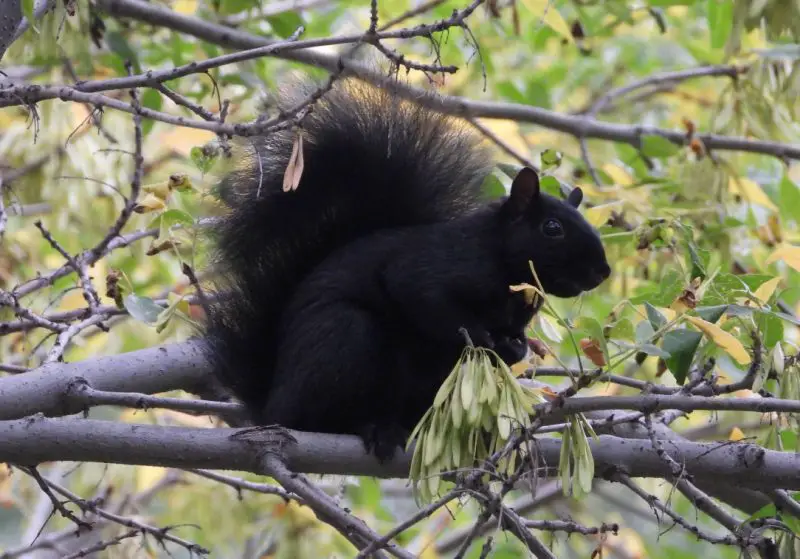
Across North Carolina, many residents occasionally notice something surprising in their yards, parks, or wooded neighborhoods. A squirrel that looks completely black instead of the familiar gray suddenly appears. Sometimes people assume it is a different species, an escaped exotic animal, or even a sign of environmental change. In reality, black squirrels are usually a natural color variation of the eastern gray squirrel, and their appearance follows fascinating biological, ecological, and environmental patterns.
These sightings often feel sudden because color variations can spread slowly through local populations before becoming noticeable. Seasonal lighting, coat changes, habitat shifts, and genetic factors all influence when and where black squirrels appear. Understanding what causes these color changes helps remove mystery while revealing how adaptable wildlife can be.
Black squirrels are not rare accidents. They represent one of the most interesting examples of natural genetic diversity interacting with climate, habitat, and evolutionary advantage. And North Carolina, with its mix of forests, suburbs, mountains, and coastal plains, provides ideal conditions for these variations to emerge.
Table of Contents
- 1 What Black Squirrels Actually Are
- 2 Why North Carolina Has Black Squirrels
- 3 Why Black Squirrels Seem to Appear Suddenly
- 4 Climate Influence on Fur Color
- 5 Are Black Squirrels Healthier or Stronger?
- 6 Common Myths About Black Squirrels
- 7 How Habitat Changes Influence Squirrel Color
- 8 Predator and Survival Dynamics
- 9 Are Black Squirrels Aggressive?
- 10 Supporting Healthy Squirrel Populations
- 11 Observing Black Squirrels Responsibly
- 12 FAQs About Black Squirrels in North Carolina
- 12.1 Are black squirrels rare in North Carolina?
- 12.2 Do black squirrels interbreed with gray squirrels?
- 12.3 Can gray squirrels turn black later in life?
- 12.4 Are they more aggressive?
- 12.5 Do they live longer?
- 12.6 Are they protected wildlife?
- 12.7 Why do I see more recently?
- 12.8 Do predators prefer gray squirrels?
- 12.9 Can climate change influence their numbers?
- 12.10 Should homeowners be concerned?
- 13 Conclusion
What Black Squirrels Actually Are
A color variation, not a separate species
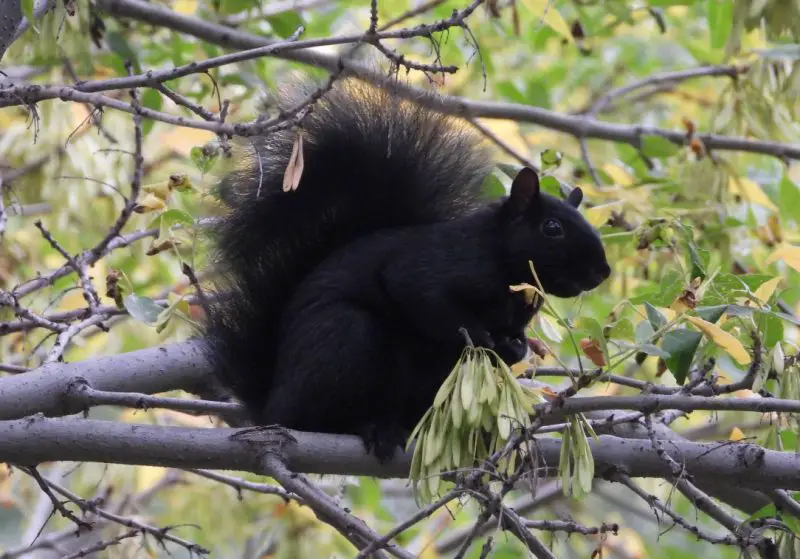
Most black squirrels seen in North Carolina are not a separate species at all. They are typically eastern gray squirrels that carry a genetic variation causing darker fur coloration. This condition, called melanism, increases dark pigment production and turns the fur deep brown or completely black. Despite the color difference, they remain biologically identical to gray squirrels in behavior, diet, and ecological role.
Melanistic squirrels forage for nuts, seeds, berries, insects, and plant material just like gray squirrels. They build tree nests called dreys, use similar shelter sites, and follow the same seasonal activity patterns. Their dark coloration does not affect their lifestyle or habitat needs.
Because black and gray squirrels interbreed freely, darker coloration can slowly spread within a population. Over time, a neighborhood that once had only gray squirrels may begin showing occasional black individuals, then more frequently, making the shift seem sudden when it actually happened gradually.
How melanism works biologically
Melanism results from genetic variations that increase production of melanin, the pigment responsible for dark coloration in animal fur, feathers, and skin. In squirrels, higher melanin levels cause fur to appear dark brown or black rather than gray. This process is entirely natural and occurs in many wildlife species worldwide.
The trait can be inherited from either parent, even when neither parent appears black. Hidden genetic factors sometimes produce melanistic offspring unexpectedly. This inheritance pattern explains why homeowners may suddenly notice black squirrels where none seemed present before.
Importantly, melanism is not caused by pollution, toxins, or disease. It is simply a naturally occurring genetic expression that has existed long before modern environmental changes. Understanding this helps eliminate common misconceptions about environmental causes.
Not all black squirrels look identical
Black squirrels vary in appearance more than many people realize. Some appear jet black with glossy fur, while others display brown undertones, gray edging, or subtle color variation depending on lighting and season. These differences can make identification more complex at a glance.
Seasonal molting also affects appearance. Squirrels shed and regrow fur twice each year. During fall and winter, coats often become thicker and darker, especially in melanistic individuals, making them more noticeable. In summer, fur may appear slightly lighter or less uniform.
Lighting conditions further influence perception. Shadows, sunlight angles, and background vegetation can make squirrels appear darker or lighter than they truly are. These visual factors often contribute to the belief that squirrels have suddenly changed color.
Why North Carolina Has Black Squirrels
Diverse habitat supports genetic variation
North Carolina’s wide range of habitats plays a major role in supporting melanistic squirrel populations. The state includes mountain forests, coastal plains, suburban neighborhoods, agricultural land, and extensive urban green spaces. This ecological diversity encourages genetic mixing among squirrel populations.
Where habitats overlap, different color traits spread more easily. Urban parks connected to wooded corridors allow squirrels to travel between areas, introducing melanistic genes gradually into new populations. Over time, this increases the visibility of black squirrels.
Habitat diversity also supports stable food supplies and nesting areas, helping color variations persist rather than disappear due to environmental stress. This stability encourages long-term genetic diversity within squirrel communities.
Urban environments may favor darker fur
Some researchers suggest darker fur may offer subtle advantages in urban environments. Black squirrels may absorb solar warmth more efficiently, which can help regulate body temperature during cool mornings or seasonal temperature swings common in North Carolina.
Camouflage may also play a role. Dark fur can blend more effectively with shaded city environments, asphalt surfaces, buildings, and dense tree canopies. This may slightly reduce predation risk or improve survival under certain conditions.
These advantages are modest but meaningful over generations. Even small survival benefits can gradually increase the proportion of melanistic squirrels in urban areas.
Reduced predator pressure in cities
Urban and suburban areas often have fewer natural predators compared with rural forests. Hawks, foxes, bobcats, and other predators may be less common in heavily developed regions. Reduced predation allows unusual color traits to persist more easily.
Predators sometimes target animals that stand out visually. When predator pressure decreases, visible traits like melanism face fewer survival challenges. This allows darker coloration to spread gradually through local populations.
North Carolina’s expanding suburban landscape supports this dynamic, making black squirrels more noticeable in developed areas over time.
Why Black Squirrels Seem to Appear Suddenly
Gradual population change reaches visibility threshold
Melanistic genes may exist quietly within a population for years. As more squirrels inherit the trait, sightings become frequent enough that residents begin noticing them. This tipping point creates the impression of sudden appearance.
Population growth, habitat expansion, and increased human observation all contribute to this effect. More people spending time outdoors or installing backyard cameras also increases wildlife visibility.
Thus, what seems like an abrupt change usually reflects a gradual biological process reaching noticeable levels.
Seasonal coat changes affect appearance
Squirrels molt twice yearly, replacing their fur with new growth adapted to seasonal conditions. Fresh coats can appear darker, shinier, or more uniform in color. This is especially noticeable in melanistic squirrels during fall and early winter.
Thicker winter fur enhances insulation but also deepens visual color intensity. A squirrel that appeared dark gray in summer may look completely black in winter lighting conditions.
These seasonal changes often create the illusion of sudden transformation even though genetics remain constant.
Juvenile dispersal spreads traits
Young squirrels typically leave their birthplace to establish new territories. When melanistic juveniles disperse into new neighborhoods, residents may suddenly notice black squirrels where none were seen previously.
Dispersal helps maintain genetic diversity but also spreads visible traits geographically. Over time, these movements create pockets of higher melanistic squirrel concentration.
This natural expansion process explains why some communities begin seeing black squirrels seemingly out of nowhere.
Climate Influence on Fur Color
Temperature regulation advantages
Dark fur absorbs more solar heat than lighter fur. In cooler regions of North Carolina, especially mountainous areas, melanistic squirrels may warm more efficiently during cold weather.
Improved heat absorption can slightly enhance winter survival or reduce energy expenditure needed for warmth. While not a dramatic advantage, it may influence long-term population patterns.
Natural selection sometimes favors traits that provide even small environmental benefits. This may help explain regional differences in squirrel coloration.
Humidity and habitat shading
Dense forests and humid environments create darker visual surroundings. Black fur can improve camouflage in shaded habitats with heavy canopy cover.
Better camouflage may reduce predator detection risk, especially from aerial predators. This advantage varies by habitat type but contributes to overall survival patterns.
Environmental shading thus plays a subtle role in maintaining melanistic traits.
Seasonal climate shifts
Changing climate patterns can influence vegetation growth, food availability, and habitat conditions. These factors indirectly affect squirrel populations and color distribution.
Warmer winters may increase survival rates for all squirrels, allowing genetic traits like melanism to persist longer. Habitat changes also affect dispersal patterns.
However, genetics remains the primary driver of fur color. Climate influences visibility and survival rather than directly causing color change.
Are Black Squirrels Healthier or Stronger?
No inherent health difference
Melanistic squirrels generally show similar health outcomes to gray squirrels. Fur color does not directly affect strength, immunity, or lifespan.
They consume identical diets, face the same predators, and occupy similar ecological niches. Differences in survival typically relate to habitat quality rather than coloration.
Overall, coat color alone is not a reliable indicator of health or fitness.
Behavioral adaptability matters more
Individual behavior often plays a greater role in survival than color. Access to reliable food sources, safe nesting sites, and awareness of predators determines long-term success.
Squirrels that adapt well to human environments tend to thrive regardless of fur color. Flexibility in diet and habitat use is more important than pigmentation.
Thus, melanistic squirrels succeed primarily because of behavioral adaptability rather than color advantage.
Common Myths About Black Squirrels
Myth: They are a different species
Most black squirrels in North Carolina belong to the same species as gray squirrels. The color difference reflects genetic variation rather than species separation.
True separate species of black squirrels exist elsewhere but are not typical in this region. Accurate identification usually confirms melanism rather than new species presence.
Myth: Pollution causes black fur
Environmental pollution does not create melanistic squirrels. The trait is inherited genetically and has existed long before modern industrial influences.
Color variation occurs naturally in many animal species without environmental contamination. Associating black squirrels with pollution is a misconception.
Myth: They signal environmental imbalance
Black squirrels do not indicate ecological problems. Their presence reflects normal biodiversity and genetic diversity within wildlife populations.
Healthy ecosystems often support a range of color variations. Seeing black squirrels can actually indicate stable wildlife populations.
How Habitat Changes Influence Squirrel Color
Urban tree planting effects
City tree planting initiatives create green corridors connecting parks, neighborhoods, and forests. These corridors allow squirrels to travel safely and mix genetically.
Increased connectivity helps melanistic traits spread gradually across urban landscapes. Over time, this increases the likelihood of black squirrel sightings.
Suburban development patterns
Suburban environments often combine lawns, trees, gardens, and forest edges. These mixed habitats support diverse squirrel populations.
Such environments provide food, shelter, and movement pathways, encouraging genetic diversity and visible color variation.
Forest regeneration
Reforestation projects increase available habitat for squirrels. Expanding tree cover supports stable populations and genetic diversity.
When habitats stabilize, melanistic traits persist more easily across generations.
Predator and Survival Dynamics
Visual camouflage considerations
Predators rely partly on visual detection. In darker or heavily shaded environments, black squirrels may blend more effectively with surroundings.
Camouflage advantages vary by habitat but can influence survival rates subtly over time.
Human influence on predator populations
Urban expansion often reduces predator numbers. Lower predation allows visible color traits like melanism to persist without strong selective pressure.
Human-modified landscapes thus indirectly shape wildlife appearance.
Are Black Squirrels Aggressive?
Behavior similar to gray squirrels
Fur color does not influence temperament. Black squirrels behave like gray squirrels in territorial defense, foraging, and social interactions.
They remain cautious around humans and typically avoid confrontation.
Seasonal behavior changes
Breeding seasons increase activity levels and territorial behavior in all squirrels. These changes occur regardless of coat color.
Color does not affect aggression or behavioral tendencies.
Supporting Healthy Squirrel Populations
Preserve natural habitat
Maintaining tree cover, green spaces, and natural corridors supports squirrel diversity. Healthy ecosystems sustain genetic variation.
Habitat preservation benefits both wildlife and human communities.
Avoid artificial feeding dependence
Occasional feeding is common but should not replace natural foraging. Natural diets support long-term health and ecological balance.
Encouraging natural behavior promotes sustainable wildlife populations.
Observing Black Squirrels Responsibly
Maintain distance
Wildlife observation should avoid disturbance. Close interaction can stress animals and alter natural behavior.
Viewing from a respectful distance ensures safety for both humans and wildlife.
Document sightings respectfully
Photography and observation contribute valuable information to wildlife monitoring. Responsible documentation helps track population trends.
Respectful observation supports conservation while allowing appreciation of natural diversity.
FAQs About Black Squirrels in North Carolina
Are black squirrels rare in North Carolina?
They are uncommon but increasingly visible in some areas. Their numbers vary by region and habitat connectivity.
Do black squirrels interbreed with gray squirrels?
Yes. They belong to the same species and interbreed freely.
Can gray squirrels turn black later in life?
No. Color is genetic from birth, though seasonal molting can alter appearance slightly.
Are they more aggressive?
No. Behavior is unrelated to fur color.
Do they live longer?
Lifespan depends on habitat conditions, not color.
Are they protected wildlife?
They fall under the same wildlife regulations as gray squirrels.
Why do I see more recently?
Population shifts, habitat changes, and increased awareness often explain this.
Do predators prefer gray squirrels?
Predator behavior varies; camouflage effectiveness depends on environment.
Can climate change influence their numbers?
Indirectly, through habitat changes, but genetics remains primary.
Should homeowners be concerned?
No. They are normal wildlife and pose little risk.
Conclusion
Black squirrels appearing in North Carolina rarely signal anything unusual or alarming. They represent a natural genetic variation within familiar squirrel populations. Their seemingly sudden appearance reflects gradual genetic spread, habitat changes, seasonal coat variation, and human observation patterns rather than abrupt biological transformation.
North Carolina’s diverse landscapes provide excellent conditions for these melanistic traits to persist and sometimes flourish. Urban development, forest connectivity, and climate factors all shape how visible these squirrels become over time.
Understanding the science behind black squirrels replaces mystery with appreciation. Instead of viewing them as anomalies, they can be seen as examples of nature’s adaptability and genetic diversity. And in most cases, their presence simply means local ecosystems remain active, resilient, and full of fascinating surprises.