

Bright red fuzz. Slow deliberate movement. A strange insect crossing a driveway or garden path in the Louisiana heat. Many people stop to look. Some reach for their phone to take a photo. Others instinctively step back.
Then someone nearby says, “Don’t touch that. It’s a velvet ant.”
Within seconds curiosity often turns into caution. Stories about velvet ants travel fast across Louisiana. Some call them cow killers. Others say the sting hurts worse than bees or wasps. Their reputation alone can trigger anxiety before any real encounter happens.
Yet velvet ants are not aggressive invaders. They are solitary insects living quietly in sandy soils, pine woods, coastal areas, suburban yards, and disturbed ground across the state. Their sting is undeniably painful, but panic usually comes from misunderstanding more than actual danger.
Understanding why velvet ant stings hurt so much — and why people react strongly — requires looking at biology, ecology, and human psychology together.
Table of Contents
- 1 What Velvet Ants Actually Are
- 2 Why Louisiana Is Ideal Habitat
- 3 The Biology Behind the Painful Sting
- 4 What the Sting Feels Like
- 5 Why People Panic When They See Velvet Ants
- 6 Are Velvet Ants Aggressive?
- 7 Comparing Velvet Ants to Other Louisiana Stinging Insects
- 8 Medical Risks and Allergic Reactions
- 9 Why Sightings Seem More Common
- 10 Ecological Benefits Often Ignored
- 11 Preventing Velvet Ant Stings
- 12 What To Do If You Are Stung
- 13 Pets and Velvet Ant Encounters
- 14 Teaching Children About Velvet Ant Safety
- 15 Why Panic Can Make Pain Feel Worse
- 16 Common Myths About Velvet Ants
- 17 The Bigger Picture of Human–Wildlife Interaction
- 18 FAQs About Velvet Ant Stings in Louisiana
- 19 Final Thoughts
What Velvet Ants Actually Are
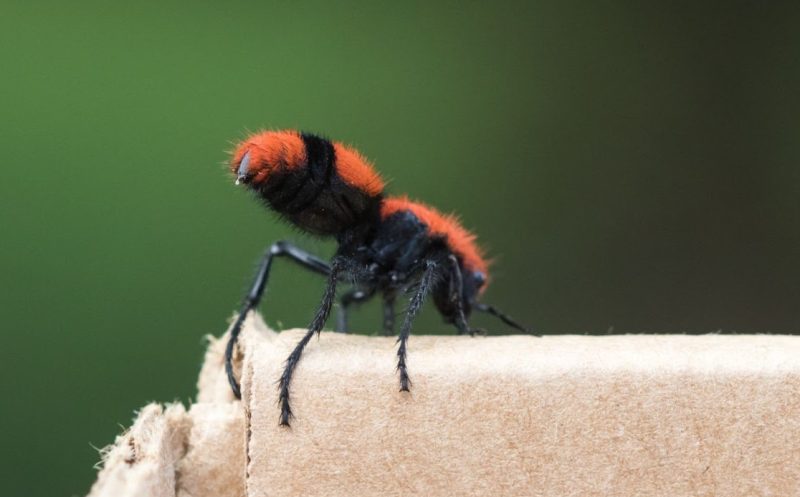
Despite their name, velvet ants are not true ants at all. They belong to the wasp family Mutillidae, a group known for strong defensive adaptations and unusual appearance. Female velvet ants are wingless, which gives them their ant-like look, while males have wings and are rarely noticed by most people. This difference between males and females often surprises those encountering them for the first time.
Their dense fuzzy coating serves several biological functions. It acts as warning coloration, signaling predators that they possess a powerful defense. The thick hair layer may also provide physical protection and help regulate body temperature in hot environments such as Louisiana’s sandy soils, open fields, and sun-exposed habitats.
Unlike social ants or wasps that live in colonies, velvet ants are solitary. Females wander independently, searching for underground nests of bees or wasps where they deposit eggs. Once hatched, the larvae feed on the host’s developing brood. Because they live alone, encounters almost always involve a single insect rather than a group, which significantly reduces the risk compared with many other stinging species.
Why Louisiana Is Ideal Habitat
Louisiana provides nearly perfect environmental conditions for velvet ants. Warm temperatures persist for much of the year, allowing extended activity periods compared with northern regions. Soil tends to remain loose or sandy in many areas, making it easier for both host insects and velvet ants to establish themselves.
Coastal dunes, pine forests, grasslands, suburban lawns, construction zones, and disturbed soils all create suitable habitat. Velvet ants do not select areas randomly. They follow populations of ground-nesting bees and wasps, since those insects serve as hosts for their larvae.
Human activity unintentionally supports this ecological chain. Landscaping projects, irrigation systems, new housing developments, and soil disturbance increase nesting opportunities for host insects. When host populations grow, velvet ants often follow naturally. This pattern reflects ecological balance rather than infestation or aggressive expansion.
The Biology Behind the Painful Sting
Velvet ant stings are widely regarded as among the most painful insect stings in North America. This intense pain is not accidental but the result of evolutionary pressures shaping their defense system over time.
Defensive Venom Chemistry
Their venom evolved primarily for defense rather than hunting. It contains compounds that activate pain receptors rapidly, creating an immediate and memorable sensation. The goal is not necessarily to cause lasting harm but to convince predators to avoid future contact.
For solitary insects without colony protection, a powerful defensive sting dramatically increases survival chances. Predators that experience the sting once rarely repeat the mistake.
Strong Stinger Structure
Female velvet ants possess a surprisingly strong and relatively long stinger for their body size. This allows deeper penetration into skin compared with many smaller insects. Deeper venom delivery usually produces stronger pain perception and sometimes longer-lasting discomfort.
This anatomical feature is one reason the sting feels so intense despite the insect’s relatively small size.
Warning Coloration Backed by Reality
Bright red, orange, or yellow coloration functions as a visual warning signal. Evolution favors honest warning signals. If the sting were mild, predators would ignore these colors over time. The intense pain reinforces the warning, making the coloration an effective survival strategy.
This combination of visual warning and strong defense is common among many animals that rely on deterrence rather than escape.
Thick Protective Exoskeleton
Velvet ants have a tough exoskeleton compared with many insects. This physical armor protects them from predators attempting to bite or crush them. It also gives them enough time to sting if accidentally stepped on or pressed.
Many human stings occur during accidental contact rather than deliberate handling, which explains why people often feel the sting before even realizing the insect was present.
What the Sting Feels Like
Most people describe the sting as immediate, sharp, and intensely burning. The sensation usually begins within seconds and can last from several minutes to a few hours, depending on individual sensitivity.
Typical reactions include localized redness, mild swelling, and temporary tenderness. Some individuals report lingering sensitivity for a day or two, though severe complications are rare.
Pain perception varies widely. Sting location, venom amount, individual pain tolerance, and psychological factors all influence the experience. Despite dramatic descriptions, most stings resolve without lasting effects.
Why People Panic When They See Velvet Ants
The psychological component of velvet ant encounters is significant. Fear often develops before any sting occurs.
Bright Warning Colors
Humans instinctively associate bright coloration with danger. This evolutionary caution helps survival but can exaggerate perceived risk. Velvet ants trigger this instinct strongly because their coloration is vivid and unusual.
Dramatic Nicknames
Nicknames like “cow killer” create strong emotional reactions. While meant to describe pain intensity rather than lethality, such labels easily lead people to assume the insect is extremely dangerous.
Language shapes perception more than many realize.
Social Media Influence
Online videos and exaggerated stories spread quickly. Dramatic reactions gain more attention than calm explanations, which can create unrealistic expectations about risk.
Repeated exposure to such content increases anxiety during real encounters.
Surprise Encounters
Velvet ants often appear suddenly while gardening, walking barefoot, or working outdoors. Unexpected encounters trigger adrenaline responses, which can heighten both fear and perceived pain.
The element of surprise amplifies emotional reaction.
Are Velvet Ants Aggressive?
Generally, they are not aggressive toward humans. They do not chase, swarm, or defend nests like many social insects.
Most stings occur under specific circumstances:
Someone accidentally steps on one
Gardening disturbs soil where they are moving
Pets investigate them
Hands unknowingly touch them
Given the chance, velvet ants typically choose escape rather than confrontation. However, when escape is impossible, they defend themselves effectively.
Comparing Velvet Ants to Other Louisiana Stinging Insects
Louisiana hosts numerous stinging insects, including fire ants, hornets, bees, and wasps. Many of these species defend colonies aggressively.
Velvet ants differ significantly:
They sting individually rather than in groups.
They rarely initiate contact.
They do not defend communal nests.
They typically avoid confrontation.
Understanding these behavioral differences helps reduce unnecessary panic during encounters.
Medical Risks and Allergic Reactions
For most individuals, velvet ant stings cause localized pain without serious medical consequences. However, allergic reactions remain possible with any insect venom.
Symptoms that require medical attention include difficulty breathing, widespread swelling, dizziness, chest tightness, or severe hives. These reactions are uncommon but should never be ignored.
Preparedness is more helpful than fear. Knowing what to watch for helps people respond calmly.
Why Sightings Seem More Common
Many Louisiana residents report seeing velvet ants more frequently. Several factors may contribute.
Warmer climate patterns extend insect activity seasons.
Urban development disturbs soil and supports host insects.
Increased outdoor recreation leads to more observations.
Often, increased visibility rather than population growth explains the perception of rising encounters.
Ecological Benefits Often Ignored
Velvet ants play a role in ecological balance. By parasitizing ground-nesting bees and wasps, they help regulate insect populations and prevent dominance by any single species.
They also serve as prey for certain predators adapted to handle their defenses. This contributes to biodiversity and ecosystem stability.
Species that seem intimidating often still provide ecological benefits.
Preventing Velvet Ant Stings
Prevention relies mainly on awareness.
Wear footwear outdoors, especially on sandy soil.
Use gloves when gardening.
Avoid handling unfamiliar insects.
Teach children safe observation habits.
Supervise pets outdoors.
Most stings result from accidental contact rather than aggressive behavior.
What To Do If You Are Stung
Remaining calm is important. Panic can intensify perceived pain.
Clean the area gently with soap and water.
Apply a cold compress to reduce swelling.
Use over-the-counter pain relief if necessary.
Monitor for allergic symptoms.
Most stings resolve without complications.
Pets and Velvet Ant Encounters
Dogs and cats sometimes investigate moving insects out of curiosity. Most stings cause temporary discomfort only.
Common signs include limping, licking the affected area, or mild swelling. Veterinary care is advisable if symptoms worsen or persist.
Supervision helps prevent encounters.
Teaching Children About Velvet Ant Safety
Education is more effective than fear-based warnings. Teaching children how to recognize velvet ants and observe them safely encourages curiosity while reducing risk.
Explaining why insects defend themselves helps children understand rather than fear wildlife.
Knowledge promotes safe behavior.
Why Panic Can Make Pain Feel Worse
Pain perception involves both physical sensation and mental interpretation. Fear increases focus on discomfort, adrenaline heightens nerve sensitivity, and expectation amplifies intensity.
Calm breathing, reassurance, and understanding often reduce perceived pain significantly.
Knowledge reduces fear. Reduced fear reduces perceived pain.
Common Myths About Velvet Ants
They do not kill livestock.
They do not attack humans intentionally.
They are not true ants.
They rarely infest homes.
They usually sting only when threatened.
Accurate information replaces exaggerated fears.
The Bigger Picture of Human–Wildlife Interaction
Louisiana’s expanding communities increasingly overlap with natural habitats. Encounters with insects and wildlife are becoming more common as development spreads into previously undisturbed areas.
This does not necessarily signal danger. Often it reflects ecological adaptation and coexistence.
Velvet ants are part of that broader environmental story. Understanding their role helps people respond with awareness instead of fear.
FAQs About Velvet Ant Stings in Louisiana
Are velvet ants common in Louisiana?
Yes. The warm climate and sandy habitats make Louisiana suitable for several species.
Is the sting dangerous?
Usually not medically dangerous, but extremely painful. Allergic reactions remain rare.
Can velvet ants sting more than once?
Yes. Unlike bees, they do not lose their stinger.
Do they attack people?
No. They sting only when threatened or handled.
Why are they brightly colored?
Warning coloration signals strong defenses to predators.
Should I remove them from my yard?
Generally unnecessary. Avoid contact instead.
Can they infest homes?
They usually stay outdoors near host insects.
Are they beneficial insects?
Yes. They help regulate other insect populations.
Final Thoughts
Velvet ant stings hurt because evolution designed them that way. Potent venom, strong stingers, bright warning colors, and solitary defense strategies combine to create one of Louisiana’s most memorable insect encounters. Yet despite their reputation, velvet ants are not aggressive pests, not invasive threats, and not major health hazards.
Panic usually comes from unfamiliar appearance, dramatic stories, and sudden surprise rather than actual danger. Understanding their behavior, habitat, and ecological role shifts perspective from fear to awareness. Simple precautions prevent most stings.
Louisiana’s diverse ecosystems include many species that seem intimidating but play important ecological roles. Velvet ants are one of them. Respect their space, stay informed, and coexistence becomes straightforward.