
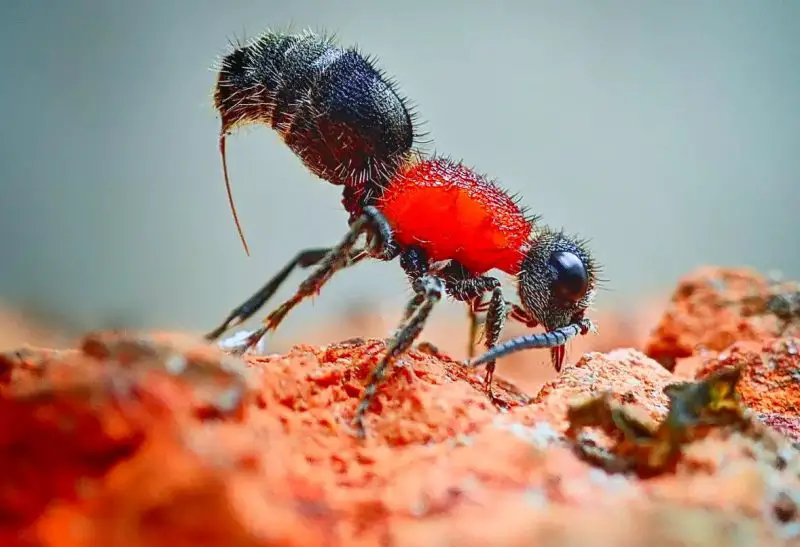
Many Ohio homeowners spend time outdoors maintaining lawns, tending gardens, or simply enjoying warm weather. Occasionally, people notice a striking insect moving across soil, mulch, or patio edges. Bright red, orange, or black, often fuzzy, and moving quickly, it looks almost like an ant. In reality, this insect is not an ant at all. It is a wingless female wasp commonly known as a velvet ant.
While encounters remain uncommon, the sting reputation of velvet ants has grown dramatically. Reports often describe the sensation as intensely painful. Stories circulate among gardeners, hikers, and homeowners, sometimes exaggerating risk but reflecting genuine discomfort. Understanding why these stings hurt so much requires looking at biology, behavior, ecology, and human perception.
Table of Contents
- 1 What Velvet Ants Actually Are
- 2 Why the Sting Feels So Intense
- 3 Defensive Purpose of the Sting
- 4 Why Encounters Occur in Ohio Backyards
- 5 Seasonal Activity Patterns
- 6 Differences Between Male and Female Velvet Ants
- 7 Why Bright Colors Matter
- 8 Human Perception of Pain
- 9 Are Velvet Ant Stings Dangerous
- 10 Behavioral Characteristics of Velvet Ants
- 11 Habitat Preferences in Ohio
- 12 Ecological Role of Velvet Ants
- 13 Why People Notice Them More Recently
- 14 Misidentification With Other Insects
- 15 Preventive Awareness for Homeowners
- 16 Climate Influence on Activity
- 17 Cultural Reputation of Velvet Ants
- 18 Research Continues
- 19 FAQs About Velvet Ant Stings in Ohio
- 20 Final Thoughts
What Velvet Ants Actually Are
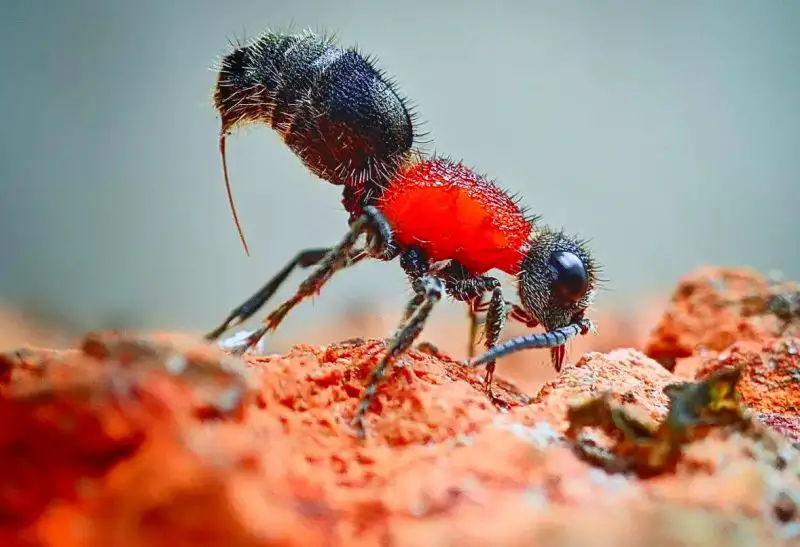
Velvet ants belong to the wasp family Mutillidae, even though their name suggests they are ants. The confusion comes mainly from the females, which lack wings and move quickly across the ground with an ant-like appearance. Males usually have wings and resemble small wasps more closely, though they are seen less often because they spend more time flying than walking across open surfaces. Their dense body hair gives them a velvety look, often colored bright red, orange, or black. This fuzzy coating serves both as physical protection and as a visual warning to potential predators.
These insects are found across much of the United States, including Ohio, where they typically prefer dry, well-drained soil. Gardens, fields, sandy patches, woodland edges, and landscaped yards often provide suitable habitat. Velvet ants are parasitoids, meaning their larvae develop by feeding on the immature stages of other insects, usually ground-nesting bees or wasps. The female locates a host nest, lays an egg inside, and the larva consumes the host as it develops. This life cycle ties velvet ant presence closely to areas with healthy pollinator populations.
Their striking coloration is not meant for camouflage. Instead, it functions as a warning signal, a strategy known as aposematic coloration. Many animals associate bright contrasting colors with unpleasant experiences such as stings or toxicity. In nature, bold color often communicates risk more effectively than concealment.
Why the Sting Feels So Intense
Velvet ant stings are widely reported as unusually painful, largely because of the chemistry of their venom. The venom contains compounds designed to produce immediate discomfort, discouraging predators from continuing an attack. Rapid, intense pain improves survival chances by teaching predators to avoid similar insects in the future.
The structure of the stinger also contributes to the experience. Female velvet ants have a relatively long, smooth stinger capable of penetrating skin efficiently and delivering venom in a controlled manner. Unlike honeybees, they do not lose the stinger after stinging, allowing them to defend themselves repeatedly if necessary.
Pain perception varies among individuals depending on sensitivity, sting location, and psychological factors. Many people describe the sensation as sharp, burning, or electric in quality. This intensity reflects defensive adaptation rather than aggressive intent. Pain in this context functions primarily as protection.
Defensive Purpose of the Sting
Velvet ants live solitary lives rather than forming colonies. Without the safety of a group, they rely heavily on personal defenses. The sting acts as their most effective deterrent against predators such as birds, small mammals, reptiles, and accidental human contact.
They possess several warning mechanisms before stinging. Bright coloration signals danger visually. Their dense hair makes them harder for predators to grasp. Some species can produce faint squeaking sounds when disturbed, and their rapid movement helps them escape threats quickly. The sting becomes a last resort rather than a first response.
These layered defenses reduce predation risk significantly. Evolution favors deterrence strategies that minimize physical confrontation while maximizing survival.
Why Encounters Occur in Ohio Backyards
Ohio’s mix of suburban lawns, gardens, woodland edges, and open soil areas creates suitable habitat for many ground-nesting insects. Because velvet ants parasitize these insects, they naturally follow their hosts into residential landscapes.
Mulch beds, sandy patches, compost zones, and flower gardens provide ideal conditions. Native plant gardens attract bees and wasps, indirectly supporting velvet ant reproduction. Even carefully maintained yards can offer small microhabitats where these insects thrive.
Human landscaping unintentionally recreates ecological niches. Backyards often function as miniature ecosystems that support diverse wildlife, including parasitoid insects.
Seasonal Activity Patterns
Velvet ants tend to be most visible during warmer months. In Ohio, late spring through early autumn usually brings peak sightings. Rising temperatures stimulate insect activity broadly, including host species that velvet ants depend on.
Sunny weather encourages movement across open soil. After rainfall, ground-nesting insects may become more active, increasing opportunities for velvet ants to locate host nests. This pattern often explains sudden appearances following seasonal weather changes.
Seasonal cycles influence wildlife visibility more than actual population size. These patterns repeat annually, reflecting environmental rhythms rather than sudden population growth.
Differences Between Male and Female Velvet Ants
Female velvet ants are wingless and capable of stinging, while males possess wings but cannot sting. This difference, known as sexual dimorphism, often confuses observers. Winged males may appear less threatening simply because they resemble typical wasps rather than ants.
Females spend much of their time moving across soil surfaces searching for host nests. Their ground-level activity increases the chance of accidental human encounters, especially in gardens or lawns.
Behavior explains encounter patterns. Physical structure influences perceived risk.
Why Bright Colors Matter
The vivid coloration of velvet ants represents a classic example of warning coloration in nature. Reds, oranges, blacks, and bold contrasts signal potential danger to predators. Animals that have experienced painful stings often learn quickly to avoid similarly colored insects.
Humans sometimes overlook these signals due to unfamiliarity, but many wildlife species respond instinctively. Visibility becomes advantageous when strong defenses exist.
Color functions as communication. Evolution favors honesty in warning signals when consequences are memorable.
Human Perception of Pain
Pain perception varies widely among individuals. Factors include the sting location, amount of venom delivered, personal sensitivity, and psychological context. Unexpected encounters often intensify perceived pain because surprise triggers stress responses.
Stories also shape expectation. Hearing repeatedly that an insect produces an intense sting primes the brain to anticipate discomfort, potentially amplifying the experience.
Mind and body interact closely in pain perception. Experience and expectation both shape interpretation.
Are Velvet Ant Stings Dangerous
For most people, velvet ant stings cause strong but temporary pain. Redness, swelling, and localized irritation typically resolve without medical intervention. Serious complications remain uncommon.
However, allergic reactions are possible with any insect sting. Individuals with known allergies should exercise caution and seek medical attention if symptoms such as difficulty breathing, widespread swelling, or dizziness occur.
Pain intensity does not necessarily indicate medical danger. Perspective helps maintain balanced awareness.
Behavioral Characteristics of Velvet Ants
Velvet ants generally avoid confrontation. They move quickly across surfaces and rarely linger near human activity. Most stings occur accidentally when someone steps on, handles, or inadvertently traps the insect.
Because they are solitary, they do not form colonies inside walls or create swarms near homes. Unlike social wasps, they do not defend nests aggressively.
Understanding their solitary behavior reduces unnecessary fear. Maintaining respectful distance typically prevents problems.
Habitat Preferences in Ohio
Velvet ants prefer dry, sandy, or well-drained soils where host insects build nests. Common habitats include garden beds, open lawns, woodland edges, and sunny fields.
Urbanization has created mosaic habitats combining natural and landscaped elements. Suburban gardens sometimes offer more suitable conditions than dense forests, especially where pollinator-friendly plants are present.
Habitat diversity encourages insect diversity. Backyards often become functional ecological zones.
Ecological Role of Velvet Ants
As parasitoids, velvet ants play an important ecological role. By regulating populations of certain bees and wasps, they contribute to balance within insect communities. This interaction helps maintain ecosystem stability.
Predators often avoid velvet ants due to their defenses, illustrating layered ecological relationships. Even species perceived as nuisances frequently serve beneficial functions within broader ecosystems.
Predation balance supports biodiversity. Every species contributes to ecological complexity.
Why People Notice Them More Recently
Several factors increase awareness of velvet ants. More people spend time outdoors gardening or landscaping. Pollinator-friendly planting has become popular. Smartphone cameras capture unusual insects easily, and social media spreads images quickly.
This increased visibility does not necessarily indicate population growth. Awareness often rises faster than ecological change.
Observation influences perception. Familiarity increases noticing.
Misidentification With Other Insects
Velvet ants are sometimes mistaken for large ants, wingless wasps, or even certain beetles. Their fuzzy bodies and bright colors create visual ambiguity for those unfamiliar with insect identification.
Misidentification can lead to unnecessary concern or ineffective pest control efforts. Education helps distinguish species accurately.
Correct identification improves response. Knowledge reduces anxiety.
Preventive Awareness for Homeowners
Simple precautions significantly reduce sting risk. Wearing shoes outdoors, using gloves while gardening, avoiding handling unfamiliar insects, and staying aware in sunny soil areas help prevent accidental contact.
Preventive awareness often proves more effective than attempts at eradication. Velvet ants rarely establish infestations, so coexistence remains practical.
Respect for wildlife promotes safety and reduces unnecessary conflict.
Climate Influence on Activity
Temperature strongly influences insect metabolism. Warmer conditions increase activity, feeding behavior, and reproductive cycles. Ohio’s increasingly variable weather patterns may shift seasonal timing slightly, though long-term effects remain under study.
Climate shapes when insects are visible rather than whether they exist. Adaptation continues as environmental conditions evolve.
Cultural Reputation of Velvet Ants
Nicknames like “cow killer” exaggerate sting severity and contribute to folklore surrounding velvet ants. While their sting is painful, it does not pose the dramatic threat suggested by such names.
Folklore often amplifies striking characteristics. Scientific understanding provides a more balanced view.
Stories influence perception. Evidence clarifies reality.
Research Continues
Entomologists continue studying velvet ant venom chemistry, parasitoid behavior, host interactions, and geographic distribution. Advances in research deepen understanding of their ecological role and defensive adaptations.
Science evolves continually. Curiosity drives discovery, and ongoing research helps refine public understanding of these remarkable insects.
FAQs About Velvet Ant Stings in Ohio
Are velvet ants actually ants?
No. They are wasps. Females resemble ants due to lack of wings.
Why does the sting hurt so much?
Venom evolved for rapid predator deterrence, producing immediate pain.
Are they aggressive?
No. Most stings occur from accidental contact.
Do they live in colonies?
They are solitary parasitoids rather than social insects.
Are stings dangerous?
Usually painful but not medically serious unless allergic reaction occurs.
When are they most active?
Typically late spring through early autumn.
How can homeowners avoid stings?
Wear shoes outdoors, avoid handling insects, maintain awareness.
Do they benefit ecosystems?
Yes. They help regulate other insect populations.
Final Thoughts
Velvet ants in Ohio backyards reflect natural ecological complexity rather than emerging danger. Their striking appearance, potent defensive sting, and solitary behavior combine to create memorable encounters. Painful stings serve evolutionary purposes rather than aggressive intent.
Understanding their biology, habitat preferences, and ecological role helps replace fear with informed awareness. Most interactions remain avoidable through simple precautions. Appreciating wildlife diversity encourages balanced coexistence.