
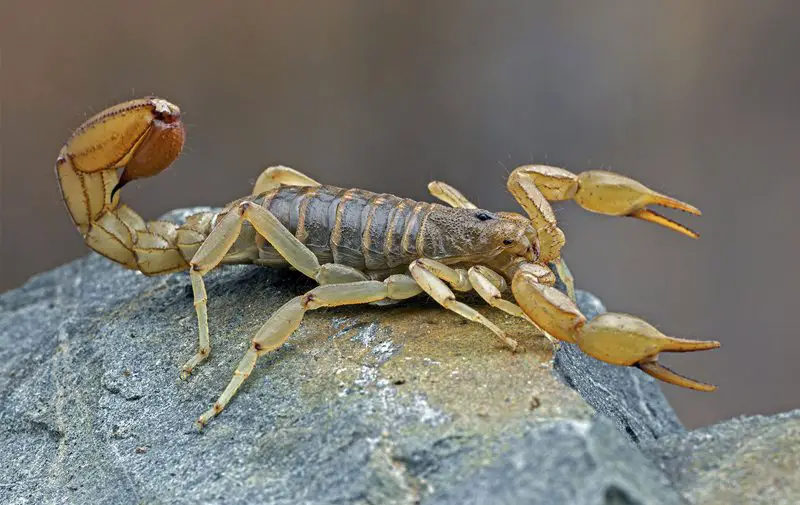
Few creatures spark instant anxiety in Texas quite like bark scorpions. Even residents who have never encountered one often know someone who has. Stories circulate about painful stings, unexpected indoor sightings, and late-night surprises in shoes, beds, or bathrooms. While most encounters are not medically serious, the psychological impact is very real.
Texas landscapes support diverse wildlife, including several scorpion species. Among them, bark scorpions stand out because of their potent sting, climbing ability, and occasional tendency to wander indoors. These factors combine to create lasting concern for homeowners, hikers, and outdoor workers.
Understanding why bark scorpions cause so much fear requires looking at their biology, habitat, behavior, sting effects, and how human perception amplifies risk. Knowledge often reduces anxiety, but respect for these animals remains important.
Table of Contents
- 1 Bark Scorpions in Texas
- 2 Why People Fear Bark Scorpions
- 3 Sting Effects and Medical Reality
- 4 Why Bark Scorpions Enter Homes
- 5 Psychological Impact on Residents
- 6 Ecological Role of Bark Scorpions
- 7 Preventing Scorpion Encounters
- 8 Common Myths About Bark Scorpions
- 9 Seasonal Trends in Texas
- 10 Responding to a Scorpion Encounter
- 11 FAQs About Texas Bark Scorpions
- 11.1 Are bark scorpions common in Texas?
- 11.2 Are their stings dangerous?
- 11.3 Why do they enter homes?
- 11.4 Do they climb walls?
- 11.5 How can I reduce risk?
- 11.6 Are children at higher risk?
- 11.7 Do scorpions chase people?
- 11.8 Are they beneficial?
- 11.9 What time are they most active?
- 11.10 Should I call pest control?
- 12 Conclusion
Bark Scorpions in Texas
What Species Are Found in Texas
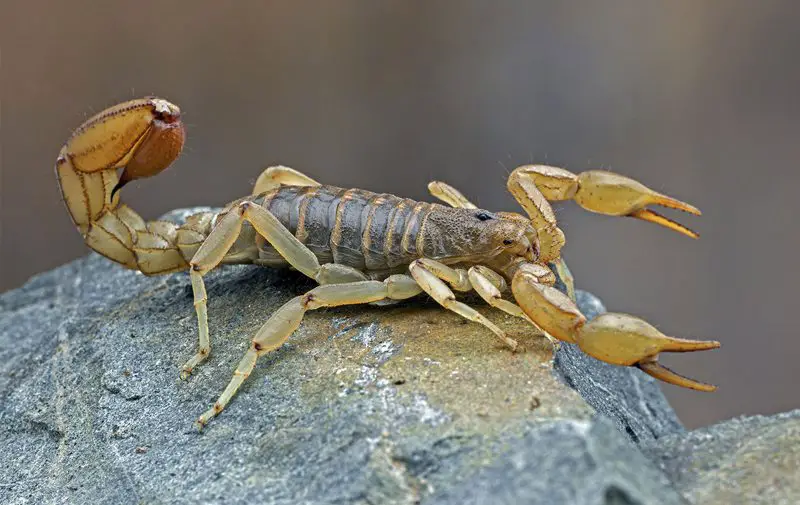
Texas is home to several scorpion species, but the striped bark scorpion is by far the most widespread and most frequently encountered by residents. Scientifically known as Centruroides vittatus, this species adapts remarkably well to Texas’ diverse environments, from dry grasslands and scrub deserts to suburban neighborhoods and even city edges. Its ability to live near humans is one reason it remains so well known.
Striped bark scorpions are relatively small compared with larger desert species found farther west. Adults typically measure two to three inches in length. Their pale yellow tan bodies with darker longitudinal stripes provide excellent camouflage against tree bark, soil, limestone rock, fences, and wooden structures. This coloration helps them avoid predators and makes them difficult for people to spot until they move.
They are nocturnal hunters. During the night, they emerge to feed primarily on insects such as crickets, cockroaches, termites, moths, beetles, and spiders. This diet makes them beneficial from an ecological standpoint because they help control pest populations naturally. However, their presence close to human homes often overshadows that ecological benefit.
Preferred Habitat
Bark scorpions favor warm, dry habitats with abundant hiding places. In natural Texas landscapes, they commonly inhabit scrublands, grasslands, rocky outcrops, woodland edges, and semi desert environments. They shelter beneath loose bark, stones, fallen logs, leaf litter, and debris during daylight hours to avoid heat and predators.
Suburban and urban environments frequently recreate these conditions unintentionally. Landscaping rocks, decorative mulch, stacked firewood, garden walls, fencing, sheds, patios, and outdoor furniture all provide suitable daytime shelter. Even small cracks in retaining walls or gaps beneath outdoor equipment can become resting spots.
This overlap between natural habitat preferences and human development explains why bark scorpions are regularly encountered around homes. It is not that they seek people out. Rather, modern landscaping often mirrors the environments they evolved to inhabit.
Climbing Ability
One characteristic that distinguishes bark scorpions from many other species is their impressive climbing ability. Their specialized claws and body structure allow them to scale rough walls, trees, fences, and exterior surfaces of buildings. This climbing skill dramatically increases the likelihood of indoor encounters compared with ground dwelling scorpions.
They may enter homes through tiny structural gaps, poorly sealed doors, attic vents, window frames, plumbing penetrations, or foundation cracks. Because they are slender and flexible, even small openings can provide access.
This ability to climb vertically is one of the biggest reasons Texas residents remain wary. The idea that a scorpion can reach elevated surfaces like ceilings, beds, or furniture understandably contributes to anxiety.
Why People Fear Bark Scorpions
Painful Sting Reputation
The bark scorpion sting carries a strong reputation for pain. While rarely life threatening for healthy adults, the sting can be intense enough to create lasting impressions. People often describe it as sharp burning pain followed by tingling, numbness, or localized sensitivity.
For some individuals, particularly children or those with heightened sensitivity, the discomfort can feel dramatic. Even when symptoms fade quickly, the emotional memory tends to linger.
Stories of painful stings circulate widely among Texas communities. These accounts, especially when shared repeatedly, reinforce collective fear.
Unexpected Indoor Encounters
Few experiences create more unease than discovering a scorpion indoors. Bathrooms, closets, garages, laundry rooms, kitchens, and bedrooms are among the most commonly reported locations.
Because bark scorpions are nocturnal, many encounters happen at night. A resident reaching into a shoe, turning down bedding, or stepping into a dark bathroom may suddenly encounter one. The surprise factor alone can produce strong emotional reactions.
Even harmless sightings can create lasting discomfort, particularly if residents worry about future encounters.
Cultural and Media Influence
Scorpions have long been portrayed dramatically in movies, television, folklore, and online media. They are often depicted as aggressive, deadly desert creatures. While this portrayal exaggerates actual risk, repeated exposure shapes public perception.
Social media amplifies dramatic stories. Photos, videos, and personal accounts spread quickly, sometimes without context or scientific accuracy.
Cultural narrative plays a powerful role in how people interpret wildlife encounters.
Sting Effects and Medical Reality
Typical Sting Symptoms
Most bark scorpion stings produce immediate localized pain. Many people report tingling, mild numbness, or warmth spreading around the sting site. Swelling usually remains less pronounced than with bee or wasp stings.
Pain intensity varies widely. Some individuals experience brief discomfort lasting minutes, while others feel soreness for several hours.
Fortunately, symptoms typically resolve without lasting medical effects.
Higher Risk Groups
Children, elderly individuals, and people with allergic sensitivities may experience stronger reactions. Systemic symptoms such as muscle twitching, breathing difficulty, severe numbness, or prolonged pain warrant medical evaluation.
Early assessment helps ensure appropriate care. Most cases still resolve safely with monitoring.
Awareness of personal health risk improves preparedness.
Treatment Approaches
Basic first aid involves washing the sting site gently, applying a cool compress, and observing symptoms. Over the counter pain relief may help if needed.
Medical professionals may provide additional observation, especially for higher risk individuals. Antivenom exists but is rarely required in Texas because most stings remain mild.
Prompt attention ensures safety while preventing unnecessary panic.
Why Bark Scorpions Enter Homes
Shelter Seeking Behavior
Texas heat can be intense. During the day, bark scorpions search for cooler sheltered locations. Indoor spaces often provide stable temperature, moisture, and protection.
Bathrooms, kitchens, and laundry areas sometimes attract them because humidity is slightly higher.
Human structures unintentionally create ideal microhabitats.
Prey Availability
Scorpions follow food sources. Homes with insect activity can attract them indirectly. Cockroaches, crickets, moths, and spiders serve as prey.
Reducing indoor insect populations often reduces scorpion sightings as well.
Food availability strongly influences presence.
Seasonal Movement
Spring and summer bring increased scorpion activity due to mating and feeding cycles. Weather shifts, heavy rains, or drought conditions may temporarily drive them indoors.
Understanding seasonal patterns helps residents anticipate encounters.
Timing matters.
Psychological Impact on Residents
Fear of the Unknown
Many people have limited knowledge about scorpion biology. Uncertainty often magnifies perceived danger.
When information is lacking, imagination fills gaps, sometimes dramatically.
Education helps reduce anxiety.
Surprise Factor
Unexpected wildlife encounters trigger instinctive fear responses. Finding a scorpion in a shoe, towel, or bed creates powerful emotional memories.
These experiences shape future perception.
Preparedness reduces shock.
Community Storytelling
Personal stories travel quickly within neighborhoods. Some accounts emphasize dramatic details, reinforcing caution but also fear.
Collective storytelling shapes regional attitudes toward wildlife.
Balance between awareness and panic is important.
Ecological Role of Bark Scorpions
Natural Pest Control
Bark scorpions help regulate insect populations. They feed on cockroaches, termites, crickets, beetles, and spiders, many of which can become household pests.
This ecological service often goes unnoticed.
Predator presence supports balance.
Part of Food Webs
Scorpions themselves serve as prey for birds, reptiles, mammals, and larger arthropods. This role maintains broader ecological stability.
Removing predators can disrupt food chains.
Every species plays a role.
Indicators of Habitat Health
Healthy scorpion populations often reflect intact ecosystems with adequate shelter and prey. Environmental changes can influence their numbers.
Monitoring wildlife helps conservation efforts.
Balance supports resilience.
Preventing Scorpion Encounters
Home Maintenance
Sealing foundation cracks, repairing screens, installing door sweeps, and maintaining window seals reduce entry points.
Routine maintenance significantly lowers risk.
Small repairs matter.
Yard Management
Removing debris, trimming vegetation, reducing mulch depth near foundations, and storing firewood away from homes limit hiding places.
Habitat modification works effectively.
Clean surroundings help.
Indoor Precautions
Checking shoes, clothing, bedding, and towels before use helps avoid accidental contact.
Simple habits increase safety.
Awareness makes a difference.
Common Myths About Bark Scorpions
Myth They Actively Attack Humans
Scorpions sting defensively. Most incidents occur when they are accidentally pressed against skin.
Understanding behavior reduces fear.
Respect prevents incidents.
Myth All Scorpions Are Deadly
While some global species are medically significant, most Texas bark scorpion stings are manageable.
Risk varies by species and individual sensitivity.
Context matters.
Myth They Always Live Outdoors
Indoor sightings occur due to shelter, temperature stability, and prey availability.
Habitat overlap explains encounters.
Homes are not immune.
Seasonal Trends in Texas
Spring Activity Increase
Warmer temperatures stimulate movement, feeding, and reproduction.
Encounters increase gradually.
Seasonal awareness helps preparedness.
Summer Peak Season
High heat encourages nocturnal activity and indoor shelter seeking.
Sightings often rise.
Preparation reduces surprise.
Fall Adjustments
Cooling weather shifts movement patterns. Scorpions seek stable temperatures.
Activity continues though slightly reduced.
Awareness remains helpful.
Winter Slowdown
Lower temperatures reduce activity but do not eliminate presence entirely. Indoor environments may still support occasional sightings.
Preparedness year round helps.
Responding to a Scorpion Encounter
Stay Calm
Most scorpions prefer retreat over confrontation. Panic increases accidental contact risk.
Calm observation helps ensure safety.
Distance matters.
Remove Safely
Using containers, long tools, or professional assistance prevents direct contact.
Never handle with bare hands.
Safety first.
Seek Medical Advice If Stung
Monitor symptoms carefully. Most resolve without complications, but medical advice ensures safety.
Prompt care provides reassurance.
Preparedness builds confidence.
FAQs About Texas Bark Scorpions
Are bark scorpions common in Texas?
Yes, especially in warm, dry regions where suitable shelter exists.
Are their stings dangerous?
Usually painful but rarely life threatening for healthy adults.
Why do they enter homes?
Shelter, moisture, and food sources attract them.
Do they climb walls?
Yes, bark scorpions can climb rough surfaces.
How can I reduce risk?
Seal entry points, manage insects, and maintain clean surroundings.
Are children at higher risk?
They may experience stronger reactions and should be monitored closely.
Do scorpions chase people?
No, they sting defensively when threatened.
Are they beneficial?
Yes, they help control insect populations.
What time are they most active?
Primarily at night.
Should I call pest control?
Persistent infestations may require professional assistance.
Conclusion
Texas bark scorpions continue to unsettle residents because of their painful sting, unexpected indoor encounters, and persistent cultural reputation. While the fear is understandable, scientific evidence shows that most encounters are manageable and rarely dangerous.
Education, awareness, and preventive measures help reduce anxiety while supporting safe coexistence. Bark scorpions play a meaningful ecological role, contributing to insect population control and ecosystem balance.
Respect rather than fear offers the best approach. Understanding these fascinating creatures allows Texans to navigate their environment confidently while appreciating the complexity of local wildlife.