
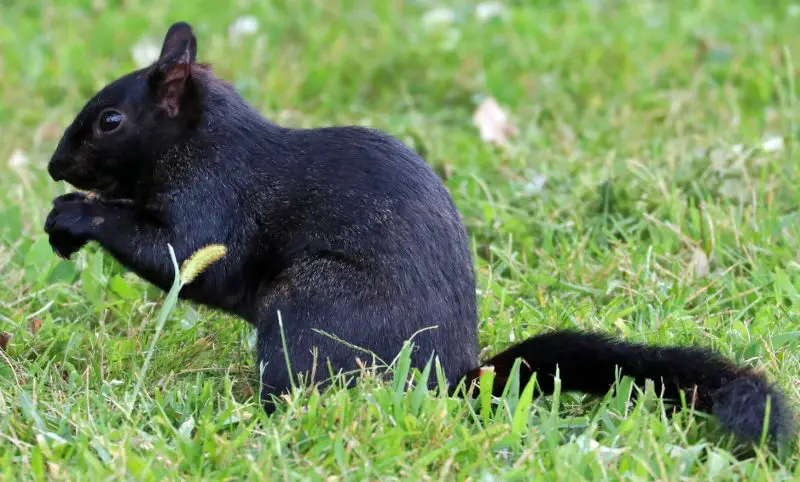
Walk through certain neighborhoods in Illinois, especially during fall or winter, and you might notice something unusual. Among the familiar gray squirrels darting across lawns, climbing oaks, or raiding bird feeders, one suddenly appears jet black. Not dark gray. Not brown. Completely black.
For many residents, the sight seems sudden. Some assume a new species arrived. Others suspect environmental pollution, disease, or even urban legend explanations. Social media photos often amplify the mystery, making it feel like black squirrels appeared overnight.
But the truth is far more interesting — and entirely natural. Black squirrels in Illinois are part of a broader ecological, genetic, and evolutionary story. Their appearance reflects adaptation, genetics, environmental pressures, and human perception rather than sudden transformation.
Understanding why some squirrels turn completely black requires looking at genetics, climate, predator dynamics, urban ecology, and even psychology.
Table of Contents
- 1 Black Squirrels Are Not a Different Species
- 2 The Genetics Behind Black Fur
- 3 Why Illinois Has Many Black Squirrel Sightings
- 4 Why Black Squirrels Often Appear Suddenly
- 5 Climate Factors and Black Fur Advantages
- 6 Predator Interactions and Color Evolution
- 7 Are Black Squirrels Healthier or Stronger?
- 8 Behavioral Differences: Myth or Reality?
- 9 Human Influence on Squirrel Color Patterns
- 10 The Role of Natural Selection
- 11 Why Some Areas Have More Black Squirrels Than Others
- 12 Misconceptions About Black Squirrels
- 13 Ecological Importance of Squirrels
- 14 Urban Wildlife Adaptation Trends
- 15 Should Illinois Residents Be Concerned?
- 16 Appreciating Biodiversity Close to Home
- 17 FAQs About Black Squirrels in Illinois
- 17.1 Are black squirrels a different species?
- 17.2 Do squirrels change color over time?
- 17.3 Are black squirrels rare in Illinois?
- 17.4 Are they more aggressive?
- 17.5 Do they survive winter better?
- 17.6 Can gray squirrels have black babies?
- 17.7 Are black squirrels invasive?
- 17.8 Should sightings be reported?
- 18 Final Thoughts
Black Squirrels Are Not a Different Species
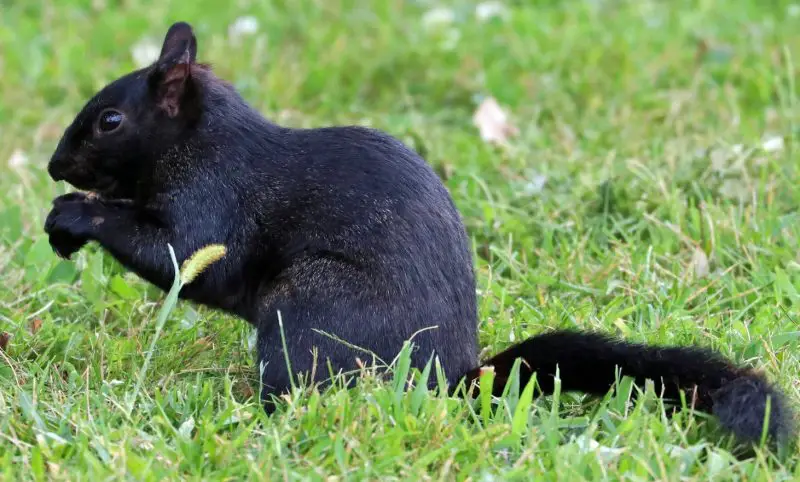
One of the biggest misunderstandings about black squirrels in Illinois is the belief that they represent a completely separate species. In reality, most black squirrels are simply eastern gray squirrels displaying a genetic condition known as melanism. This trait increases melanin production in the fur, resulting in deep brown or fully black coloration rather than the more familiar gray.
Aside from fur color, these animals are essentially identical to their gray counterparts. They forage for the same foods, build similar nests high in trees, breed during the same seasonal windows, and follow identical survival strategies. Their diet typically includes acorns, walnuts, seeds, buds, fungi, and occasionally insects or bird eggs. Whether black or gray, squirrels fill the same ecological niche.
Because they belong to the same species, black and gray squirrels can interbreed freely. This explains why a neighborhood that has always had gray squirrels may suddenly produce black individuals. The animals did not change color. New squirrels were simply born with a different genetic expression.
The Genetics Behind Black Fur
The appearance of black squirrels is rooted firmly in genetics rather than environmental contamination or disease. A mutation affecting pigment production leads to increased melanin concentration in the fur. This mutation can be inherited either dominantly or recessively depending on the specific genetic variation present in a population.
Two gray squirrels carrying the melanistic gene can produce black offspring even if neither parent appears black. Conversely, black squirrels can produce gray young when genetic combinations vary. These inheritance patterns create natural fluctuations in coloration over time.
Squirrels reproduce relatively quickly, often producing two litters per year when food conditions are favorable. Because of this rapid reproduction, coat color distribution can shift noticeably within just a few seasons. What appears sudden to human observers is often simply the natural outcome of genetic variation expressing itself over successive generations.
This constant genetic reshuffling helps maintain diversity within wildlife populations, which ultimately supports long-term resilience.
Why Illinois Has Many Black Squirrel Sightings
Certain parts of Illinois, particularly urban and suburban environments, seem to support higher numbers of black squirrels. Several ecological and historical factors contribute to this pattern.
Urban Habitat Advantages
Cities provide stable food sources year-round. Bird feeders, ornamental nut-bearing trees, compost piles, and human food waste create consistent nutrition opportunities. Urban environments may also have fewer natural predators compared with rural forests, allowing more squirrels of all colors to survive.
Urban heat islands — areas where buildings and pavement retain warmth — can slightly moderate winter temperatures. This may benefit darker fur coloration by enhancing heat absorption during colder months.
Historical Introductions
Some Illinois communities historically introduced black squirrels intentionally for novelty or aesthetic reasons. Over time, those populations spread naturally into surrounding neighborhoods. Although not universal across the state, these introductions contributed to localized concentrations of melanistic squirrels.
Fragmented Landscapes
Suburban environments contain interconnected green spaces such as parks, tree-lined streets, golf courses, and backyard habitats. These corridors allow squirrels to disperse gradually, spreading genetic traits without dramatic population shifts.
This slow expansion can make black squirrels appear newly arrived even though the process has been unfolding quietly for years.
Why Black Squirrels Often Appear Suddenly
The impression of sudden appearance often reflects human perception more than actual biological change.
Seasonal Visibility Effects
During Illinois winters, snow provides strong visual contrast. A black squirrel crossing a white landscape immediately draws attention. In summer, however, dense foliage, tree bark shadows, and urban structures camouflage darker animals effectively.
Seasonal contrast strongly influences visibility and awareness.
Social Awareness and Media Influence
A single widely shared photo can cause entire communities to begin noticing black squirrels. Once people become aware of something, they naturally scan their surroundings for confirmation.
This psychological effect can make a long-established population suddenly seem new.
Population Fluctuations
Squirrel populations rise and fall based on food availability, weather, and predation. A few successful litters carrying the melanistic gene can noticeably increase local sightings within a short period.
Again, the animals themselves did not change. Population composition shifted.
Climate Factors and Black Fur Advantages
Illinois experiences significant seasonal variation, including cold winters. Dark fur may offer modest advantages in such climates.
Heat Absorption Benefits
Black fur absorbs solar radiation more efficiently than lighter fur. This can help squirrels maintain body warmth, particularly during sunny winter days when conserving energy becomes critical.
Even small thermal advantages can influence survival when food supplies are limited.
Seasonal Camouflage Complexity
While black fur contrasts sharply with snow, it blends well with dark tree trunks, shaded forest floors, and urban environments. This mixed camouflage effect varies by season and habitat.
No single coloration provides perfect concealment year-round, which helps maintain multiple color morphs in the population.
Climate Change Considerations
Gradual shifts in winter severity, snow cover duration, and urban expansion may influence long-term distribution of melanistic traits. However, genetics remains the primary driver, with climate acting as a selective pressure rather than a direct cause.
Predator Interactions and Color Evolution
Predators exert significant influence on wildlife coloration. In Illinois, squirrels face predation from hawks, owls, foxes, coyotes, domestic cats, and occasionally raccoons or snakes.
Visibility affects vulnerability. Black squirrels may stand out in snowy open areas but blend better in shaded or urban environments. Predator learning behavior also plays a role. Predators may target whichever color morph appears most common, giving rarer morphs temporary survival advantages.
This dynamic balance helps maintain genetic diversity. Evolution rarely favors a single permanent coloration across changing environments.
Are Black Squirrels Healthier or Stronger?
Fur color alone does not determine overall health, strength, or longevity. Studies generally show similar body condition, reproductive success, and lifespan among black and gray squirrels.
Environmental factors such as food supply, habitat quality, predator pressure, and weather conditions have far greater influence on survival outcomes.
Some researchers speculate that melanin may correlate with slightly enhanced immune responses in certain animals, but evidence remains mixed. Any advantages are subtle rather than dramatic.
Overall, black squirrels function biologically just like gray squirrels.
Behavioral Differences: Myth or Reality?
Behavioral differences between black and gray squirrels are minimal. Both color morphs:
Store nuts for winter survival
Build leaf nests or occupy tree cavities
Breed seasonally
Maintain territories
Adapt readily to human environments
Some observers perceive black squirrels as bolder, particularly in urban areas. However, this likely reflects habituation to human presence rather than coloration itself. Animals accustomed to frequent human activity often show reduced fear regardless of fur color.
Behavior is shaped more by environment and experience than genetics alone.
Human Influence on Squirrel Color Patterns
Human activity influences wildlife distribution in many indirect ways. Landscaping choices affect food availability. Tree planting determines nesting habitat. Urbanization alters predator dynamics. Garbage management influences nutrition.
Even historical relocation programs have shaped squirrel genetics in some areas. Although such programs are less common today, their effects persist for decades.
Illinois urban ecosystems continue evolving, subtly shaping wildlife populations over time.
The Role of Natural Selection
Natural selection operates continuously. Traits that improve survival tend to persist, while less advantageous traits decline. Melanism may provide advantages in certain environments and disadvantages in others.
This balance prevents uniform coloration across populations. Diversity increases resilience, allowing species to adapt to environmental changes over generations.
Evolution is gradual, often invisible day to day, yet constantly shaping wildlife.
Why Some Areas Have More Black Squirrels Than Others
Distribution varies widely across Illinois. Influencing factors include local genetic history, habitat composition, urbanization level, predator density, climate microconditions, and historical introductions.
Some towns maintain stable melanistic populations for decades. Others rarely see black squirrels at all.
Wildlife distribution reflects complex ecological interactions rather than simple geographic boundaries.
Misconceptions About Black Squirrels
Several myths persist despite scientific understanding.
Black squirrels are not a separate species.
They are not diseased.
They did not suddenly change color.
They are not invasive.
They are not inherently more aggressive.
Accurate information helps reduce unnecessary concern and promotes informed appreciation.
Ecological Importance of Squirrels
Regardless of color, squirrels play vital ecological roles. They disperse seeds by caching nuts, contributing to forest regeneration. They influence plant diversity, support predator populations, and recycle nutrients through foraging activity.
Healthy ecosystems depend on such interactions. Color variation does not alter ecological function.
Urban Wildlife Adaptation Trends
Black squirrels represent a broader pattern of wildlife adapting to urban environments. Coyotes, raccoons, deer, birds, and many smaller mammals show similar trends across Illinois.
Urban heat islands, fragmented habitats, abundant human food sources, and altered predator dynamics create new selective pressures. Some species decline, while adaptable ones thrive.
Understanding these trends helps communities develop balanced coexistence strategies.
Should Illinois Residents Be Concerned?
There is no cause for concern. Black squirrels pose no additional risks compared with gray squirrels. They do not carry unique diseases, exhibit increased aggression, or cause different property damage.
They simply represent a natural genetic variation within a familiar species.
Observation and appreciation are appropriate responses.
Appreciating Biodiversity Close to Home
Seeing a black squirrel can remind us that evolution and biodiversity operate constantly, even in suburban neighborhoods. Genetic diversity strengthens species resilience and allows adaptation to environmental change.
Wildlife diversity enriches ecosystems and everyday human experience alike. A black squirrel darting across an Illinois yard is not an anomaly — it is a visible example of nature’s adaptability in action.
Understanding that story transforms surprise into appreciation.
FAQs About Black Squirrels in Illinois
Are black squirrels a different species?
No. They are eastern gray squirrels with a melanistic genetic trait.
Do squirrels change color over time?
No. Color is determined genetically at birth.
Are black squirrels rare in Illinois?
Uncommon in some areas, common in others.
Are they more aggressive?
No consistent evidence supports this.
Do they survive winter better?
Possibly slightly due to heat absorption.
Can gray squirrels have black babies?
Yes, if both carry the melanistic gene.
Are black squirrels invasive?
No. They are natural genetic variations.
Should sightings be reported?
Generally unnecessary unless part of research.
Final Thoughts
Black squirrels appearing in Illinois neighborhoods are not mysterious transformations or environmental warning signs. They represent natural genetic diversity within eastern gray squirrel populations. Melanism, seasonal visibility, urban habitat dynamics, and human perception combine to create the impression that they suddenly appear.
In reality, evolution, adaptation, and genetics operate quietly around us every day. Black squirrels are simply one visible example of nature’s flexibility in changing landscapes.
Understanding their presence replaces curiosity mixed with concern with appreciation. And that appreciation helps foster coexistence with the wildlife sharing Illinois neighborhoods — often closer than we realize.