
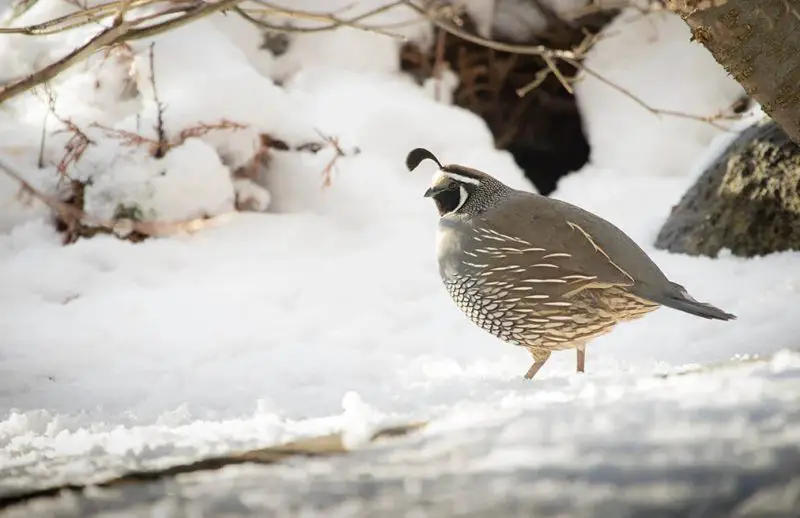
Kentucky winter can be unpredictable. Some years bring only light snow and mild cold spells, while others deliver icy winds, hard freezes, and snow-covered landscapes that linger for weeks. During these harsh winter periods, finding food becomes one of the biggest survival challenges for wildlife. Among the birds that must push through the cold season, Northern Bobwhite Quails stand out as some of the most iconic and vulnerable.
They do not migrate. They do not leave Kentucky. Instead, they remain in fields, wood edges, farmlands, grasslands, and brushy habitats, depending entirely on what the land can offer. So the question many nature observers, hunters, conservationists, and wildlife enthusiasts often ask is simple but important: What do quails feed on during harsh winter in Kentucky, and how do they manage to survive when food seems scarce?
This guide explores in detail what quails eat in Kentucky winter, how their diet changes when insects disappear, how weather affects availability, what role farms and human landscapes play, how quails forage for food, and why nutrition is closely tied to their survival and population stability.
Table of Contents
- 1 Quails in Kentucky Winter and How They Adapt to Cold Conditions
- 2 What Quails Feed On During Harsh Kentucky Winter
- 3 How Winter Weather Conditions Affect Quail Feeding
- 4 Habitat Plays a Major Role in What Quails Can Eat
- 5 How Quails Forage for Food in Winter
- 6 Nutritional Needs Quails Must Meet in Kentucky Winter
- 7 The Role of Human Landscapes in Quail Winter Survival
- 8 Ecological Importance of Quails Surviving Winter
- 9 FAQs about What Quails Feed On During Harsh Winter in Kentucky
- 9.1 Do quails stay in Kentucky all winter?
- 9.2 What do quails mainly eat in winter?
- 9.3 Do quails struggle during snowy winters?
- 9.4 Do farms help quails survive winter?
- 9.5 Do quails eat insects in winter?
- 9.6 Why are quails often found near brushy areas in winter?
- 9.7 Do quails feed alone or in groups?
- 9.8 Does winter diet affect quail populations?
- 9.9 Do quails drink water in winter?
- 9.10 Are human conservation efforts important?
- 10 Final Thoughts
Quails in Kentucky Winter and How They Adapt to Cold Conditions
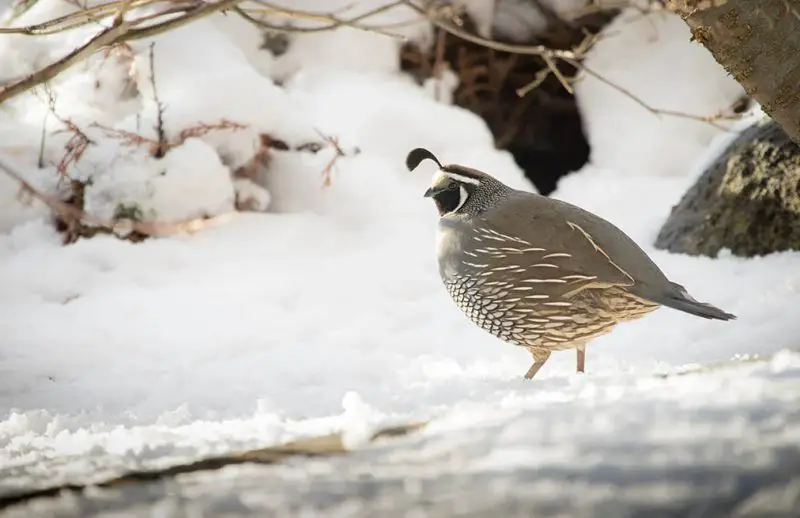
The primary quail species in Kentucky is the Northern Bobwhite. This bird is small, ground-dwelling, shy, and highly dependent on habitat quality. When winter hits, life becomes tougher. Snow can cover seeds, ice can harden soil, and freezing nights increase the body’s energy demands.
Why Quails Stay in Kentucky All Winter
Northern Bobwhite Quails are non-migratory birds. Instead of flying south, they remain in Kentucky year-round. They are deeply tied to local habitats and depend on familiar areas they have used throughout spring, summer, and fall. Staying allows them to:
-
Maintain known feeding territories
-
Use familiar cover areas for protection
-
Stay close to covey group support
-
Conserve energy instead of migrating long distances
A quail’s survival strategy in winter depends heavily on preparation, habitat structure, and access to food sources that persist even under snow.
Coveys Improve Their Winter Survival Chances
In winter, quails gather in small groups called coveys, often containing 8 to 20 birds. These coveys are essential for survival. Birds huddle together in tight circles at night, facing outward to watch for danger while sharing body heat. During the day, they feed together, increasing their ability to find food and reducing individual vulnerability.
What Quails Feed On During Harsh Kentucky Winter
As winter sets in, insects vanish, green plants disappear, and the landscape may look empty. But for quails, survival depends on a combination of seeds, grains, plant matter, remaining fruits, and occasional invertebrates when conditions allow.
Seeds Become the Most Important Winter Food
The backbone of a Kentucky quail’s winter diet is seeds. Seeds remain on plants long after snow arrives, and many fall to the ground where quails can scratch and forage. These seeds provide essential carbohydrates and fats needed to maintain warmth and daily energy.
Common natural winter seeds quails feed on include:
-
Ragweed seeds
-
Foxtail grass seeds
-
Crabgrass seeds
-
Sunflower seeds from wild varieties
-
Pigweed
-
Smartweed
-
Switchgrass
-
Little bluestem
-
Various native grass seeds
These plants are often considered weeds by humans, but they are lifesaving food for quails.
Agricultural Grains and Farm Residue Provide Critical Nutrition
Kentucky’s agricultural landscape plays a major role in quail winter survival. After harvest, many fields leave behind grain residue that quails depend on.
They frequently feed on:
-
Corn kernels left after harvest
-
Wheat grains
-
Milo (sorghum) grains
-
Soybean residue (limited but sometimes useful)
Farm field edges, stubble fields, and areas around storage facilities can become vital feeding locations. These grains are higher in calories compared to many wild seeds, making them essential during harsh cold periods when quails burn extra energy to stay warm.
Berries and Remaining Fruits Offer Valuable Winter Support
While far less abundant than in warmer seasons, certain shrubs and plants retain berries and small fruits through winter. Quails readily use these resources when available.
Common winter fruits include:
-
Sumac berries
-
Wild grapes remaining on vines
-
Blackberry canes with leftover fruit
-
Rose hips
-
Hawthorn berries
-
Viburnum berries
These foods provide sugars, hydration, vitamins, and energy diversity in a season when nutrition choices are otherwise limited.
Occasional Insects and Invertebrates During Mild Winter Days
Even in winter, Kentucky sometimes experiences warmer breaks. During thaws, soil softens, leaf litter loosens, and hidden invertebrates may become accessible. When this happens, quails take advantage of rare protein opportunities.
They may consume:
-
Beetles
-
Small worms
-
Various larvae
-
Spiders
-
Ground-dwelling insects
Protein is essential for muscle maintenance and overall health. Although insects are not the primary winter food source, any protein access in harsh winter conditions is biologically valuable.
How Winter Weather Conditions Affect Quail Feeding
Winter in Kentucky changes constantly. Some days are mild with exposed ground, while others bring snow cover and ice. Each condition directly influences how quails feed and what food they can reach.
During Heavy Snow and Deep Freeze
When snow is deep or ice covers the ground, access to seeds becomes far more difficult. Quails respond by:
-
Scratching snow to uncover seeds
-
Feeding on standing plants instead of ground seeds
-
Relying heavily on farm residue and shrubby plant seeds
-
Moving less to conserve energy
Food scarcity during prolonged snow events can cause major declines in quail populations if suitable winter habitat is lacking.
During Mild Winter Periods
When temperatures rise above freezing or Kentucky experiences open ground winter conditions, food access improves massively. Quails can easily reach:
-
Ground seeds
-
Field residue
-
Grass edges
-
Thaw-exposed insects
These periods act as recovery windows, allowing quails to regain energy reserves.
Habitat Plays a Major Role in What Quails Can Eat
Winter survival is not just about what food exists; it is about whether quails can reach it. Habitat structure determines food accessibility.
Brushy Areas and Edge Habitats Provide the Best Feeding Grounds
Quails thrive in mixed landscapes that include:
-
Brushy fence rows
-
Field edges
-
Tall native grasses
-
Shrub thickets
-
Young woodland edges
These areas protect quails from predators while still offering food sources. Dense cover also blocks wind and provides warming shelter.
Clean Fields and Overly Managed Land Can Be Dangerous
Land that is overly cleared, mowed flat, or intensely managed without wildlife consideration can be harmful to quails. When fields are “too clean,” quails lose:
-
Food sources
-
Shelter
-
Protection from predators
-
Winter feeding structure
Habitat loss is one of the biggest reasons quail numbers have declined in parts of Kentucky over time.
How Quails Forage for Food in Winter
Winter feeding is not passive. Quails must work for food, even in difficult conditions.
Ground Scratching Feeding Behavior
Quails use their feet to scratch through snow and leaves, uncovering seeds hidden beneath. This instinctive scratching allows them to access food even when surface layers are covered.
Staying Close to Cover for Safety
Because quails are vulnerable to predators such as hawks, owls, foxes, and coyotes in winter, they rarely feed in wide open spaces for long. They stay near thick cover so they can escape quickly.
Covey Cooperation Improves Feeding Success
Feeding in a group (covey) helps quails discover food more efficiently. If one bird finds a good food source, others benefit. Group vigilance also reduces predation risk while feeding.
Nutritional Needs Quails Must Meet in Kentucky Winter
Winter is demanding on the body, especially for small birds like quails.
Energy and Fat Requirements Increase in Cold Weather
Quails burn more calories in winter to stay warm and maintain internal temperature. High-energy seeds and grains are essential to fuel their metabolism.
Vitamins and Minerals Support Health
Berries and plant material add essential nutrients that help quails stay healthy through harsh winter months.
Hydration Through Food Sources
Liquid water can be scarce in frozen environments. Quails receive hydration through moisture in berries, snow, and certain food types, helping maintain biological function.
The Role of Human Landscapes in Quail Winter Survival
Human influence can either harm or help quail populations in Kentucky.
Positive Human Impacts
Quails benefit from:
-
Conservation fields
-
Wildlife food plots
-
Native grass plantings
-
Brush pile shelter
-
Farmland residue
Landowners who maintain habitat diversity unknowingly become key supporters of winter quail survival.
Negative Human Impacts
Quails struggle when land is:
-
Overdeveloped
-
Intensively farmed without leaving residue
-
Overgrazed
-
Overly manicured
-
Stripped of cover
Habitat loss is more dangerous than winter cold itself.
Ecological Importance of Quails Surviving Winter
Quails are more than just winter survivors; they are vital ecosystem participants.
They:
-
Help disperse plant seeds
-
Contribute to predator food chains
-
Support biodiversity
-
Maintain the balance of woodland and field ecosystems
Their survival benefits Kentucky’s broader natural environment.
FAQs about What Quails Feed On During Harsh Winter in Kentucky
Do quails stay in Kentucky all winter?
Yes, Northern Bobwhite Quails remain in Kentucky year-round and do not migrate.
What do quails mainly eat in winter?
They rely heavily on seeds, grains, agricultural residue, winter berries, and occasional insects.
Do quails struggle during snowy winters?
Yes, deep snow and ice can make food difficult to access, leading to survival challenges.
Do farms help quails survive winter?
Absolutely. Leftover crops, field stubble, and grain residue significantly aid quail nutrition.
Do quails eat insects in winter?
Only occasionally when warmer winter days make them accessible.
Why are quails often found near brushy areas in winter?
Brush provides cover, warmth, and feeding structure.
Do quails feed alone or in groups?
They feed in coveys, gaining protection and increased feeding success.
Does winter diet affect quail populations?
Yes, food scarcity and poor habitat can significantly reduce population survival.
Do quails drink water in winter?
They mainly obtain moisture through snow, berries, and certain foods.
Are human conservation efforts important?
Extremely. Habitat protection and management directly influence winter quail survival.
Final Thoughts
Quails surviving harsh winter in Kentucky is a delicate balance of biology, behavior, habitat, and available food. They depend on seeds, grains, berries, and occasional insects, while relying on brushy cover, agricultural landscapes, and cooperative covey behavior to find enough nutrition to endure freezing nights and snow-covered days.
Their survival story highlights the importance of habitat diversity, natural landscapes, and mindful land management. Even in the coldest months, quails continue fighting for survival, reminding us that winter landscapes are not empty but alive with determination, resilience, and the quiet struggle of wildlife enduring the season’s toughest challenges.