
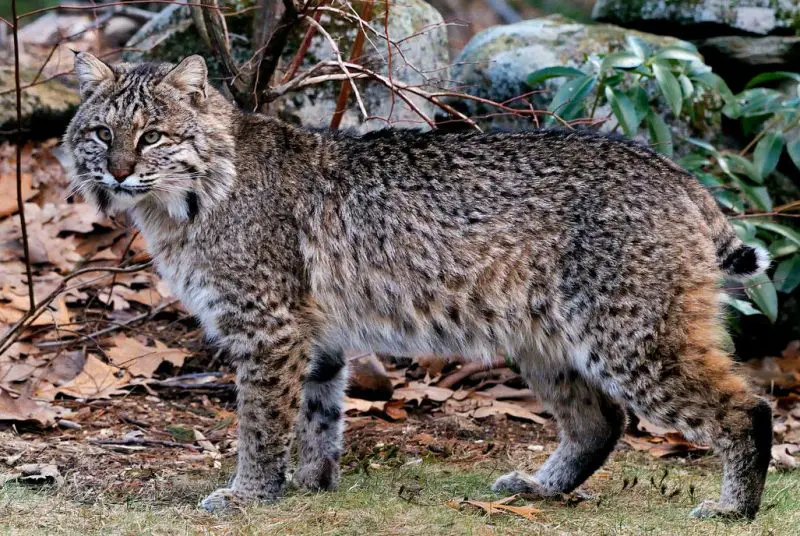
In Florida, bobcats move quietly through landscapes that blur the line between wild and residential. They pass through pine flatwoods, slip along canal edges, and cross suburban yards with a confidence that often goes completely unnoticed. Most residents never see them. And yet, in many neighborhoods, bobcats are closer than anyone realizes.
These animals are not rare visitors appearing only in remote areas. They are established residents that have adapted to Florida’s expanding human footprint with remarkable flexibility. As neighborhoods grow into former wildlife corridors, bobcats adjust their routes, shift their activity patterns, and continue using the same territories in ways that overlap with daily human life.
What makes bobcats especially misunderstood is how invisible they remain despite their presence. They do not announce themselves with noise. They do not linger in open view. Instead, they move with purpose, often at the edges of awareness, appearing only briefly before disappearing again. And once you begin to understand how they operate, it becomes clear that many Florida homes sit directly within active bobcat territory.
Table of Contents
- 1 Bobcats Are Not Just Passing Through Your Neighborhood
- 2 They Prefer Avoiding Humans, Not Confronting Them
- 3 Florida’s Landscape Makes Ideal Bobcat Habitat
- 4 They Are Silent Hunters With Precise Movements
- 5 Most Activity Happens When You Are Not Looking
- 6 Bobcats Play a Quiet but Important Ecological Role
- 7 Why Bobcats Occasionally Appear Bold
- 8 They Raise Young Close to Human Spaces
- 9 Misunderstandings Often Come From Rare Encounters
- 10 They Are More Aware of You Than You Are of Them
- 11 FAQs About Bobcats Around Florida Homes
- 11.1 Are bobcats dangerous to people in Florida?
- 11.2 Why do I keep seeing a bobcat near my house?
- 11.3 Do bobcats attack pets?
- 11.4 What should I do if I encounter a bobcat?
- 11.5 How can I prevent bobcats from coming into my yard?
- 11.6 Are bobcats protected in Florida?
- 11.7 Do bobcats stay in the same area year round?
- 11.8 Why do bobcats sometimes appear during the day?
- 12 Final Thoughts
Bobcats Are Not Just Passing Through Your Neighborhood
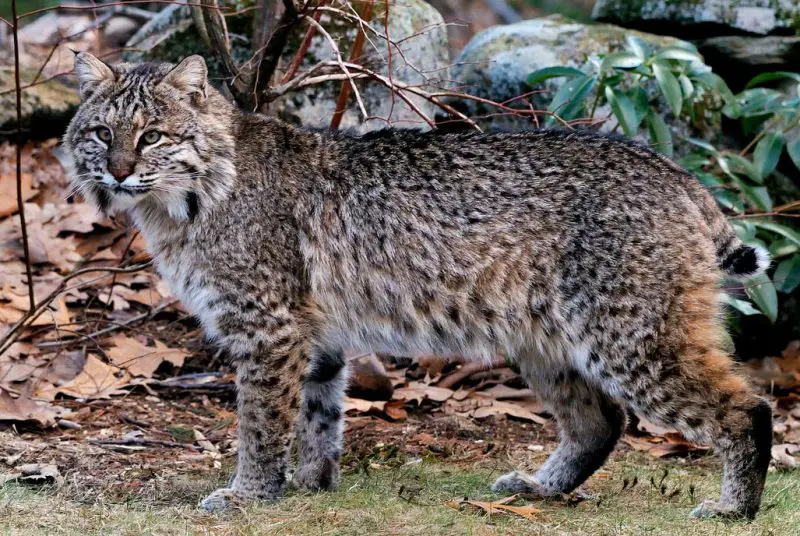
When a bobcat appears near a home, it is rarely a random event. These animals do not wander aimlessly. They operate within defined territories that can span several miles, and those territories often include residential zones.
In Florida, where natural habitats are fragmented by development, bobcats incorporate neighborhoods into their range. A yard with dense vegetation, nearby water sources, or a steady presence of small prey becomes part of a regular travel route. Over time, these routes become predictable, even if the animals themselves remain unseen.
A single bobcat may pass through the same yard repeatedly, using it as a corridor between hunting grounds or resting areas. Because they are primarily active at dawn, dusk, and ночью, their movement often happens outside the hours when people are watching. This creates the illusion that sightings are rare, when in reality, the animal may be present far more often.
Once a bobcat establishes a pattern, it tends to repeat it. That means a brief sighting is not necessarily an isolated moment. It may be a glimpse into a routine that has been happening quietly for weeks or even months.
They Prefer Avoiding Humans, Not Confronting Them
One of the biggest misconceptions about bobcats is that they pose a direct threat to people. In truth, bobcats are highly cautious animals that prioritize avoidance over confrontation. Their survival depends on staying undetected, not engaging with humans.
In Florida neighborhoods, bobcats quickly learn human patterns. They observe when yards are active, when lights are on, and when movement is frequent. Based on this information, they adjust their behavior to minimize contact. This often means traveling through areas when they are quiet and avoiding spaces where human presence is consistent.
Even when a bobcat is seen, it is usually in transit. The animal is moving from one location to another, not lingering or approaching. If it notices a person, it will often change direction or retreat without drawing attention.
This avoidance behavior is so consistent that many bobcats live within close proximity to homes for extended periods without ever being noticed. Their ability to remain unseen is one of the key reasons they are so often misunderstood.
Florida’s Landscape Makes Ideal Bobcat Habitat
Florida provides a combination of environmental features that support bobcat populations exceptionally well. Dense vegetation, abundant prey, and year-round mild temperatures create conditions that allow these animals to thrive.
In residential areas, landscaping choices often unintentionally mimic natural habitat. Thick shrubs, ornamental grasses, and wooded edges provide cover. Retention ponds and drainage canals attract small animals. Even golf courses and green spaces can serve as hunting grounds.
Bobcats take advantage of these features without needing large, untouched wilderness areas. A patchwork of small habitats connected by quiet corridors is enough to support their movement and survival.
As development continues, this overlap between human and bobcat environments becomes more pronounced. What looks like a typical suburban neighborhood may function as a fully integrated part of a bobcat’s territory.
They Are Silent Hunters With Precise Movements
Bobcats rely on stealth rather than speed or strength. Their hunting strategy is based on patience, positioning, and sudden bursts of movement. In Florida yards, this often means using shadows, vegetation, and terrain to approach prey without being detected.
They primarily hunt small animals such as rabbits, rodents, birds, and reptiles. These prey species are abundant in residential areas, making neighborhoods attractive hunting grounds. A single successful hunt can sustain a bobcat for an extended period, reducing the need for constant activity.
Their movements are deliberate. They step carefully, avoid unnecessary noise, and use cover whenever possible. Even when crossing open spaces, they do so quickly and efficiently.
This precision is one of the reasons bobcats are so difficult to spot. By the time a person notices movement, the animal is often already gone.
Most Activity Happens When You Are Not Looking
Bobcats are crepuscular, meaning they are most active during dawn and dusk. In Florida, this timing aligns with cooler temperatures and increased activity among prey species.
During these hours, neighborhoods are often quieter. Early morning may see minimal outdoor activity, while evening transitions into darkness. These conditions allow bobcats to move more freely without encountering people.
Nighttime movement is also common, especially in areas with higher human density. Under the cover of darkness, bobcats can travel longer distances and explore new areas with reduced risk.
Because their peak activity times fall outside of typical human observation, their presence remains largely hidden. What feels like a rare sighting is often just a brief overlap between human awareness and an animal’s routine movement.
Bobcats Play a Quiet but Important Ecological Role
In Florida ecosystems, bobcats serve as mid-level predators that help regulate populations of smaller animals. This includes rodents, rabbits, and other species that can become overabundant in residential areas.
By controlling these populations, bobcats contribute to a balanced environment. Their presence can reduce the spread of certain pests and limit the impact of overgrazing or nesting pressure on plants and smaller wildlife.
This role often goes unnoticed because it operates quietly. There are no obvious signs of their impact, yet the absence of such predators can lead to noticeable changes in local ecosystems.
In neighborhoods where bobcats are present, they function as part of a larger ecological system that extends beyond visible wildlife.
Why Bobcats Occasionally Appear Bold
While bobcats generally avoid humans, there are situations where they may appear less cautious. This is often linked to food availability or habituation.
If a bobcat repeatedly finds food in a particular area, it may begin to associate that location with opportunity rather than risk. Over time, this can reduce its sensitivity to human presence.
In Florida, this sometimes occurs when pet food is left outdoors, garbage is accessible, or prey animals are concentrated in one area. The bobcat is not becoming aggressive. It is responding to a reliable food source.
However, even in these cases, true aggression remains rare. Most bold behavior is situational and can be reduced by removing the factors that attract the animal in the first place.
They Raise Young Close to Human Spaces
Female bobcats choose den sites that offer protection and minimal disturbance. In Florida, this can include dense vegetation, hollow logs, or even secluded areas near residential properties.
Kittens are typically born in spring, and during this time, the mother becomes more focused on a specific area. She will hunt nearby, returning frequently to care for her young.
This can lead to increased sightings in a localized area. Residents may notice repeated movement or hear unusual sounds without realizing a den is nearby.
As the kittens grow, they begin to explore their surroundings under the mother’s supervision. This period is temporary, but it can create the impression of increased bobcat activity.
Misunderstandings Often Come From Rare Encounters
Because bobcats are rarely seen, the few encounters that do occur tend to shape public perception. A single sighting can feel significant, leading to assumptions about danger or unusual behavior.
In reality, most of these encounters are brief and non-threatening. The bobcat is simply moving through its territory, following patterns that have little to do with human presence.
Understanding this helps shift perspective. Instead of viewing bobcats as intruders, it becomes clear that they are long-term residents navigating a shared landscape.
They Are More Aware of You Than You Are of Them
Bobcats spend a great deal of time observing their environment. They notice movement, track changes, and respond to subtle cues that humans often overlook.
In Florida neighborhoods, this means they are often aware of people long before people are aware of them. They watch from cover, wait for the right moment, and move when conditions are favorable.
This heightened awareness allows them to coexist with humans without frequent conflict. It also reinforces their ability to remain unseen.
Once you understand this dynamic, it becomes easier to recognize that bobcats are not rare visitors. They are постоянные наблюдатели, moving quietly through spaces that overlap with everyday life.
FAQs About Bobcats Around Florida Homes
Are bobcats dangerous to people in Florida?
Bobcats are not considered a significant threat to humans. They are naturally shy and avoid direct contact whenever possible. Most sightings involve the animal moving through an area rather than approaching people. Incidents involving aggression are extremely rare and usually tied to unusual circumstances.
Why do I keep seeing a bobcat near my house?
Repeated sightings often indicate that your property lies within a bobcat’s established territory or travel route. The animal may be using the area as a corridor between hunting grounds or resting sites. Consistent food sources or suitable cover can also increase activity in a specific location.
Do bobcats attack pets?
Small pets can be at risk, particularly if they are left unattended outdoors during dawn, dusk, or nighttime hours. However, such incidents are not common. Taking simple precautions, such as supervising pets and securing them indoors at night, greatly reduces any potential risk.
What should I do if I encounter a bobcat?
If you encounter a bobcat, remain calm and give it space. Do not approach or attempt to interact with the animal. In most cases, the bobcat will move away on its own. Making yourself appear larger and maintaining eye contact can reinforce your presence if needed.
How can I prevent bobcats from coming into my yard?
Reducing attractants is the most effective approach. Avoid leaving pet food outside, secure garbage, and minimize conditions that attract prey animals. Maintaining clear sightlines and reducing dense cover can also make an area less appealing to bobcats.
Are bobcats protected in Florida?
Yes, bobcats are classified as a native species and are protected under state wildlife regulations. Management practices are designed to maintain stable populations while minimizing conflicts with humans.
Do bobcats stay in the same area year round?
Bobcats can remain within the same general territory for long periods, especially if the area provides consistent resources. In Florida’s stable climate, year-round residency is common, with seasonal changes influencing behavior rather than location.
Why do bobcats sometimes appear during the day?
Although primarily active at dawn and dusk, bobcats may occasionally be seen during daylight hours. This can happen due to hunger, disturbance, or simply because the conditions are favorable. Daytime sightings are not necessarily a sign of abnormal behavior.
Final Thoughts
Bobcats in Florida are not rare, and they are not случайные visitors. They are part of a complex, adaptive wildlife presence that exists alongside human development in ways that often go unnoticed. Their ability to remain hidden, to adjust their behavior, and to navigate shared spaces allows them to thrive in environments that continue to change.
What most residents don’t realize is how close these animals truly are. Not as threats, not as intruders, but as quiet participants in the same landscape. They move through yards, along fences, and beneath trees with a level of awareness that keeps them just out of sight.
Once you begin to understand their patterns, the idea of “rare sightings” starts to shift. The reality is simpler and far more fascinating. They have been there all along, moving through the edges of daily life, unseen but entirely present.