
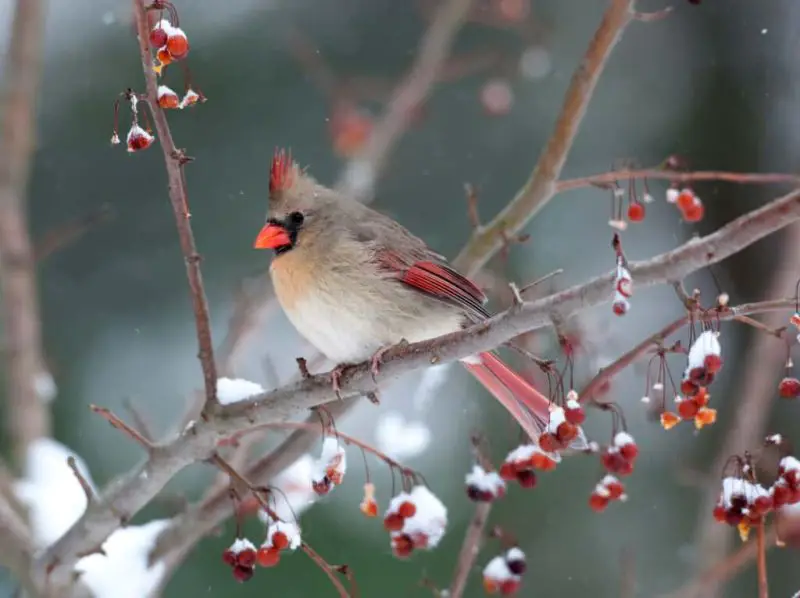
Winter in Maryland can feel long, sharp, and deeply challenging for wildlife. Frost settles across fields, snow blankets neighborhoods and forests, and cold winds sweep through woodlands and suburban backyards alike. Many birds migrate south to escape the harshest conditions, but Northern Cardinals stay. Their bright red feathers glow against snowy backgrounds, symbolizing life and endurance in the quiet winter landscape.
Remaining through winter means facing freezing nights, reduced food availability, shorter daylight, and constant energy demands. Cardinals survive not through strength alone, but through intelligent feeding behavior, dietary adaptation, and instinctive planning. Their winter diet becomes the foundation of survival, fueling warmth, movement, and day-to-day endurance.
This detailed guide explores what cardinals eat to survive Maryland’s coldest months, how their diet shifts compared to warmer seasons, where they find reliable food under snow and freezing conditions, and why their feeding habits benefit both ecosystems and backyard environments.
Table of Contents
- 1 How Maryland Winter Conditions Affect Cardinal Feeding
- 2 The Foundation of a Cardinal’s Winter Diet: Seeds
- 3 Berries and Fruits That Sustain Cardinals in Winter
- 4 Do Cardinals Eat Insects in Maryland Winters?
- 5 Nuts and Grains Add Powerful Winter Nutrition
- 6 How Cardinals Find Food Under Harsh Winter Conditions
- 7 Backyard Bird Feeders and Their Role in Winter Survival
- 8 Shrubs, Trees, and Winter Shelter Feeding Sites
- 9 How Cardinals’ Physical Adaptations Support Winter Eating
- 10 How Winter Diet Supports Health and Survival
- 11 Cardinals in Different Maryland Winter Environments
- 12 Challenges Cardinals Face During Maryland Winters
- 13 Environmental Importance of Cardinal Winter Feeding
- 14 FAQs about What Cardinals Eat to Survive Maryland’s Coldest Months
- 14.1 Do cardinals migrate out of Maryland in winter?
- 14.2 What do cardinals rely on most in winter?
- 14.3 Do cardinals still eat insects in winter?
- 14.4 Are berries important winter foods?
- 14.5 Do cardinals benefit from bird feeders?
- 14.6 Do cardinals need high-fat foods in winter?
- 14.7 Do they eat peanuts or suet?
- 14.8 Where are cardinals most likely to find food?
- 14.9 Do cardinals struggle in extreme Maryland winters?
- 14.10 Does their winter diet affect spring health?
- 15 Final Thoughts
How Maryland Winter Conditions Affect Cardinal Feeding
Cold Weather Changes Daily Needs
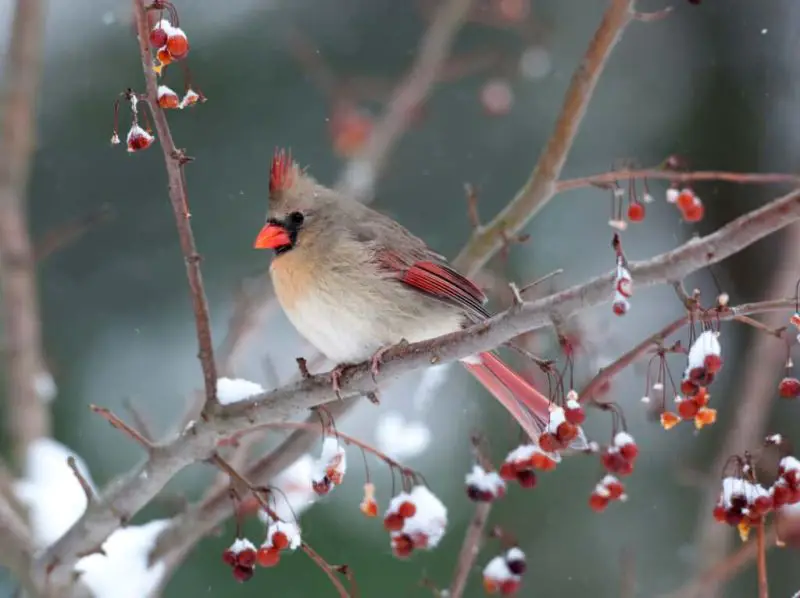
Winter in Maryland brings cold mornings, freezing windchill, snow and ice events, and long stretches where temperatures hover near or below freezing. Cardinals expend significant energy simply staying warm. This means their diet must provide sustained energy, fat content, and nutritional density rather than light or seasonal foods.
Their winter eating habits are built around maintaining strength, body heat, and consistent energy levels.
Snow Limits Natural Food Access
Once snow covers the ground, many natural food sources disappear or become harder to reach. Grass seeds, fallen grains, and insects are suddenly buried. Cardinals must rely on foods accessible above snow level or hidden under cover.
This pushes them toward shrubs, seed sources, berries, trees, and areas where previous plant growth remains available through winter months.
The Foundation of a Cardinal’s Winter Diet: Seeds
Seeds Provide Essential Winter Fuel
Seeds are the backbone of a Maryland cardinal’s winter survival strategy. They are rich in fat, protein, and calories, making them perfect for sustaining warmth and energy during the coldest nights and stormy periods.
Cardinals especially favor:
• sunflower seeds
• safflower seeds
• millet
• cracked corn
• mixed wild bird seeds
Their strong, cone-shaped beaks are designed to crack shells quickly, allowing efficient feeding even when temperatures drop.
Black Oil Sunflower Seeds Are Especially Important
Black oil sunflower seeds are one of the most valuable winter foods available to cardinals. They are:
• high in fat
• easy to crack
• energy dense
• still accessible in cold weather
In natural environments, cardinals seek wild seeds wherever possible. In suburban and urban environments, bird feeders provide steady and lifesaving access.
Berries and Fruits That Sustain Cardinals in Winter
Natural Winter Berries Hold Nutritional Value
Even after fall ends, many Maryland plants still retain fruits and berries through winter. Cardinals take advantage of these long-lasting resources, especially when seeds become limited or buried under snow.
Important winter berries include:
• dogwood berries
• sumac berries
• viburnum
• holly berries
• juniper berries
• crabapple fruit
These provide sugars, energy, and hydration support. They also help diversify the winter diet so cardinals avoid relying on a single food type.
Backyard and Landscaping Plants Help
Suburban Maryland landscapes often include ornamental shrubs and fruit-bearing plants that retain berries through winter months. These become unexpected but critical food resources when weather turns severe.
Shrubs near homes also offer shelter from wind while cardinals feed.
Do Cardinals Eat Insects in Maryland Winters?
Insects Become Rare, but Not Impossible
In warmer months, insects are a major food source for cardinals. Winter changes that dramatically. Insects go dormant, burrow deeper, or disappear beneath frozen layers.
However, in milder winter stretches or thaw periods, cardinals may find:
• dormant insects in bark
• hidden spiders
• overwintering beetles
• larval forms in protected places
These occasional protein boosts are useful, but insects are not a primary winter food source in Maryland.
Nuts and Grains Add Powerful Winter Nutrition
Supplemental Food for Strength
In natural and human-influenced environments, cardinals consume a variety of grain and nut-based foods in winter. This helps provide additional fat and long-lasting energy.
These include:
• shelled peanuts (pieces they can manage)
• cracked grains
• scattered field corn
• garden plant remnants
Grains and nuts support muscle strength, help maintain warmth, and carry cardinals through long, freezing nights.
How Cardinals Find Food Under Harsh Winter Conditions
Staying Low and Close to Cover
Cardinals rarely forage far out in open snowfields. Instead, they tend to stay close to shrubs, trees, hedges, and sheltered feeding areas. This strategy:
• conserves energy
• reduces exposure to predators
• limits wind and cold impact
• increases feeding efficiency
They choose feeding zones that balance safety and access.
Feeding During Strategic Times of Day
Cardinals commonly feed early in the morning and again before dusk. Morning feeding helps restore energy after a cold night, while evening feeding builds reserves for nightfall.
This timed feeding behavior is directly linked to winter survival.
Backyard Bird Feeders and Their Role in Winter Survival
Feeders Become Winter Lifelines
Across Maryland neighborhoods, bird feeders provide essential winter resources. Cardinals rely heavily on:
• tray feeders
• platform feeders
• hopper feeders
• ground feeding areas
They prefer open feeders that accommodate their body size rather than small hanging tube feeders designed for smaller birds.
Suet Provides Extra Energy
Though cardinals do not rely on suet as heavily as some species, they may still consume suet or suet-based blends, gaining valuable fat for warmth.
Suet becomes especially helpful during snowstorms and prolonged freezing weather.
Shrubs, Trees, and Winter Shelter Feeding Sites
Dense Vegetation Protects and Feeds
Dense bushes, evergreen cover, and layered shrubs not only guard against freezing wind but also trap seeds, berries, and natural debris cardinals can feed on.
Important habitats include:
• hedgerows
• evergreen stands
• brush piles
• woodland edges
• backyard landscapes
These areas also provide refuge from predators such as hawks.
How Cardinals’ Physical Adaptations Support Winter Eating
Specialized Beaks Built for Seeds
Their short, thick, triangular beaks efficiently crack hard shells and husks. This helps access nutrient-dense food other birds cannot manage easily.
Feathers Support Energy Retention
Their feathers insulate well, but effective insulation still relies on quality food intake. Good nutrition makes feathers more efficient at retaining warmth.
Strong Memory and Awareness
Cardinals remember feeding sites and revisit reliable winter food sources repeatedly, ensuring stability through rough weather intervals.
How Winter Diet Supports Health and Survival
Strengthens Body Heat Regulation
Fat-rich seeds and nuts provide sustained warmth. Sugars from berries supply quick bursts of energy.
Supports Flight and Mobility
Protein helps maintain muscle power, ensuring cardinals can escape predators, travel between feeding zones, and navigate winter storms.
Helps Them Reach Spring in Good Condition
A stable winter diet improves survival odds and supports successful breeding when warmer seasons return.
Cardinals in Different Maryland Winter Environments
Forested Regions
Forested Maryland landscapes supply natural berries, seeds, and sheltered feeding environments.
Suburban Areas
Residential regions provide bird feeders, ornamental berries, shrubs, and protected spaces.
Rural Farmland
Farm edges, barns, hedgerows, and field remnants offer grains, seeds, and wind-swept feeding zones.
Cardinals adapt effectively to each environment, balancing natural feeding with available human-influenced resources.
Challenges Cardinals Face During Maryland Winters
Severe Cold Snaps
Rapid drops in temperature create urgent energy demands.
Extended Snow Cover
Deep snow buries natural food, forcing reliance on shrubs and feeders.
Food Competition
Squirrels, other birds, and wildlife compete for limited food.
Despite these obstacles, cardinals remain remarkably resilient through instinct, adaptation, and steady winter food access.
Environmental Importance of Cardinal Winter Feeding
Supporting Seed Distribution
When cardinals feed, they help distribute seeds across landscapes, influencing plant spread.
Maintaining Winter Ecosystem Activity
Their presence keeps winter bird communities active and balanced.
Connecting Natural and Human Habitats
Cardinals thrive in spaces shared with people, reminding communities of nature’s persistence even in coldest months.
FAQs about What Cardinals Eat to Survive Maryland’s Coldest Months
Do cardinals migrate out of Maryland in winter?
Most do not. Cardinals remain year-round residents and adapt to winter conditions rather than migrating.
What do cardinals rely on most in winter?
Seeds such as sunflower seeds, safflower seeds, and grains form the core of their winter diet.
Do cardinals still eat insects in winter?
Yes, but rarely. Most insects are unavailable, so insects play a much smaller winter role.
Are berries important winter foods?
Absolutely. Many shrubs retain berries that cardinals depend on for sugars and supplemental energy.
Do cardinals benefit from bird feeders?
Yes. Feeders significantly help cardinals during freezing weather, especially when snow limits natural options.
Do cardinals need high-fat foods in winter?
Yes. Fat provides warmth and sustained energy, crucial during harsh cold.
Do they eat peanuts or suet?
They may eat shelled peanut pieces and sometimes suet blends, gaining additional winter calories.
Where are cardinals most likely to find food?
They feed near shrubs, trees, hedges, wood edges, and reliable backyard feeding stations.
Do cardinals struggle in extreme Maryland winters?
They face challenges, but strong adaptation, stored natural foods, and supplemental feeding environments help them survive.
Does their winter diet affect spring health?
Yes. A strong winter diet means better survival, stronger breeding success, and healthier spring populations.
Final Thoughts
Maryland’s coldest months test every creature that stays through winter, but cardinals meet the challenge with intelligence, instinct, and resilience. Seeds form the heart of their winter diet, but berries, grains, occasional insects, and supplemental feeder foods also play vital roles. Their ability to balance natural foods with available suburban resources allows them to thrive when snow falls and temperatures drop.
Cardinals do not endure winter passively. They navigate it skillfully, choosing protected feeding spots, conserving energy, and relying on nature’s hidden reserves. As winter eventually fades and spring warmth returns, these birds emerge strong, vibrant, and ready to fill Maryland landscapes with color and song once again — living proof that survival often depends on knowledge, adaptation, and the quiet strength to endure the hardest season.