
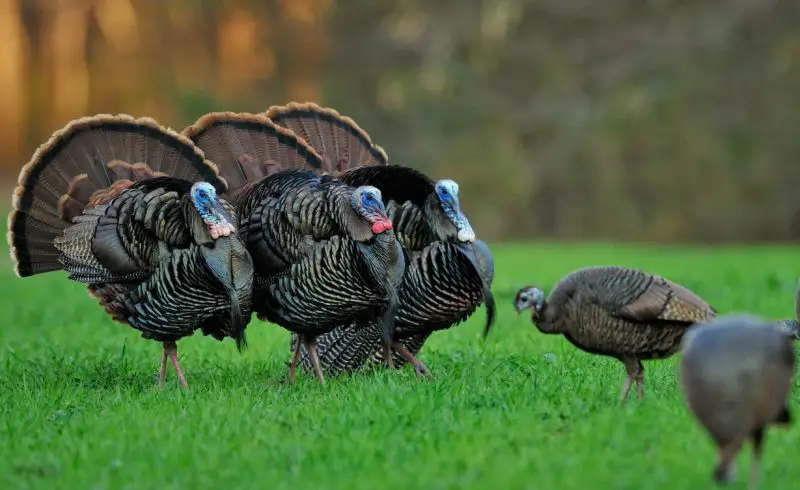
Across Texas, wild turkeys have become a familiar sight well beyond forests and ranch land. They now appear along suburban streets, golf courses, school grounds, and quiet neighborhoods. What draws the most attention is not their size or numbers, but their behavior. Large male turkeys suddenly fan their tails, puff their feathers, drag their wings, and strut slowly across lawns as if performing for an invisible audience.
For many Texans, these displays look aggressive, confusing, or even confrontational. Some people assume the birds are threatening pets or people. Others think they are lost, stressed, or acting abnormally because of development. In reality, these strange displays are a normal and essential part of wild turkey behavior, shaped by biology, season, and Texas landscapes.
This article explains what Texans are seeing, why these displays are happening so close to homes, and what the behavior actually means. Understanding the facts behind wild turkey courtship helps separate myth from reality and explains why neighborhoods across Texas have become unexpected stages for one of North America’s most dramatic wildlife rituals.
Table of Contents
- 1 Wild Turkeys Are Thriving Across Texas
- 2 What Those Strange Displays Actually Are
- 3 Why Courtship Displays Appear in Neighborhoods
- 4 Timing of Turkey Displays in Texas
- 5 Why Turkeys Display Repeatedly in the Same Spots
- 6 Displays Are About Dominance as Much as Attraction
- 7 Why Some Displays Look Aggressive to People
- 8 Reflections Play a Surprising Role
- 9 Why Turkeys Appear Unafraid of People
- 10 Displays Are Energy-Intensive but Necessary
- 11 Why Displays May Seem to Escalate
- 12 What Turkeys Are Not Doing
- 13 Why Texas Sees More Neighborhood Displays Than Some States
- 14 Female Turkeys Shape Where Displays Occur
- 15 How Long Neighborhood Displays Typically Last
- 16 How to Safely Coexist With Displaying Turkeys
- 17 Why Attacking or Harassing Turkeys Backfires
- 18 The Ecological Role of Wild Turkeys in Texas
- 19 Misconceptions Fueled by Social Media
- 20 Why Education Matters
- 21 What To Expect in Future Years
- 22 Frequently Asked Questions About Wild Turkey Displays in Texas
- 23 Final Thoughts
Wild Turkeys Are Thriving Across Texas
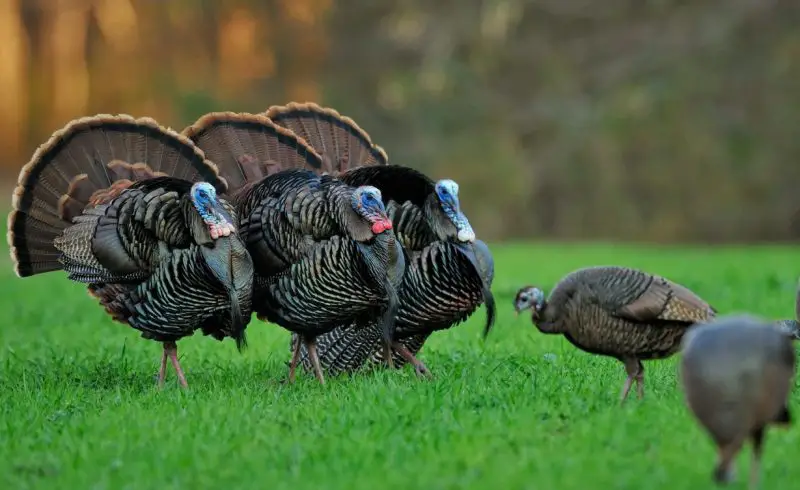
Texas supports one of the largest wild turkey populations in the United States. The state is home to both Eastern wild turkeys and Rio Grande wild turkeys, with Rio Grandes occupying much of central and western Texas. Successful conservation efforts, diverse habitats, and abundant food sources have allowed turkey numbers to expand steadily for decades.
As populations grow, turkeys naturally explore new areas. Suburban neighborhoods offer open spaces, scattered trees, watered lawns, and limited predators. These conditions closely resemble the edge habitats turkeys prefer in the wild. What looks like encroachment is often simple adaptation.
When turkeys move into neighborhoods, they do not leave their instincts behind. Their seasonal behaviors follow them, including courtship displays.
What Those Strange Displays Actually Are
The dramatic behavior Texans notice is known as courtship or breeding display behavior. It is performed almost exclusively by adult male turkeys, called toms or gobblers.
During these displays, a male turkey fans his tail into a broad semicircle, fluffs his body feathers to appear much larger, drops his wings so the tips scrape the ground, and struts in slow, deliberate steps. His head and neck change color, shifting between red, white, and blue as blood flow increases. Low-frequency sounds, subtle drumming, and occasional gobbles accompany the visual display.
This behavior is not aggression toward humans. It is a visual and physical performance meant to attract females and intimidate rival males.
Why Courtship Displays Appear in Neighborhoods
Wild turkeys display where they feel safe and visible. Open lawns, cul-de-sacs, park edges, and wide streets provide clear sightlines that allow males to show off their size and plumage.
In natural settings, turkeys display in open fields, forest clearings, or along ridgelines. Suburban landscapes unintentionally replicate these features. Trimmed grass replaces prairie openings. Driveways and sidewalks replace dirt paths. Ornamental trees offer roosting sites.
Texas neighborhoods often provide exactly what displaying males need during breeding season.
Timing of Turkey Displays in Texas
Most turkey displays in Texas occur between late February and early May, depending on region and weather. Southern Texas tends to see earlier activity, while northern areas experience peak displays slightly later.
This period coincides with longer daylight hours and rising temperatures. Hormonal changes trigger breeding behavior in males, causing them to display frequently and persistently.
Because breeding season aligns with spring outdoor activity for people, the behavior becomes highly visible. Texans walking dogs, gardening, or driving through neighborhoods encounter turkeys at the height of their display cycle.
Why Turkeys Display Repeatedly in the Same Spots
Many Texans notice turkeys returning to the same driveway, yard, or street corner day after day. This repetition is intentional.
Male turkeys establish display areas where they believe females are likely to pass through. These areas are chosen for visibility and safety rather than human presence. Once a male selects a display site, he may use it repeatedly throughout the season.
In neighborhoods, these sites often overlap with human spaces simply because they offer the same advantages as natural display areas.
Displays Are About Dominance as Much as Attraction
While courtship displays are designed to attract females, they also serve a second purpose. They communicate dominance to other males.
When multiple toms occupy the same area, displays help establish hierarchy. Larger, more confident males display more frequently and hold better positions. Subordinate males may display less aggressively or avoid dominant individuals altogether.
In Texas neighborhoods where multiple turkeys gather, residents may see extended strutting sessions as males compete silently through posture and presence rather than direct combat.
Why Some Displays Look Aggressive to People
To humans, a fully strutting turkey can look threatening. The bird appears much larger than normal, moves slowly and deliberately, and may face people directly.
This posture is not aimed at humans. The turkey is focused on potential mates or rivals. However, humans walking through the area can inadvertently place themselves within the bird’s display field.
When a turkey turns toward a person, it is often reacting to movement or reflective surfaces rather than challenging the individual.
Reflections Play a Surprising Role
One little-known fact about turkey displays is the role reflections play in triggering them. Male turkeys respond strongly to what they perceive as other turkeys.
Reflective surfaces such as car doors, windows, glass patio doors, and even shiny mailboxes can confuse turkeys. A male may see his reflection and interpret it as a rival.
This leads to prolonged strutting, wing dragging, and even pecking at vehicles or windows. In Texas neighborhoods with parked cars and glass surfaces, this behavior becomes common.
Why Turkeys Appear Unafraid of People
Wild turkeys in Texas neighborhoods often seem unusually bold. They walk slowly, ignore traffic, and show little fear of people.
This confidence develops because suburban environments typically lack natural predators like coyotes or bobcats during daylight hours. Over time, turkeys learn that people do not pose a direct threat.
Reduced fear does not mean aggression. It means the turkeys feel secure enough to perform natural behaviors openly.
Displays Are Energy-Intensive but Necessary
Courtship displays require significant energy. The physical strain of holding feathers flared, dragging wings, and maintaining posture is substantial.
Male turkeys compensate by feeding frequently. Neighborhood lawns, gardens, and bird feeders provide easy access to food. This abundance supports extended display periods.
Texas landscapes, especially irrigated suburban areas, offer a reliable energy supply during breeding season.
Why Displays May Seem to Escalate
Some residents report that turkey behavior becomes more intense as weeks pass. This perception is often accurate.
As breeding season progresses, competition increases. Males display more frequently and for longer periods. Hormone levels peak, and successful mating opportunities drive continued effort.
The intensity usually fades once breeding season ends.
What Turkeys Are Not Doing
Despite appearances, turkeys are not guarding territory from people. They are not attempting to attack pets deliberately. They are not confused or stressed by development in the way many assume.
The displays are not signs of rabies, disease, or abnormal behavior. They are healthy expressions of reproductive fitness.
Understanding what turkeys are not doing helps reduce unnecessary fear.
Why Texas Sees More Neighborhood Displays Than Some States
Texas combines large turkey populations with expansive suburban development. Many neighborhoods border open land, ranches, or greenbelts that turkeys already use.
Mild winters allow turkeys to remain active year-round. There is no long dormant period. Breeding behavior begins earlier and lasts longer in many regions.
These factors increase the likelihood of visible displays near homes.
Female Turkeys Shape Where Displays Occur
Hens play a critical role in where males choose to display. Females move through predictable routes between feeding and nesting areas.
Males position themselves along these paths. In neighborhoods, these routes may include sidewalks, drainage corridors, or grassy easements.
When hens begin nesting, male display behavior gradually declines.
How Long Neighborhood Displays Typically Last
Most intense display activity lasts six to eight weeks. Individual turkeys may continue strutting occasionally beyond this window, but frequency drops sharply.
By early summer, displays largely disappear. Turkeys become less visible as breeding concludes and focus shifts to feeding and brood rearing.
Residents often notice a sudden quiet after weeks of daily activity.
How to Safely Coexist With Displaying Turkeys
Maintaining distance is the most effective approach. Do not attempt to chase, corner, or interact with turkeys.
Avoid feeding them intentionally. Feeding encourages repeated visits and reduces natural wariness.
If a turkey fixates on reflective surfaces, covering or blocking reflections temporarily can help reduce displays.
Most importantly, allow time. The behavior is seasonal and temporary.
Why Attacking or Harassing Turkeys Backfires
Aggressive human responses often worsen the situation. Challenging a turkey can reinforce dominance behavior rather than stop it.
Turkeys interpret direct confrontation as competition. This may prolong displays or cause the bird to focus more attention on the area.
Calm avoidance sends no such signals.
The Ecological Role of Wild Turkeys in Texas
Beyond their displays, wild turkeys play an important ecological role. They consume insects, spread seeds, and contribute to ecosystem balance.
Their presence in neighborhoods reflects healthy populations and successful conservation.
What feels like inconvenience is often a sign of ecological success.
Misconceptions Fueled by Social Media
Videos of turkeys blocking traffic or pecking cars spread quickly online. These clips often lack context.
Without explanation, displays appear aggressive or threatening. The biological reality is rarely included.
This gap between appearance and explanation fuels misunderstanding.
Why Education Matters
Understanding turkey behavior helps communities respond appropriately. It reduces fear, prevents unnecessary conflict, and promotes coexistence.
Informed residents are less likely to provoke birds or demand removal during normal seasonal behavior.
Education transforms surprise into appreciation.
What To Expect in Future Years
As turkey populations remain strong, Texans can expect these displays to continue appearing in neighborhoods each spring.
Urban expansion and habitat overlap will likely increase encounters rather than reduce them.
Awareness prepares residents for what to expect.
Frequently Asked Questions About Wild Turkey Displays in Texas
Are wild turkeys dangerous to people
Wild turkeys rarely pose a threat. Most displays are not directed at humans.
Why do turkeys chase cars or reflections
They mistake reflections for rival males and respond instinctively.
Do turkeys remember people
They respond to behavior rather than individual identity.
When will the displays stop
Most displays fade by early summer as breeding season ends.
Should animal control remove displaying turkeys
Removal is rarely necessary for normal seasonal behavior.
Do only male turkeys display
Yes. Females do not perform courtship displays.
Why are turkeys in my neighborhood every year
They return to successful display areas where conditions remain favorable.
Final Thoughts
Those strange wild turkey displays showing up around Texas neighborhoods are not signs of aggression or confusion. They are ancient behaviors unfolding in modern settings.
Turkeys are doing what they have always done. They are displaying strength, health, and readiness to breed. Texas neighborhoods simply provide a new stage.
Understanding the facts behind these displays replaces fear with clarity. When people know what they are seeing, the behavior becomes less alarming and more fascinating.
In Texas, spring belongs not only to flowers and warm weather, but also to one of North America’s most remarkable wildlife performances.