
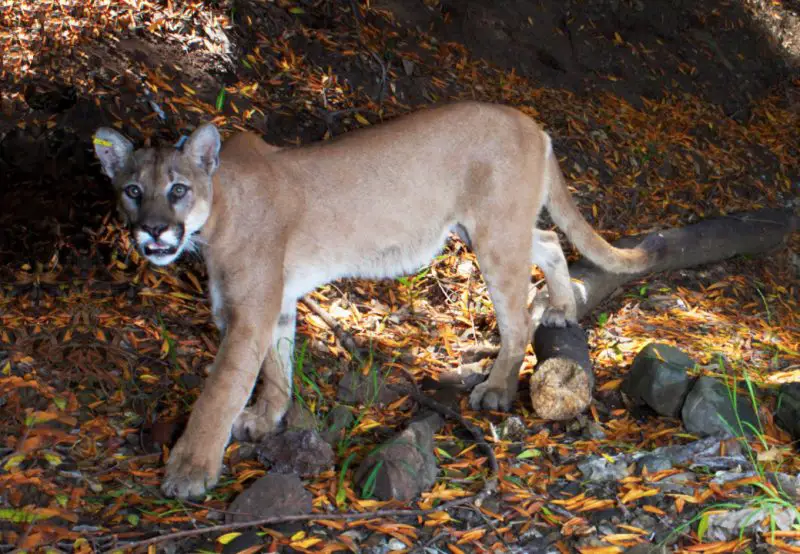
Across deserts, mountain ranges, canyon systems, and forested highlands of New Mexico, mountain lions move through the landscape in ways most people never see. Sightings are rare. Tracks vanish quickly. Yet these apex predators travel enormous distances, often passing astonishingly close to homes, ranches, roads, and towns without being detected.
Mountain lions are not roaming randomly. They rely on hidden corridors—natural travel routes shaped by terrain, prey movement, cover, and human development. These corridors allow them to hunt, migrate, disperse, and survive in one of the most ecologically complex states in the country.
This article explores, in deep detail, the hidden corridors mountain lions use in New Mexico. Not just where they go, but why these paths exist, how they remain invisible, and what their presence reveals about the landscape itself.
Table of Contents
- 1 Why Corridors Matter More Than Territory
- 2 New Mexico’s Landscape Creates Natural Highways
- 3 Canyons as Primary Travel Routes
- 4 Ridgelines and Elevated Corridors
- 5 Dry Washes and Arroyos
- 6 Vegetation Lines as Invisible Pathways
- 7 Prey Movement Defines Corridor Use
- 8 Water Sources as Anchors
- 9 How Mountain Lions Cross Roads Without Being Seen
- 10 Corridors Near Homes and Ranches
- 11 Nighttime Movement and Corridor Timing
- 12 How Young Mountain Lions Learn Corridors
- 13 Human Development and Corridor Compression
- 14 Corridors and Genetic Health
- 15 Why Corridors Often Go Unnoticed
- 16 Seasonal Corridor Shifts
- 17 Corridors in Desert vs Mountain Regions
- 18 Conflict Myths and Corridor Reality
- 19 Protecting Corridors Without Removing Lions
- 20 What Corridors Reveal About New Mexico
- 21 Living Alongside Hidden Corridors
- 22 FAQs About Mountain Lion Corridors in New Mexico
- 23 Final Thoughts
Why Corridors Matter More Than Territory
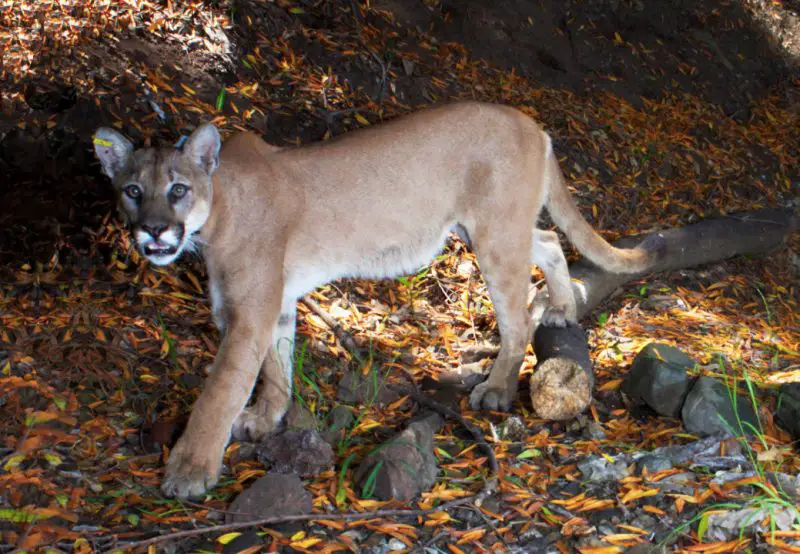
Mountain lions are often described as territorial animals, and they are. But territory alone does not explain their movement.
Corridors connect territories. They allow safe passage between hunting grounds, water sources, breeding areas, and seasonal ranges. Without corridors, even large territories become ecological islands.
In New Mexico, where habitats shift dramatically over short distances, corridors are essential for survival.
New Mexico’s Landscape Creates Natural Highways
New Mexico’s geography is uniquely suited to corridor travel.
Deserts give way to foothills. Foothills rise into mountain ranges. Forests break into mesas and canyons. These transitions create natural funnels that guide movement.
Mountain lions prefer routes that offer three things: cover, elevation advantage, and prey access. New Mexico provides all three in abundance.
Rather than crossing open ground, lions follow terrain that shields them from view while maximizing efficiency.
Canyons as Primary Travel Routes
Canyons are among the most important corridors mountain lions use.
They provide shade, water drainage, and natural concealment. Game trails often run along canyon floors and benches, creating predictable prey movement.
In arid regions, canyons also concentrate moisture, increasing vegetation and prey density. A lion traveling a canyon can hunt, rest, and move with minimal exposure.
Even narrow canyons near developed areas may be used repeatedly without detection.
Ridgelines and Elevated Corridors
Not all corridors are low.
Mountain lions often travel ridgelines, especially at night or during cooler periods. Elevated routes allow wide visibility and early detection of prey or threats.
In mountainous regions of New Mexico, ridges connect valleys like invisible bridges. Lions move along these high points, dropping down only when necessary.
Ridgelines also reduce scent pooling, making it harder for prey or competitors to detect them.
Dry Washes and Arroyos
In desert and semi-arid regions, dry washes and arroyos serve as critical corridors.
These channels cut through open terrain, offering lower elevation, shade, and vegetation. Even when dry, they guide movement naturally.
Arroyos often intersect roads, ranchlands, and subdivisions, allowing lions to pass through human-dominated areas unnoticed.
Tracks may appear briefly after rain, then vanish again.
Vegetation Lines as Invisible Pathways
Mountain lions rely heavily on cover.
In New Mexico, even thin vegetation lines can function as corridors. Riverbanks. Fence lines with brush. Tree rows along irrigation ditches.
These linear features allow lions to move across open landscapes without exposing themselves. Prey species use the same routes, reinforcing their value.
To humans, these areas look insignificant. To a mountain lion, they are highways.
Prey Movement Defines Corridor Use
Mountain lions follow prey.
Mule deer, elk, javelina, and smaller mammals move along predictable routes between feeding and bedding areas. Lions learn these patterns and align corridors accordingly.
In New Mexico, seasonal prey movement strongly influences corridor use. Winter pushes prey to lower elevations. Summer draws them upward.
Corridors shift subtly with these movements but rarely disappear.
Water Sources as Anchors
Water shapes corridor networks.
Springs, seeps, stock tanks, and seasonal streams act as anchor points. Corridors often connect one water source to another.
Even artificial water sources created for livestock can become part of a mountain lion’s travel system.
In drought conditions, these routes become even more critical.
How Mountain Lions Cross Roads Without Being Seen
Roads are major barriers for many animals, but mountain lions have adapted.
They cross at specific points where visibility is limited. Curves. Cuts. Culverts. Low-traffic stretches. Bridges over washes.
These crossing points often align with existing corridors, allowing lions to maintain route continuity.
Most people drive past these locations daily without realizing how frequently they are used.
Corridors Near Homes and Ranches
One of the most surprising facts about mountain lions in New Mexico is how close their corridors run to human structures.
Backyards bordering arroyos. Ranch roads following fence lines. Greenbelts near subdivisions. These features often overlap with lion routes.
The lions are not attracted to homes. They are passing through along established corridors that existed before development.
This proximity is usually invisible unless captured on trail cameras.
Nighttime Movement and Corridor Timing
Mountain lions are primarily crepuscular and nocturnal.
They time corridor use to avoid human activity. Late night. Pre-dawn. Quiet hours after storms.
By adjusting timing rather than location, lions maintain access to corridors even as human presence increases.
This temporal adaptation is one reason encounters are rare.
How Young Mountain Lions Learn Corridors
Dispersing juveniles rely heavily on corridors.
After leaving their mother, young lions must travel long distances to establish territories. Corridors provide safe passage through unfamiliar terrain.
Those that fail to find connected corridors face higher mortality from starvation, conflict, or vehicle strikes.
Successful dispersal depends on intact corridor networks.
Human Development and Corridor Compression
Development does not always eliminate corridors. Often, it compresses them.
As open land disappears, lions concentrate movement along remaining strips. This increases corridor importance and usage frequency.
Compressed corridors may increase the chance of detection but also increase the cost of losing them.
Understanding this dynamic is key to coexistence.
Corridors and Genetic Health
Corridors are not just travel routes. They are genetic lifelines.
They allow individuals to move between populations, reducing inbreeding and increasing genetic diversity.
In fragmented landscapes, corridor loss can lead to isolated populations even when habitat appears abundant.
New Mexico’s wide-open spaces still support connectivity, but pressure is increasing.
Why Corridors Often Go Unnoticed
Mountain lions are masters of invisibility.
They move silently. They pause often. They use shadows. They avoid direct lines of sight.
Even when using corridors daily, signs may be subtle. A faint track. A disturbed stone. A brief camera image.
Most people never realize how close these animals pass.
Seasonal Corridor Shifts
While core corridors remain stable, seasonal shifts occur.
Snowpack, heat, prey movement, and water availability cause subtle route changes. Lions adapt by switching between parallel corridors rather than abandoning areas entirely.
This flexibility allows year-round movement across diverse habitats.
Corridors in Desert vs Mountain Regions
Desert corridors emphasize shade, washes, and vegetation. Mountain corridors emphasize elevation, cover, and prey trails.
In New Mexico, lions often transition between these systems seamlessly, using foothills as connectors.
This layered corridor network is one reason the state supports stable lion populations.
Conflict Myths and Corridor Reality
Corridors do not mean danger.
Mountain lions using corridors near homes are usually passing through, not hunting people. Attacks are extremely rare.
Understanding corridor use reduces fear and replaces it with awareness.
Most conflicts arise when corridors are disrupted, forcing lions into unfamiliar routes.
Protecting Corridors Without Removing Lions
Removing lions does not remove corridors.
Other lions will use the same routes if habitat remains. Effective management focuses on protecting connectivity rather than eliminating animals.
Land planning, wildlife crossings, and habitat buffers preserve corridors naturally.
What Corridors Reveal About New Mexico
Mountain lion corridors reveal where landscapes still function.
They show where prey thrives, where water persists, and where human pressure remains manageable.
Lions are not shaping the land. They are reading it.
Living Alongside Hidden Corridors
Most New Mexicans already live alongside these corridors unknowingly.
Simple practices reduce overlap. Securing livestock. Supervising pets. Maintaining clear sightlines near homes.
Awareness, not fear, is the key.
FAQs About Mountain Lion Corridors in New Mexico
Do mountain lions live near towns in New Mexico?
They often pass near towns using natural corridors but rarely stay.
Are corridors used every day?
Some are used frequently, others seasonally.
Do roads stop mountain lions?
No. Lions adapt by crossing at specific points.
Are corridors always visible?
Most are subtle and blend into the landscape.
Do mountain lions use the same corridors for years?
Yes. Successful routes may be used for generations.
Can corridors be relocated?
Lions may adapt, but losing corridors increases risk.
Why are sightings increasing?
Better cameras and development near corridors increase visibility.
Final Thoughts
The hidden corridors mountain lions use in New Mexico are not secret passages carved deliberately into the land. They are the natural result of terrain, prey movement, water, and cover aligning in predictable ways.
Mountain lions follow these corridors with precision, timing their movements to remain unseen while maintaining access to everything they need to survive.
Once you understand corridors, mountain lion presence feels less mysterious and far more logical. They are not appearing out of nowhere. They are moving through a landscape they have always known—quietly, efficiently, and largely out of sight.