
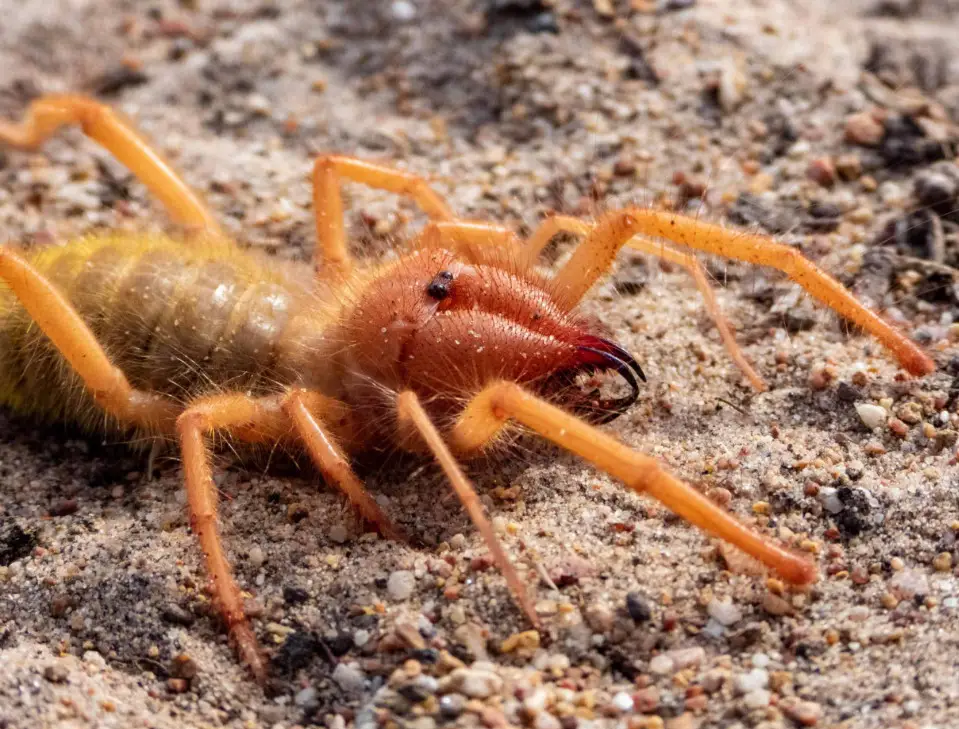
Texas is home to some of the toughest, strangest, and most intimidating desert and prairie creatures in the United States. From rattlesnakes and scorpions to tarantulas, centipedes, and huge beetles, wildlife here always captures attention. But one desert predator confuses and scares people more than most simply because it looks wild, moves incredibly fast, and appears mostly at night. That creature is the sunspider, also known as a camel spider or wind scorpion.
Texas residents see them in garages, barns, rural houses, porches, and open desert landscapes. They look huge. They run faster than many insects. They have massive jaws. They seem aggressive. And they carry a dark reputation thanks to dramatic online stories. Many Texans quietly ask the same question when they encounter one crawling across the ground at night:
Are sunspiders in Texas really dangerous, or are they just scary-looking desert hunters?
This detailed guide explains everything Texas residents should know. What sunspiders really are. Why they look so intimidating. Where they live. How fast they move. Whether they bite. How painful their bites are. Who is at risk. When they are most active. And how to coexist calmly with these strange night creatures without panic.
Table of Contents
- 1 What Exactly Is a Sunspider?
- 2 Why Are They Called Sunspiders or Wind Scorpions?
- 3 What Do Sunspiders Look Like?
- 4 Where Do Sunspiders Live in Texas?
- 5 Why Do Sunspiders Scare So Many Texans?
- 6 Do Sunspiders Chase People?
- 7 How Fast Are Sunspiders Really?
- 8 Do Sunspiders Bite?
- 9 Are Sunspiders Venomous?
- 10 How Painful Is a Sunspider Bite?
- 11 Are Sunspider Bites Dangerous?
- 12 What To Do If Bitten by a Sunspider
- 13 Are Sunspiders Aggressive?
- 14 When Are Sunspiders Most Active in Texas?
- 15 Where Texans Most Often Encounter Them
- 16 Do Sunspiders Enter Homes?
- 17 Are Pets at Risk?
- 18 Are Sunspiders Beneficial?
- 19 Biggest Myths About Sunspiders Texans Should Ignore
- 20 Why People Rarely Expect Them Until They Panic
- 21 How Texans Can Avoid Sunspider Problems
- 22 Why They Deserve Respect Instead of Panic
- 23 The Reality Texas Residents Should Accept
- 24 FAQs About Sunspiders in Texas
- 25 Final Thoughts
What Exactly Is a Sunspider?
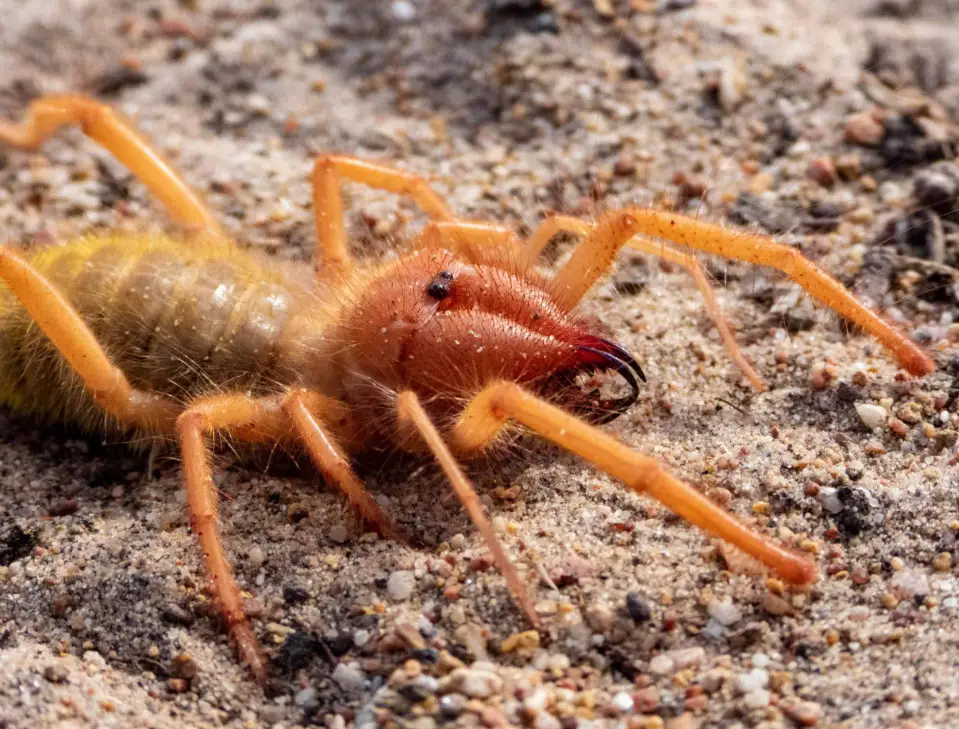
A sunspider belongs to the arachnid group called Solifugae. They are not true spiders, even though many people assume they are. They are also not true scorpions, even if their nickname “wind scorpion” suggests otherwise. Instead, they form their own special type of desert-adapted predator.
Sunspiders have:
• eight legs like other arachnids
• powerful jaws called chelicerae
• a segmented body
• high mobility and speed
• strong sensory hairs
• an upright head posture that makes them look alert
They do not spin webs.
They do not have venom like many spiders.
They do not possess stingers like scorpions.
They rely on speed, power, and sharp jaws to capture prey. They are strictly predators, feeding on insects and sometimes small lizards or other arthropods.
Why Are They Called Sunspiders or Wind Scorpions?
Their names come from behavior and appearance, not biology.
They are called sunspiders because they live in hot, arid regions where sunshine dominates most of the year. In Texas, they thrive in desert regions, scrubland, prairie environments, and hot rural territories.
They are sometimes called wind scorpions because they run incredibly fast — so fast that it almost looks like the wind is pushing them. They can sprint across ground, rocks, and sand with unbelievable speed, which is often what scares people most.
Their speed feels like aggression. But in most cases, it is simply survival instinct.
What Do Sunspiders Look Like?
Texas sunspiders are unforgettable once you see one up close. They often appear:
• tan or sandy colored
• thick-bodied
• with long, fast-moving legs
• equipped with large forward-facing jaws
• intimidating in stance and movement
Their jaws are huge compared to many insects. These jaws are designed to grab prey, tear flesh, and feed efficiently. When seen in light, sunspiders can look almost alien. Their movements are sharp, controlled, and purposeful.
They typically grow a few inches long, but their leg span makes them appear even larger. Many Texans seeing one for the first time assume they are looking at some new terrifying species. In reality, sunspiders have lived here long before people ever settled these lands.
Where Do Sunspiders Live in Texas?
Texas provides perfect habitat for sunspiders. They thrive in:
• desert regions of West Texas
• the Texas Panhandle
• scrubland and semi-arid environments
• rural farmland
• rocky terrain
• sandy environments
• prairie regions
They prefer hot, dry environments with places to hide. During the day, they avoid burning sun by hiding in:
• burrows
• cracks in soil
• under rocks
• beneath boards or debris
• inside sheds or barns
• under patio furniture
• in garages
When nighttime arrives and temperatures drop, they come out to hunt. That is why many people encounter them unexpectedly in the evening or early morning when walking outside or turning on porch lights.
Why Do Sunspiders Scare So Many Texans?
Fear is natural when something unfamiliar moves fast and looks powerful. Sunspiders trigger fear because of three main traits:
First, they look intimidating. Their jaws are large. Their stance appears aggressive. Their body looks like a hybrid of several scary creatures.
Second, they move incredibly fast. Humans instinctively fear fast movement in the dark. A creature sprinting toward your feet at night creates immediate panic.
Third, myths exaggerate their danger. Online stories and dramatic rumors amplify their reputation. People hear terrifying claims before ever seeing the real truth. Fear spreads faster than facts.
Once people learn what sunspiders truly are, most of that fear fades and becomes respect instead.
Do Sunspiders Chase People?
Many Texas residents swear sunspiders chase them. In reality, something else is happening. Sunspiders often run toward shade or cooler areas. When a person casts a shadow, the sunspider may run toward that shade — which feels like pursuit.
Sometimes they run toward people because:
• your shadow provides heat relief
• your body blocks harsh sunlight or heat
• they panic and choose the nearest shelter
• they are simply fleeing in a random direction
They do not chase humans to attack. They chase cooler places to survive.
How Fast Are Sunspiders Really?
They are very fast. Their speed is one of the reasons they survive in harsh environments. Speed helps them:
• catch prey quickly
• escape predators
• avoid overheating
• navigate rough terrain
In desert landscapes, slow creatures do not last long. Sunspiders developed powerful legs and explosive sprinting ability because nature demands it.
When Texans see a sunspider sprinting across a porch or desert floor, panic is understandable. But speed alone does not equal aggression. Speed equals survival tool.
Do Sunspiders Bite?
Yes, they can bite. Their jaws are incredibly strong for their size. They can pinch down hard enough to cause pain, break skin, and create bleeding. Most bites occur only when:
• someone tries to handle them
• they are trapped in clothing
• they are stepped on
• they feel cornered
• they are pressed against skin accidentally
They do not wander around biting people randomly. They are defensive biters, not attackers.
Are Sunspiders Venomous?
No. This is one of the biggest myths. Sunspiders do not possess venom glands like many spiders. They do not inject venom. They rely strictly on mechanical power — crushing jaws and tearing strength.
That does not mean a bite is pleasant. It can still hurt badly. But it is not the same as being envenomated by a venomous spider.
How Painful Is a Sunspider Bite?
Their bite can be:
• sharp
• deeply painful
• surprising
• capable of breaking skin
• sometimes leading to swelling
Pain varies depending on:
• bite location
• size of the sunspider
• pressure applied
• individual sensitivity
Most bites hurt intensely at first, then gradually calm down. The biggest long-term risk is infection if the wound is not cleaned.
Are Sunspider Bites Dangerous?
For most healthy adults, bites are painful but not medically serious. However, complications may occur such as:
• infection from bacteria entering open wounds
• allergic reaction in sensitive individuals
• swelling
• tenderness
If a child, elderly person, or someone with compromised health is bitten, closer monitoring is wise. Severe reactions, fever, spreading redness, or unusual symptoms should be evaluated by medical professionals.
What To Do If Bitten by a Sunspider
If bitten, stay calm and treat it like a puncture wound.
Wash the bite area thoroughly with soap and water.
Apply antiseptic.
Use a cold compress to reduce swelling.
Avoid scratching or squeezing the area.
Seek medical care if:
• swelling becomes severe
• signs of infection appear
• pain worsens instead of improving
• allergic reactions develop
Most bites resolve with basic care.
Are Sunspiders Aggressive?
No. They are defensive and reactive, not truly aggressive toward humans. They do not stalk people. They do not launch planned attacks. They only defend themselves when they feel trapped or threatened.
Their confident stride and fast reaction speed make them appear aggressive, but their natural instinct is to avoid conflict with large animals like humans.
When Are Sunspiders Most Active in Texas?
They are primarily nocturnal or crepuscular, meaning they are most active:
• at night
• at dusk
• during early morning
• in cooler evening temperatures
During the day, Texas heat can be deadly to them. So they hide in shaded, protected areas until temperatures drop. That is exactly when most encounters happen — when people walk into garages at night or turn on porch lights and suddenly see something fast darting across the ground.
Where Texans Most Often Encounter Them
Texas residents often find sunspiders in everyday situations such as:
• barns
• sheds
• garages
• under porch furniture
• around patios
• crawling across driveways
• in rural homes
• near livestock structures
• desert hiking trails
They like places with insects to hunt and hidden shelter areas. Human environments often provide both.
Do Sunspiders Enter Homes?
Sometimes, yes. They may wander indoors accidentally while chasing prey, looking for shelter, or exploring. Indoor sightings typically occur in:
• basements
• garages
• laundry rooms
• ground-level entry points
They do not infest homes like roaches or ants. They do not breed indoors regularly. Most simply want to leave once inside.
If one enters, gently guide it out or trap it in a container and release it outside. Avoid crushing with bare hands.
Are Pets at Risk?
Curious dogs and cats may attempt to play with or attack sunspiders. Pets can get bitten if they put their nose close or attempt to catch one. Most pet bites cause:
• pain
• swelling
• distress
Veterinary care may be necessary if:
• swelling worsens
• infection occurs
• the pet shows unusual behavior
Teaching pets not to chase fast-moving insects helps prevent incidents.
Are Sunspiders Beneficial?
Yes. They are incredibly beneficial predators. They help control:
• roaches
• beetles
• crickets
• spiders
• scorpions
• small pests
• sometimes even small snakes or lizards (rare but possible)
They reduce unwanted pest populations naturally. Farmers appreciate them. Ranchers benefit from their hunting ability. Natural pest control beats chemical spraying in many rural regions.
They may look frightening, but their role is positive.
Biggest Myths About Sunspiders Texans Should Ignore
Myth: They are deadly to humans
Truth: Painful, yes. Deadly, extremely unlikely.
Myth: They have venom like spiders
Truth: They have no venom glands.
Myth: They chase humans to attack
Truth: They run toward shade or safety, not to harm people.
Myth: They scream loudly
Truth: Many online claims exaggerate reality.
Myth: They grow massive and unstoppable
Truth: They can look large, but legends make them sound enormous.
Understanding truth reduces fear dramatically.
Why People Rarely Expect Them Until They Panic
Most Texans think about rattlesnakes, scorpions, or tarantulas when imagining desert threats. Sunspiders are not talked about as often. So when one appears sprinting across a garage at night, people panic simply because they were not expecting it.
Knowledge changes everything. When you know what they are, fear becomes curiosity instead of terror.
How Texans Can Avoid Sunspider Problems
Living in Texas means sharing space with wildlife. Complete avoidance is impossible, but preventing stressful encounters is realistic. These numbered tips help:
-
Avoid handling sunspiders with bare hands.
-
Shake out shoes, towels, or bedding stored in garages or sheds.
-
Seal cracks and gaps around doors and foundation areas.
-
Reduce piles of junk and debris where they can hide.
-
Teach children not to chase or touch strange creatures.
These habits reduce surprise encounters and keep everyone safer.
Why They Deserve Respect Instead of Panic
Sunspiders look fierce because they are built for intense environments. Texas landscapes demand toughness. Sunspiders embody desert survival — speed, strength, and resilience. They maintain nature’s balance by controlling strong pest populations that would otherwise grow unchecked.
Fear causes people to kill what they do not understand. Respect encourages safer coexistence. Texas wildlife requires that balanced mindset.
The Reality Texas Residents Should Accept
Sunspiders in Texas are:
strange-looking desert predators
incredibly fast night hunters
capable of painful bites
not venomous
rarely truly dangerous
important to ecosystems
Living in Texas means living alongside creatures that surprise, shock, and impress. Sunspiders are part of that identity. Instead of fear, awareness gives Texans confidence. Instead of panic, knowledge brings calm.
Texas remains wild in many ways — and that is part of its beauty.
FAQs About Sunspiders in Texas
Are sunspiders dangerous to humans?
They can deliver painful bites but are not typically life-threatening and do not carry venom.
Do sunspiders chase people?
They usually run toward shade or cooler areas, which can make it seem like they are chasing people.
Where are sunspiders found in Texas?
Deserts, rural areas, farmland, scrubland, prairies, garages, barns, and outdoor structures.
When are they most active?
Mostly at night, during dusk, and in early morning when temperatures are cooler.
Do they enter homes?
Occasionally, but not commonly, and they usually enter by accident.
Are pets at risk?
Pets may get bitten if they try to play with or attack one, which can be painful but rarely life-threatening.
Should residents kill sunspiders?
No. They are beneficial predators and play an important role in controlling pests. Leaving them alone is best.
Final Thoughts
Sunspiders in Texas may look frightening, but much of that fear comes from misunderstanding. They are fast. They are powerful. Their jaws look threatening. But they are not venomous monsters hunting people. They are desert survivors doing exactly what nature designed them to do — hunt pests, balance ecosystems, and thrive in one of the toughest environments in America.
Texas residents do not need fear to stay safe around sunspiders. Awareness, respect, and calm behavior work far better. Avoid handling them. Teach children caution. Protect pets. Maintain yards and buildings.
Once Texans understand sunspiders fully, they stop seeing them as horror creatures and start recognizing them as impressive night hunters — strange, startling, but ultimately just another fascinating piece of Texas wildlife, deserving of space, respect, and appreciation for the important role they play in the natural world.