
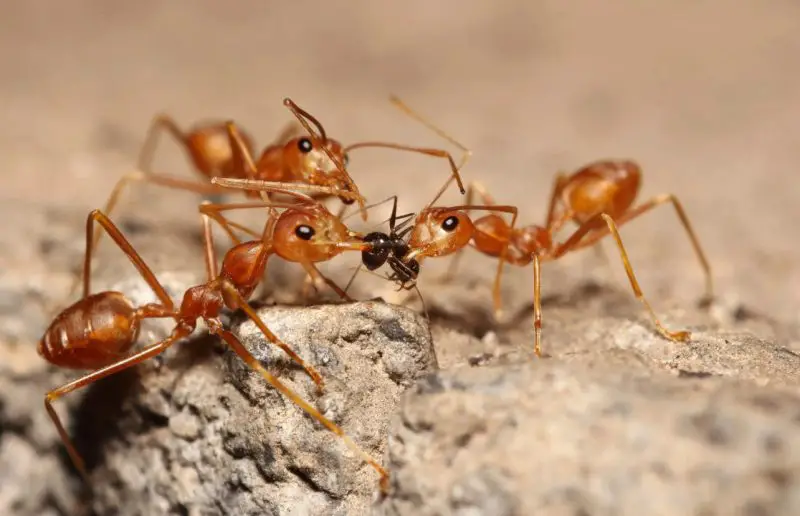
Florida is famous for sunshine, beaches, palm trees, and beautiful outdoor living. Unfortunately, it is also home to one of the most aggressive and painful insects in North America — the fire ant. These ants may be small, but anyone who has ever stepped on a mound, brushed against a nest, or been swarmed by them understands just how shocking and dangerous they can be. Their sting burns, itches, swells, and sometimes leads to serious medical reactions. They attack in groups, climb quickly, and deliver pain that feels far worse than their tiny size suggests.
Fire ants live in neighborhoods, parks, farms, forests, playgrounds, gardens, schoolyards, and everywhere people enjoy outdoor life in Florida. Many residents do not realize how widespread they truly are until an encounter happens. Then it becomes unforgettable. Understanding fire ants is not about fear; it is about awareness, safety, and knowing how to protect yourself, your family, and your pets.
This detailed guide explains what fire ants are, why they are such a serious problem in Florida, how they behave, what their stings actually do, who is at risk, how to recognize mounds, and how to reduce encounters safely and responsibly.
Table of Contents
- 1 What Exactly Are Fire Ants?
- 2 Where Fire Ants Live in Florida
- 3 Why Fire Ants Are Considered Dangerous
- 4 The Painful Truth About Fire Ant Stings
- 5 Are Fire Ant Stings Dangerous to Health?
- 6 Why Fire Ants Are So Aggressive
- 7 How To Recognize a Fire Ant Mound
- 8 Where Florida Residents Most Often Get Stung
- 9 Pets and Fire Ants in Florida
- 10 Why Fire Ants Thrive in Florida
- 11 Are Fire Ants Only a Rural Problem?
- 12 How To Treat Fire Ant Stings at Home
- 13 When Fire Ant Stings Become a Medical Emergency
- 14 How To Reduce Fire Ant Risk Around Your Florida Home
- 15 Are Fire Ants Good for Anything?
- 16 Why Many People Underestimate Fire Ants
- 17 Fire Ants and Florida’s Outdoor Lifestyle
- 18 Do Fire Ants Enter Houses?
- 19 The Reality Florida Residents Should Accept
- 20 FAQs About Fire Ants in Florida
- 21 Final Thoughts
What Exactly Are Fire Ants?
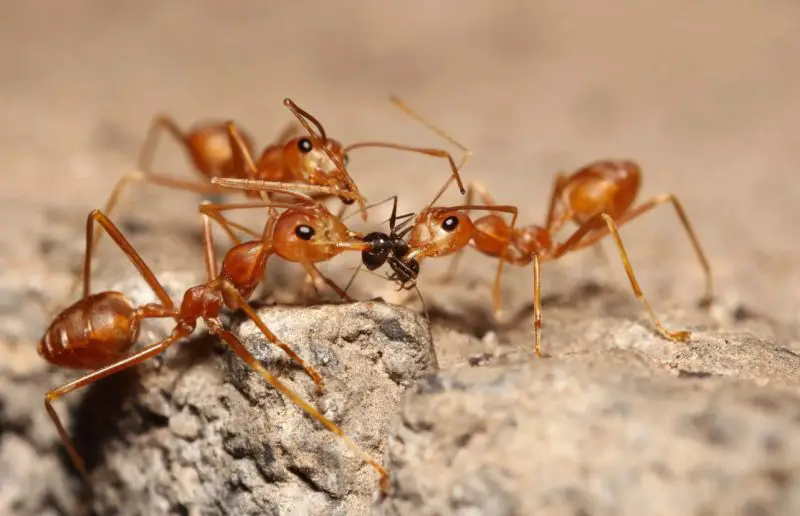
Fire ants are aggressive stinging ants originally from South America. Over time, they spread into the southern United States, and Florida quickly became one of their strongest strongholds. The most problematic species is the red imported fire ant, known for its aggressive behavior and painful stings.
They live in large colonies with thousands of ants. Each colony is usually ruled by one queen, although some have multiple queens, making control even more difficult. These ants constantly expand territory, establish new mounds, and search aggressively for food and shelter.
Fire ants are not content to simply share Florida’s land. They dominate it. They push out native ants, disrupt ecosystems, damage lawns, threaten wildlife, and put humans at risk.
Where Fire Ants Live in Florida
Fire ants thrive in Florida because the environment gives them everything they need. Warm temperatures, moist soil, and year-round food sources support huge populations. You can find them almost everywhere outdoors.
Common locations include:
• backyards and gardens
• parks and playgrounds
• sidewalks and field edges
• school lawns
• farms and fields
• golf courses
• road edges
• potted plants and landscaping beds
They build mounds rather than open nests. These mounds can be dome-shaped and vary in size from small bumps to large hills more than a foot high. Some are obvious. Others hide under grass or plants, almost invisible until stepped on — and stepping on one is the fastest way to learn the meaning of the word “fire” in fire ant.
Why Fire Ants Are Considered Dangerous
Many people think all ants are harmless. Fire ants quickly change that belief. They are dangerous because they:
• bite to hold on
• sting multiple times
• inject venom
• attack in large numbers
• swarm quickly
• defend territory aggressively
When disturbed, hundreds of ants can crawl up your legs in seconds. They wait a brief moment, then sting almost simultaneously. That synchronized attack is what makes the experience overwhelming and painful.
For most people, stings cause:
• burning pain
• itching
• swelling
• raised welts that turn into white pus-filled pustules
These pustules can scar if scratched or infected.
For others, reactions can be far worse.
The Painful Truth About Fire Ant Stings
People who have felt a fire ant sting rarely forget it. The pain starts as a sharp burning sensation, often compared to a match being pressed against the skin. Then it throbs, swells, and itches intensely. Some stings hurt for hours. The itching can last days.
Fire ants bite first to hold onto the skin. Then they use their stinger to inject venom multiple times. One ant can sting repeatedly, and dozens may sting at once. That is why one accidental step on a mound can lead to dozens of painful welts.
The venom causes:
• intense local irritation
• swelling
• itching and burning
• formation of pustules within a day
Many people experience secondary infection because scratching breaks the skin. Keeping stings clean and resisting the urge to scratch helps healing.
Are Fire Ant Stings Dangerous to Health?
For many people, stings are painful but manageable. However, for some individuals, fire ant stings are medically serious and can even be life-threatening.
Severe allergic reactions can occur. Symptoms may include:
• difficulty breathing
• swelling of the face, tongue, or throat
• dizziness
• rapid heartbeat
• hives spreading across the body
• fainting
This condition requires emergency medical treatment. Anyone with a known insect allergy is at greater risk and should treat fire ant stings seriously.
Even without allergies, multiple stings can cause systemic reactions including fever, nausea, and swelling. Children and elderly individuals may be especially vulnerable. Pets are also at risk.
Fire ants are not just annoying pests. They are capable of real harm.
Why Fire Ants Are So Aggressive
Many insects sting only when absolutely necessary. Fire ants react very differently. They behave like soldiers defending their territory. Their colonies are sensitive to vibration, movement, and disturbance. Anything that touches their mound — a person, a child sitting in the grass, a pet, a lawn mower tire, or even light pressure — can trigger a violent swarm response.
Fire ants also communicate quickly. When one ant bites, chemical signals alert the others. That coordinated attack is why stings feel sudden and overwhelming.
They do not hesitate. They do not warn. They attack immediately.
How To Recognize a Fire Ant Mound
Being able to identify mounds helps Florida residents avoid painful surprises. Fire ant mounds:
• look like loose soil or sand piles
• may appear dome-shaped
• often have no obvious entry hole on top
• can range from small to very large
• appear after rain
• often appear in open sunny areas
Unlike some ants, fire ants build subtle entrances on the sides or underground tunnels. That means many people step directly onto a mound without realizing what it is.
If you see a mound, avoid disturbing it. Do not poke it with your hand. Do not kick it out of curiosity. Respect it and keep your distance.
Where Florida Residents Most Often Get Stung
Encounters usually happen when people are simply enjoying life outdoors. Common situations include:
• children playing in grass
• gardening and yard work
• mowing lawns
• hiking or walking trails
• working on farms
• sitting on the ground
• outdoor sports
• relaxing at parks
Many people are surprised how fast stings happen. One second everything feels normal. The next second, burning pain shoots up your leg. Education and awareness dramatically reduce these experiences.
Pets and Fire Ants in Florida
Pets face significant risk from fire ants. Dogs and cats curious about mounds, sniffing the ground, or lying in grassy areas can be swarmed quickly. Fire ants can sting paws, noses, faces, and sensitive areas. Pets may suddenly whine, jump, rub their faces, or panic.
Severe reactions in pets may include:
• swelling
• difficulty breathing
• weakness
• collapse in rare severe allergy cases
Veterinary attention is essential if symptoms look serious. Pet owners living in Florida should always check yards regularly and keep animals away from mounds.
Why Fire Ants Thrive in Florida
Florida is almost perfect for fire ant survival. Several reasons explain why they are so successful here:
• warm climate year-round
• frequent rainfall supporting soil activity
• abundant food sources
• widespread open land and suburban development
• lack of many natural predators
• rapid colony reproduction
Once established, colonies can spread quickly. New queens can fly and create new colonies miles away. Transportation also spreads them through soil movement, landscaping materials, potted plants, sod, and farming equipment.
Fire ants are not temporary visitors in Florida. They are permanent residents.
Are Fire Ants Only a Rural Problem?
No. Fire ants thrive in both urban and rural areas. City parks, apartment lawns, suburban neighborhoods, and school campuses all provide excellent environments. Anywhere with soil and warmth can support a colony.
Florida residents should never assume “it will not happen here.” Fire ants appear in places people least expect.
How To Treat Fire Ant Stings at Home
For mild reactions, Florida residents can take practical steps to relieve discomfort.
Wash the sting area gently with soap and water.
Apply a cold compress to reduce swelling.
Use antihistamine creams or oral antihistamines for itching.
Avoid scratching to prevent infection.
If pustules form, do not intentionally burst them. Keep them clean and let them heal naturally.
Seek medical care immediately if reaction becomes severe.
When Fire Ant Stings Become a Medical Emergency
Emergency treatment may be necessary if someone experiences:
• trouble breathing
• chest tightening
• widespread hives
• swelling of face or throat
• confusion or fainting
• severe pain with rapid swelling
People with known severe insect allergies should talk with doctors about emergency epinephrine prescriptions. Preparedness saves lives.
How To Reduce Fire Ant Risk Around Your Florida Home
Completely eliminating fire ants across Florida is impossible. But you can reduce risk around your home and yard significantly by taking smart precautions. Here are practical numbered steps that truly help:
-
Regularly inspect your yard for mounds and take action early.
-
Avoid disturbing mounds with bare hands or feet.
-
Keep lawns trimmed and maintained to make detection easier.
-
Teach children never to play with soil piles.
-
Be cautious around mulch, landscaping beds, and potted soil.
Homeowners can also consult pest control professionals for targeted treatment if infestations become severe. Proper treatment techniques ensure safety for families, pets, and surrounding environments.
Are Fire Ants Good for Anything?
Even dangerous insects have ecological roles. Fire ants do help control some pests, consume decaying organic matter, and participate in natural food chains. However, their harm to ecosystems, native wildlife, agriculture, and human safety strongly outweighs their benefits in Florida.
They disrupt natural ant populations, damage crops, threaten ground-nesting animals, and harm property. Their presence represents a major environmental challenge rather than a simple annoyance.
Why Many People Underestimate Fire Ants
Fire ants feel familiar because many Florida residents see them often. Familiarity sometimes creates false confidence. Over time, people forget how dangerous they can be. Kids grow up thinking stepping on mounds is harmless. Adults ignore them until they get stung. Pets suffer because owners underestimate risk.
Another reason is size. People naturally fear large creatures more than tiny insects. Fire ants teach that size does not equal danger. Their strength is in numbers, venom, and aggression.
Fire Ants and Florida’s Outdoor Lifestyle
Florida life is outdoor life. Families picnic, garden, exercise, relax, and enjoy sunshine nearly every month. That makes fire ants not just a pest problem, but a lifestyle concern. Awareness allows people to continue enjoying outdoor life safely. Ignoring them increases the chance of painful interruptions.
Teaching children, watching pets, and staying aware of surroundings allow Florida residents to enjoy sunshine without fear.
Do Fire Ants Enter Houses?
Fire ants generally prefer outdoor nests, but they may enter homes during extreme weather, flooding, drought, or when searching for food. Indoor infestations are less common, but not impossible. Electrical systems, wires, and appliances can sometimes attract them because they respond to vibrations and warmth.
Home sealing and maintenance reduce indoor entry risk.
The Reality Florida Residents Should Accept
Fire ants are part of Florida life. They are not going away. They will not disappear with time. They established themselves permanently. That means living safely means learning, not denying.
They are small, but they are powerful. They are everywhere, but they can be avoided. They are dangerous, but with awareness and cautious living, serious injury can be prevented.
Knowledge is the strongest protection against fire ants in Florida.
FAQs About Fire Ants in Florida
Are fire ants common in Florida?
Yes. They are widespread throughout the state and thrive in warm, moist environments.
Do fire ant stings hurt a lot?
Yes. Their sting burns intensely, followed by itching and swelling. Many people find it extremely painful.
Can fire ant stings be dangerous?
Yes. Severe allergic reactions and complications can occur, especially after multiple stings.
Where do fire ants usually build nests?
Yards, fields, parks, gardens, and open soil areas are common nesting locations.
Can pets be harmed by fire ants?
Yes. Pets can suffer painful stings and in some cases serious medical reactions.
Can fire ants be completely eliminated?
Total elimination statewide is impossible, but local control and prevention are achievable.
Should I panic if I see a mound?
No. Avoid it, teach children to stay clear, and consider treatment if necessary. Calm caution is best.
Final Thoughts
Fire ants in Florida represent a powerful reminder that danger sometimes comes in small forms. They are tiny insects with painful stings, aggressive behavior, and the ability to turn a peaceful day outdoors into a terrifying experience. Yet with awareness, respect, and smart prevention, Floridians can continue enjoying the outdoor beauty their state offers.
Fire ants deserve caution, not panic. They deserve recognition, not carelessness. They deserve respect, because they have proven again and again that small creatures can sometimes deliver surprisingly dangerous consequences. Stay aware, stay prepared, and Florida outdoor life can remain as enjoyable and safe as possible.