
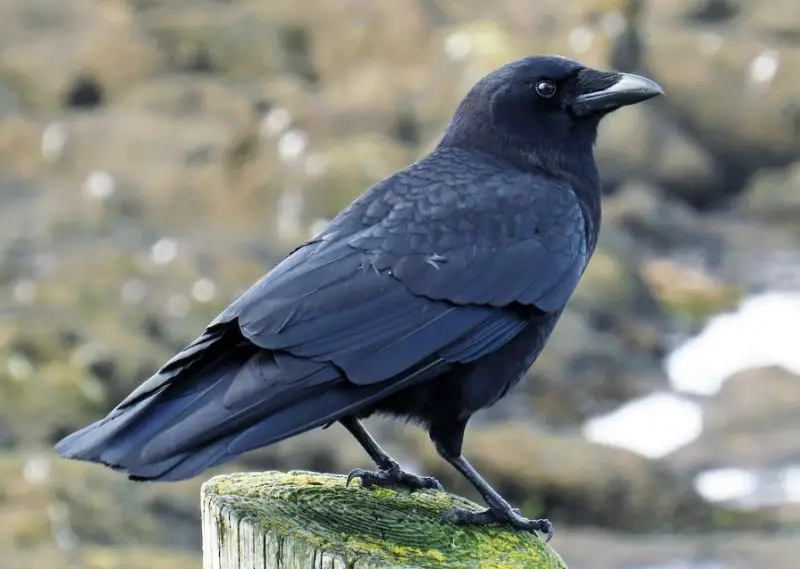
Across Alabama, crows are among the most familiar yet least understood birds moving through neighborhoods, farmland, and wooded edges. They are often seen as background noise, a black silhouette against the sky, or a loud presence in early morning hours. Yet beneath that everyday visibility lies a level of intelligence, memory, and social structure that surprises even seasoned wildlife observers. Once you begin to pay attention, crows stop being just birds and start revealing patterns, decisions, and behaviors that feel almost intentional.
In Alabama’s mix of rural landscapes, suburban sprawl, and dense tree cover, crows have found an ideal balance of resources and safety. They adapt quickly, learn from experience, and pass knowledge across generations in ways that reshape how they interact with human environments. Their presence in yards is not random. It reflects a combination of food availability, territory mapping, and long-term planning.
Most residents notice crows when they become loud, when they gather in groups, or when they seem to “watch” from nearby trees. But what many don’t realize is that these birds are constantly studying their surroundings, recognizing individual humans, and making calculated decisions about where to feed, nest, and return. What appears to be simple behavior is often the result of complex problem-solving.
Understanding crows in Alabama means looking beyond the surface. It means recognizing that your yard may be part of a larger network of crow activity that stretches across neighborhoods and seasons. And once that realization sets in, the presence of crows begins to feel far more significant.
Table of Contents
- 1 Crows Are Not Just Visiting, They Are Mapping Your Yard
- 2 They Recognize Faces and Remember Human Behavior
- 3 Their Calls Are Not Random Noise
- 4 Crows Form Tight Social Structures
- 5 They Use Tools and Solve Problems
- 6 Seasonal Behavior Changes in Alabama
- 7 Crows Help Control Pests Without You Noticing
- 8 Why They Sometimes Seem Aggressive
- 9 Crows Share Information Across Generations
- 10 They Are Always Watching More Than You Think
- 11 FAQs About Crows in Alabama Yards
- 11.1 Why do crows gather in large groups in my yard?
- 11.2 Are crows dangerous to humans or pets?
- 11.3 Why do crows make so much noise early in the morning?
- 11.4 Do crows damage gardens or property?
- 11.5 How long do crows stay in the same area?
- 11.6 Can I attract or discourage crows in my yard?
- 11.7 Why do crows seem to follow me or watch me?
- 11.8 Do crows remember negative experiences?
- 12 Final Thoughts
Crows Are Not Just Visiting, They Are Mapping Your Yard
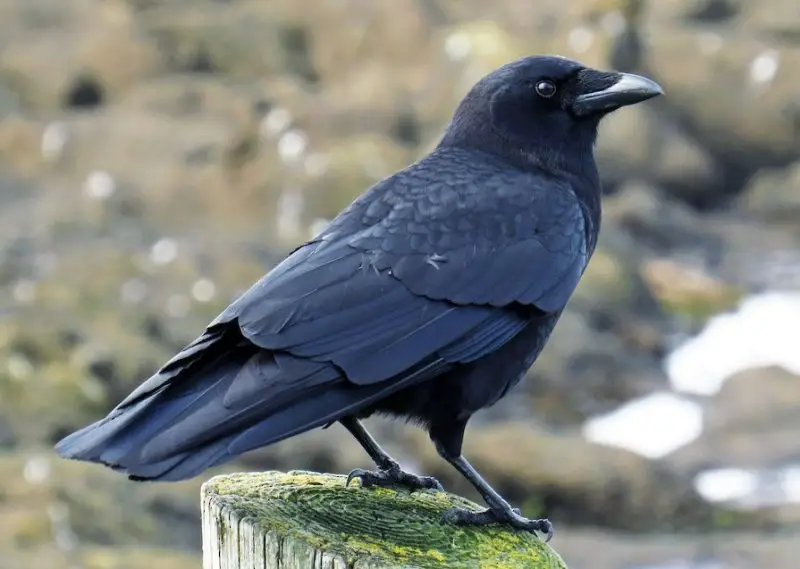
When crows appear regularly in a yard, it is rarely a coincidence. These birds are highly territorial and maintain mental maps of their environment that include food sources, safe perches, and human activity patterns. In Alabama, where backyards often provide a mix of open space and tree cover, crows quickly identify properties that offer reliable resources.
A yard with scattered food scraps, bird feeders, compost piles, or even pet food becomes part of a crow’s feeding circuit. Over time, that yard is not just visited but incorporated into a routine. Crows may return at specific times of day, often early morning or late afternoon, when human activity is lower and feeding is easier.
They also observe consistency. If a yard regularly produces food or safe conditions, crows will remember it for weeks, months, or even years. This long-term memory allows them to build stable feeding routes across large areas, connecting multiple yards into a predictable network.
What many Alabama residents don’t realize is that once crows begin using a yard, they are not just passing through. They are evaluating it, remembering it, and deciding whether it deserves a place in their long-term territory.
They Recognize Faces and Remember Human Behavior
One of the most overlooked aspects of crow behavior is their ability to recognize individual human faces. This is not instinct alone but learned recognition, built through repeated exposure and reinforced over time. In Alabama neighborhoods, where daily routines are predictable, crows quickly associate specific people with specific behaviors.
If a person regularly feeds birds, leaves food outside, or simply moves calmly through the yard, crows may begin to associate that individual with safety or opportunity. On the other hand, if someone disturbs nests, throws objects, or chases birds away, crows can remember that as a threat.
This memory is not short-lived. Crows are capable of holding onto these associations for extended periods, and in some cases, they communicate these experiences to other crows. That means a single negative or positive interaction can influence how an entire group responds to a person over time.
In Alabama, where outdoor living is common and people spend time in their yards year-round, this dynamic becomes even more noticeable. Crows are not just reacting to movement. They are recognizing patterns, identifying individuals, and adjusting their behavior accordingly.
Their Calls Are Not Random Noise
To many residents, the sound of crows is simply loud and repetitive. But crow vocalizations are far more structured than they appear. Each call can carry specific information about threats, food, or movement within their territory.
In Alabama yards, you may hear sharp, rapid caws when a predator is nearby, such as a hawk or snake. These calls are often accompanied by group movement, with multiple crows gathering to investigate or drive the threat away. This behavior, known as mobbing, is a coordinated defense strategy.
Softer, more spaced-out calls may indicate casual communication between crows, maintaining contact while foraging or moving between trees. There are also distinct alert calls used when humans approach too closely to nesting areas, particularly during breeding season in spring.
What seems like noise is actually a complex communication system. Crows are constantly exchanging information, updating each other about changes in their environment, and coordinating their actions in real time.
Crows Form Tight Social Structures
Crows in Alabama do not live solitary lives. They operate within structured social groups that often include extended family members. A breeding pair may be supported by offspring from previous years, creating small family units that work together to defend territory and raise young.
These groups share responsibilities. Some individuals focus on foraging, while others act as lookouts. During nesting season, younger crows may help feed and protect chicks, increasing the survival rate of the group as a whole.
This cooperative behavior is one of the reasons crows are so successful in adapting to human environments. A group can monitor multiple areas at once, respond quickly to threats, and exploit new food sources more efficiently than a single bird.
In residential areas across Alabama, this means that the crows you see are likely part of a stable, organized group. Their presence is not random but the result of coordinated activity within a defined social structure.
They Use Tools and Solve Problems
Crows are widely recognized as one of the most intelligent bird species, and their problem-solving abilities are evident even in everyday yard behavior. In Alabama, crows have been observed dropping hard nuts onto roads to crack them open, using traffic as a tool.
They also experiment with different approaches to accessing food. A crow may try multiple angles to reach a feeder, use objects to manipulate items, or observe other animals and copy successful behaviors. This trial-and-error learning allows them to adapt quickly to new challenges.
In yards, this intelligence becomes especially visible when crows interact with unfamiliar objects. They may approach cautiously, observe from a distance, and gradually test whether something is safe or useful. Over time, they build a detailed understanding of their environment.
This ability to learn and adapt means that once crows figure something out, they rarely forget it. And in a place like Alabama, where human environments are constantly changing, that flexibility gives them a significant advantage.
Seasonal Behavior Changes in Alabama
Crows in Alabama do not behave the same way year-round. Their activity shifts with the seasons, influenced by breeding cycles, food availability, and weather patterns.
In spring, crows become more territorial as they establish nesting sites. They are more vocal, more defensive, and more visible as they move frequently between nest and feeding areas. This is often when residents notice increased aggression or noise.
Summer brings a focus on raising young. Family groups become more active, and you may see juvenile crows learning to forage and navigate their surroundings. These younger birds are often more curious and may approach yards more closely.
In fall and winter, crow behavior changes again. Larger groups may form, sometimes gathering in communal roosts. These gatherings can involve dozens or even hundreds of birds, especially in areas with abundant food and safe resting sites.
Understanding these seasonal shifts helps explain why crow activity in Alabama yards can feel unpredictable. It is not random but tied to specific phases in their annual cycle.
Crows Help Control Pests Without You Noticing
While crows are often seen as nuisances, they also play an important ecological role. In Alabama yards, they consume a wide range of insects, small rodents, and other pests that can damage plants or spread disease.
They forage actively for beetles, caterpillars, and grubs, reducing the population of these insects before they become a problem. They may also scavenge dead animals, helping to clean up organic waste that would otherwise attract other pests.
This natural pest control happens quietly and often goes unnoticed. Residents may focus on the noise or the presence of crows without realizing the benefits they provide.
In a balanced ecosystem, crows contribute to maintaining stability. Their role in controlling pest populations is one of the less visible but highly valuable aspects of their presence.
Why They Sometimes Seem Aggressive
There are moments when crows appear aggressive, particularly when they dive toward people or make loud, persistent calls. In Alabama, this behavior is most commonly linked to nesting season.
During this time, crows are highly protective of their young. If a person or animal comes too close to a nest, the crows may respond with warning calls, swooping flights, or coordinated group behavior to drive the perceived threat away.
This is not random aggression. It is a targeted response aimed at protecting offspring. Once the nesting period ends, this behavior usually decreases significantly.
Understanding this context helps reduce misunderstandings. What feels like hostility is often a defensive reaction tied to a specific and temporary phase in the crow’s life cycle.
One of the most fascinating aspects of crow behavior is their ability to pass information across generations. Young crows learn not only from their parents but also from other members of their group.
This learning includes identifying safe feeding areas, recognizing threats, and understanding how to interact with human environments. In Alabama, where crow populations are stable and territories can persist for years, this shared knowledge builds over time.
A yard that has been part of a crow’s territory for several seasons may be known to multiple generations of birds. The information about that yard, whether positive or negative, becomes part of the group’s collective memory.
This long-term transmission of knowledge means that human actions can have lasting effects. A single yard can become known as a reliable resource or a place to avoid, depending on how it is perceived by the crows.
They Are Always Watching More Than You Think
Crows spend a significant amount of time observing their surroundings. From high perches in trees or on rooftops, they monitor movement, track changes, and gather information about potential food sources.
In Alabama neighborhoods, this often means that crows are aware of human activity long before humans notice them. They watch routines, learn schedules, and anticipate opportunities.
This constant observation allows them to act quickly. When food becomes available, they are often among the first to respond. When a threat appears, they react almost instantly.
What feels like coincidence is often the result of careful observation. Crows are not just present in your yard. They are actively studying it.
FAQs About Crows in Alabama Yards
Why do crows gather in large groups in my yard?
Crows gather in groups for several reasons, including feeding, protection, and social interaction. In Alabama, group gatherings are especially common during fall and winter when food sources are shared and communal roosting becomes more important. These groups allow crows to locate food more efficiently and respond to threats as a coordinated unit. If your yard offers consistent resources, it may naturally attract multiple birds at once.
Are crows dangerous to humans or pets?
Crows are generally not dangerous to humans or pets. Most interactions are cautious and observational rather than aggressive. During nesting season, they may become defensive if a nest is nearby, but this behavior is temporary and focused on protection rather than harm. In everyday situations, crows prefer to keep a safe distance and avoid direct conflict.
Why do crows make so much noise early in the morning?
Morning is one of the most active times for crows. They use vocalizations to communicate with their group, establish territory, and coordinate movement. In Alabama, where daylight conditions vary across seasons, early morning calls help crows reconnect after nighttime roosting and begin their daily activities. The noise may seem excessive, but it serves an important role in their social structure.
Do crows damage gardens or property?
Crows can occasionally disturb gardens, especially if they are searching for food such as seeds or insects. However, they also provide benefits by reducing pest populations. In most cases, any minor damage is balanced by the ecological advantages they bring. Understanding their behavior can help minimize conflicts while still allowing them to play their natural role.
How long do crows stay in the same area?
Crows can remain in the same area for extended periods, especially if the environment provides consistent resources. In Alabama, some crow groups maintain territories for years, returning to the same nesting and feeding sites each season. Their strong memory and social structure support this long-term stability.
Can I attract or discourage crows in my yard?
Yes, crow presence can be influenced by the availability of food and shelter. Leaving food sources accessible may attract them, while removing those sources can reduce visits. However, because crows are highly adaptable, changes may take time to have an effect. Consistency is key when trying to alter their behavior.
Why do crows seem to follow me or watch me?
Crows are naturally curious and observant. If they have noticed patterns in your behavior, they may pay closer attention to you. This does not mean they are following you in a targeted way, but rather that they are gathering information about their environment. In Alabama yards, where human activity is predictable, this observation becomes more noticeable.
Do crows remember negative experiences?
Yes, crows have strong memory and can remember negative experiences for a long time. If they associate a person or location with danger, they may avoid it or respond cautiously in the future. This memory can also be shared within their group, influencing how other crows react as well.
Final Thoughts
Crows in Alabama are far more than background wildlife. They are intelligent, observant, and deeply connected to the environments they inhabit. Their presence in your yard reflects a complex network of decisions, memories, and social interactions that extend far beyond a single moment.
Once you begin to notice their patterns, everything changes. The calls become meaningful. The movements feel intentional. The repeated visits reveal a kind of quiet relationship between human spaces and wild behavior.
They are not just passing through. They are learning, adapting, and remembering. And in many cases, they know your yard far better than you realize.