
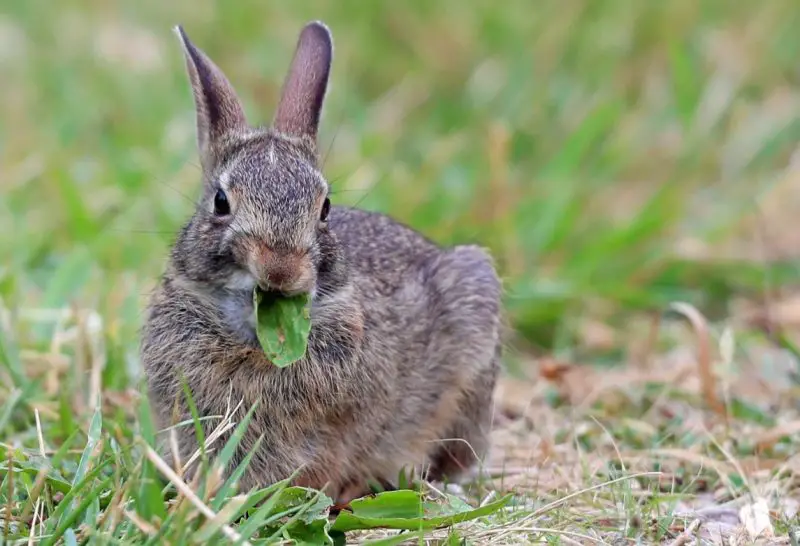
Rabbits are everywhere in Ohio. You see them darting across suburban lawns at dusk, nibbling quietly along fence lines, or freezing mid-step when they sense movement. To most people, they seem harmless, even charming, like small symbols of calm nature living just outside the door.
But what many Ohio residents don’t realize is that these rabbits are not just random visitors passing through. They are highly adapted, deeply territorial animals that have learned how to thrive in human-dominated landscapes. Their presence is rarely accidental. It is part of a consistent, repeating pattern shaped by survival.
Once you start paying attention, the story changes. What looks like a simple backyard rabbit becomes something more complex, more strategic, and far more connected to the environment around your home.
Table of Contents
- 1 Why Rabbits Thrive So Well in Ohio Neighborhoods
- 2 The Hidden Daily Routine Happening in Your Yard
- 3 Not Just One Rabbit: Understanding Territorial Overlap
- 4 What They Are Really Eating in Ohio Yards
- 5 The Quiet Damage You Might Be Missing
- 6 Where Rabbits Hide Around Your Home
- 7 Seasonal Behavior Changes in Ohio Rabbits
- 8 Why You Keep Seeing Them Even If You Try to Remove Them
- 9 The Subtle Signs That Reveal Their Presence
- 10 Living Alongside Rabbits Without Realizing It
- 11 How Landscaping Choices Attract or Deter Rabbits
- 12 The Role of Predators in Ohio Neighborhoods
- 13 Why Rabbits Seem to “Disappear” Suddenly
- 14 The Connection Between Rabbits and Garden Success
- 15 FAQs About Rabbits Around Homes in Ohio
- 15.1 Why are rabbits so common in Ohio neighborhoods?
- 15.2 Do rabbits stay in the same yard permanently?
- 15.3 Are rabbits harmful to my garden?
- 15.4 Where do rabbits go during the day?
- 15.5 Do rabbits dig burrows in residential yards?
- 15.6 Why do I see more rabbits in spring?
- 15.7 Can removing one rabbit solve the problem?
- 15.8 What attracts rabbits to my yard?
- 15.9 Do rabbits come out in the rain or cold?
- 15.10 How can I tell if rabbits are active in my yard?
- 16 Final Thoughts
Why Rabbits Thrive So Well in Ohio Neighborhoods
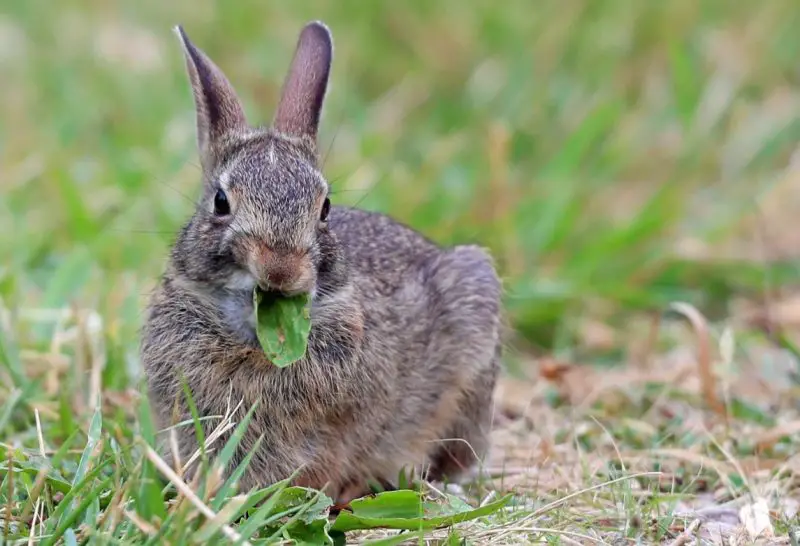
Ohio provides the perfect environment for rabbits. The combination of mild seasonal transitions, abundant vegetation, and widespread suburban development creates ideal living conditions that few predators can fully control. Lawns, gardens, parks, and undeveloped patches of land form a continuous habitat network that rabbits use with remarkable efficiency.
Suburban neighborhoods are especially attractive because they offer both food and protection. Grass is always available, ornamental plants provide variety, and structures like sheds, decks, and dense shrubs create safe hiding spaces. Unlike wild forests, these areas also tend to have fewer natural predators, allowing rabbit populations to grow steadily over time.
This balance between safety and food availability allows rabbits to establish stable territories. Once they settle into an area, they often remain there for extended periods, returning to the same feeding zones and hiding spots day after day.
The Hidden Daily Routine Happening in Your Yard
Rabbits are not as random as they appear. Their daily behavior follows a consistent rhythm that most people never notice. In Ohio, rabbits are most active during early morning and late evening hours, when light levels are low and human activity is minimal.
During the day, they remain hidden. They tuck themselves into shallow depressions in the ground known as “forms,” often concealed beneath tall grass or low shrubs. These resting spots are carefully chosen to provide both camouflage and a quick escape route if danger appears.
At dusk, the pattern begins. Rabbits emerge slowly, scanning their surroundings before moving toward familiar feeding areas. They rarely wander far. Instead, they follow established paths, grazing methodically and retreating quickly at the slightest disturbance.
Not Just One Rabbit: Understanding Territorial Overlap
Many homeowners assume that the rabbit they see is the same individual every time. In reality, your yard may be part of a shared territory used by several rabbits. These territories often overlap, creating a subtle network of movement that shifts throughout the day.
Each rabbit maintains a core area where it feels most secure, but feeding zones are often shared. This is why you might notice multiple rabbits appearing at different times, even though they seem to use the same spaces.
This overlapping system allows rabbits to maximize food resources while minimizing direct conflict. It also explains why removing one rabbit rarely changes anything. Another will quickly take its place, continuing the same patterns you observed before.
What They Are Really Eating in Ohio Yards
Rabbits are not picky eaters. In Ohio neighborhoods, their diet extends far beyond simple grass. They consume a wide range of plants, adapting their preferences based on availability and season.
In spring and summer, they favor tender growth. Fresh grass, clover, dandelions, and young garden vegetables become primary food sources. Newly planted flowers and vegetables are especially vulnerable because they are soft, nutrient-rich, and easy to access.
As seasons change, so does their diet. In fall and winter, rabbits shift toward woody plants, bark, and twigs. This is when they may begin gnawing on shrubs, small trees, and even decorative landscaping, causing damage that often surprises homeowners.
The Quiet Damage You Might Be Missing
Rabbit damage is rarely dramatic. Unlike larger animals, they do not destroy entire areas overnight. Instead, they create subtle, repeated changes that gradually alter your yard.
You might notice uneven grass height, missing leaves on low plants, or clean, angled cuts on stems. These signs often go unnoticed at first because they seem minor or natural. Over time, however, the impact becomes more visible.
Young plants may fail to thrive. Garden yields may decrease. Decorative shrubs may lose their shape. These changes are the result of consistent feeding behavior rather than a single event, making them easy to overlook until the pattern becomes clear.
Where Rabbits Hide Around Your Home
Rabbits do not dig deep burrows like some other animals. Instead, they rely on shallow hiding spots that blend into their surroundings. In Ohio yards, these locations are surprisingly common and often very close to human activity.
Dense shrubs are a favorite. They provide overhead cover while allowing rabbits to see approaching threats. Woodpiles, brush piles, and tall grass areas also serve as ideal shelter, offering both concealment and quick escape routes.
Even small features like the space beneath a deck or shed can become temporary refuges. These areas are rarely disturbed, making them perfect for daytime resting. Once a rabbit identifies a safe hiding spot, it will return to it repeatedly.
Seasonal Behavior Changes in Ohio Rabbits
Rabbits do not behave the same way year-round. Their activity patterns shift with the seasons, creating noticeable differences in how often you see them and what they are doing.
In spring, activity increases dramatically. This is breeding season, and rabbits become more visible as they search for food and establish nesting areas. Young rabbits begin to appear, often exploring new spaces and expanding the population in your yard.
Summer brings steady feeding behavior. Rabbits focus on maintaining energy levels, taking advantage of abundant vegetation. In fall, they prepare for colder months by increasing feeding and seeking more secure shelter.
Winter changes everything. Food becomes scarce, and rabbits rely more heavily on woody plants. Their movements may become more predictable as they follow the same routes between limited food sources and safe hiding areas.
Why You Keep Seeing Them Even If You Try to Remove Them
One of the most frustrating aspects of rabbit presence is persistence. Many Ohio residents attempt to remove rabbits, only to find that new ones appear shortly afterward. This is not coincidence. It is a result of how rabbit populations function.
Rabbits reproduce quickly. A single pair can produce multiple litters in a year, leading to rapid population growth. At the same time, available habitat remains constant, meaning that empty space is quickly filled by new individuals.
Your yard is not just attractive to one rabbit. It is part of a larger ecosystem that supports many. Removing one does not change the underlying conditions that make the area appealing, so the pattern continues.
The Subtle Signs That Reveal Their Presence
Even if you rarely see rabbits directly, their presence can be detected through small details. Learning to recognize these signs can help you understand how active they are in your area.
Look for droppings. Rabbit pellets are small, round, and often found in clusters near feeding areas. They indicate regular use of a space rather than occasional visits.
Tracks can also reveal activity, especially after rain or snow. Rabbit footprints have a distinctive pattern, with larger hind feet appearing ahead of smaller front feet. These tracks often follow consistent paths across your yard.
Finally, pay attention to plant damage. Cleanly cut stems and missing leaves at low heights are strong indicators of rabbit feeding behavior.
Living Alongside Rabbits Without Realizing It
For many Ohio residents, rabbits are simply part of the background. They exist quietly, rarely causing immediate concern, and blending into the natural rhythm of suburban life. This makes them easy to ignore.
But this coexistence is more complex than it appears. Rabbits are actively shaping your yard every day, influencing plant growth, altering landscapes, and interacting with other wildlife in subtle ways.
Understanding their presence does not mean you need to remove them. It means recognizing that your yard is part of a shared environment where human and wildlife behaviors overlap continuously.
How Landscaping Choices Attract or Deter Rabbits
The way a yard is designed plays a major role in rabbit activity. Certain features naturally attract them, while others make an area less appealing.
Open lawns with consistent grass growth provide reliable food sources. Flower beds and vegetable gardens add variety, making the area even more attractive. Dense plantings and low shrubs offer shelter, completing the ideal habitat.
On the other hand, reducing cover can discourage rabbits. Keeping grass trimmed, removing brush piles, and limiting dense ground-level vegetation reduces hiding opportunities. This makes the area feel less secure, encouraging rabbits to move elsewhere.
The Role of Predators in Ohio Neighborhoods
Rabbits are a key part of the local food chain. In Ohio, predators such as hawks, owls, foxes, and coyotes rely on them as a food source. This natural balance helps regulate rabbit populations.
However, in suburban areas, predator presence is often reduced. This allows rabbit numbers to increase more than they would in fully wild environments. Even when predators are present, they may not be enough to significantly control populations.
This imbalance is one reason rabbits are so commonly seen in residential areas. The environment supports them, and the pressures that would normally limit their numbers are less intense.
Why Rabbits Seem to “Disappear” Suddenly
There are times when rabbits seem to vanish from your yard without explanation. This can happen for several reasons, and it is usually temporary.
Seasonal changes can alter their behavior. During colder months or periods of increased human activity, rabbits may reduce visible movement, staying hidden more often. This creates the illusion that they are gone.
Predator activity can also influence visibility. If a predator begins using the area, rabbits may shift their patterns or relocate temporarily. Once conditions stabilize, they often return.
The Connection Between Rabbits and Garden Success
For gardeners, rabbits can be both a challenge and a signal. Their presence indicates a healthy, resource-rich environment, but it can also lead to frustration when plants are damaged.
Understanding their behavior can help reduce this conflict. Protecting vulnerable plants, choosing less appealing species, and managing yard conditions can make a significant difference.
Rather than viewing rabbits as purely destructive, it can be helpful to see them as part of the natural system interacting with your garden. Their behavior reflects the balance between growth, availability, and survival.
FAQs About Rabbits Around Homes in Ohio
Why are rabbits so common in Ohio neighborhoods?
Rabbits thrive in Ohio because the environment provides everything they need. Suburban areas offer food, shelter, and reduced predator pressure, allowing populations to grow and remain stable throughout the year.
Do rabbits stay in the same yard permanently?
Rabbits often return to the same areas repeatedly, but they are not limited to a single yard. They use overlapping territories, moving between safe hiding spots and feeding zones within a larger area.
Are rabbits harmful to my garden?
Rabbits can damage gardens by eating plants, especially young or tender growth. While the damage is usually gradual, it can become significant over time if their presence is consistent.
Where do rabbits go during the day?
During the day, rabbits hide in shallow ground depressions or under cover such as shrubs and structures. They remain still and rely on camouflage to avoid detection.
Do rabbits dig burrows in residential yards?
Most rabbits in Ohio do not dig deep burrows. Instead, they use surface-level hiding spots that are easier to access and provide quick escape routes.
Why do I see more rabbits in spring?
Spring is breeding season, which increases activity levels. Young rabbits begin exploring new areas, making them more visible in yards and neighborhoods.
Can removing one rabbit solve the problem?
Removing one rabbit rarely changes overall activity. Other rabbits will move into the area if the habitat remains suitable, continuing the same patterns.
What attracts rabbits to my yard?
Food sources like grass and plants, along with shelter such as shrubs and structures, attract rabbits. These elements create a balanced environment that supports their needs.
Do rabbits come out in the rain or cold?
Rabbits remain active in various weather conditions but may adjust their behavior. They often reduce movement during extreme conditions while still maintaining feeding routines.
How can I tell if rabbits are active in my yard?
Signs include droppings, tracks, and plant damage. Even if you do not see them directly, these indicators reveal consistent activity.
Final Thoughts
Rabbits in Ohio are not just passing through your yard. They are part of a larger, ongoing system that blends natural behavior with human environments in subtle and fascinating ways. Their routines, feeding habits, and movement patterns reveal a level of consistency that most people never notice.
Once you begin to recognize these patterns, your perspective changes. What seemed random becomes structured. What felt accidental becomes intentional. And what looked like a simple backyard visitor becomes a small but important piece of the ecosystem around your home.
Living alongside rabbits is not about eliminating them. It is about understanding how they fit into the space you share.