
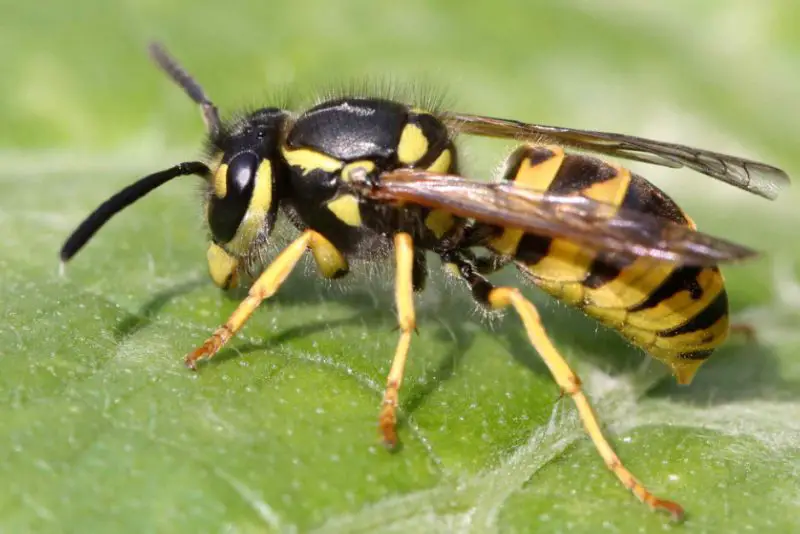
In New York, yellowjackets are a familiar yet deeply misunderstood part of late summer and early fall. People notice them most when they hover near outdoor meals, dart around trash bins, or suddenly appear in numbers that feel overwhelming. The immediate reaction is often frustration or fear, especially when a sting occurs. But what most New York residents don’t realize is that these encounters are not chaotic or senseless. They follow patterns tied closely to seasonal biology, urban behavior, and environmental pressure.
Yellowjacket stings are often described as aggressive attacks, yet the reality is more structured. These insects are not out searching for people to sting. Instead, their actions are shaped by colony needs, food scarcity, and defensive instincts. In dense New York environments, where humans and insects share tight spaces, these interactions become more frequent and more noticeable.
Understanding yellowjacket behavior changes how you interpret their presence. What seems like sudden aggression is often the result of predictable biological shifts. Once you recognize those patterns, the entire experience of encountering yellowjackets becomes less mysterious and, in many cases, more manageable.
Table of Contents
- 1 Why Yellowjackets Are So Noticeable in New York
- 2 What Actually Happens During a Yellowjacket Sting
- 3 The Seasonal Shift That Changes Everything
- 4 Where Yellowjackets Hide Around New York Homes
- 5 Why Some Stings Feel Worse Than Others
- 6 The Misconception of “Aggressive” Yellowjackets
- 7 How Urban Life Intensifies Yellowjacket Encounters
- 8 What To Do Immediately After a Sting
- 9 Preventing Yellowjacket Problems Around Your Home
- 10 Why Yellowjackets Still Matter in the Ecosystem
- 11 FAQs About Yellowjacket Stings in New York
- 11.1 Why are yellowjackets more active in late summer?
- 11.2 Can a yellowjacket sting multiple times?
- 11.3 How can I tell if a nest is nearby?
- 11.4 Are yellowjacket stings dangerous?
- 11.5 Why do they chase people?
- 11.6 Do yellowjackets die after stinging?
- 11.7 What attracts yellowjackets the most?
- 11.8 When do yellowjacket colonies die off?
- 12 Final Thoughts
Why Yellowjackets Are So Noticeable in New York
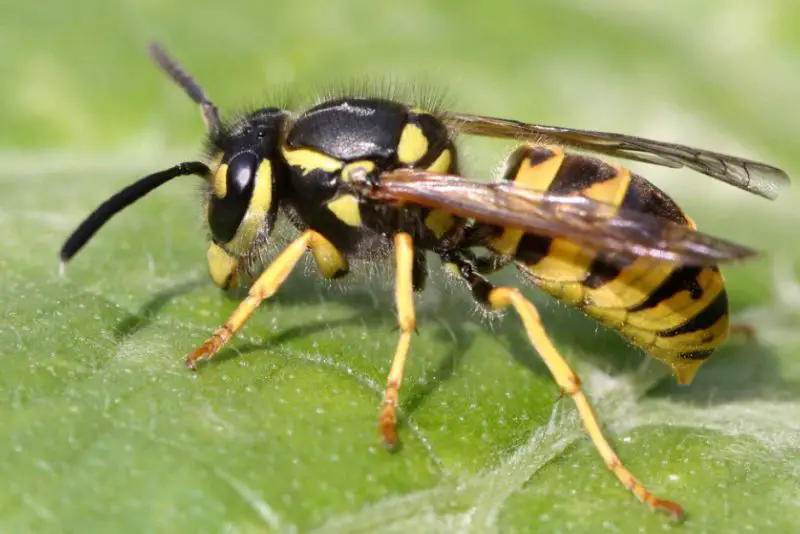
Yellowjackets thrive in New York because the environment offers exactly what they need. Urban density, abundant food waste, and a mix of green spaces create ideal conditions for colony growth. From city parks to suburban yards, these insects find shelter, food, and nesting opportunities in close proximity to human activity.
One key factor is food availability. Yellowjackets are scavengers, and New York provides a steady supply of sugary drinks, discarded food, and organic waste. Outdoor dining areas, street vendors, and residential trash bins all become feeding zones. This constant access to nutrition allows colonies to grow larger and remain active longer into the season.
Another reason is nesting flexibility. Yellowjackets build nests in a wide range of locations, including underground burrows, wall cavities, and dense vegetation. In New York neighborhoods, this often means nests are hidden in places people pass every day without noticing. The result is a higher likelihood of accidental encounters.
Climate also plays a role. Warm summers support rapid colony expansion, while relatively mild autumns allow yellowjackets to remain active well into the fall. This extended activity period increases the chances of human interaction, especially during peak outdoor seasons.
What Actually Happens During a Yellowjacket Sting
A yellowjacket sting is not just a simple puncture. It is a complex biological event designed to protect the colony and deter threats. When a yellowjacket stings, it injects venom through a smooth stinger, allowing it to sting multiple times if necessary.
The venom contains compounds that trigger pain, inflammation, and immune responses. This is why the sensation is immediate and often intense. Unlike honeybees, which lose their stinger after a single sting, yellowjackets can continue to sting repeatedly. This ability increases the perceived severity of an encounter.
Another important detail is the release of alarm pheromones. When a yellowjacket stings, it signals nearby colony members that a threat is present. This can lead to multiple insects converging on the same area, which is why some stings escalate quickly into more serious situations.
The body’s reaction varies from person to person. For most individuals, symptoms include sharp pain, redness, and swelling. In more sensitive cases, reactions can become more severe, highlighting the importance of understanding how to respond appropriately.
The Seasonal Shift That Changes Everything
One of the most misunderstood aspects of yellowjacket behavior in New York is how dramatically it changes over the season. Early in the summer, yellowjackets are relatively unobtrusive. They focus on hunting insects to feed their larvae, playing a beneficial role in controlling pest populations.
As the season progresses, the colony grows. By late summer, thousands of individuals may be present in a single nest. At this stage, their dietary needs begin to shift. Adult yellowjackets seek sugary foods for energy, which brings them into closer contact with humans.
Autumn introduces a critical turning point. As temperatures begin to drop, the colony’s structure starts to break down. The queen stops producing new workers, and the existing population becomes more erratic. Food sources become scarcer, increasing competition and leading to more persistent scavenging behavior.
This is when most stings occur. What people interpret as increased aggression is actually a combination of hunger, colony decline, and heightened sensitivity to disturbances. Understanding this seasonal pattern helps explain why yellowjackets seem more problematic at certain times of year.
Where Yellowjackets Hide Around New York Homes
Many New York residents are unaware of how close yellowjacket nests can be to their daily routines. These insects are skilled at selecting locations that provide both protection and accessibility.
Underground nests are among the most common. Abandoned rodent burrows, gaps in soil, and landscaped areas offer ideal entry points. These nests are often invisible until disturbed, which is why accidental encounters frequently happen during yard work or outdoor activities.
Wall voids are another popular choice, especially in urban and suburban settings. Yellowjackets can enter through small openings and build nests inside structures. This brings them into direct proximity with indoor spaces, sometimes leading to unexpected sightings inside homes.
Dense shrubs, woodpiles, and even playground equipment can also serve as nesting sites. The common factor is concealment. Yellowjackets prefer locations where the nest is hidden but access to food is easy.
Recognizing these patterns can help residents identify potential risks before a problem develops.
Why Some Stings Feel Worse Than Others
Not all yellowjacket stings are equal, and several factors influence how severe a sting feels. One of the most significant is the location of the sting. Areas with thinner skin or more nerve endings, such as the face, neck, or hands, tend to produce more intense pain.
The number of stings also matters. A single sting may cause localized discomfort, while multiple stings can amplify the body’s response. This is especially important in situations where alarm pheromones attract additional yellowjackets.
Individual sensitivity plays a major role. Some people experience mild reactions, while others may develop significant swelling or systemic symptoms. Allergic reactions, though less common, can be serious and require immediate medical attention.
Timing is another factor. Late-season yellowjackets, driven by food scarcity and colony stress, may deliver more persistent stings. This can make encounters during this period feel more severe compared to earlier in the summer.
The Misconception of “Aggressive” Yellowjackets
Yellowjackets are often labeled as aggressive, but this description oversimplifies their behavior. In reality, they are highly responsive to perceived threats and environmental cues.
Defensive behavior is the primary driver of stinging. When a nest is disturbed, yellowjackets react quickly to protect the colony. This response is not unique to them. Many social insects exhibit similar behavior when their nests are threatened.
Foraging behavior can also be misunderstood. When yellowjackets approach food or drinks, they are not attacking. They are searching for energy sources. Sudden movements, attempts to swat them, or accidental contact can trigger defensive responses.
In New York’s crowded environments, these interactions happen more frequently. The close proximity between people and yellowjackets increases the likelihood of misunderstandings that lead to stings.
How Urban Life Intensifies Yellowjacket Encounters
New York’s urban landscape creates conditions that amplify yellowjacket activity. High population density means more food waste, more outdoor gatherings, and more opportunities for interaction.
Trash management plays a significant role. Open or overflowing bins attract yellowjackets, providing consistent food sources. Once they identify a reliable location, they return repeatedly, often bringing others with them.
Outdoor dining culture also contributes. Parks, patios, and street-side seating areas create environments where food is readily available. Yellowjackets quickly learn to associate these spaces with easy meals.
Limited natural predators in urban areas can allow populations to grow with fewer constraints. Combined with abundant resources, this leads to higher visibility and more frequent encounters.
Understanding these urban dynamics helps explain why yellowjackets seem especially prominent in New York compared to less densely populated regions.
What To Do Immediately After a Sting
Responding correctly to a yellowjacket sting can significantly reduce discomfort and prevent complications. The first step is to move away from the area to avoid additional stings, especially if alarm pheromones have been released.
Cleaning the affected area helps reduce the risk of infection. Applying a cold compress can minimize swelling and provide relief from pain. Over-the-counter treatments may also help manage symptoms.
It is important to monitor for signs of a more serious reaction. Difficulty breathing, widespread swelling, or dizziness may indicate an allergic response and require immediate medical attention.
Remaining calm is crucial. Quick, controlled actions are more effective than panicked responses, which can increase the likelihood of further stings.
Preventing Yellowjacket Problems Around Your Home
Prevention is often more effective than dealing with an active infestation. Small changes in daily habits can significantly reduce the chances of yellowjacket encounters.
Securing trash bins is one of the most effective measures. Tight-fitting lids and regular cleaning reduce the availability of food. Outdoor eating areas should be kept clean, with spills and leftovers promptly removed.
Sealing entry points around the home can prevent nesting in wall cavities. Regular inspections of yards and structures help identify potential nesting sites early.
Plant management also plays a role. Keeping vegetation trimmed and reducing dense ground cover can make areas less attractive for nesting. Awareness and maintenance create an environment that is less inviting to yellowjackets.
Why Yellowjackets Still Matter in the Ecosystem
Despite their reputation, yellowjackets play an important role in New York’s ecosystems. They are predators of many insects that can damage plants and crops, helping maintain ecological balance.
They also contribute to the breakdown of organic matter. By scavenging on dead insects and food waste, they assist in nutrient cycling. This process supports soil health and overall environmental stability.
Their presence reflects a functioning ecosystem. While they can be a nuisance in human spaces, their ecological contributions are significant and often overlooked.
FAQs About Yellowjacket Stings in New York
Why are yellowjackets more active in late summer?
Late summer is when colonies reach peak size and food demands shift toward sugary sources. This increases interaction with humans and makes their presence more noticeable.
Can a yellowjacket sting multiple times?
Yes, yellowjackets have smooth stingers that allow them to sting repeatedly, unlike honeybees which sting only once.
How can I tell if a nest is nearby?
Frequent yellowjacket activity in a specific area, especially near the ground or walls, may indicate a nearby nest. Consistent flight paths are another clue.
Are yellowjacket stings dangerous?
Most stings cause localized pain and swelling. However, allergic reactions can be serious and require immediate medical attention.
Why do they chase people?
Yellowjackets do not chase without reason. They are usually responding to perceived threats, sudden movements, or disturbances near their nest.
Do yellowjackets die after stinging?
No, they can survive and sting multiple times, which is why encounters can escalate quickly.
What attracts yellowjackets the most?
Sugary foods, drinks, and protein sources such as meat scraps are highly attractive to yellowjackets.
When do yellowjacket colonies die off?
Most workers die off in late fall as temperatures drop. Only fertilized queens survive to start new colonies in the spring.
Final Thoughts
Yellowjacket stings are one of the most misunderstood aspects of living in New York’s shared environment. What appears to be sudden aggression is often the result of predictable biological and seasonal patterns. These insects are not acting without purpose. They are responding to the same environmental pressures that shape all forms of life.
By understanding how yellowjackets behave, where they nest, and why their activity changes throughout the year, residents can reduce the likelihood of negative encounters. Awareness transforms fear into knowledge, making it easier to coexist with these persistent but important insects.
The next time a yellowjacket appears, it is worth remembering that its actions are part of a larger system. Recognizing that system does not eliminate the sting, but it does provide clarity, and in many cases, a greater sense of control over the situation.