
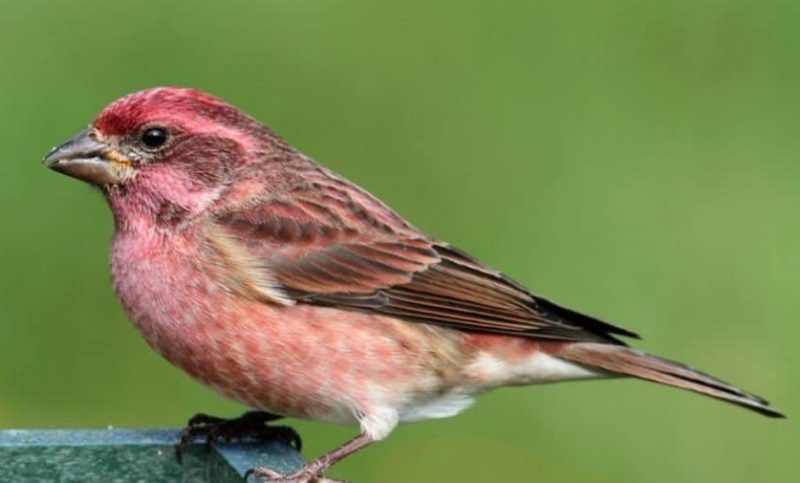
Finches are among the most familiar birds in Texas neighborhoods, yet they remain surprisingly misunderstood. Many residents notice flashes of red, yellow, or brown darting through their yards, but few take the time to understand the patterns behind those movements. These birds are not simply passing through. In many cases, they are deeply connected to the rhythms of suburban life, adapting in ways that often go unnoticed.
Across Texas, from the dry western plains to the humid eastern woodlands, finches have carved out a quiet presence in backyards, parks, and even urban streets. They are small, social, and often overlooked because of their size. Yet their behavior reveals a complex system of survival, communication, and seasonal adaptation that unfolds right outside people’s windows.
What most Texas residents fail to realize is that finches are not just decorative birds. They are indicators of environmental change, subtle contributors to local ecosystems, and creatures with surprisingly structured daily routines. Once you begin to observe them more closely, their presence becomes far more meaningful.
Table of Contents
- 1 Why Finches Are So Common in Texas Neighborhoods
- 2 The Hidden Daily Routine of Backyard Finches
- 3 Common Finch Species Found Around Texas Homes
- 4 How Finches Use Your Yard as a Resource
- 5 Seasonal Changes in Finch Behavior Across Texas
- 6 Why Finches Suddenly Appear in Large Numbers
- 7 The Role Finches Play in the Local Ecosystem
- 8 Subtle Signs Finches Are Nesting Near Your Home
- 9 Mistakes People Make When Feeding Finches
- 10 How Weather Patterns Affect Finch Activity in Texas
- 11 FAQs About Finches Around Texas Homes
- 11.1 Why do finches keep returning to the same yard?
- 11.2 Are finches beneficial to have around the home?
- 11.3 Do finches stay in Texas all year?
- 11.4 What is the best way to attract finches?
- 11.5 Why do finches travel in groups?
- 11.6 Can finches recognize humans?
- 11.7 What should I avoid when caring for backyard birds?
- 11.8 Why do finches sometimes disappear suddenly?
- 12 Final Thoughts
Why Finches Are So Common in Texas Neighborhoods
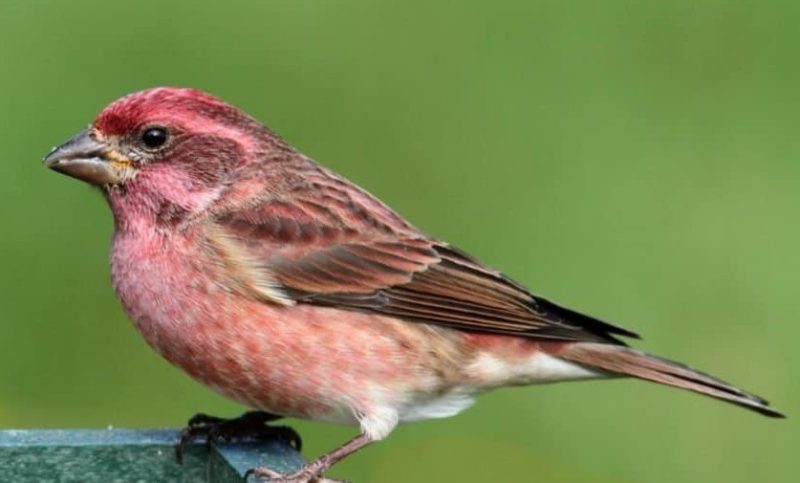
Texas offers a unique combination of climate zones, making it an ideal environment for several finch species. From the adaptable house finch to the vibrant American goldfinch, these birds thrive in both natural and human-altered landscapes.
One of the main reasons finches are so widespread is their flexibility. Unlike many bird species that rely on specific habitats, finches can live comfortably in suburban neighborhoods. They make use of backyard feeders, ornamental trees, and even small patches of weeds that produce seeds. This adaptability allows them to stay close to human activity without depending on untouched wilderness.
Another factor is food availability. Texas yards often contain a mix of native and introduced plants, many of which produce seeds that finches rely on. Sunflowers, thistles, grasses, and even roadside weeds become reliable food sources. Residents who maintain bird feeders further increase this availability, unintentionally supporting stable finch populations.
Climate also plays a role. Mild winters in many parts of Texas mean that finches do not need to migrate long distances. Some species remain year-round, while others move only slightly within the state. This consistency makes their presence feel permanent, even though subtle seasonal shifts are always happening behind the scenes.
The Hidden Daily Routine of Backyard Finches
To the casual observer, finches appear to move unpredictably, hopping from branch to feeder and back again. In reality, their behavior follows a structured daily pattern that repeats with remarkable consistency.
Early morning is the most active period. As soon as light spreads across the yard, finches begin feeding. This is when they are most vocal, using short calls to communicate with nearby flock members. These sounds are not just background noise. They serve as signals about food sources, safety, and group cohesion.
Midday activity tends to slow down. During the hottest parts of the Texas day, finches seek shade and reduce movement. They may rest in dense shrubs or trees, conserving energy and avoiding predators. This quieter period often leads people to believe the birds have left, when in fact they are simply hidden.
Late afternoon brings a second wave of activity. Feeding resumes, and small groups gather again around reliable food sources. As evening approaches, finches settle into roosting spots, often returning to the same locations night after night. These routines reveal a level of predictability that becomes clear only through careful observation.
Common Finch Species Found Around Texas Homes
Texas hosts several finch species, each with distinct characteristics and behaviors that influence how they interact with backyard environments.
House Finch
The house finch is perhaps the most recognizable. Males display a red wash across their heads and chests, while females are more subdued with streaked brown plumage. These birds are highly adaptable and thrive in urban settings. They frequently nest on ledges, hanging plants, and even outdoor decorations.
House finches are social and often form loose groups. Their songs are varied and cheerful, making them a constant presence in neighborhoods where food is abundant.
American Goldfinch
American goldfinches are seasonal visitors in many parts of Texas, especially during cooler months. Males are bright yellow during breeding season, though their coloration becomes more muted in winter.
These finches are closely tied to seed-producing plants, particularly thistles. They are known for their undulating flight pattern and soft, musical calls. Unlike many birds, they delay breeding until late summer when seed availability peaks.
Lesser Goldfinch
The lesser goldfinch is smaller and more common in southern and central Texas. Males often have black backs with yellow underparts, creating a striking contrast.
These birds are highly active and frequently visit feeders stocked with small seeds. They tend to move in flocks, especially outside of breeding season, and are often seen clinging to thin branches while feeding.
Purple Finch
Less common but still present in parts of Texas, the purple finch resembles the house finch but has a richer, raspberry-colored plumage. They are more likely to be found in wooded areas and less frequently in dense urban neighborhoods.
Their songs are more complex, and they tend to be slightly more cautious around human activity.
How Finches Use Your Yard as a Resource
Most Texas residents think of their yards as passive spaces, but for finches, these areas function as active resource zones. Every plant, feeder, and structure plays a role in how these birds survive.
Seed availability is the primary attraction. Even yards without feeders can support finches if they contain natural seed sources. Native grasses, wildflowers, and even so-called weeds provide essential nutrition. Finches are particularly skilled at extracting seeds from small, delicate plants that other birds ignore.
Water sources are equally important. Birdbaths, dripping faucets, and shallow puddles become gathering points, especially during dry periods. Finches require regular access to water not just for drinking but also for maintaining feather condition.
Shelter is another critical element. Dense shrubs, hedges, and trees offer protection from predators and harsh weather. Finches prefer areas where they can quickly move between feeding sites and cover, reducing their exposure to danger.
Human structures also come into play. Eaves, hanging baskets, and outdoor fixtures sometimes serve as nesting sites, particularly for house finches. This close proximity to people often goes unnoticed until chicks begin calling from hidden nests.
Seasonal Changes in Finch Behavior Across Texas
Finch behavior shifts noticeably throughout the year, though these changes are subtle enough that many residents overlook them.
In spring, activity increases as birds establish territories and begin courtship. Males sing more frequently, and pairs form. Nest building begins, often in concealed locations that provide both security and easy access to food.
Summer brings nesting and chick-rearing. During this time, finches become more focused and less social. Adults make repeated trips between food sources and nests, carrying seeds and regurgitated food for their young. This period is critical for population growth.
Autumn marks a transition. Young birds join flocks, and social behavior becomes more pronounced. Finches begin to move more widely in search of food, sometimes appearing in yards where they were not previously seen.
Winter sees a shift toward survival mode. While Texas winters are relatively mild, food can become less predictable. Finches rely more heavily on feeders and persistent seed sources. Flocks may grow larger as birds group together for efficiency and safety.
Why Finches Suddenly Appear in Large Numbers
Many Texas residents experience moments when their yards seem to fill with finches almost overnight. This phenomenon is not accidental. It is usually tied to changes in food availability and seasonal movement patterns.
When a reliable food source emerges, such as a newly filled feeder or a blooming seed-producing plant, finches quickly take notice. Their communication system allows them to signal these opportunities to other birds nearby. As a result, small groups can rapidly grow into larger flocks.
Weather conditions also influence movement. After storms or during shifts in temperature, finches may relocate temporarily to areas with better shelter and food access. This can create the impression that they have suddenly arrived in large numbers.
Juvenile dispersal plays a role as well. After the breeding season, young birds spread out from their natal areas, increasing the overall number of finches in residential spaces. These younger birds often travel in groups, adding to the sense of sudden abundance.
The Role Finches Play in the Local Ecosystem
Finches may be small, but their ecological impact is significant. They contribute to seed dispersal, helping maintain plant diversity across Texas landscapes.
As they feed, finches often drop or carry seeds to new locations. This process supports the spread of both native and non-native plants. In some cases, their feeding habits help control the growth of invasive species by consuming large quantities of seeds.
Finches also serve as prey for larger animals. Hawks, owls, and even domestic cats rely on small birds as part of their diet. This places finches within a broader food web, linking them to multiple levels of the ecosystem.
Their presence can also indicate environmental health. Stable finch populations often reflect a balance of food, shelter, and water. A sudden decline may signal underlying issues such as habitat loss or disease outbreaks.
Subtle Signs Finches Are Nesting Near Your Home
Many people are unaware that finches are nesting just a few feet away from their daily routines. Unlike larger birds, finches build small, well-hidden nests that blend into their surroundings.
One of the first signs is repeated movement along the same path. If a finch consistently flies to a specific location with nesting material or food, there is likely a nest nearby. These paths often go unnoticed unless you are paying close attention.
Soft, persistent chirping is another clue. Nestlings produce faint calls that can be heard during quiet moments. These sounds are easy to miss amid typical neighborhood noise but become more noticeable once identified.
You may also observe increased defensive behavior. While finches are generally calm, they may become more alert and cautious when nesting. Quick, darting movements and frequent scanning of the area can indicate that they are protecting a nearby nest.
Mistakes People Make When Feeding Finches
Feeding finches is a popular activity, but certain common mistakes can disrupt their natural behavior and even harm their health.
Using the wrong type of seed is one issue. Finches prefer small seeds such as nyjer and finely shelled sunflower seeds. Larger seeds may be ignored, leading to waste and reduced feeding efficiency.
Poor feeder maintenance is another problem. Dirty feeders can harbor bacteria and mold, which can spread disease among birds. Regular cleaning is essential to maintain a safe feeding environment.
Overcrowding feeders can also create stress. When too many birds compete for limited space, aggression may increase, and weaker individuals may be pushed out. Providing multiple feeding stations can help distribute activity more evenly.
Finally, relying solely on feeders can reduce natural foraging behavior. While feeders are helpful, maintaining a yard with natural seed sources ensures a more balanced and sustainable environment for finches.
How Weather Patterns Affect Finch Activity in Texas
Texas weather is known for its variability, and finches respond quickly to these changes. Temperature shifts, rainfall, and wind all influence their daily behavior.
During extreme heat, activity becomes concentrated in early morning and late afternoon. Finches avoid midday exposure, seeking shade and reducing movement to conserve energy.
Rainfall can have both positive and negative effects. Light rain may increase activity by softening seeds and making them easier to access. Heavy storms, however, can temporarily reduce movement as birds seek shelter.
Cold snaps, though less common, can lead to increased feeder use. Finches require more energy to maintain body heat, prompting them to feed more frequently when temperatures drop.
Wind conditions also matter. Strong winds make flying more difficult and can limit access to exposed feeding areas. On calmer days, finches are more likely to venture into open spaces.
FAQs About Finches Around Texas Homes
Why do finches keep returning to the same yard?
Finches return to locations that consistently provide food, water, and shelter. Once they identify a reliable environment, they incorporate it into their daily routes. This creates the impression of familiarity, as the same birds or flocks revisit the area regularly.
Are finches beneficial to have around the home?
Finches contribute to seed dispersal and help maintain plant diversity. They also add natural sound and movement to outdoor spaces. Their presence generally indicates a healthy environment with adequate resources.
Do finches stay in Texas all year?
Some species, such as house finches, remain year-round. Others, like American goldfinches, may move seasonally within or beyond the state. The mix of species in a yard can change depending on the time of year.
What is the best way to attract finches?
Providing small seeds such as nyjer, maintaining clean feeders, and planting seed-producing vegetation are effective strategies. Access to fresh water and dense shrubs also increases the likelihood of attracting finches.
Why do finches travel in groups?
Group behavior offers safety and efficiency. Multiple birds can watch for predators while others feed, and information about food sources spreads quickly within the flock. This social structure enhances survival.
Can finches recognize humans?
While finches do not recognize individuals in the same way humans do, they can become accustomed to regular, non-threatening activity. Over time, they may tolerate close presence if they associate it with consistent food availability.
What should I avoid when caring for backyard birds?
Avoid using spoiled seed, neglecting feeder hygiene, and creating overcrowded feeding conditions. It is also important not to disturb nesting areas, as this can lead to nest abandonment.
Why do finches sometimes disappear suddenly?
Temporary absence is often linked to changes in food availability, weather conditions, or seasonal movement. They may return once conditions become favorable again.
Final Thoughts
Finches are far more than fleeting visitors in Texas neighborhoods. They are structured, adaptive, and deeply connected to the environments they inhabit. Their daily routines, seasonal movements, and social behaviors reveal a level of complexity that often goes unnoticed.
By paying closer attention to these small birds, residents can gain a deeper understanding of the natural systems operating around them. A simple backyard becomes a dynamic habitat, where every movement carries meaning and every visit reflects a larger ecological pattern.
The next time a finch lands on a feeder or flits through a tree, it is worth taking a moment to observe. What may seem like a brief encounter is actually part of an ongoing story, one that unfolds quietly across Texas homes every single day.