
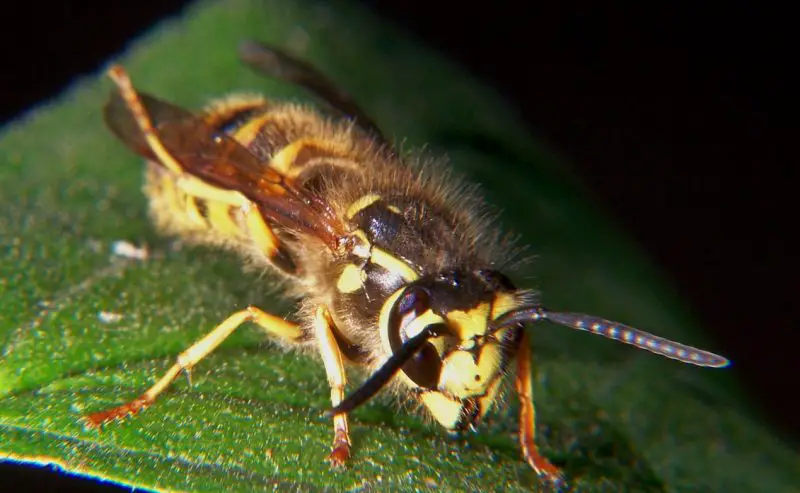
Yellowjackets are a familiar presence across Indiana, especially during the warmer months when outdoor activities peak. Many residents recognize them as aggressive, fast-moving insects that seem to appear whenever food is present. A picnic, a backyard cookout, or even a simple drink left uncovered can suddenly attract their attention. Yet what most Indiana residents do not realize is that yellowjacket encounters are not chaotic events. They follow patterns shaped by biology, season, and environment.
A yellowjacket sting is often remembered for its sharp pain and the way it seems to escalate quickly. One moment everything feels calm, and the next, multiple insects are circling or stinging. This creates the impression that yellowjackets attack without reason. In reality, their behavior is driven by specific triggers, including food availability, colony defense, and seasonal change.
Understanding these patterns transforms how you see yellowjackets. What once felt unpredictable becomes something that can be anticipated. And once that understanding is in place, the experience of encountering them becomes easier to manage.
Table of Contents
- 1 Why Yellowjackets Are So Common in Indiana
- 2 What Actually Happens During a Yellowjacket Sting
- 3 The Seasonal Shift That Changes Their Behavior
- 4 Why Yellowjackets Seem More Aggressive in Late Summer
- 5 Where Yellowjackets Build Nests Around Homes
- 6 Why Some Stings Hurt More Than Others
- 7 The Hidden Role of Scent and Movement
- 8 What To Do Immediately After a Sting
- 9 Preventing Yellowjacket Encounters Around Your Home
- 10 The Ecological Role of Yellowjackets in Indiana
- 11 FAQs About Yellowjacket Stings in Indiana
- 11.1 Why do yellowjackets sting more than once?
- 11.2 Are yellowjacket stings dangerous?
- 11.3 When are yellowjackets most active?
- 11.4 How can I tell if a nest is nearby?
- 11.5 Why are they attracted to food?
- 11.6 Do yellowjackets die after stinging?
- 11.7 What attracts them to my yard?
- 11.8 How can I avoid being stung?
- 12 Final Thoughts
Why Yellowjackets Are So Common in Indiana
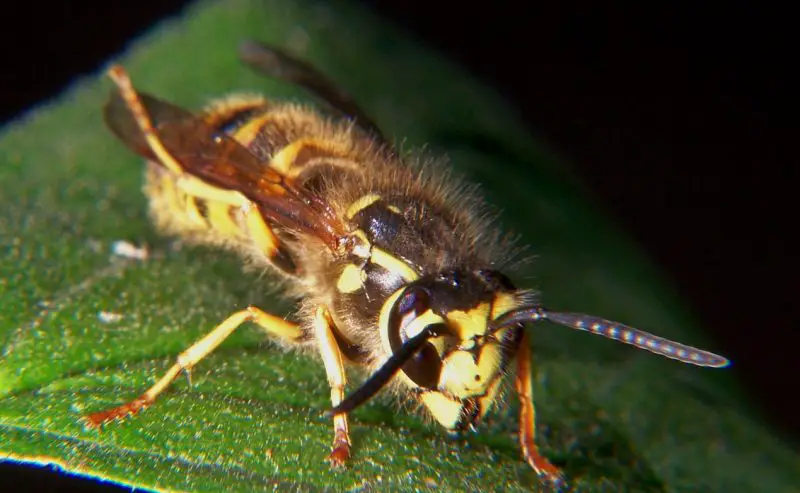
Indiana provides an environment where yellowjackets can thrive. The combination of moderate climate, abundant vegetation, and human activity creates ideal conditions for colony growth.
Food availability is one of the biggest factors. Yellowjackets are highly adaptable scavengers. They feed on insects, sugary substances, and protein sources. In Indiana neighborhoods, this means they have access to natural prey as well as human food waste. Outdoor dining areas, garbage bins, and fallen fruit all become feeding sites.
Habitat diversity also supports their presence. Yellowjackets can nest in a wide range of locations, including underground burrows, wall cavities, and dense vegetation. This flexibility allows them to establish colonies in both rural and urban environments.
Seasonal conditions further enhance their success. Warm summers allow colonies to grow rapidly, while relatively mild autumns extend their activity period. This leads to increased visibility and more frequent encounters as the season progresses.
What Actually Happens During a Yellowjacket Sting
A yellowjacket sting is not just a simple puncture. It is a defensive mechanism designed to protect the colony and deter threats. When a yellowjacket stings, it injects venom through a smooth stinger.
Unlike bees, yellowjackets do not lose their stinger after one use. This means they can sting multiple times in quick succession. This ability is one of the reasons encounters can escalate so quickly.
The venom contains compounds that trigger pain and inflammation. The immediate sensation is sharp and intense, followed by redness and swelling. For most people, the reaction remains localized, though it can be uncomfortable.
Another important aspect is the release of alarm pheromones. When a yellowjacket stings, it signals nearby individuals that a threat is present. This can lead to additional insects joining the response, increasing the intensity of the encounter.
The Seasonal Shift That Changes Their Behavior
Yellowjacket behavior in Indiana changes significantly over the course of the year. Early in the summer, colonies are relatively small and focused on growth. Workers spend much of their time hunting insects to feed developing larvae.
During this period, yellowjackets are less noticeable. They are active but not heavily drawn to human food sources. This often leads residents to believe that yellowjackets are not present in large numbers.
As the season progresses, the colony expands. By late summer, populations can reach thousands of individuals. At the same time, their dietary needs shift. Adult yellowjackets begin seeking sugary foods for energy.
This is when encounters increase dramatically. Outdoor gatherings become hotspots, and yellowjackets appear more persistent. In autumn, as the colony begins to decline, their behavior can become even more erratic due to competition for limited resources.
Why Yellowjackets Seem More Aggressive in Late Summer
Many Indiana residents notice that yellowjackets feel more aggressive as summer turns to fall. This perception is rooted in real behavioral changes.
As the colony matures, food demands increase. At the same time, natural food sources may become less abundant. This drives yellowjackets to seek out alternative sources, including human food.
The breakdown of colony structure also contributes. As the season nears its end, the queen reduces egg production. Worker roles become less defined, and behavior becomes more opportunistic.
This combination of high population, increased competition, and shifting roles creates a period where yellowjackets are more likely to interact with humans. Their persistence is often interpreted as aggression, but it is actually a response to changing conditions.
Where Yellowjackets Build Nests Around Homes
Yellowjackets are highly adaptable when it comes to nesting. In Indiana, they commonly build nests in locations that provide protection and access to food.
Underground nests are among the most common. These are often found in abandoned rodent burrows, garden beds, or open soil areas. Because they are hidden, they can be easily disturbed without warning.
Wall voids and structural cavities are also popular. Yellowjackets can enter through small openings and build nests inside buildings. This brings them into close proximity with human activity.
Other nesting sites include tree hollows, dense shrubs, and even attics. The key requirement is a sheltered space that protects the colony from weather and predators.
Understanding these nesting patterns helps explain why encounters often occur near specific areas of a property.
Why Some Stings Hurt More Than Others
Not all yellowjacket stings feel the same, and several factors influence the level of discomfort.
The location of the sting is important. Areas with more nerve endings, such as the hands, face, or neck, tend to produce stronger sensations. Stings on thicker skin may feel less intense.
The number of stings also matters. Multiple stings can amplify the body’s response, leading to increased pain and swelling. This is especially true when alarm pheromones attract additional yellowjackets.
Individual sensitivity plays a significant role. Some people experience mild reactions, while others may develop more pronounced symptoms. Allergic reactions, though less common, can be serious and require immediate attention.
Timing can also influence perception. Late-season stings, when yellowjackets are more persistent, may feel more severe due to repeated exposure.
The Hidden Role of Scent and Movement
Yellowjackets rely heavily on sensory cues to locate food and respond to threats. Scent is one of the most important factors.
Sugary smells, food odors, and even certain personal care products can attract yellowjackets. Once they detect a source, they investigate quickly and may return repeatedly.
Movement is another trigger. Sudden motions can be interpreted as threats, especially if they occur near a nest. This can provoke defensive behavior and increase the likelihood of stings.
Understanding these cues helps explain why some situations lead to encounters while others do not. It also highlights the importance of controlled, calm behavior when yellowjackets are nearby.
What To Do Immediately After a Sting
Responding quickly and calmly to a yellowjacket sting can reduce discomfort and prevent complications. The first step is to move away from the area to avoid additional stings.
Cleaning the sting site helps reduce the risk of infection. Applying a cold compress can relieve pain and limit swelling. Over-the-counter treatments may also provide relief.
It is important to monitor for signs of a more serious reaction. Symptoms such as difficulty breathing, widespread swelling, or dizziness require immediate medical attention.
Remaining calm is essential. Panic can lead to rapid movements that increase the likelihood of further stings. A controlled response is more effective and safer.
Preventing Yellowjacket Encounters Around Your Home
Prevention focuses on reducing the factors that attract yellowjackets and minimizing opportunities for nesting.
Proper waste management is one of the most effective strategies. Keeping trash bins sealed and clean reduces food availability. Outdoor eating areas should be kept tidy, with spills and leftovers removed promptly.
Sealing entry points around the home can prevent nesting in wall cavities. Regular inspections help identify potential problem areas before colonies become established.
Managing outdoor environments also helps. Trimming vegetation and maintaining clear spaces reduces shelter opportunities. Awareness and maintenance create conditions that are less attractive to yellowjackets.
The Ecological Role of Yellowjackets in Indiana
Despite their reputation, yellowjackets play an important role in Indiana’s ecosystems. They are predators of many insects, helping control populations that could otherwise become problematic.
They also contribute to nutrient cycling by scavenging on organic material. This process supports soil health and overall environmental balance.
Their presence reflects a functioning ecosystem. While they can be a nuisance in human spaces, their ecological contributions are significant.
Understanding this role provides a more balanced perspective on their place in the environment.
FAQs About Yellowjacket Stings in Indiana
Why do yellowjackets sting more than once?
They have smooth stingers that allow them to sting repeatedly, unlike bees that sting only once.
Are yellowjacket stings dangerous?
Most stings cause localized pain and swelling, but allergic reactions can be serious.
When are yellowjackets most active?
They are most active in late summer and early fall when colonies are at their largest.
How can I tell if a nest is nearby?
Frequent activity in a specific area, especially near the ground or walls, may indicate a nest.
Why are they attracted to food?
They seek both protein and sugar sources, especially as the season progresses.
Do yellowjackets die after stinging?
No, they can survive and sting multiple times.
What attracts them to my yard?
Food waste, sugary drinks, and available nesting sites all contribute.
How can I avoid being stung?
Avoid sudden movements, keep food covered, and maintain a clean outdoor environment.
Final Thoughts
Yellowjacket stings are a common experience in Indiana, but they are often misunderstood. What feels like sudden aggression is actually the result of structured behavior shaped by environmental conditions and seasonal changes.
By understanding how yellowjackets operate, residents can reduce the likelihood of encounters and respond more effectively when they occur. Awareness turns uncertainty into predictability.
These insects are not simply a nuisance. They are part of a broader ecological system that reflects the balance between natural processes and human activity. Recognizing that balance provides a clearer perspective on their presence and behavior.