
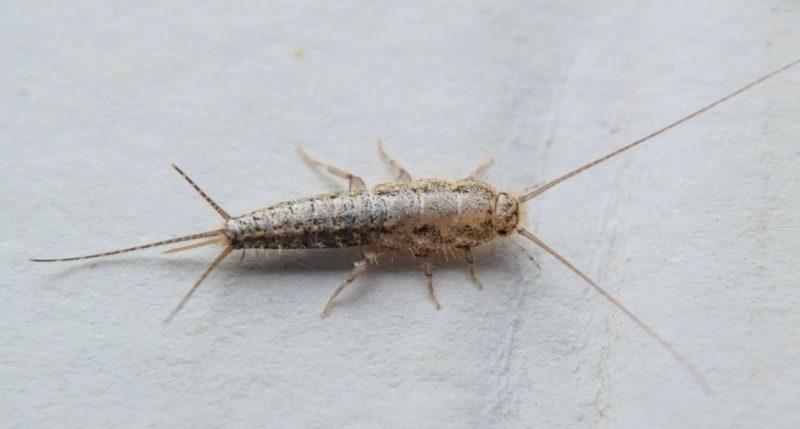
Florida families tend to notice silverfish in storage areas in a very specific way. Not during unpacking. Not while organizing. But later, when a box is opened after months of sitting untouched, or when something is pulled from a closet, garage, or spare room and a small, fast-moving insect slips into a crack before anyone can react.
The reaction is almost always the same. Confusion first. Then concern.
Storage areas are supposed to be inactive spaces. Clean. Quiet. Protected from daily life. Many families assume silverfish appearing there must be accidental or temporary. Some believe the insects wandered in from bathrooms or kitchens. Others assume the problem will disappear once the area is cleaned.
What most Florida families don’t know is that storage areas are not accidental locations for silverfish. They are often the most attractive environments in the entire home. The combination of humidity, darkness, undisturbed materials, and long-term stability makes storage spaces ideal habitats for silverfish to survive unnoticed.
This article takes a detailed, realistic look at why silverfish are so common in Florida storage areas, what attracts them, how they survive for long periods without being seen, and what their presence actually means for a home. Once the conditions are understood, silverfish activity becomes predictable and manageable.
Table of Contents
- 1 Silverfish Are Built for Indoor Survival
- 2 Why Storage Areas Attract Silverfish So Easily
- 3 Florida’s Climate Makes the Problem Worse
- 4 Why Silverfish Thrive in Cardboard Storage Boxes
- 5 Paper, Books, and Documents Are High-Risk Items
- 6 Why Clothing Storage Also Matters
- 7 Why Silverfish Prefer Undisturbed Spaces
- 8 Why Silverfish Are Often Seen at Night
- 9 Storage Areas Near Bathrooms Are Especially Vulnerable
- 10 Why Garages Are Common Silverfish Zones in Florida
- 11 Are Silverfish Dangerous to Families or Pets?
- 12 Why Seeing One Silverfish Often Means More Are Nearby
- 13 Why Cleaning Storage Areas Alone Doesn’t Solve the Problem
- 14 The Critical Role of Humidity Control
- 15 Why Plastic Storage Containers Make a Difference
- 16 Why Chemical Sprays Rarely Work Long-Term
- 17 When Silverfish Activity Signals a Bigger Issue
- 18 Why Silverfish Sometimes Disappear Without Treatment
- 19 Common Myths Florida Families Believe
- 20 Practical Steps That Actually Reduce Silverfish in Storage Areas
- 21 Living With Florida Homes and Constant Humidity
- 22 FAQs About Silverfish in Florida Storage Areas
- 23 Conclusion
Silverfish Are Built for Indoor Survival
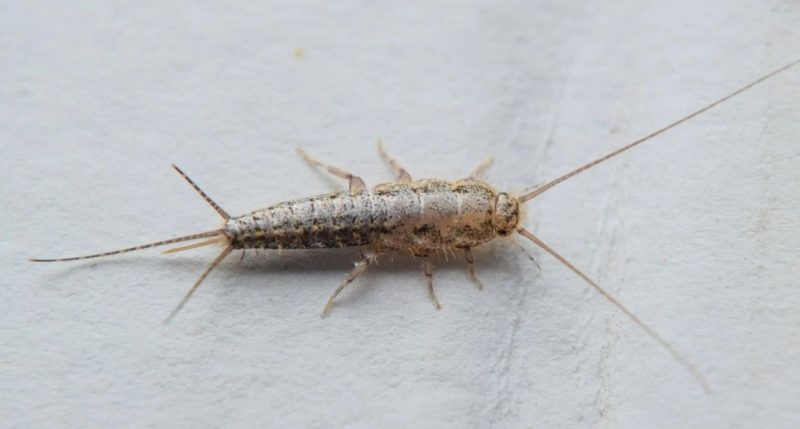
Silverfish are not outdoor insects that accidentally wander into homes and struggle to survive.
They are purpose-built for indoor life.
Their flattened, teardrop-shaped bodies allow them to slide effortlessly into narrow cracks, seams, and gaps behind stored items. They can squeeze beneath baseboards, inside wall voids, under shelving, and between stacked boxes with ease. Their movements are fast but quiet, making them difficult to notice even when they are active.
Unlike many insects, silverfish are remarkably resilient. They can survive for long periods with minimal food and water, slowing their metabolism when resources are scarce. This ability allows them to persist unnoticed in storage areas where other pests would fail.
Silverfish evolved to thrive in dark, stable environments where temperature and humidity change gradually. Florida homes, especially storage spaces, provide exactly these conditions year-round. When a silverfish appears in a storage area, it almost always means it has been living nearby for a long time. The sighting is not an arrival. It is exposure.
Why Storage Areas Attract Silverfish So Easily
Storage areas quietly provide everything silverfish need to survive.
They are rarely disturbed. Doors remain closed for days or weeks at a time. Air circulation is limited. Light exposure is minimal. Temperatures remain more stable than in living areas where doors open and close frequently.
Moisture behaves differently in storage spaces. Humidity lingers longer, absorbed by walls, floors, and stored materials. Even when the rest of the home feels dry, storage areas often retain enough moisture to support silverfish activity.
From a silverfish perspective, storage areas are not unused or forgotten spaces. They are long-term shelters where survival requires very little effort.
Florida’s Climate Makes the Problem Worse
Florida’s climate amplifies silverfish activity more than many homeowners realize.
Warm temperatures persist through most of the year, allowing silverfish to remain active rather than entering dormancy. Indoor humidity stays elevated, especially in garages, utility rooms, and closets that lack consistent climate control.
During rainy seasons, moisture seeps into walls and floors, increasing humidity in storage areas without visible signs. Unlike colder states where dry winters interrupt insect life cycles, Florida rarely provides a natural reset.
Storage spaces in Florida almost never dry out completely. This climate stability allows silverfish populations to persist quietly without seasonal die-off.
Why Silverfish Thrive in Cardboard Storage Boxes
Cardboard is one of the most important contributors to silverfish problems.
It absorbs moisture easily and holds humidity for long periods. It contains adhesives, starches, and cellulose that silverfish can digest. It also provides physical shelter from light and movement.
Moving boxes, shoeboxes, seasonal storage containers, and shipping boxes create near-perfect habitats. Inside these boxes, silverfish can feed, hide, and reproduce without leaving the container.
Florida families often store cardboard boxes in garages, closets, or spare rooms, unknowingly creating ideal silverfish environments that can remain active for years.
Paper, Books, and Documents Are High-Risk Items
Silverfish are strongly attracted to materials rich in starch and cellulose.
Books, magazines, documents, photographs, greeting cards, and paper-based keepsakes are prime targets. The glue in book bindings and coatings on paper provide additional nutrition.
Storage areas often contain boxes of paperwork that are rarely opened. These materials can support silverfish populations quietly, with damage going unnoticed until items are retrieved months or years later.
By the time damage is discovered, silverfish activity has usually been present for a long time.
Why Clothing Storage Also Matters
Silverfish do not typically consume fabric fibers directly, but clothing storage still plays a role.
Natural fabrics such as cotton and linen may retain starch finishes from manufacturing or laundering. Stored clothing sheds lint and organic debris over time. Paper tags, cardboard inserts, and garment packaging add food sources.
Closets and storage bins containing clothing create stable, dark environments where silverfish can survive without traveling far. The combination of shelter and nearby food makes these areas especially attractive.
Why Silverfish Prefer Undisturbed Spaces
Silverfish instinctively avoid light, vibration, and human activity.
Storage areas provide long stretches of inactivity. Boxes remain stacked. Shelves go untouched. Floors are rarely cleaned thoroughly.
This lack of disturbance allows silverfish to move, feed, and reproduce with little risk. Even periodic cleaning may not reach the spaces where they hide, such as beneath boxes or inside wall seams.
Undisturbed environments allow populations to grow slowly and quietly.
Why Silverfish Are Often Seen at Night
Silverfish are nocturnal by nature.
During the day, they hide inside wall voids, under baseboards, behind stored items, or inside boxes. At night, when the house becomes still, they emerge to forage.
Air circulation slows at night, causing humidity to rise slightly. This creates safer conditions for movement and reduces the risk of dehydration.
Opening a storage area late at night often interrupts activity already underway, making silverfish suddenly visible and creating the illusion of sudden appearance.
Storage Areas Near Bathrooms Are Especially Vulnerable
Bathrooms contribute moisture to nearby storage spaces.
Warm, humid air moves through wall cavities and settles in adjacent closets or storage rooms. Even well-ventilated bathrooms can slowly increase humidity in nearby areas over time.
This moisture migration explains why silverfish activity often appears near storage areas connected to bathrooms or laundry rooms.
Why Garages Are Common Silverfish Zones in Florida
Garages are among the most common silverfish habitats in Florida homes.
They are often humid, poorly ventilated, and filled with cardboard boxes and stored items. Temperature fluctuations are slower than outdoors but less controlled than living spaces.
Attached garages allow silverfish to move easily into the house. Detached garages still provide long-term shelter when conditions remain damp.
Florida garages frequently support silverfish populations year-round.
Are Silverfish Dangerous to Families or Pets?
Silverfish are not dangerous.
They do not bite, sting, or spread disease. They avoid people and pets whenever possible.
The primary concern is damage to stored belongings. Paper, books, photos, and cardboard are most at risk. Clothing damage may occur when starch residues are present.
For most families, silverfish are a nuisance rather than a health threat.
Why Seeing One Silverfish Often Means More Are Nearby
Silverfish are solitary insects, but they are persistent.
If one silverfish is visible, the environment supports survival. Others are likely nearby, hidden in cracks, boxes, or wall spaces.
This does not necessarily mean a large infestation. It does mean conditions are favorable.
Early sightings are warnings, not emergencies.
Why Cleaning Storage Areas Alone Doesn’t Solve the Problem
Cleaning removes surface dust and debris.
It does not remove moisture trapped inside walls. It does not eliminate food sources hidden inside boxes. It does not change temperature stability.
Silverfish thrive in places cleaning does not reach. Environmental control is more effective than surface cleaning alone.
The Critical Role of Humidity Control
Humidity is the most important factor in silverfish survival.
Silverfish require moderate humidity to live and reproduce. Lowering humidity disrupts their life cycle and limits movement.
Dehumidifiers, improved ventilation, and sealing moisture entry points can reduce activity quickly. Storage areas that stay dry lose silverfish populations over time.
Why Plastic Storage Containers Make a Difference
Sealed plastic containers block access to both food and moisture.
They prevent silverfish from reaching paper, fabric, and cardboard items. They also reduce humidity exposure inside storage bins.
Replacing cardboard with sealed plastic containers is one of the most effective long-term solutions for Florida homes.
Why Chemical Sprays Rarely Work Long-Term
Sprays kill visible insects only.
They do not address humidity or hidden food sources. Silverfish retreat deeper into walls and reappear once conditions stabilize.
Environmental changes produce lasting results. Chemicals do not.
When Silverfish Activity Signals a Bigger Issue
Persistent silverfish activity may indicate deeper problems such as moisture intrusion, poor ventilation, leaking pipes, or insulation issues.
Addressing these issues improves both pest control and overall home health.
Why Silverfish Sometimes Disappear Without Treatment
Silverfish populations decline when conditions change.
Seasonal dryness, improved airflow, or storage changes can make environments unsuitable. This explains why silverfish sometimes disappear unexpectedly.
Common Myths Florida Families Believe
Silverfish only live in bathrooms.
Silverfish mean a dirty home.
Hot weather kills silverfish.
Seeing one is harmless.
None of these beliefs fully reflect reality.
Practical Steps That Actually Reduce Silverfish in Storage Areas
Effective control focuses on environment.
Reduce humidity. Improve ventilation. Replace cardboard storage. Seal cracks. Store items in sealed containers.
Consistency matters more than chemicals.
Living With Florida Homes and Constant Humidity
Florida homes exist in a moisture-rich environment.
Silverfish are part of that ecosystem when conditions allow. Understanding why they appear gives families control instead of frustration.
FAQs About Silverfish in Florida Storage Areas
Why do silverfish prefer storage areas?
They offer darkness, stability, humidity, and food.
Do silverfish damage clothing?
They prefer paper and starch residues but can damage fabric.
Are silverfish dangerous to children or pets?
No. They are nuisance pests.
Will dehumidifiers help?
Yes. They are highly effective.
Should I throw away stored items?
Only items already damaged or heavily infested.
Do traps work?
They help monitor activity but don’t solve root causes.
Will silverfish leave on their own?
They may if conditions change.
When should I call a professional?
If activity persists despite humidity control.
Conclusion
What Florida families often don’t know about silverfish in storage areas is that these insects are responding to conditions that storage spaces quietly provide. Darkness. Stability. Moisture. Undisturbed materials.
Their presence is not random and not a reflection of cleanliness. It is a signal that the environment supports long-term survival.
When humidity is controlled, storage habits improve, and airflow increases, silverfish lose their advantage. And when that happens, storage areas return to what families expect them to be—safe places for belongings, not hidden habitats for unwanted guests.