
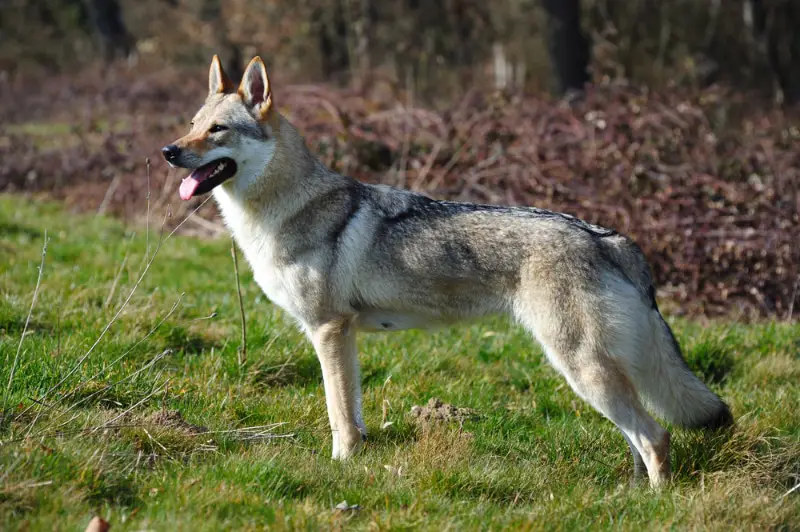
In Oklahoma, questions about wild canids surface regularly. Rural residents see coyotes at dusk, foxes slipping along fence lines, and dogs roaming near farms and ranches. Occasionally, a strange-looking animal sparks speculation. Is it a hybrid? Could dogs be mixing with wild canids nearby?
Among the most persistent ideas is this one: if dogs can hybridize with wolves, why can’t they do the same with foxes?
The answer lies deep in genetics, evolution, behavior, and biology. While dogs and wolves can interbreed under certain conditions, dogs and foxes cannot—no matter how similar they may appear or how often they share the same landscape in Oklahoma.
Understanding why reveals how evolution draws hard biological boundaries that appearance alone cannot cross.
Table of Contents
- 1 Dogs, Wolves, and Foxes May Look Similar—but They Are Not the Same
- 2 Dogs and Wolves Share the Same Species Lineage
- 3 Foxes Belong to a Different Genus Entirely
- 4 Chromosome Numbers Make Hybridization Impossible
- 5 Hybridization Requires More Than Mating
- 6 Why Behavior Matters Less Than Genetics Here
- 7 Why Dog–Wolf Hybrids Sometimes Occur
- 8 Oklahoma’s Wildlife Adds to the Confusion
- 9 Why Foxes Often Get Pulled Into Hybrid Myths
- 10 No Scientific Evidence—Ever
- 11 Why Fox–Dog Hybrids Appear Online
- 12 Evolution Drew a Hard Line
- 13 Why Understanding This Matters in Oklahoma
- 14 Dogs, Wolves, and Foxes Play Different Roles
- 15 Why Science Overrides Sightings
- 16 The Myth Persists Because It Sounds Logical
- 17 FAQs about Dog–Wolf vs Fox Hybrids in Oklahoma
- 17.1 Can dogs and wolves actually interbreed?
- 17.2 Why can’t dogs hybridize with foxes?
- 17.3 Are there any confirmed dog–fox hybrids?
- 17.4 Do dogs and foxes ever attempt to mate?
- 17.5 Why do people believe dog–fox hybrids exist?
- 17.6 Can dogs hybridize with coyotes?
- 17.7 Are foxes closely related to dogs?
- 17.8 Does Oklahoma have wolves today?
- 17.9 Why does appearance cause confusion?
- 17.10 Why is this distinction important?
- 18 Final Thoughts
Dogs, Wolves, and Foxes May Look Similar—but They Are Not the Same
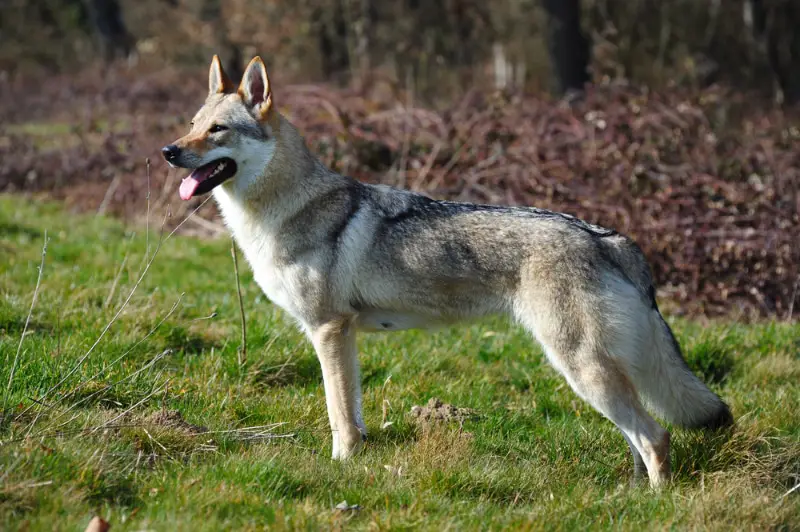
At first glance, dogs, wolves, and foxes seem closely related. They all have pointed ears, elongated snouts, sharp teeth, and bushy tails. In rural Oklahoma, they often occupy the same landscapes, moving through pastures, woodlines, and open prairie. To the human eye, especially during brief or distant sightings, these similarities blur together easily.
This visual overlap leads many people to assume that these animals must also be biologically compatible.
But appearance can be misleading.
Dogs, wolves, and foxes do belong to the same broad family of animals known as canids. However, within that family are deep evolutionary divisions. Dogs and wolves sit on one branch of the canid family tree. Foxes sit on another, one that split off millions of years earlier.
That evolutionary separation is not cosmetic. It is genetic, structural, and absolute. When it comes to hybridization, that difference changes everything.
Domestic dogs are not just related to wolves. They are wolves.
From a biological standpoint, domestic dogs are classified as Canis lupus familiaris, a subspecies of the gray wolf. This means dogs and wolves share a direct evolutionary lineage, diverging only relatively recently in evolutionary time.
Because of this shared origin, dogs and wolves retain:
-
The same chromosome number
-
Nearly identical DNA structure
-
Compatible reproductive anatomy and development
These shared traits make hybridization possible under certain conditions. When dogs and wolves mate successfully, their offspring are often called wolfdogs.
In Oklahoma, gray wolves once roamed historically, though they are no longer established as wild residents today. Even so, the genetic relationship remains unchanged. The ability of dogs and wolves to interbreed is rooted in their shared species history, not their current geographic overlap.
Foxes Belong to a Different Genus Entirely
Foxes may resemble dogs in silhouette, but genetically they are distant relatives.
Most fox species belong to the genus Vulpes, while dogs and wolves belong to the genus Canis. This split occurred millions of years ago, long before domestic dogs ever existed.
That long evolutionary separation resulted in profound biological differences, including:
-
Different chromosome structures
-
Incompatible reproductive systems
-
Distinct genetic coding pathways
These differences form a hard biological barrier. Unlike dogs and wolves, foxes did not evolve alongside members of the Canis genus. Their reproductive systems are not designed to interface genetically with dogs.
As a result, dogs and foxes cannot produce offspring. Not rarely. Not accidentally. Not under natural conditions. Not under artificial ones either.
Chromosome Numbers Make Hybridization Impossible
Chromosome compatibility is one of the most fundamental requirements for hybridization.
Dogs and wolves both have 78 chromosomes. This exact match allows their genetic material to align correctly during fertilization and embryo development.
Foxes do not share this number.
Red foxes, which are common in Oklahoma, have a complex and variable chromosome count that does not match dogs or wolves. During attempted fertilization, these mismatched chromosomes cannot pair correctly. Development stops before it begins.
Without compatible chromosome alignment, no viable embryo can form. Pregnancy cannot occur. Hybridization ends before it starts.
This is not a behavioral issue. It is a mechanical failure at the cellular level.
Hybridization Requires More Than Mating
Even when two animals can physically mate, hybridization is not guaranteed.
For a true hybrid to exist, multiple biological steps must succeed:
-
Fertilization must occur
-
The embryo must develop properly
-
A viable birth must result
-
The offspring must survive to adulthood
Dogs and wolves meet all of these criteria because their genetics are aligned.
Dogs and foxes do not even pass the first step.
No embryo forms. No pregnancy develops. No offspring exists.
Hybridization fails completely and immediately.
Why Behavior Matters Less Than Genetics Here
Some people wonder whether behavior could overcome biology. Dogs and foxes do encounter each other in rural Oklahoma. They may share territory, observe one another, or even interact briefly.
But behavior cannot override genetics.
Even if a dog and a fox were to engage in mating behavior, reproductive success would still be impossible. The genetic incompatibility stops the process long before behavior becomes relevant.
This is why no verified dog–fox hybrids have ever existed, despite centuries of shared landscapes.
Why Dog–Wolf Hybrids Sometimes Occur
Dog–wolf hybridization does happen, but only under specific circumstances.
These situations usually involve:
-
Human-controlled breeding
-
Captivity
-
Isolation of individual wolves
-
Severe population disruption
Even then, hybridization is uncommon. Wolves are territorial and typically avoid dogs in the wild. But when social, environmental, and genetic factors align, biology allows reproduction.
With foxes, no such allowance exists. No amount of alignment can overcome the genetic divide.
Oklahoma’s Wildlife Adds to the Confusion
Oklahoma hosts several canid species:
-
Coyotes
-
Red foxes
-
Gray foxes
-
Domestic dogs
Coyotes belong to the genus Canis, just like dogs and wolves. This means dogs and coyotes can hybridize in rare cases, producing animals sometimes called “coydogs.”
Foxes do not share this genetic category.
Because foxes, coyotes, and dogs often occupy the same areas, sightings can spark speculation. But genetics draws a clear line between which hybrids are possible and which are not.
Why Foxes Often Get Pulled Into Hybrid Myths
Foxes are elusive, clever, and rarely seen up close. Their behavior feels mysterious. Their appearance feels familiar.
When someone sees an animal that seems too large for a fox but too small for a wolf, the idea of a hybrid feels like an easy explanation.
But foxes are not halfway animals.
They are a separate evolutionary outcome, with distinct traits such as smaller size, vertical pupils, lighter skulls, and different hunting strategies. These features reflect millions of years of independent evolution.
No Scientific Evidence—Ever
Unlike dog–wolf or coyote–wolf hybrids, dog–fox hybrids have never been scientifically documented.
No DNA sample.
No verified specimen.
No confirmed photograph.
In wildlife biology, centuries of observation without a single confirmed case is not coincidence. It is evidence of impossibility.
Why Fox–Dog Hybrids Appear Online
Despite the science, claims persist online.
Images of unusual animals circulate widely. Videos go viral. AI-generated content further blurs reality.
Most cases involve:
-
Misidentified dogs
-
Unusual fox color variations
-
Coyotes mistaken for foxes
-
Digital manipulation
Once shared, myths spread faster than corrections.
Evolution Drew a Hard Line
Evolution allows hybridization only when species remain genetically close.
Dogs and wolves diverged recently. Foxes split off long before that divergence occurred.
That distance cannot be bridged.
Evolution does not bend for curiosity, coincidence, or rumor.
Why Understanding This Matters in Oklahoma
Belief in impossible hybrids can create real problems.
Foxes may be wrongly feared. Dogs may be blamed unfairly. Wildlife management decisions may be influenced by misinformation.
Understanding biological limits helps ground wildlife discussions in reality rather than speculation.
Dogs, Wolves, and Foxes Play Different Roles
Each species fills a unique ecological niche.
Wolves act as apex predators. Dogs exist alongside humans. Foxes control rodents and insects at smaller scales.
The fact that these roles remain distinct is part of what keeps ecosystems balanced.
Hybridization across these roles is not just unlikely. It is biologically prevented.
Why Science Overrides Sightings
Human perception is imperfect.
Distance, lighting, expectation, and fear distort what people think they see. Genetics does not distort.
When sightings conflict with biology, biology wins.
The Myth Persists Because It Sounds Logical
To many people, the idea feels reasonable. Dogs resemble wolves. Foxes resemble dogs. Why not mix all three?
But evolution is not driven by appearance.
Similarity does not equal compatibility.
And in Oklahoma’s canid landscape, that distinction matters more than any rumor ever could.
FAQs about Dog–Wolf vs Fox Hybrids in Oklahoma
Can dogs and wolves actually interbreed?
Yes. Dogs and wolves share the same genetic lineage and chromosome count, making hybridization biologically possible.
Why can’t dogs hybridize with foxes?
Foxes belong to a different genus and have incompatible chromosomes, making reproduction impossible.
Are there any confirmed dog–fox hybrids?
No. There has never been a scientifically verified dog–fox hybrid.
Do dogs and foxes ever attempt to mate?
Behavioral interaction does not matter because genetic incompatibility prevents fertilization.
Why do people believe dog–fox hybrids exist?
Misidentification, viral images, and online myths often fuel the belief.
Can dogs hybridize with coyotes?
Yes, in rare cases, because coyotes belong to the same genus as dogs and wolves.
They are distant relatives within the canid family, but not close enough to interbreed.
Does Oklahoma have wolves today?
Wild wolves are not established in Oklahoma, but the genetic principles still apply.
Why does appearance cause confusion?
Foxes, dogs, and wolves share visual traits, but genetics—not looks—determine hybridization.
Why is this distinction important?
It helps prevent wildlife misinformation and promotes accurate understanding of animal biology.
Final Thoughts
Dogs can hybridize with wolves because they are genetically the same species at their core. Foxes, despite their familiar appearance, belong to a different evolutionary branch entirely.
In Oklahoma, dogs, wolves, and foxes may share landscapes and stories—but they do not share reproductive boundaries.
Dog–wolf hybrids are biologically possible. Dog–fox hybrids are not.
No matter how convincing a story sounds, biology draws a line that myths cannot cross.