
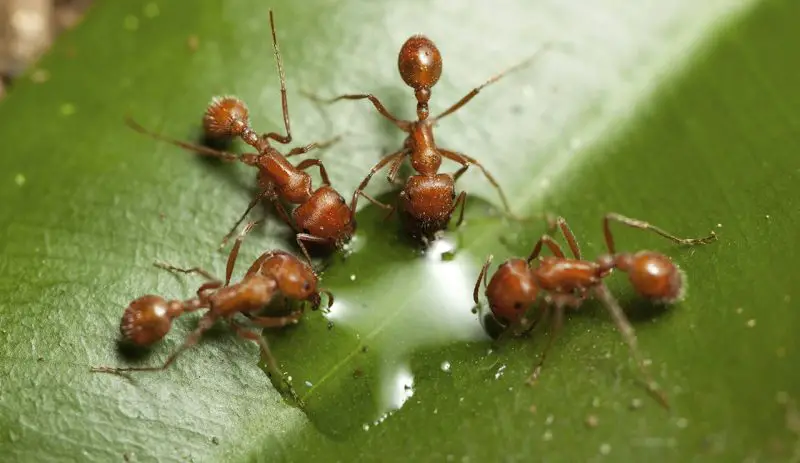
In Mississippi, fire ants are part of daily life. They appear along sidewalks, in lawns, around gardens, and across agricultural land. Most residents understand the basics: fire ants bite, they sting, and they build mounds. What far fewer people realize is that fire ants are constantly moving—not just individual workers, but entire colonies—often in ways that defy common assumptions about insect behavior.
The little-known fact is this: fire ants in Mississippi do not rely on fixed nests in the way most homeowners imagine. Their colonies are fluid, mobile systems that reposition themselves in response to moisture, temperature, disturbance, and opportunity. That mobility explains why fire ants seem to vanish overnight, reappear after rain, or show up in newly treated areas without warning.
Understanding how and why fire ants move reveals why so many control efforts fail, why infestations feel unpredictable, and why Mississippi’s climate gives fire ants a unique advantage.
Table of Contents
- 1 Fire Ant Colonies Are Not Static Structures
- 2 Mississippi’s Climate Drives Constant Movement
- 3 Fire Ants Relocate Without Leaving the Area
- 4 Colonies Can Split and Rejoin
- 5 Movement Happens Below Ground First
- 6 Rain Does Not Drown Fire Ants
- 7 Fire Ants Actively Seek Micro-High Ground
- 8 Disturbance Triggers Rapid Relocation
- 9 Chemical Treatments Often Cause Lateral Spread
- 10 Fire Ants Do Not Respect Property Lines
- 11 Seasonal Movement Patterns Are Predictable
- 12 Food Availability Influences Relocation
- 13 Fire Ants Use Chemical Mapping
- 14 Movement Allows Rapid Recovery After Control
- 15 Fire Ant Movement Is a Collective Decision
- 16 Why Fire Ants Seem Smarter Than Expected
- 17 Fire Ants Rarely Abandon a Good Area Completely
- 18 Movement Explains Why New Lawns Attract Fire Ants
- 19 Fire Ants Adjust Depth Constantly
- 20 Why Fire Ant Movement Matters to Homeowners
- 21 The Little-Known Truth
- 22 FAQs about Fire Ant Movement in Mississippi
- 22.1 Do fire ants actually move their entire colonies?
- 22.2 Why do fire ant mounds seem to disappear and reappear?
- 22.3 Does rain kill fire ants in Mississippi?
- 22.4 Can one fire ant colony create multiple mounds?
- 22.5 Why do fire ants return after treatment?
- 22.6 Are fire ants active year-round in Mississippi?
- 22.7 Do fire ants move toward houses on purpose?
- 22.8 Why do fire ants appear along sidewalks and driveways?
- 22.9 Does mowing or digging affect fire ant movement?
- 22.10 What’s the biggest misconception about fire ant movement?
- 23 Final Thoughts
Fire Ant Colonies Are Not Static Structures
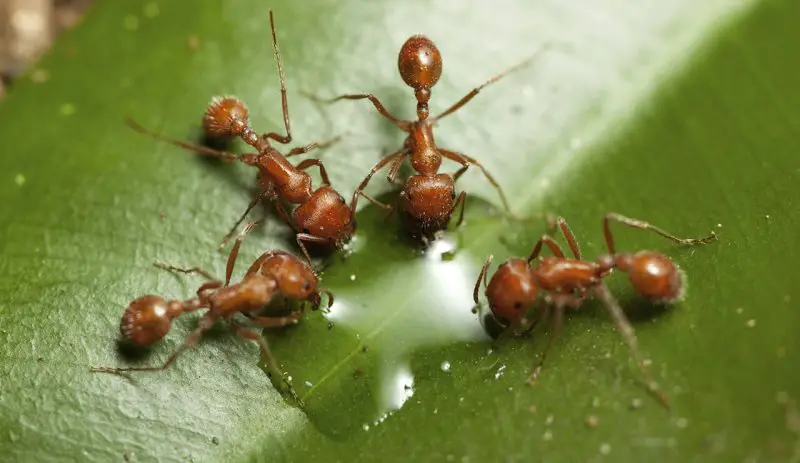
Most people picture a fire ant colony as a single underground nest with a mound marking its location. In reality, that mound is just the visible portion of a much larger and more flexible system.
A fire ant colony consists of networks of tunnels, satellite chambers, and temporary foraging hubs. Workers continuously adjust this structure. Portions of the colony may shift deeper underground, spread laterally, or detach entirely to establish new positions.
In Mississippi’s soft soils and high moisture levels, these movements happen frequently and efficiently.
The mound is not the colony. It is the colony’s current surface expression.
Mississippi’s Climate Drives Constant Movement
Mississippi provides near-perfect conditions for fire ant mobility.
Frequent rain, high humidity, warm temperatures, and mild winters keep soil workable year-round. When soil becomes saturated, fire ants move upward. When it dries or overheats, they move downward. When disturbances occur, they move laterally.
This constant environmental fluctuation forces fire ants to remain mobile. Colonies that cannot move do not survive.
Mobility is not optional. It is the core survival strategy.
Fire Ants Relocate Without Leaving the Area
One of the most misunderstood behaviors is relocation versus invasion.
When homeowners see fire ants appear “out of nowhere,” they often assume a new colony moved in. In many cases, the ants were already present underground and simply repositioned their surface activity.
A colony may shift its mound location by several feet or even several yards in response to moisture changes, foot traffic, lawn equipment, or chemical treatments.
From the human perspective, this looks like a new infestation. From the ants’ perspective, it is a short move within familiar territory.
Colonies Can Split and Rejoin
Fire ants are not bound to a single queen in the way many insects are.
In Mississippi, many fire ant colonies are polygyne, meaning they contain multiple queens. This allows colonies to split into subgroups, each capable of independent movement and reproduction.
These subcolonies can spread outward, establish new surface mounds, and later reconnect through underground tunnel networks.
This fluid structure allows fire ants to cover large areas without appearing as a single massive nest.
Movement Happens Below Ground First
Fire ant movement is mostly invisible.
Before a mound appears, workers explore new soil pathways underground. They test temperature, moisture, and food availability. Only when conditions are ideal do they build upward.
This is why visible mounds often appear suddenly, especially after rain.
The ants did not arrive overnight. They were already there, preparing.
Rain Does Not Drown Fire Ants
A widely held belief is that heavy rain washes fire ants away.
In reality, rain triggers movement rather than mortality.
When Mississippi soils flood, fire ants respond by relocating upward and outward. Workers and brood are moved rapidly into higher ground. In extreme flooding, colonies may even form temporary living rafts to survive until land becomes available again.
Once conditions stabilize, ants disperse and rebuild, often in new locations.
Rain does not eliminate fire ants. It redistributes them.
Fire Ants Actively Seek Micro-High Ground
Fire ants are expert environmental readers.
They sense subtle elevation changes that humans overlook. Slight rises in soil, buried roots, compacted ground, or landscaping features become preferred relocation zones.
In Mississippi yards, this means fire ants often reappear along sidewalks, foundations, driveway edges, garden borders, and raised beds.
These areas offer drainage, warmth, and stability.
What looks like random placement is actually precise environmental selection.
Disturbance Triggers Rapid Relocation
Fire ants interpret disturbance as danger.
Mowing, digging, tilling, foot traffic, pets, and even repeated vibration from vehicles can trigger movement. When a mound is damaged, workers do not defend it at all costs.
Instead, they begin relocating brood and queens to safer zones almost immediately.
This is why partially destroyed mounds often “come back” nearby rather than disappearing.
The colony did not rebuild. It moved.
Chemical Treatments Often Cause Lateral Spread
One of the most frustrating experiences for Mississippi homeowners is treating a mound only to see more appear nearby days later.
This happens because many treatments disrupt but do not eliminate the colony. Surviving ants relocate laterally, creating new surface mounds around the treated zone.
From the outside, it looks like the treatment failed or worsened the problem.
From the colony’s perspective, it was an evacuation drill.
Understanding this movement explains why spot treatments often backfire.
Fire Ants Do Not Respect Property Lines
Fire ant colonies operate on environmental boundaries, not human ones.
A single colony or colony network may extend beneath multiple yards, fence lines, and properties. Movement across these invisible borders is constant.
This is why individual treatment efforts often feel ineffective when surrounding areas remain untreated.
In Mississippi’s dense soil ecosystems, fire ant movement ignores ownership entirely.
Seasonal Movement Patterns Are Predictable
Fire ant movement follows seasonal rhythms.
In spring, colonies expand outward and upward as temperatures stabilize. In summer, movement becomes more vertical, with deeper nesting during extreme heat. In fall, ants spread again as conditions moderate. In winter, they retreat deeper but remain active during warm spells.
Mississippi’s mild winters allow fire ants to continue limited movement year-round.
There is no true off-season.
Food Availability Influences Relocation
Fire ants do not move randomly.
They track food sources closely. When food becomes abundant in a new area, foraging tunnels extend in that direction. Over time, surface activity follows.
Trash areas, pet feeding zones, compost piles, gardens, and insect-rich lawns become magnets for movement.
The colony shifts toward opportunity.
Fire Ants Use Chemical Mapping
Fire ant movement is guided by pheromones.
Workers lay chemical trails that map safe routes, food sources, and relocation corridors. These trails can persist underground, guiding future movement even after surface mounds disappear.
This chemical memory allows colonies to reoccupy favorable areas repeatedly.
To humans, it feels like déjà vu. To ants, it is planned reuse.
Movement Allows Rapid Recovery After Control
Fire ants survive because they can reposition faster than most control methods can adapt.
Even when large numbers of workers are lost, queens and brood may already be relocating underground. Within weeks, surface signs return.
This resilience is not resistance. It is mobility.
Mississippi’s climate makes this recovery faster than in many other states.
Fire Ant Movement Is a Collective Decision
Fire ant relocation is not chaotic.
Workers respond to environmental signals collectively. When conditions change, thousands of ants adjust behavior simultaneously.
This coordination allows colonies to move brood, queens, and food efficiently without collapse.
It is one of the most advanced movement strategies among social insects.
Why Fire Ants Seem Smarter Than Expected
Fire ants are not intelligent in the human sense, but their collective behavior creates the appearance of planning.
Movement decisions emerge from simple rules followed by many individuals. When those rules interact with Mississippi’s environment, the results look strategic.
What feels like intelligence is emergent behavior.
Fire Ants Rarely Abandon a Good Area Completely
Once fire ants establish territory, they tend to remain nearby even after disturbance.
They may retreat temporarily, but pheromone maps and environmental familiarity pull them back over time.
This is why long-term management requires area-wide strategies rather than single-point solutions.
Movement Explains Why New Lawns Attract Fire Ants
Newly graded soil is loose, warm, and low in competition.
Fire ants detect these conditions quickly and move in. Homeowners often assume new lawns “attract” ants.
In reality, ants move because the environment becomes ideal.
Mississippi’s rapid plant growth makes this process especially noticeable.
Fire Ants Adjust Depth Constantly
Movement is not only horizontal.
Fire ants shift nesting depth daily. Soil temperature, moisture, and oxygen levels dictate how deep brood chambers are placed.
This vertical movement protects the colony from extremes and keeps development stable.
Mounds rise and fall accordingly.
Why Fire Ant Movement Matters to Homeowners
Understanding movement changes how fire ants should be managed.
Treating visible mounds without considering underground relocation is ineffective. Long-term control requires disrupting the colony’s ability to reposition, not just killing surface workers.
Movement explains why patience, timing, and broader-area treatments matter.
The Little-Known Truth
The little-known fact about fire ant movement in Mississippi is not that they travel far.
It is that they are never truly still.
Fire ants survive Mississippi’s dynamic environment by staying mobile, adaptable, and coordinated. Their colonies behave less like fixed nests and more like living systems that flow through the soil.
Once homeowners understand this, fire ants stop feeling mysterious—and start making sense.
FAQs about Fire Ant Movement in Mississippi
Do fire ants actually move their entire colonies?
Yes. Fire ants regularly relocate queens, brood, and workers underground to adapt to moisture, heat, and disturbance.
Why do fire ant mounds seem to disappear and reappear?
Colonies often shift surface activity while remaining in the same general area below ground.
Does rain kill fire ants in Mississippi?
No. Heavy rain usually triggers relocation, not death, pushing ants to higher or drier ground.
Can one fire ant colony create multiple mounds?
Yes. Many colonies split into satellite groups that form several mounds connected underground.
Why do fire ants return after treatment?
If treatments don’t eliminate queens, surviving ants relocate and rebuild nearby.
Are fire ants active year-round in Mississippi?
Largely yes. Mild winters allow continued underground movement and activity.
Do fire ants move toward houses on purpose?
They move toward favorable conditions like warmth, dry soil, and stable ground, which homes often provide.
Why do fire ants appear along sidewalks and driveways?
These areas offer slightly higher, warmer, and better-drained ground ideal for relocation.
Does mowing or digging affect fire ant movement?
Yes. Disturbance often triggers rapid relocation rather than colony collapse.
What’s the biggest misconception about fire ant movement?
That mounds represent fixed nests. In reality, fire ant colonies are constantly shifting systems.
Final Thoughts
Fire ants in Mississippi are not stubborn because they refuse to leave. They persist because they know how to move.
Their ability to relocate, split, regroup, and reappear is the foundation of their success. Rain, heat, disturbance, and treatment do not stop them. They redirect them.
Recognizing fire ant movement for what it is—an adaptive survival strategy—changes expectations and improves outcomes.
In Mississippi, the ants are not winning because they are stronger.
They are winning because they are always one move ahead.