
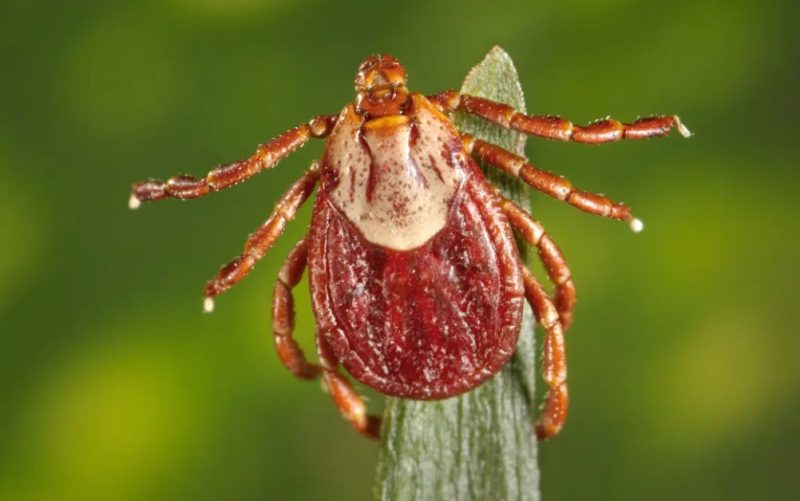
For generations, hunting in Montana has meant long days in rugged country, cold mornings in the mountains, and miles of walking through brush, grass, and timber. Hunters prepare for bears, wolves, harsh weather, and difficult terrain. What many still underestimate is something far smaller, quieter, and easier to miss.
Ticks.
In recent years, ticks have become one of the most consistent and underestimated risks facing Montana hunters. They do not announce themselves. They do not cause immediate pain. And by the time most hunters realize they were exposed, the damage may already be done. Climate shifts, expanding wildlife populations, and changing land use have all pushed tick encounters from occasional nuisance to serious health concern.
For hunters who spend hours moving through prime tick habitat during peak seasons, the risk is no longer theoretical. It is real, growing, and increasingly hard to avoid.
Table of Contents
- 1 Why Tick Risk Is Rising Across Montana
- 2 The Ticks Most Hunters Encounter
- 3 Why Hunters Are More Exposed Than Hikers
- 4 Why Tick Bites Often Go Unnoticed
- 5 The Diseases That Matter Most to Hunters
- 6 Why Big Game Animals Increase Risk
- 7 The Role of Climate in Changing Tick Behavior
- 8 Why Fall Hunting Is No Longer “Safe” From Ticks
- 9 Why Hunters Often Miss Early Warning Signs
- 10 Tick Checks and Why They Matter More for Hunters
- 11 The Danger of Field Dressing Without Precautions
- 12 Pets and Hunting Companions
- 13 Why Some Areas Pose Higher Risk
- 14 Clothing Choices That Reduce Risk
- 15 Why Prevention Beats Treatment
- 16 The Psychological Shift Among Montana Hunters
- 17 Why This Risk Is Often Underestimated
- 18 What Awareness Looks Like in Practice
- 19 The Cost of Ignoring the Problem
- 20 Education Is Catching Up
- 21 The Future of Tick Risk in Montana
- 22 FAQs About Ticks and Hunting in Montana
- 22.1 Why have ticks become a bigger problem for hunters in Montana
- 22.2 Which ticks pose the biggest risk to Montana hunters
- 22.3 Why are hunters more exposed to ticks than hikers
- 22.4 Can hunters get tick-borne diseases without noticing a bite
- 22.5 What diseases should Montana hunters be most aware of
- 22.6 Is fall hunting safer from ticks than spring hunting
- 22.7 Do harvested animals carry ticks
- 22.8 How can hunters reduce tick risk in the field
- 22.9 Can hunting dogs increase tick exposure
- 22.10 When should a hunter see a doctor after a hunt
- 23 Final Thoughts
Why Tick Risk Is Rising Across Montana
Montana’s landscape has always supported ticks, but conditions over the past two decades have changed the scale of the problem.
Warmer winters allow more ticks to survive year to year. Earlier springs extend the active season. Longer fall hunting seasons now overlap with peak tick activity rather than avoiding it. At the same time, populations of deer, elk, and other large mammals have remained strong, giving ticks abundant hosts.
Hunters spend time exactly where ticks thrive. Edge habitat. Game trails. Creek bottoms. Tall grass. Shrub cover. Bedding areas. These are ideal places to find animals and perfect places for ticks to wait.
The result is a steady increase in hunter exposure, even among experienced outdoorsmen who have spent decades in the field.
The Ticks Most Hunters Encounter
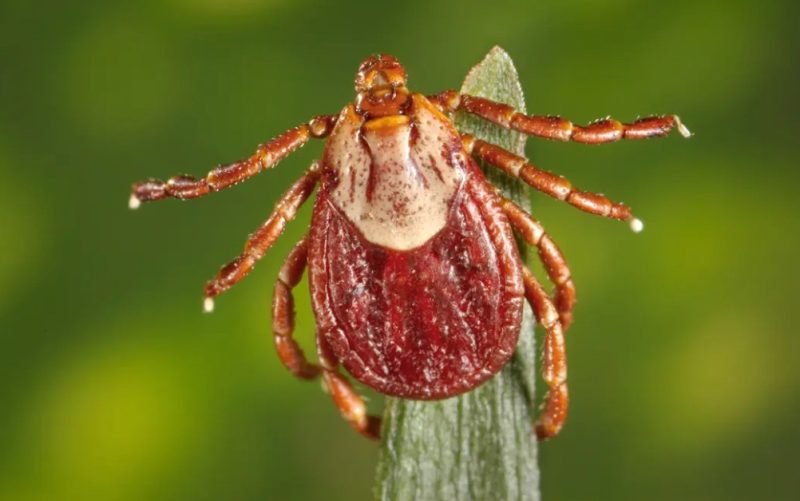
Several tick species pose risks in Montana, but two are especially relevant to hunters.
The Rocky Mountain wood tick is widespread and active in spring and early summer. It is larger and easier to see, but it carries serious diseases, including Rocky Mountain spotted fever and Colorado tick fever.
The deer tick, also known as the blacklegged tick, is smaller and harder to detect. It is responsible for transmitting Lyme disease and other infections. While historically more common in the eastern United States, deer ticks have expanded their range in Montana, particularly in river valleys and forested regions.
Both species are active during popular hunting seasons, creating overlapping risk.
Why Hunters Are More Exposed Than Hikers
Hunters move differently through the landscape.
They bushwhack instead of staying on trails. They kneel, sit, crawl, and dress animals on the ground. They move slowly through cover rather than quickly through open spaces. They spend extended time in bedding areas where animals and ticks concentrate.
Field dressing alone increases exposure dramatically. Kneeling over a carcass, brushing against fur, and handling hides can transfer ticks directly onto clothing or skin. Many hunters are bitten not during the stalk, but during processing.
Ticks do not jump or fly. They wait for contact. Hunters give them plenty of opportunity.
Why Tick Bites Often Go Unnoticed
One of the greatest dangers of ticks is how quietly they operate.
Tick saliva contains compounds that numb the skin and suppress immune response. Most bites cause no immediate pain or itching. A hunter can be bitten, feed a tick for hours or days, and never realize it happened.
This silent attachment allows disease transmission without warning. By the time symptoms appear, the connection to a hunting trip may not be obvious.
Many hunters dismiss early symptoms as fatigue, dehydration, or muscle soreness from long days afield.
The Diseases That Matter Most to Hunters
Tick-borne diseases in Montana range from uncommon to increasingly recognized, but all share one trait. Early detection matters.
Lyme disease remains the most well-known. Early symptoms may include fever, headache, fatigue, joint pain, and sometimes a rash. Untreated cases can progress to neurological and cardiac complications.
Rocky Mountain spotted fever can cause high fever, rash, and serious complications if untreated. Colorado tick fever often brings flu-like symptoms and prolonged fatigue.
These illnesses do not announce themselves dramatically at first. They build quietly, often days or weeks after exposure.
Why Big Game Animals Increase Risk
Deer, elk, and other large mammals are not just hunting targets. They are mobile tick transport systems.
Ticks feed on these animals and drop off wherever the animal travels. Game trails become tick highways. Bedding areas become concentrated exposure zones.
When hunters move through these same spaces, they intersect with tick populations shaped by wildlife movement patterns.
Harvesting an animal adds another layer of risk. Ticks may still be present on hides, ears, neck folds, and groin areas long after the animal is down.
The Role of Climate in Changing Tick Behavior
Montana’s climate has shifted in subtle but important ways.
Winters that once killed off large numbers of ticks now allow more to survive. Snowpack patterns have changed. Spring arrives earlier in many regions. Fall stays warmer longer.
Ticks respond quickly to these changes. Longer activity windows mean more opportunities to feed and reproduce.
Hunters are seeing ticks in places and seasons where they were once rare.
Why Fall Hunting Is No Longer “Safe” From Ticks
Many hunters grew up believing ticks were a spring problem.
That assumption no longer holds.
Deer ticks remain active well into fall, especially during mild years. Archery and rifle seasons now coincide with active tick populations.
Cold snaps reduce activity temporarily, but a few warm days can reactivate ticks even late in the season.
This unpredictability makes consistent prevention essential.
Why Hunters Often Miss Early Warning Signs
Hunters are conditioned to push through discomfort.
A mild fever is chalked up to weather exposure. Joint aches feel normal after long hikes. Fatigue seems expected after days in the field.
This mindset delays medical attention. By the time symptoms escalate, treatment becomes more complex.
Awareness is the first step toward breaking that pattern.
Tick Checks and Why They Matter More for Hunters
Routine tick checks are one of the most effective prevention tools, yet many hunters skip them.
Ticks favor specific attachment sites. Behind knees. Groin. Waistbands. Armpits. Scalp. Behind ears.
Hunters wearing layered clothing may not feel ticks crawling. Showering soon after returning from the field helps dislodge unattached ticks and provides an opportunity for inspection.
Removing ticks promptly reduces disease transmission risk.
The Danger of Field Dressing Without Precautions
Field dressing is one of the highest-risk moments for tick exposure.
Ticks often concentrate around the head, neck, and hindquarters of animals. Gloves, long sleeves, and minimizing direct contact reduce exposure.
Placing meat on clean surfaces and avoiding sitting directly on vegetation during processing also helps.
Small changes make a significant difference.
Pets and Hunting Companions
Dogs that accompany hunters face heavy tick exposure.
Dogs move through brush, lie on the ground, and interact directly with game. They can carry ticks back to camps, vehicles, and homes.
Tick prevention for hunting dogs protects both the animal and the people around it.
Many hunters encounter ticks on dogs before finding them on themselves.
Why Some Areas Pose Higher Risk
Tick density is not uniform across Montana.
River bottoms, riparian corridors, mixed forest edges, and lower-elevation grasslands often support higher populations. Dry, open areas may have fewer ticks, but no area is entirely risk-free.
Local knowledge helps, but conditions change year to year.
Assuming a familiar area is safe can be misleading.
Clothing Choices That Reduce Risk
Clothing is one of the most effective barriers.
Light-colored fabrics make ticks easier to spot. Tucking pants into socks creates physical barriers. Permethrin-treated clothing significantly reduces tick attachment.
Hunters already invest heavily in gear. Tick protection deserves the same attention as insulation and waterproofing.
Why Prevention Beats Treatment
Tick-borne diseases are treatable, but early intervention matters.
Prevention avoids weeks or months of illness, missed work, and long-term complications. For hunters, it also protects future seasons.
Once awareness becomes habit, prevention adds little effort.
The Psychological Shift Among Montana Hunters
Many experienced hunters now talk about ticks the way they once talked about weather or terrain.
They plan for them. They prepare. They respect the risk.
This shift reflects reality, not fear.
Ticks have become part of the Montana hunting experience.
Why This Risk Is Often Underestimated
Ticks lack drama.
They do not roar, strike, or charge. Their danger unfolds slowly and invisibly. That makes them easy to dismiss.
But their impact on health, productivity, and quality of life is significant.
For hunters who spend extended time in tick habitat, underestimating the risk is no longer an option.
What Awareness Looks Like in Practice
Awareness does not mean avoiding the outdoors.
It means checking clothing. Treating gear. Inspecting dogs. Recognizing symptoms early.
Hunters adapt. They always have.
Ticks are simply another challenge to manage.
The Cost of Ignoring the Problem
Ignoring tick risk does not make it go away.
Delayed diagnosis, prolonged illness, and long recovery periods cost far more than preventive measures.
For some hunters, a single missed tick has changed their health permanently.
That reality is reshaping how people approach the field.
Education Is Catching Up
Public health messaging in Montana increasingly includes tick awareness.
Hunters share experiences, warnings, and prevention tips with one another.
This peer-to-peer education may be the most effective tool available.
The Future of Tick Risk in Montana
Everything points toward continued risk.
Climate trends, wildlife populations, and land use patterns are unlikely to reverse soon. Tick exposure will remain part of hunting life.
Preparation, not avoidance, is the path forward.
FAQs About Ticks and Hunting in Montana
Why have ticks become a bigger problem for hunters in Montana
Warmer winters, longer hunting seasons, and healthy wildlife populations have increased tick survival and expanded hunter exposure across more areas and months.
Which ticks pose the biggest risk to Montana hunters
The Rocky Mountain wood tick and the deer tick are the main concerns. Both are active during hunting seasons and can transmit serious diseases.
Why are hunters more exposed to ticks than hikers
Hunters move off trails, sit or kneel on the ground, pass through dense brush, and field dress animals, all of which increase tick contact.
Can hunters get tick-borne diseases without noticing a bite
Yes. Tick bites are often painless, and many hunters never realize they were bitten until symptoms appear days or weeks later.
What diseases should Montana hunters be most aware of
Lyme disease, Rocky Mountain spotted fever, and Colorado tick fever are the primary tick-borne illnesses of concern for hunters.
Is fall hunting safer from ticks than spring hunting
Not anymore. Deer ticks can remain active well into fall, especially during mild years, making autumn hunting seasons a continued risk.
Do harvested animals carry ticks
Yes. Deer, elk, and other game animals can carry ticks on their hides, especially around the head, neck, and hindquarters.
How can hunters reduce tick risk in the field
Wearing treated clothing, doing regular tick checks, using gloves during field dressing, and showering soon after hunts all reduce risk.
Can hunting dogs increase tick exposure
Yes. Dogs often pick up ticks in brush and bedding areas and can bring them back to camps, vehicles, or homes.
When should a hunter see a doctor after a hunt
If fever, fatigue, joint pain, headaches, or unusual symptoms appear days or weeks after hunting, medical care should be sought promptly.
Final Thoughts
Ticks have become a serious risk for Montana hunters not because hunters are careless, but because the environment has changed.
Longer seasons, warmer temperatures, and abundant wildlife have created perfect conditions for ticks to thrive. Hunters operate squarely within that overlap.
The danger is quiet, persistent, and easy to underestimate.
But with awareness, preparation, and respect for the risk, hunters can continue to do what they have always done in Montana. Move through wild places. Bring home meat. And return healthy enough to hunt another season.