
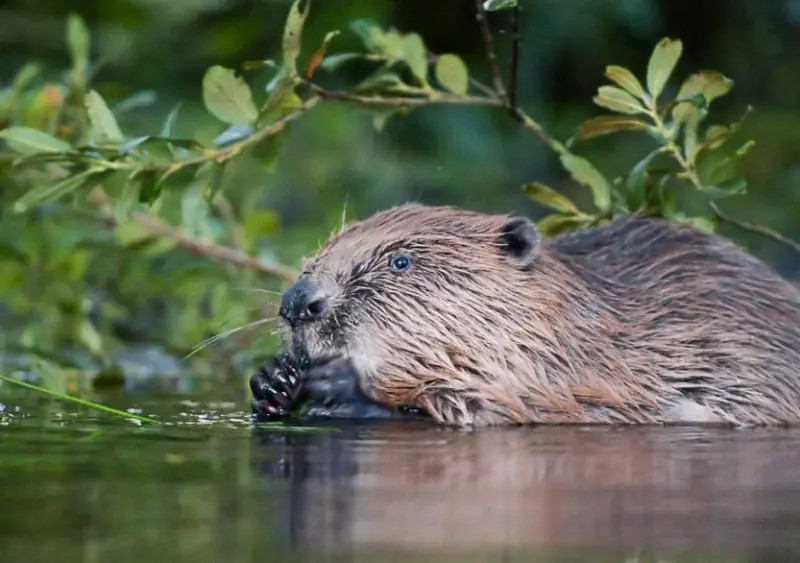
Across parts of Oregon, more homeowners have started noticing something unexpected. Water pooling near fences. Lawns staying soggy longer than usual. Small backyard creeks suddenly widening. In many cases, the cause turns out not to be broken drainage systems or excessive rainfall alone, but beaver activity nearby.
Beavers are a native and ecologically important species throughout the Pacific Northwest. Their dam building behavior shapes wetlands, improves biodiversity, and supports water retention in drought prone landscapes. Yet when their construction occurs near residential neighborhoods, the same ecological benefits can sometimes create local flooding challenges.
Understanding why beavers appear to be flooding yards more often involves looking at habitat recovery, climate patterns, urban expansion, water management changes, and natural wildlife adaptation. What feels sudden often reflects long term environmental shifts becoming visible.
Table of Contents
- 1 Beaver Populations in Oregon Are Recovering
- 2 How Beaver Dams Cause Yard Flooding
- 3 Oregon’s Climate Plays a Major Role
- 4 Human Development Changes Water Flow
- 5 Ecological Benefits of Beaver Activity
- 6 Why Flooding Sometimes Feels Sudden
- 7 Common Signs Beaver Activity May Affect Your Yard
- 8 Managing Beaver Related Flooding Responsibly
- 9 Legal and Conservation Considerations
- 10 Long Term Outlook for Oregon Neighborhoods
- 11 FAQs About Beaver Flooding in Oregon
- 12 Final Thoughts
Beaver Populations in Oregon Are Recovering
Historical Decline and Modern Recovery
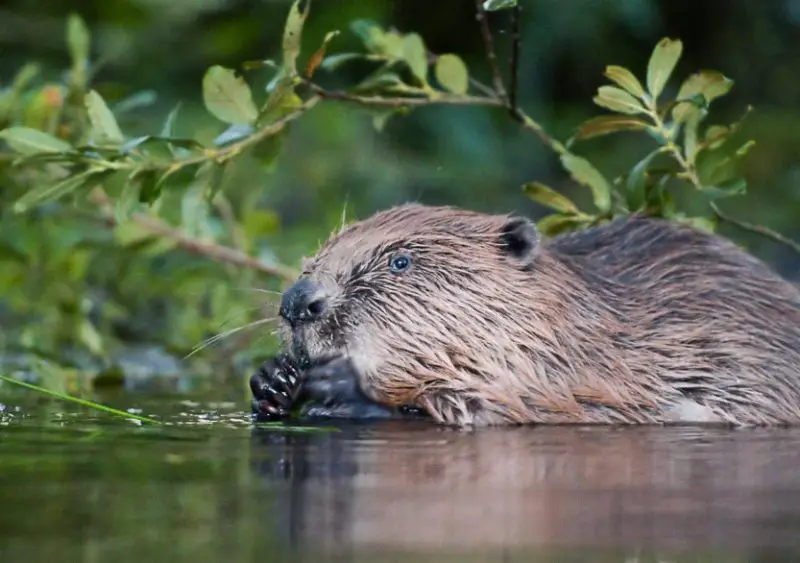
Beavers once thrived across nearly all freshwater landscapes in Oregon. Before large scale European settlement, rivers, wetlands, and forested streams supported extensive beaver populations that shaped ecosystems through dam building and wetland creation. However, the fur trade of the eighteenth and nineteenth centuries dramatically reduced their numbers. Intensive trapping targeted beavers specifically for their valuable pelts, causing steep population declines across much of the Pacific Northwest.
In addition to trapping, widespread land transformation accelerated the decline. Logging operations removed riparian vegetation that beavers relied on for food and dam construction. Agricultural expansion drained wetlands and altered natural waterways. Growing towns and infrastructure further fragmented habitat, making it difficult for beaver populations to recover naturally.
Over the past several decades, attitudes toward wildlife conservation have shifted. Regulated trapping, habitat restoration projects, wetland conservation programs, and increased ecological awareness have allowed beavers to rebound. Streams that once lacked beaver activity now support colonies again. As these populations recover, encounters with human communities naturally become more frequent, especially where development overlaps historic beaver habitat.
Expanding Territory Into Suburban Areas
Beavers are naturally dispersive animals. Once young beavers reach maturity, usually around two years of age, they leave their natal colony to establish new territories. This dispersal behavior helps prevent overcrowding and maintains genetic diversity. In Oregon, where many prime wilderness habitats are already occupied, dispersing individuals increasingly explore suburban waterways.
Modern neighborhoods often include stormwater retention ponds, landscaped streams, irrigation canals, drainage ditches, and wooded greenbelts. These features mimic natural riparian environments. From a beaver’s perspective, they provide water access, vegetation, and relatively stable conditions suitable for dam construction.
As beavers colonize these suburban water systems, their engineering activities can influence nearby properties. This expansion into human modified landscapes contributes to the perception that flooding has suddenly begun, even though it reflects long term population recovery and natural dispersal patterns.
How Beaver Dams Cause Yard Flooding
Natural Dam Building Behavior
Beavers build dams primarily to create deep, stable ponds. These ponds offer protection from predators, allow safe access to aquatic plants, and provide suitable conditions for lodge construction. The pond environment also enables beavers to store branches underwater for winter food supplies.
Dam construction involves layering sticks, branches, mud, grasses, and occasionally stones. Beavers constantly maintain and reinforce these structures. Even relatively small dams can significantly slow water flow and raise upstream water levels.
When dams form upstream from residential areas, they can alter local hydrology. Water may spread laterally into low lying yards, increase groundwater saturation, or change drainage patterns that homeowners previously relied on.
Water Backup and Soil Saturation
Beaver dams rarely create immediate dramatic flooding. Instead, water levels rise gradually. Partial obstructions slow flow enough to allow sediment accumulation and increased soil moisture. Over time, this can cause subtle but persistent changes in backyard conditions.
Homeowners may notice lawns remaining wet longer after rain, garden beds becoming waterlogged, or shallow drainage channels expanding. Standing water may appear near fences, patios, or property edges adjacent to streams.
These changes often become obvious only after significant rainfall events. Because dam construction may have occurred months earlier, the flooding can seem sudden even though the underlying process developed slowly.
Oregon’s Climate Plays a Major Role
Seasonal Rainfall Patterns
Oregon’s climate varies by region but generally includes wet winters and comparatively dry summers. Winter rainfall and mountain snowmelt increase stream flow significantly. When beaver dams are present, this increased flow may cause water to back up more noticeably.
Normally efficient drainage systems may struggle under these combined conditions. Water slowed by dams takes longer to move downstream, increasing soil saturation near residential areas.
Because the dam often predates heavy rain, homeowners may associate flooding directly with recent weather rather than the earlier wildlife activity that contributed to water retention.
Increasing Weather Variability
Climate variability has introduced more unpredictable precipitation patterns in parts of the Pacific Northwest. Periods of intense rainfall followed by extended dry conditions are becoming more common.
Beaver dams can help ecosystems retain water during drought periods by maintaining wetlands and groundwater levels. However, during heavy rainfall events, the same retention capacity may increase localized flooding near developed areas.
Climate patterns and wildlife behavior interact continuously. Neither factor alone explains flooding trends, but together they shape the outcomes observed by homeowners.
Human Development Changes Water Flow
Urban Expansion Into Riparian Zones
As Oregon communities grow, residential development increasingly occurs near rivers, creeks, wetlands, and drainage corridors. These areas are attractive for scenic value but also represent natural wildlife habitat.
Beavers are drawn to water sources with vegetation and stable banks. When homes are built near these habitats, interactions become more likely. In many cases, wildlife has not moved closer to people. Instead, people have moved closer to wildlife habitat.
This shift can create the impression that beavers are newly responsible for flooding, even though their presence reflects longstanding ecological patterns.
Altered Drainage Systems
Modern stormwater infrastructure often includes retention ponds, artificial wetlands, and slow moving drainage channels designed to manage runoff. While beneficial for flood control, these features can unintentionally attract beavers.
Stable water levels, abundant vegetation, and limited disturbance create ideal dam building conditions. Once beavers establish colonies, their engineering activities can modify the very systems designed to control water flow.
The interaction between infrastructure and wildlife can produce unexpected results, including altered drainage patterns affecting nearby yards.
Ecological Benefits of Beaver Activity
Natural Water Storage
Beaver ponds act as natural reservoirs. They store water during wet periods and release it gradually during dry seasons. This function supports groundwater recharge, maintains stream flow during drought, and sustains riparian vegetation.
Stored water also reduces wildfire risk by keeping surrounding landscapes moist. In Oregon’s fire prone regions, this ecological service can be particularly valuable.
While homeowners may experience localized flooding, broader ecosystem benefits often extend well beyond individual properties.
Biodiversity Enhancement
Beaver engineered wetlands create diverse habitats supporting birds, amphibians, fish, insects, and aquatic plants. Many species depend on slow water environments that would not exist without beaver dams.
These wetlands increase ecological complexity and resilience. Scientists frequently describe beavers as keystone species because their activities influence entire ecosystems.
Balancing these ecological advantages with residential concerns requires thoughtful management strategies rather than simple removal.
Why Flooding Sometimes Feels Sudden
Gradual Changes Become Visible Quickly
Dam construction is typically incremental. Beavers add materials gradually, adjusting structures over time. Early water level changes may be subtle and easily overlooked.
A heavy rain event or rapid snowmelt can suddenly make the accumulated effects visible. Water spreads into areas previously unaffected, creating the perception of sudden flooding.
Understanding this timeline helps clarify why flooding may appear abrupt even though it developed slowly.
Increased Public Awareness
Modern communication amplifies wildlife observations. Social media, neighborhood forums, and local news outlets quickly spread information about beaver sightings and flooding concerns.
Greater awareness encourages more reporting. What once might have gone unnoticed now becomes widely discussed.
This shift in perception contributes to the sense that beaver related flooding is increasing rapidly.
Common Signs Beaver Activity May Affect Your Yard
Visible Dams or Lodges
Beaver dams typically appear as accumulations of sticks and mud across waterways. Lodges often resemble dome shaped structures rising from ponds. Observing upstream areas can reveal whether beavers are influencing water levels.
Early identification allows proactive management before significant flooding occurs.
Chewed Trees and Vegetation
Beavers harvest bark and branches for food and construction. Trees near water may show characteristic conical chew marks. Freshly cut stumps or stripped bark often signal active colonies.
These signs frequently appear before noticeable water level changes.
Rising Water Levels
Gradual encroachment of water into low lying areas near streams or drainage channels may indicate dam influence. Monitoring water trends over time helps determine whether wildlife activity plays a role.
Early detection supports effective mitigation.
Managing Beaver Related Flooding Responsibly
Non Lethal Mitigation Methods
Wildlife agencies increasingly promote coexistence solutions rather than removal. Flow devices, sometimes called “beaver deceivers,” allow controlled water passage through dams without destroying the structure. Tree protection fencing prevents vegetation damage. Landscaping adjustments improve yard drainage.
These methods address flooding while preserving ecological benefits.
Professional Assessment
Environmental consultants, wildlife biologists, or local agencies can evaluate flooding sources. Proper assessment ensures that solutions address the correct cause rather than relying on assumptions.
Professional guidance supports sustainable outcomes for both homeowners and wildlife.
Legal and Conservation Considerations
Protected Wildlife Status
Beavers are native wildlife with recognized ecological importance. Regulations often restrict relocation, removal, or dam alteration without permits. These protections reflect their role in ecosystem health.
Understanding legal requirements helps homeowners avoid unintended violations.
Habitat Preservation Goals
Many conservation initiatives actively encourage wetland restoration. Beaver activity often aligns with these goals by naturally creating wetland habitat.
Balancing property protection with conservation objectives requires cooperation among residents, agencies, and environmental groups.
Long Term Outlook for Oregon Neighborhoods
Continued Wildlife Adaptation
As urban landscapes evolve, wildlife adaptation continues. Beavers demonstrate exceptional flexibility in habitat selection. Their presence in suburban areas will likely persist where suitable water and vegetation exist.
Prepared communities equipped with knowledge and mitigation strategies can coexist effectively with these ecosystem engineers.
Integrated Water Management
Future urban planning increasingly incorporates natural water retention approaches such as green infrastructure and wetland restoration. Beaver created wetlands sometimes complement these strategies by enhancing water storage and biodiversity.
Collaboration between planners, conservationists, and residents can transform potential conflicts into mutually beneficial solutions, supporting both ecological health and residential stability.
FAQs About Beaver Flooding in Oregon
Are beavers intentionally flooding yards
No. Flooding results from natural dam building for habitat, not targeted behavior.
Is flooding always caused by beavers
Not always. Drainage issues, rainfall, and landscape factors also contribute.
Are beaver dams harmful
Ecologically beneficial overall but may cause localized property challenges.
Should dams be removed immediately
Assessment first. Removal without planning can create environmental impacts.
Can flooding be prevented
Flow devices, landscaping, and monitoring often help.
Are beavers dangerous
Generally no. They avoid humans when undisturbed.
Will flooding continue long term
Depends on habitat conditions, weather, and management actions.
Who should homeowners contact
Local wildlife agencies or environmental specialists provide guidance.
Final Thoughts
Beavers flooding yards in Oregon neighborhoods often reflect broader environmental trends rather than sudden wildlife problems. Population recovery, habitat overlap, climate patterns, and urban development all contribute to increased visibility.
While localized flooding can create challenges for homeowners, beavers remain valuable ecosystem engineers supporting water storage, biodiversity, and habitat resilience. Understanding their behavior helps communities respond thoughtfully rather than reactively.
With informed management and respect for natural processes, coexistence between Oregon residents and beaver populations remains achievable and beneficial for both people and ecosystems.