
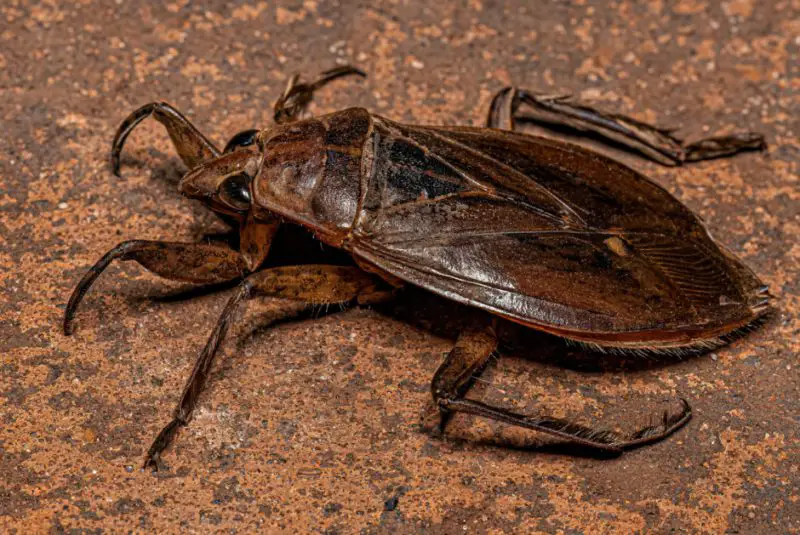
Florida’s warm lakes, canals, wetlands, and swimming areas attract millions of people each year. Alongside fish, turtles, birds, and other wildlife, another aquatic resident occasionally surprises swimmers, anglers, and kayakers — the giant water bug. Often called “toe biters,” these insects have gained attention because of their painful bite and sudden appearance in recreational waters.
Stories circulate online about shocking encounters, intense pain, and unexpected sightings near pools, ponds, and lakes. While the reactions can sound alarming, the reality behind giant water bug bites is more nuanced. Understanding their behavior, habitat preferences, defensive instincts, and ecological role helps explain why encounters occur and how to reduce risk.
This article explores what giant water bugs are, why bites happen, how dangerous they really are, and why Florida waters seem to host them more frequently than many other regions.
Table of Contents
- 1 What Giant Water Bugs Actually Are
- 2 Why Florida Waters Host Many Giant Water Bugs
- 3 Why Bites Actually Occur
- 4 How Painful Is the Bite Really
- 5 Common Situations Leading to Encounters
- 6 Ecological Importance of Giant Water Bugs
- 7 Misconceptions About Giant Water Bugs
- 8 Preventing Giant Water Bug Bites
- 9 Seasonal Activity Patterns
- 10 Public Health Perspective
- 11 FAQs About Giant Water Bugs in Florida
- 12 Final Thoughts
What Giant Water Bugs Actually Are
Large Aquatic Predatory Insects
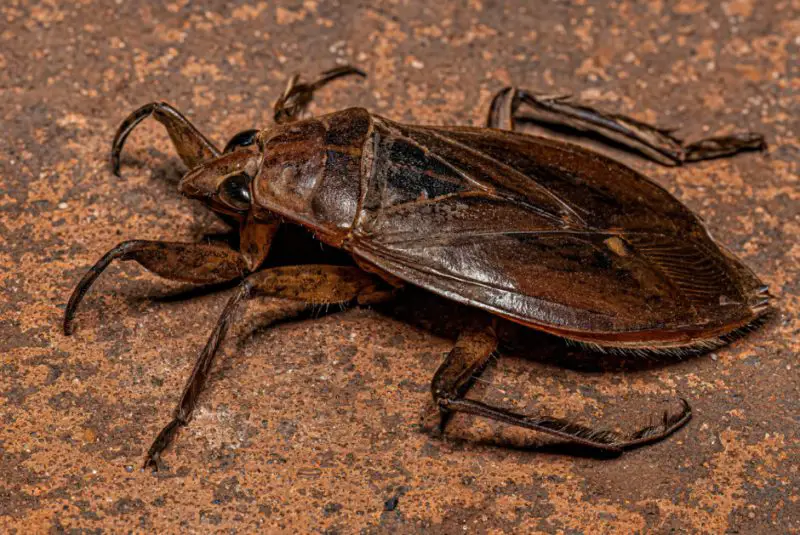
Giant water bugs belong to the insect family Belostomatidae, a group of aquatic true bugs known for their impressive size and predatory lifestyle. In North America, some species can exceed two inches in length, making them among the largest aquatic insects people commonly encounter. Their flattened oval bodies allow them to glide efficiently through water, while their powerful raptorial front legs function much like those of a praying mantis, enabling them to seize prey quickly.
Their mouthparts form a specialized piercing structure called a rostrum. This tool allows them to inject digestive enzymes into prey and then draw out liquefied tissues. This feeding method is highly efficient in aquatic environments where prey can escape quickly. Tadpoles, aquatic insect larvae, small fish, and even young amphibians may become targets.
Although their size and hunting ability can look intimidating, they are not aggressive toward humans. They focus on survival and feeding rather than defense unless directly threatened. In fact, their presence often indicates healthy freshwater ecosystems with balanced insect and small vertebrate populations.
The “Toe Biter” Nickname
The nickname “toe biter” developed from occasional encounters between swimmers and giant water bugs in shallow water. When someone accidentally steps on one, the insect may deliver a defensive bite. Because the insect typically remains still and camouflaged near vegetation or sediment, such encounters often happen unexpectedly.
The bite itself involves the piercing rostrum injecting digestive enzymes designed to immobilize prey. For humans, this produces a sharp burst of pain that can feel surprisingly intense for an insect bite. The pain usually subsides gradually, though mild redness or swelling may persist briefly.
Despite dramatic stories, these insects do not seek out people. Most bites occur only when the insect is trapped, stepped on, or handled. Understanding this defensive nature helps reduce unnecessary fear.
Why Florida Waters Host Many Giant Water Bugs
Warm Climate Advantages
Florida’s warm subtropical climate supports aquatic insect activity throughout the year. In northern states, winter temperatures slow insect metabolism and reproduction. In Florida, mild winters allow breeding cycles to continue with minimal interruption.
Stable water temperatures also support aquatic plant growth and prey abundance. This creates reliable food sources for giant water bugs. With fewer seasonal constraints, populations can remain stable or gradually increase over time.
These conditions help explain why sightings in Florida are more frequent compared with colder regions where insect activity drops sharply in winter.
Extensive Wetland Systems
Florida contains vast freshwater systems including marshes, swamps, lakes, canals, retention ponds, and slow moving rivers. These habitats provide ideal environments for giant water bugs, which prefer calm waters with vegetation where they can hide while hunting.
Aquatic vegetation offers camouflage, egg laying surfaces, and access to prey species. Natural wetlands are complemented by human created water bodies such as stormwater ponds, golf course lakes, and irrigation canals. These additional habitats expand the available range.
The combination of natural wetlands and urban water features creates extensive habitat connectivity that supports stable insect populations.
Why Bites Actually Occur
Defensive Behavior, Not Aggression
Giant water bugs rely heavily on camouflage. Their coloration blends with mud, leaves, and aquatic plants. When disturbed, they usually remain still rather than fleeing immediately. This strategy protects them from predators but increases the chance of accidental human contact.
If stepped on, picked up, or trapped against skin, they may bite defensively. This response is instinctive and meant to deter perceived threats. They do not actively pursue humans or initiate encounters.
Recognizing this defensive nature clarifies why bites occur mainly during accidental contact rather than deliberate attacks.
Attraction to Lights
Adult giant water bugs possess functional wings and can fly, especially during warm evenings. Artificial lights attract many nocturnal insects, and giant water bugs are no exception. They sometimes land near pools, patios, docks, or waterfront homes.
People may encounter them unexpectedly in these settings, increasing the chance of accidental contact. Lights near water features can therefore influence encounter frequency.
Managing outdoor lighting can reduce these interactions.
How Painful Is the Bite Really
Immediate Sensation
The bite typically produces sudden sharp pain. Many people describe it as intense but localized. The discomfort results from digestive enzymes entering the skin and stimulating nerve endings.
Swelling, redness, or mild tenderness may follow. These symptoms usually resolve within hours or a couple of days. Individual pain tolerance varies widely, so reactions differ.
The bite rarely causes lasting tissue damage.
Medical Risk Assessment
For most individuals, giant water bug bites pose minimal medical risk. Cleaning the affected area and monitoring for infection is usually sufficient. Allergic reactions are possible with any insect bite but remain uncommon.
Medical evaluation is recommended if symptoms such as severe swelling, persistent pain, dizziness, or breathing difficulty occur. These situations are rare but warrant caution.
Overall, the bite is memorable rather than dangerous.
Common Situations Leading to Encounters
Recreational Swimming Areas
Shallow lake edges, ponds, and calm river sections often provide suitable habitat for giant water bugs. Swimmers entering these areas may unknowingly disturb resting insects hidden among vegetation or sediment.
Water shoes provide effective protection by preventing direct contact. Awareness of habitat type also reduces surprise encounters.
Most interactions occur during warm months when both insect activity and recreational water use increase.
Fishing and Boating Activities
Anglers handling nets, aquatic plants, or bait buckets occasionally encounter giant water bugs. Kayakers and boaters may notice them near shorelines or floating debris.
These interactions are usually brief and harmless. The insects typically attempt to escape once disturbance ends.
Simple caution while handling aquatic materials minimizes risk.
Ecological Importance of Giant Water Bugs
Predator Role in Aquatic Ecosystems
Giant water bugs occupy an important predator niche in freshwater ecosystems. By feeding on insects, larvae, tadpoles, and small fish, they help regulate aquatic populations. This contributes to ecological balance and prevents overpopulation of certain species.
They also serve as prey for larger animals. Birds, fish, reptiles, and amphibians may feed on them, integrating them into broader food webs.
Healthy predator prey relationships maintain ecosystem stability.
Food Source for Other Wildlife
Despite their predatory role, giant water bugs are themselves prey. Wading birds, larger fish, turtles, and amphibians include them in their diets.
This dual role strengthens ecosystem resilience. Each species contributes to energy transfer across trophic levels.
Their presence often indicates diverse and functioning freshwater habitats.
Misconceptions About Giant Water Bugs
They Are Not Venomous in the Traditional Sense
The enzymes injected during a bite aid digestion rather than functioning as venom designed to harm humans. While painful, the bite rarely causes systemic effects.
Understanding this distinction helps reduce exaggerated fear.
Accurate information promotes balanced perception.
They Do Not Seek Human Interaction
Encounters usually occur accidentally. These insects prefer avoiding large animals and disturbances.
Maintaining respectful distance prevents most bites.
Education replaces unnecessary anxiety with understanding.
Preventing Giant Water Bug Bites
Awareness Around Water
Observing shallow water before stepping helps detect aquatic life. Avoiding dense vegetation areas where insects hide reduces contact probability.
Water shoes offer additional protection during swimming or wading activities.
Simple awareness is highly effective.
Managing Outdoor Lighting
Reducing unnecessary nighttime lighting near water bodies can limit insect attraction. Shielded fixtures that direct light downward may also help.
Environmental adjustments support coexistence without harming wildlife.
Balanced management benefits both people and ecosystems.
Seasonal Activity Patterns
Peak Warm Season Activity
Spring through early fall generally brings increased giant water bug activity. Warmer water accelerates metabolism, feeding, and reproduction.
Population visibility rises during these periods. Recreational water use also increases, leading to more encounters.
Seasonal awareness improves preparedness.
Year Round Presence in Florida
Unlike colder regions, Florida’s mild winters allow continued insect activity. While activity may slow slightly, populations remain present throughout the year.
This consistent presence explains why sightings can occur even during cooler months.
Climate stability supports ongoing ecological cycles.
Public Health Perspective
Rare Medical Concerns
Most bites require only basic care. Cleaning the area and monitoring for irritation is usually sufficient.
Severe reactions remain uncommon. Prompt medical attention is recommended if unusual symptoms arise.
Overall risk remains low.
Importance of Education
Accurate information reduces panic and promotes responsible interaction with wildlife. Understanding insect behavior encourages safe coexistence.
Public education helps prevent unnecessary extermination and supports ecological balance.
Knowledge fosters respect for freshwater ecosystems and the species that inhabit them.
FAQs About Giant Water Bugs in Florida
Are giant water bugs dangerous to swimmers
Usually not. Bites are defensive and rarely medically serious.
Why are they called toe biters
Because accidental stepping sometimes triggers defensive bites.
Can they fly
Yes. Adults fly, often attracted to lights.
Should they be removed from pools
Careful relocation is usually sufficient.
Are they beneficial
Yes. They help regulate aquatic ecosystems.
Do they bite frequently
Encounters are relatively rare.
How can bites be prevented
Awareness, water shoes, and avoiding handling help.
Are they invasive
Most Florida species are native.
Final Thoughts
Giant water bug bites in Florida waters often generate concern because encounters feel sudden and painful. In reality, these insects are native aquatic predators playing important ecological roles. Bites typically occur only when the insects are accidentally disturbed.
Florida’s warm climate, abundant wetlands, and urban water features create ideal habitat conditions that increase visibility. Awareness, basic precautions, and understanding their behavior help reduce unnecessary fear.
With balanced knowledge, residents and visitors can safely enjoy Florida’s waterways while appreciating the complex wildlife that inhabits them.