
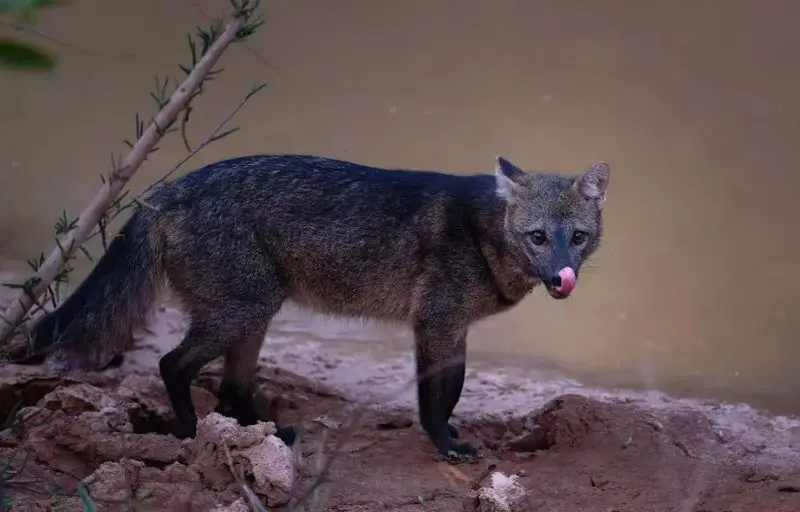
New Mexico has occasionally reported unusual canine sightings that naturally spark curiosity. A lean animal with a bushy tail crosses a dusty road at dusk. A small predator darts along a fence line near rural homes. Social media posts appear claiming someone saw a “fox dog mix” wandering desert neighborhoods. These observations often lead to speculation about hybrid animals that combine traits of wild foxes and domestic dogs.
While the idea sounds intriguing, the scientific reality is very different. Fox dog hybrids are not known to exist, and biological barriers make such crosses extremely unlikely. Still, the belief persists. Misidentification, folklore, changing wildlife behavior, and increasing human wildlife overlap all contribute to the impression that hybrid canines roam New Mexico deserts.
Understanding why people think these hybrids exist requires exploring desert ecology, wildlife identification challenges, genetics, and the psychology of observation. The answer is less mysterious than it first appears, but it reveals fascinating details about wildlife adaptation in the American Southwest.
Table of Contents
- 1 Foxes and Dogs Are Not Closely Related Enough to Hybridize
- 2 Why New Mexico Desert Sightings Fuel Hybrid Rumors
- 3 Common Animals Mistaken for Fox Dog Hybrids
- 4 The Role of Folklore and Local Stories
- 5 Human Expansion Into Wildlife Habitat
- 6 Genetic Reality Behind Hybridization
- 7 Identification Tips for Desert Residents
- 8 Ecological Importance of Desert Canines
- 9 Why Accurate Wildlife Understanding Matters
- 10 FAQs About Fox Dog Hybrid Beliefs in New Mexico
- 11 Final Thoughts
Foxes and Dogs Are Not Closely Related Enough to Hybridize
Different Genera Within the Canine Family
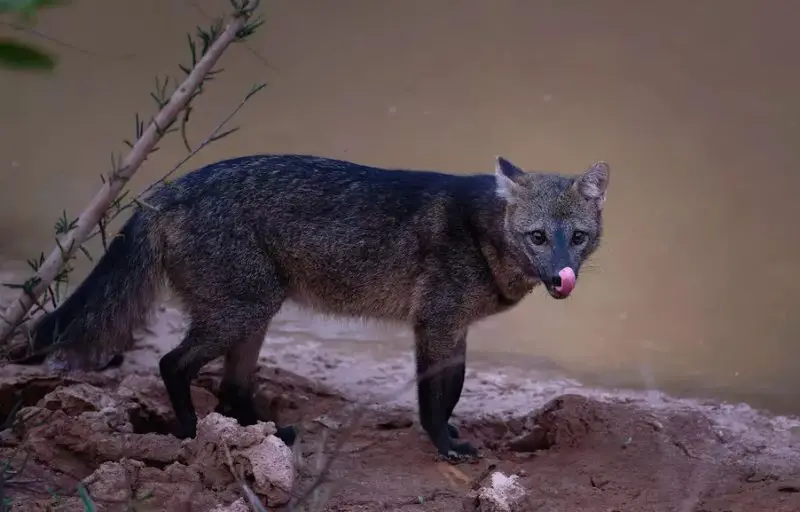
Foxes and domestic dogs both belong to the biological family Canidae, which includes wolves, coyotes, jackals, and several fox species. Despite this shared family classification, they are separated at the genus level, which represents a much deeper evolutionary division. Domestic dogs descend from wolves within the genus Canis, alongside coyotes and jackals. Foxes, on the other hand, typically belong to the genus Vulpes or closely related genera that diverged from the wolf lineage millions of years ago.
This evolutionary separation creates substantial reproductive barriers. External similarities such as pointed ears, bushy tails, or slender bodies can make foxes and dogs appear somewhat alike, but internal genetics tell a very different story. Differences in chromosome structure, reproductive cycles, scent signaling, and mating behavior all contribute to incompatibility. Even if physical mating were attempted, successful fertilization and viable offspring would be extremely unlikely.
Scientific research has repeatedly examined the possibility of fox dog hybridization. To date, no confirmed stable hybrids have been documented. Wildlife biologists consistently emphasize that reports of fox dog crosses lack credible genetic evidence. The scientific consensus remains firm that foxes and domestic dogs cannot produce viable hybrid offspring.
Behavior Differences Limit Interaction
Beyond genetics, behavioral differences further reduce any possibility of hybridization. Foxes are typically solitary animals or live in small family units. Their communication relies heavily on subtle scent marking, quiet vocalizations, and cautious territorial behavior. Domestic dogs, especially those influenced by human environments, often display more social and flexible behavior patterns.
Mating timing also differs. Foxes generally have specific seasonal breeding periods tied to environmental cues. Domestic dogs can breed multiple times per year depending on conditions. These mismatched cycles make encounters during fertile periods unlikely.
Territorial behavior adds another barrier. Foxes tend to avoid larger canines such as dogs or coyotes, which they may perceive as competitors or threats. These behavioral factors combine with genetic incompatibility to make cross breeding essentially implausible in natural settings.
Why New Mexico Desert Sightings Fuel Hybrid Rumors
Unique Desert Wildlife Diversity
New Mexico’s desert ecosystems support a surprising diversity of medium sized canines. Gray foxes, kit foxes, coyotes, feral dogs, and free roaming domestic pets sometimes occupy overlapping habitats. For residents unfamiliar with wildlife identification, distinguishing among these animals can be challenging, especially when sightings occur briefly or at a distance.
Desert lighting conditions further complicate identification. Dust, heat shimmer, sparse vegetation, and low light at dawn or dusk can alter perceived coloration and body shape. A coyote with an unusual coat or a fox suffering from mange may appear unfamiliar enough to spark hybrid speculation.
This natural visual ambiguity encourages creative explanations when people encounter animals they cannot easily identify.
Sparse Human Presence Encourages Mystery
Many desert regions feature low population density, limited nighttime lighting, and expansive open landscapes. Wildlife sightings often happen quickly, sometimes from vehicles or at long distances. Observers rarely have time to confirm details such as tail shape, ear size, or gait.
When certainty is lacking, the human mind often fills gaps with speculation. Hybrid explanations become appealing because they offer a way to reconcile unusual features. The idea of a fox dog mix provides a convenient narrative for an unfamiliar sighting.
This pattern is not unique to New Mexico. Similar hybrid rumors appear worldwide wherever wildlife and human communities overlap.
Common Animals Mistaken for Fox Dog Hybrids
Coyotes With Unusual Coat Colors
Coyotes display significant variation in coat color, size, and facial structure. Diet, seasonal shedding, genetics, and environmental conditions all influence appearance. Some individuals appear darker, reddish, pale, or patchy compared with typical expectations.
Because coyotes belong to the same genus as domestic dogs, they can produce real hybrids known as coydogs. Awareness of these legitimate hybrids sometimes leads observers to assume foxes might hybridize with dogs as well.
In reality, many suspected fox dog hybrids turn out to be coyotes or coydogs exhibiting natural variation.
Feral Domestic Dogs
Domestic dogs living without consistent human care often develop physical changes over time. Leaner bodies, longer legs, thicker coats, and altered coloration can emerge as animals adapt to harsh desert conditions.
These changes can make feral dogs resemble wild canines. Without close observation, they may be mistaken for fox dog hybrids.
Behavioral adaptation rather than genetic mixing typically explains these appearances.
Gray Foxes and Kit Foxes
New Mexico supports both gray foxes and kit foxes, each adapted to desert conditions. Gray foxes possess bushy tails, compact bodies, and the unusual ability to climb trees. Kit foxes are smaller, with large ears that help dissipate heat and detect prey underground.
Observers unfamiliar with these species may perceive their natural variation as evidence of hybridization. Careful identification usually resolves the confusion.
Understanding local wildlife diversity helps dispel hybrid myths.
The Role of Folklore and Local Stories
Historical Wildlife Myths
Human communities have long created stories to explain unusual animal sightings. Hybrid creatures appear frequently in folklore because they blend familiar characteristics with mystery. Ranching communities in desert regions often pass down wildlife stories across generations, shaping local perceptions.
These narratives can persist even when scientific evidence contradicts them. Cultural storytelling adds richness to local history but sometimes influences wildlife interpretation.
Hybrid myths often reflect curiosity rather than factual observation.
Social Media Amplification
Modern communication platforms accelerate rumor spread dramatically. A single photograph posted online can generate thousands of comments, many speculative. Without expert verification, assumptions may quickly solidify into perceived facts.
Repeated sharing reinforces belief. The more often people encounter hybrid claims, the more plausible they seem.
Digital communication shapes modern wildlife perception as much as direct observation.
Human Expansion Into Wildlife Habitat
Urban Fringe Development
Suburban growth in New Mexico increasingly extends into desert landscapes. Housing developments near open land bring people closer to wildlife corridors traditionally used by foxes and coyotes.
Residents unfamiliar with local species suddenly encounter them regularly. Novelty often sparks speculation about unusual origins.
Habitat overlap naturally increases sightings without requiring hybridization.
Changes in Wildlife Behavior
Wild animals adapt quickly to human presence. Landscaping, irrigation, outdoor pet food, and waste disposal can attract canines closer to residential areas. Reliable water sources in arid environments are especially attractive.
These behavioral adaptations make wildlife more visible. Increased visibility sometimes leads observers to assume genetic change rather than simple ecological adaptation.
Adaptation does not imply hybrid origin.
Genetic Reality Behind Hybridization
Real Hybrid Examples in North America
Hybridization does occur among closely related canines. Coyotes and domestic dogs can produce coydogs. Wolves and dogs can also hybridize in certain regions. These species belong to the same genus, Canis, which facilitates compatibility.
Awareness of these real hybrids often fuels speculation about fox dog crosses.
Understanding the limits of hybridization helps clarify misconceptions.
Why Fox Dog Hybrids Remain Unsupported
Foxes differ genetically from dogs enough to prevent viable hybrid offspring. Differences in chromosome arrangement, reproductive physiology, mating behavior, and evolutionary history all contribute to reproductive isolation.
Scientific consensus remains clear. Evidence based wildlife biology does not support fox dog hybrids.
This conclusion reflects decades of research.
Identification Tips for Desert Residents
Physical Characteristics to Watch
Foxes typically have smaller bodies, narrow muzzles, large ears, and bushy tails with distinctive markings. Coyotes appear taller with longer legs and narrower torsos. Domestic dogs vary widely but often have heavier builds and more variable coat patterns.
Careful observation of body proportions helps distinguish species.
Behavioral Clues
Foxes move lightly and cautiously, often hugging cover. Coyotes travel with purposeful, straight line movement. Feral dogs may show less predictable wandering patterns.
Behavioral observation complements physical identification.
Patience improves accuracy.
Ecological Importance of Desert Canines
Predator Roles in Ecosystems
Foxes and coyotes help regulate rodent populations, reducing agricultural damage and maintaining ecological balance. Their predation supports biodiversity and prevents overpopulation of smaller animals.
Hybrid myths should not overshadow these ecological contributions.
Predators play essential roles in desert ecosystems.
Adaptation to Arid Conditions
Desert canines exhibit remarkable survival strategies. Nocturnal activity helps avoid daytime heat. Efficient water conservation, opportunistic diets, and flexible habitat use support resilience.
Understanding these adaptations fosters appreciation rather than fear.
Education promotes coexistence.
Why Accurate Wildlife Understanding Matters
Preventing Unnecessary Fear
Hybrid myths sometimes exaggerate perceived danger. Accurate information encourages balanced responses to wildlife encounters.
Education reduces conflict between humans and animals.
Knowledge promotes confidence.
Supporting Conservation Efforts
Effective wildlife conservation depends on informed public understanding. Misidentification can lead to inappropriate management actions or unnecessary concern.
Clear communication benefits ecosystems and communities alike.
Science based awareness improves long term outcomes.
FAQs About Fox Dog Hybrid Beliefs in New Mexico
Can foxes and dogs produce offspring
No credible scientific evidence supports this possibility.
What animals are mistaken for hybrids
Coyotes, feral dogs, and native fox species.
Are coydog hybrids real
Yes. Coyotes and dogs can interbreed.
Why are sightings increasing
Habitat overlap and increased awareness.
Are desert foxes dangerous
They generally avoid humans.
Should unusual sightings be reported
Yes, to wildlife agencies for accurate monitoring.
Do hybrids pose greater risk
Evidence does not support increased danger.
How can residents learn identification
Local wildlife guides and agencies provide resources.
Final Thoughts
The belief in fox dog hybrids roaming New Mexico deserts reflects curiosity, folklore, and changing wildlife interactions rather than biological reality. Foxes and domestic dogs differ genetically and behaviorally enough to prevent hybridization, yet unusual sightings continue to spark speculation.
Understanding local wildlife species, habitat dynamics, and ecological adaptation helps explain what people are really seeing. Increased awareness encourages coexistence and supports conservation efforts while dispelling unnecessary myths.
As desert ecosystems continue evolving alongside human communities, education remains the most effective tool for appreciating wildlife accurately and responsibly.