
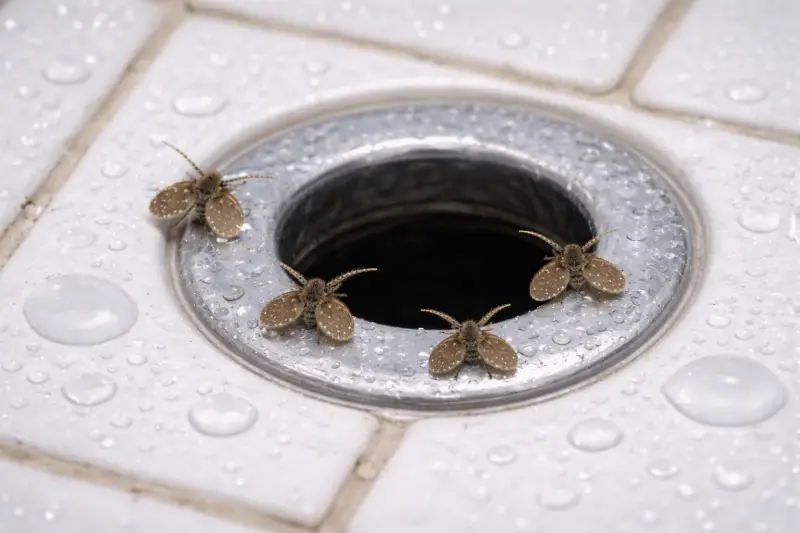
Tiny flies appearing in bathroom drains can quickly become frustrating for homeowners across Ohio. They seem to show up suddenly, hover near sinks and showers, rest on bathroom walls, and return even after cleaning. Many people assume the issue comes from outside insects entering the house, but in most cases, these flies are breeding directly inside plumbing systems.
Ohio’s humid summers, seasonal temperature swings, indoor moisture, and typical residential plumbing design create conditions where small flies can thrive. Understanding what these insects are, why they appear, and how their life cycle works helps explain why the problem persists and how it can be effectively managed.
This guide explores the science behind bathroom drain flies, Ohio environmental factors that encourage them, identification tips, health considerations, prevention strategies, and long term solutions for homeowners dealing with recurring infestations.
Table of Contents
- 1 What Those Tiny Bathroom Flies Usually Are
- 2 Why Ohio Homes Frequently Experience This Problem
- 3 Organic Buildup Inside Bathroom Drains
- 4 The Life Cycle of Drain Breeding Flies
- 5 Signs Flies Are Coming Specifically From Drains
- 6 Plumbing Design Factors That Contribute
- 7 Health and Safety Considerations
- 8 Effective Methods to Eliminate Drain Flies
- 9 Preventing Future Infestations
- 10 Natural Deterrent Methods
- 11 When Professional Help May Be Necessary
- 12 Common Misconceptions About Bathroom Drain Flies
- 13 Seasonal Trends in Ohio
- 14 Psychological Impact of Persistent Tiny Flies
- 15 Long Term Solutions for Ohio Homes
- 16 FAQs About Tiny Bathroom Drain Flies in Ohio
- 16.1 Why do drain flies keep returning after cleaning
- 16.2 Are these flies dangerous
- 16.3 Can they live year round in Ohio homes
- 16.4 Do air fresheners or sprays help
- 16.5 How quickly can infestations grow
- 16.6 Are they caused by poor hygiene
- 16.7 Should I call a plumber immediately
- 16.8 What is the best prevention method
- 17 Final Thoughts
What Those Tiny Bathroom Flies Usually Are
Drain Flies as the Primary Culprit
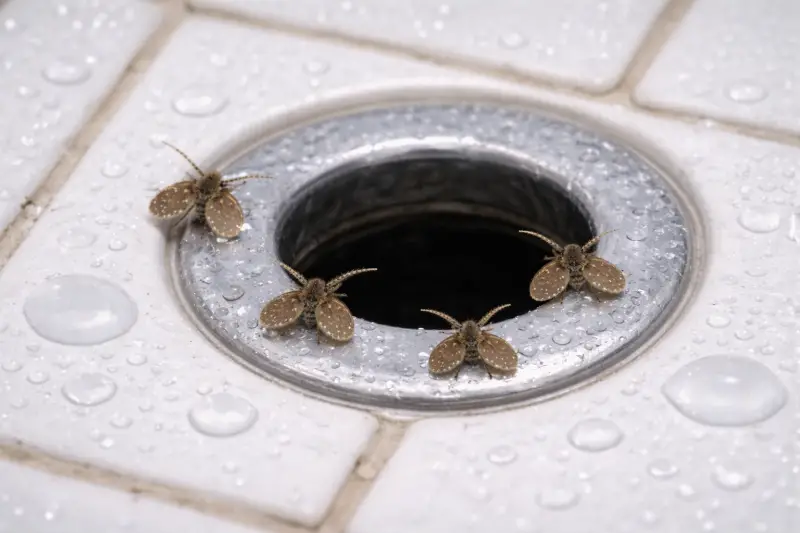
In most Ohio homes, the tiny flies that seem to appear from bathroom drains are drain flies, often called moth flies or sewer flies. These insects are extremely small, typically only a few millimeters long, and they have fuzzy wings that give them a soft, mothlike appearance. Their coloration usually ranges from gray to tan or slightly brown, allowing them to blend easily with bathroom surfaces. Homeowners often notice them resting quietly on walls, mirrors, or near sinks and shower areas where humidity remains high.
Drain flies reproduce in the thin organic slime that naturally accumulates inside plumbing systems. This slime, sometimes called biofilm, forms from everyday household materials such as soap residue, toothpaste, skin cells, hair fragments, bacteria, and cosmetic product remnants. Over time, these substances combine with moisture to create a sticky layer along pipe interiors. Larvae feed on this material while remaining safely protected from flowing water deeper inside the drain.
Although their presence can be unpleasant, drain flies are generally harmless. They do not bite humans or pets and rarely carry disease in residential environments. Most of the time, their appearance simply indicates organic buildup inside drains rather than a serious sanitation issue.
Other Possible Tiny Fly Species
While drain flies account for the majority of bathroom infestations, other small fly species sometimes appear and cause confusion. Correct identification helps determine the best approach for control.
Fungus gnats are one possibility. These delicate, mosquito-like insects often breed in damp soil from houseplants placed near bathrooms. Excess watering, poor drainage, or humid conditions encourage their development. They may gather near sinks simply because moisture is present.
Phorid flies, sometimes called humpbacked flies, can develop in drains that contain deeper organic buildup or hidden plumbing leaks. Their erratic running behavior rather than constant flight often distinguishes them from drain flies. Persistent phorid infestations sometimes indicate underlying plumbing issues that require attention.
Fruit flies occasionally show up if organic food residue, toothpaste sugars, or waste accumulates nearby. Although less common in bathrooms than kitchens, they can still appear under suitable conditions.
Accurate identification ensures that treatment targets the correct breeding source.
Why Ohio Homes Frequently Experience This Problem
Humidity and Seasonal Climate Conditions
Ohio’s climate plays a significant role in recurring bathroom fly issues. Summers are often humid, with warm temperatures that promote insect reproduction. Indoor bathroom environments add additional humidity through showers, baths, and sink use. Steam increases moisture levels on surfaces and inside drains, especially when ventilation is limited.
Without adequate exhaust fans or airflow, moisture lingers inside pipes and drain traps. This persistent humidity prevents organic biofilm from drying out, creating ideal conditions for larvae to survive and develop.
Even during cooler seasons, indoor humidity from heating systems can maintain sufficient moisture for breeding. Combined with Ohio’s seasonal climate patterns, bathrooms frequently provide stable environments for tiny flies.
Indoor Temperature Stability
Modern homes typically maintain relatively consistent indoor temperatures year round through heating and air conditioning systems. This stability removes natural seasonal barriers that might otherwise slow insect development.
During winter months in Ohio, outdoor insect populations decline due to cold temperatures. However, indoor plumbing systems remain warm enough to support drain fly reproduction continuously. Warm water usage from showers and sinks further stabilizes conditions.
The combination of consistent temperature and persistent moisture allows fly life cycles to continue uninterrupted throughout the year.
Organic Buildup Inside Bathroom Drains
Sources of Biofilm Formation
Bathroom drains inevitably collect organic residue through daily use. Common contributors include soap and shampoo residue, toothpaste particles, hair and skin cells, cosmetic products, lotions, shaving cream, and even cleaning solution remnants. These substances combine with naturally occurring bacteria and moisture to form a gelatinous biofilm coating the inner surfaces of pipes.
This biofilm serves as both a food source and protective habitat for drain fly larvae. Because it forms gradually, homeowners may not notice it until flies begin appearing.
Regular cleaning slows buildup but rarely eliminates it entirely without targeted maintenance.
Slow Drainage Zones
Plumbing systems contain bends, traps, and horizontal pipe sections designed to control water flow and prevent sewer gases from entering homes. These structural features can also create zones where water moves more slowly.
Organic material tends to settle in these slower flow areas. Over time, the accumulation thickens and becomes ideal breeding substrate for tiny flies.
Even well maintained homes eventually develop some level of biofilm due to normal use. Prevention focuses on controlling buildup rather than eliminating it completely.
The Life Cycle of Drain Breeding Flies
Egg Stage
Adult drain flies lay microscopic eggs directly on the moist organic film inside drains. These eggs are extremely small and typically invisible without magnification. Warm, humid conditions accelerate development, allowing eggs to hatch within one or two days.
Moisture is essential during this stage. Dry pipes rarely support egg survival.
Larval Stage
After hatching, larvae resemble tiny wormlike organisms. They feed on bacteria and decomposing organic material within the biofilm. This feeding stage usually lasts one to three weeks depending on temperature and humidity.
Because larvae remain hidden inside plumbing systems, surface sprays rarely affect them. This explains why infestations often persist despite visible cleaning.
Larval growth drives population expansion.
Pupal Stage
Following the larval phase, insects enter the pupal stage. Pupae remain embedded in the organic slime while metamorphosis occurs. This stage typically lasts several days.
Because pupae remain concealed, they contribute to recurring adult emergence even after initial cleaning efforts.
Adult Stage
Adult flies emerge from drains and are often attracted to light sources. They may gather near mirrors, windows, or fixtures. Adults typically live about two weeks, during which they reproduce and restart the life cycle.
Breaking this cycle requires targeting larvae within drains rather than focusing solely on adult insects.
Signs Flies Are Coming Specifically From Drains
Concentration Near Bathroom Fixtures
Clusters of flies resting near sinks, showers, or tubs usually indicate drain origin. They prefer humid areas where emerging adults remain close to breeding sites.
Observing resting locations helps identify which drain requires treatment.
Evening Activity Patterns
Drain flies often become more active in the evening when artificial lighting attracts them. Increased activity at night suggests recent emergence from indoor sources.
Timing observations can confirm drain related infestations.
Persistent Recurrence
If flies return repeatedly after surface cleaning, breeding likely continues inside plumbing. Surface sprays may eliminate adults temporarily but rarely affect hidden larvae.
Recurring infestations strongly indicate internal drain sources.
Plumbing Design Factors That Contribute
Rarely Used Drains
Guest bathrooms or infrequently used sinks allow organic residue to accumulate without regular flushing. Standing moisture provides ideal breeding conditions.
Periodic flushing helps disrupt buildup.
Aging Plumbing Systems
Older homes may have rough pipe interiors where residue adheres more easily. Small leaks or imperfect seals can create hidden moisture pockets.
Routine maintenance reduces risk.
Health and Safety Considerations
Disease Transmission Risk
Drain flies rarely transmit disease in residential environments. They do not bite humans or pets. Their presence generally represents nuisance rather than health hazard.
Maintaining clean drains addresses most concerns.
Allergies and Sensitivities
Some individuals may experience mild irritation or psychological discomfort due to insect presence. Anxiety often stems from uncertainty about sanitation.
Understanding the cause reduces stress.
Effective Methods to Eliminate Drain Flies
Mechanical Cleaning First
Physical scrubbing remains the most effective solution. Removing drain covers and cleaning inside pipe openings with a flexible brush disrupts biofilm where larvae develop.
Thorough cleaning often requires repetition.
Hot Water Flushing
Hot water helps loosen grease and organic residue. This method supports mechanical cleaning but should be used cautiously depending on pipe materials.
Combined approaches work best.
Enzyme Based Cleaners
Enzyme cleaners break down organic material naturally. They target the larval food source rather than insects directly.
Regular use helps prevent recurrence.
Baking Soda and Vinegar Approach
This combination produces foaming action that dislodges debris. Following with hot water helps flush loosened material.
It serves as a supplemental method.
Preventing Future Infestations
Routine Drain Maintenance
Monthly cleaning reduces biofilm accumulation. Preventive care proves more effective than reactive treatment.
Consistency is key.
Improved Bathroom Ventilation
Using exhaust fans during and after showers reduces humidity. Lower moisture discourages insect breeding.
Ventilation also improves overall indoor air quality.
Avoid Dumping Organic Waste
Using drain strainers to catch hair and disposing of thick residues properly reduces buildup.
Simple habits make a difference.
Natural Deterrent Methods
Essential Oil Repellents
Certain essential oils such as peppermint or eucalyptus may discourage adult flies temporarily. These methods supplement cleaning but do not eliminate larvae.
They work best alongside maintenance.
Environmental Control
Reducing moisture and organic buildup remains the most reliable prevention strategy.
Clean conditions support long term control.
When Professional Help May Be Necessary
Persistent Infestations
If repeated cleaning fails, deeper plumbing issues may exist. Hidden leaks or damaged pipes can sustain breeding sites.
Professional inspection ensures accurate diagnosis.
Sewer Line Concerns
Persistent phorid fly infestations may indicate sewer line problems. Prompt evaluation prevents larger repairs.
Early intervention is beneficial.
Common Misconceptions About Bathroom Drain Flies
They Only Come From Outside
Most infestations originate inside plumbing systems. Outdoor insects rarely persist without indoor breeding sources.
Understanding origin improves treatment.
Strong Chemicals Always Solve the Problem
Chemical sprays may kill adult flies but not larvae inside biofilm. Mechanical cleaning remains essential.
Habitat removal is key.
Clean Bathrooms Cannot Have Drain Flies
Surface cleanliness does not guarantee clean pipes. Hidden buildup develops over time.
Routine maintenance prevents recurrence.
Seasonal Trends in Ohio
Summer Increase
Warm temperatures accelerate insect development. Higher humidity supports larval survival.
Population spikes often occur in summer.
Winter Indoor Persistence
Indoor heating maintains conditions suitable for breeding. Reduced ventilation may increase humidity.
Year round awareness helps prevention.
Psychological Impact of Persistent Tiny Flies
Repeated insect sightings can cause frustration and concern about cleanliness. Understanding biological causes reduces anxiety and promotes effective action.
Knowledge provides reassurance.
Long Term Solutions for Ohio Homes
Integrated Drain Care
Regular cleaning, proper ventilation, and plumbing maintenance offer lasting prevention. Consistent habits produce reliable results.
Preventive care saves time and effort.
Education and Awareness
Understanding insect life cycles improves response strategies and reduces unnecessary chemical use. Balanced knowledge supports comfortable coexistence with household environments.
FAQs About Tiny Bathroom Drain Flies in Ohio
Why do drain flies keep returning after cleaning
Larvae often remain inside pipes unless biofilm is fully removed.
Are these flies dangerous
Generally no. They rarely pose health risks.
Can they live year round in Ohio homes
Yes, indoor conditions allow continuous breeding.
Do air fresheners or sprays help
They kill adults temporarily but not larvae.
How quickly can infestations grow
A few weeks under warm, humid conditions.
Are they caused by poor hygiene
Not necessarily. Even clean homes develop drain biofilm.
Should I call a plumber immediately
Only if repeated cleaning fails or plumbing issues suspected.
What is the best prevention method
Regular drain cleaning and moisture control.
Final Thoughts
Tiny flies emerging from bathroom drains in Ohio usually reflect natural biological processes rather than major sanitation problems. Moisture, organic buildup, stable indoor temperatures, and typical plumbing design create ideal breeding environments for drain flies.
While frustrating, these insects are manageable with consistent maintenance, proper ventilation, and targeted cleaning strategies. Understanding their life cycle and environmental preferences helps homeowners prevent recurrence and maintain comfortable living spaces.
With awareness and routine care, most Ohio households can eliminate drain fly problems effectively while avoiding unnecessary stress or excessive chemical treatments.