
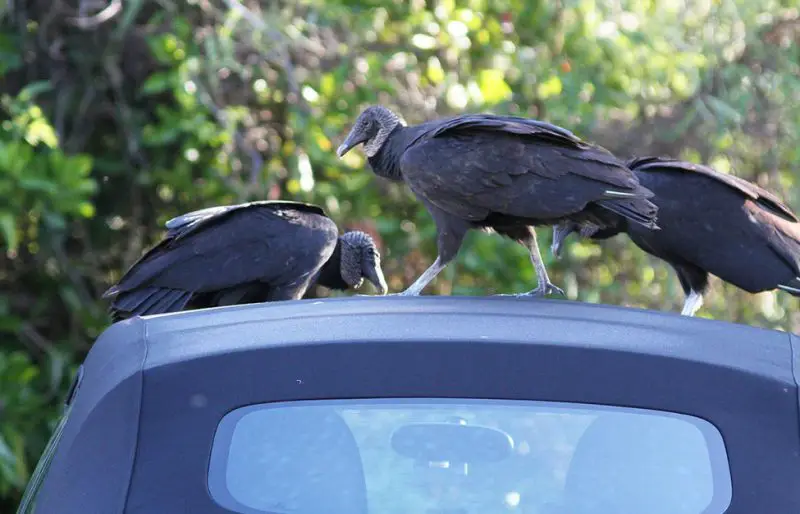
If you live in Florida, you may have seen vultures perched on rooftops, fences, or even parked vehicles. At first, they might seem harmless, simply large birds resting in the sun. But for some homeowners and car owners, these birds become a frustrating problem. Reports of scratched car paint, torn rubber seals, damaged roof shingles, and scattered debris are surprisingly common in certain parts of the state.
The behavior can seem puzzling. Vultures are scavengers, not predators, so why would they peck at homes or vehicles? The answer involves a combination of biology, curiosity, environmental conditions, territorial instincts, and Florida’s unique climate. Understanding why this happens helps homeowners protect their property while respecting wildlife that plays an important ecological role.
Table of Contents
- 1 Florida’s Vulture Species and Their Habits
- 2 Why Vultures Damage Cars
- 3 Why Roofs Become Targets
- 4 Environmental Factors Unique to Florida
- 5 Are Vultures Dangerous?
- 6 Preventing Damage to Cars
- 7 Protecting Roof Structures
- 8 Why This Issue Feels More Common
- 9 Living Alongside Vultures in Florida
- 10 FAQs About Vultures Damaging Property in Florida
- 10.1 Are black vultures worse than turkey vultures?
- 10.2 Do vultures attack people?
- 10.3 Why target cars specifically?
- 10.4 Are roofs safe long-term?
- 10.5 Is this seasonal?
- 10.6 Are deterrents effective?
- 10.7 Can I remove vultures legally?
- 10.8 Do droppings damage paint?
- 10.9 Will the problem stop naturally?
- 10.10 Is professional help necessary?
- 11 Conclusion
Florida’s Vulture Species and Their Habits
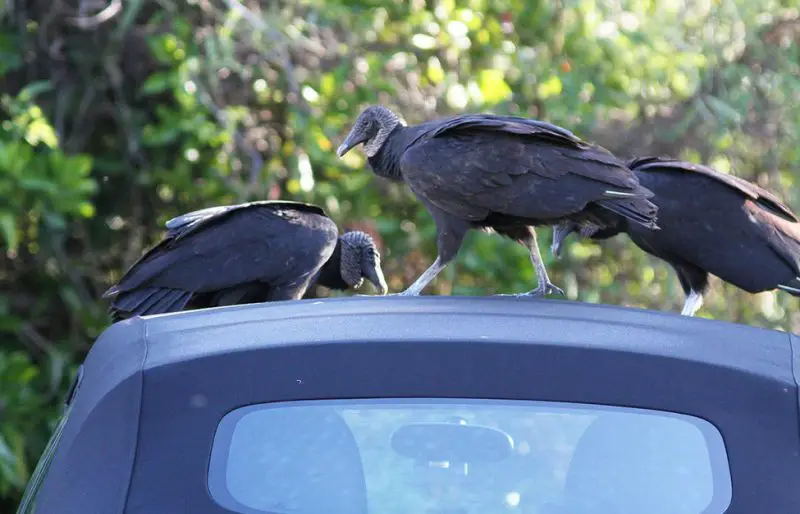
Two main vulture species in Florida
Florida supports two primary vulture species that residents encounter regularly: turkey vultures and black vultures. Although they are often seen together soaring overhead or gathering near roadsides, their behavior and interaction with human environments can differ significantly.
Turkey vultures rely heavily on their strong sense of smell to locate carrion. This trait makes them efficient scavengers in natural landscapes, but it also means they tend to avoid direct interaction with human structures. They usually prefer open countryside, wetlands, and forest edges rather than rooftops or vehicles.
Black vultures behave somewhat differently. They rely more on eyesight than smell and tend to be highly social. Groups of black vultures often gather in suburban areas where food sources are accessible and structures provide convenient perching locations. Their social nature sometimes leads to collective behavior that increases the chance of property damage, especially when multiple birds investigate the same location.
Large communal roosts can develop in residential neighborhoods where trees, rooftops, utility poles, and towers mimic natural cliff habitats. Once established, these roosts may persist for long periods unless conditions change.
Why Florida attracts large vulture populations
Florida’s climate plays a major role in sustaining large vulture populations year-round. Mild winters eliminate the need for long-distance migration, allowing birds to remain active throughout the year. Abundant wildlife, roadkill availability, wetlands, agricultural landscapes, and urban waste all provide reliable food sources.
Rapid development across the state has also unintentionally created new habitats. Buildings, communication towers, rooftops, parking structures, and even vehicles offer elevated resting areas similar to natural rock ledges or tall trees. Vultures adapt quickly to these artificial structures.
As suburban expansion overlaps with natural ecosystems, interactions between vultures and human property become more frequent. This overlap explains why homeowners increasingly report encounters with these birds.
Why Vultures Damage Cars
Attraction to rubber and synthetic materials
One unexpected reason vultures sometimes damage vehicles is curiosity toward rubber, plastic, and synthetic materials. Window seals, windshield wipers, vinyl trim, and similar components can emit odors when heated by Florida’s strong sun. These scents may resemble decomposing organic material, which naturally attracts scavengers.
When investigating, vultures use their strong beaks to peck or pull at these materials. What begins as simple curiosity can result in torn seals, scratched paint, or damaged trim. Repeated visits amplify the problem.
This behavior does not reflect aggression toward humans but rather instinctive investigation of potential food cues.
Reflection-triggered territorial behavior
Highly reflective surfaces can create another issue. Shiny paint, glass windows, and polished metal may produce mirror-like reflections. Vultures sometimes interpret these reflections as rival birds.
This perceived territorial challenge may prompt pecking, scratching, or repeated inspection. Dark-colored vehicles with glossy finishes often attract more attention because reflections appear stronger.
The birds are responding to visual stimuli, not deliberately targeting property.
Convenience of elevated resting spots
Vehicles parked outdoors offer warm, stable surfaces ideal for resting after feeding. Vultures often seek elevated locations where they feel safe from predators while digesting food. Car roofs, hoods, and mirrors provide convenient platforms.
While resting, their claws may scratch paint, and droppings can accumulate quickly. Bird droppings are acidic and can damage automotive finishes if left uncleaned for extended periods.
Repeated perching over time leads to noticeable wear.
Why Roofs Become Targets
Roofing materials that attract investigation
Some roofing components resemble materials vultures instinctively investigate. Rubber flashing, vent seals, wiring insulation, and certain shingle types may emit subtle odors when heated. These scents can mimic organic decomposition cues.
Curiosity-driven pecking may loosen shingles, tear seals, or expose underlying materials. Damage often begins small but can worsen if birds return repeatedly.
Florida’s intense sunlight accelerates material aging, increasing odor release and attraction.
Elevated safety and surveillance advantages
Roofs provide excellent vantage points. Vultures prefer elevated positions where they can monitor surroundings and detect potential threats early. Residential rooftops effectively replicate natural cliff ledges.
Once birds identify a roof as a safe resting place, they may return regularly. Familiarity encourages repeated use.
Over time, repeated perching increases the risk of physical damage and debris accumulation.
Group roosting tendencies
Black vultures are particularly social. If one bird discovers a favorable roof, others often join. Group roosting intensifies wear on roofing materials and increases droppings accumulation.
Accumulated droppings can degrade surfaces, clog gutters, and create sanitation concerns if left unmanaged.
Environmental Factors Unique to Florida
Heat-driven odor release
Florida’s high temperatures accelerate chemical breakdown in many materials. Rubber, plastics, and roofing compounds release stronger odors under heat exposure.
These odors may resemble natural carrion scents that attract scavengers. Seasonal increases in heat often correspond with increased vulture investigation of structures.
Temperature plays a subtle but important role in these interactions.
Storm displacement effects
Frequent storms and hurricanes periodically disrupt natural habitats. Fallen trees, flooded wetlands, or altered landscapes may temporarily displace birds.
During adjustment periods, vultures may explore human structures for alternative roosting locations. Once established, these new roosts may persist even after natural habitats recover.
Weather cycles strongly influence wildlife movement patterns.
Urban expansion and habitat overlap
Rapid development creates mixed environments where natural and built habitats intersect. New subdivisions often include retention ponds, landscaping, and waste sources that attract scavengers.
Infrastructure such as rooftops, fences, and towers offers artificial perches. This blending of environments increases the likelihood of bird-property interactions.
Are Vultures Dangerous?
Generally non-aggressive behavior
Despite their imposing appearance, vultures rarely pose a threat to humans. When threatened, they typically retreat or display defensive behaviors such as hissing or spreading wings.
Regurgitating food is another defensive response intended to deter predators rather than attack.
Property damage results from curiosity or environmental factors rather than aggression.
Legal protection considerations
Vultures are protected under federal wildlife laws in the United States. Harmful control measures typically require permits. This protection reflects their ecological importance.
Humane deterrence strategies are encouraged. Awareness of legal protections helps homeowners avoid unintended violations.
Preventing Damage to Cars
Minimizing reflective triggers
Using car covers or parking in shaded areas reduces reflections that may trigger territorial behavior. Matte finishes or temporary coverings help limit visual stimuli.
Simple changes often reduce bird interest.
Removing scent attractants
Regular vehicle cleaning helps remove residues that may emit odors. Prompt removal of droppings prevents additional attraction.
Routine maintenance can significantly reduce recurring issues.
Visual deterrent strategies
Reflective tape, decoy predators, or motion-activated devices sometimes discourage birds. Rotating deterrents periodically improves effectiveness because birds can become accustomed to static objects.
Consistency matters.
Protecting Roof Structures
Physical deterrent installation
Bird spikes, angled barriers, or netting discourage perching without harming birds. Professional installation ensures proper placement and durability.
These solutions provide long-term protection.
Routine structural inspections
Regular roof inspections identify early damage. Prompt repairs prevent minor issues from becoming costly problems.
Preventive maintenance reduces long-term risk.
Landscaping modifications
Reducing tall nearby perches such as dead trees may redirect birds to alternative roosting sites. Environmental adjustments often complement physical deterrents.
Habitat management is effective.
Why This Issue Feels More Common
Increased wildlife visibility
Social media and neighborhood networks amplify wildlife reports. Isolated incidents may appear widespread due to rapid information sharing.
Perception influences concern levels.
Environmental adaptation trends
Wildlife adapts quickly to urban environments. Birds that once nested in remote areas now use human structures regularly.
Adaptation increases encounter frequency.
Seasonal population shifts
Breeding cycles, food availability, and migration patterns cause fluctuations in local populations. Temporary increases can lead to short-term spikes in property interactions.
Understanding these cycles helps contextualize events.
Living Alongside Vultures in Florida
Ecological importance
Vultures provide valuable ecosystem services by consuming carrion. This natural cleanup helps reduce disease transmission and supports environmental balance.
Their presence indicates healthy ecological processes.
Responsible coexistence
Humane deterrence, habitat awareness, and property maintenance allow homeowners to minimize conflicts while respecting wildlife protections.
Balanced approaches support both conservation and property protection.
Education remains the most effective tool for coexistence.
FAQs About Vultures Damaging Property in Florida
Are black vultures worse than turkey vultures?
Generally yes; they are more social and curious.
Do vultures attack people?
Rarely, almost never.
Why target cars specifically?
Reflections and rubber odors attract them.
Are roofs safe long-term?
With deterrents and maintenance, yes.
Is this seasonal?
Often worse during hot months.
Are deterrents effective?
Usually, especially combined methods.
Can I remove vultures legally?
Permits may be required.
Do droppings damage paint?
Yes, if left uncleaned.
Will the problem stop naturally?
Sometimes, depending on food availability.
Is professional help necessary?
For persistent roosting, often yes.
Conclusion
Vultures damaging cars and roofs in Florida may seem strange at first, but the behavior usually stems from curiosity, environmental factors, material odors, and natural roosting instincts rather than aggression. Black vultures in particular adapt readily to suburban environments, making encounters more common as development expands.
While property damage can be frustrating, understanding why it occurs allows homeowners to implement humane, effective prevention strategies. With proper deterrents, routine maintenance, and awareness of wildlife behavior, it is possible to protect property while respecting the ecological importance of these remarkable birds.