
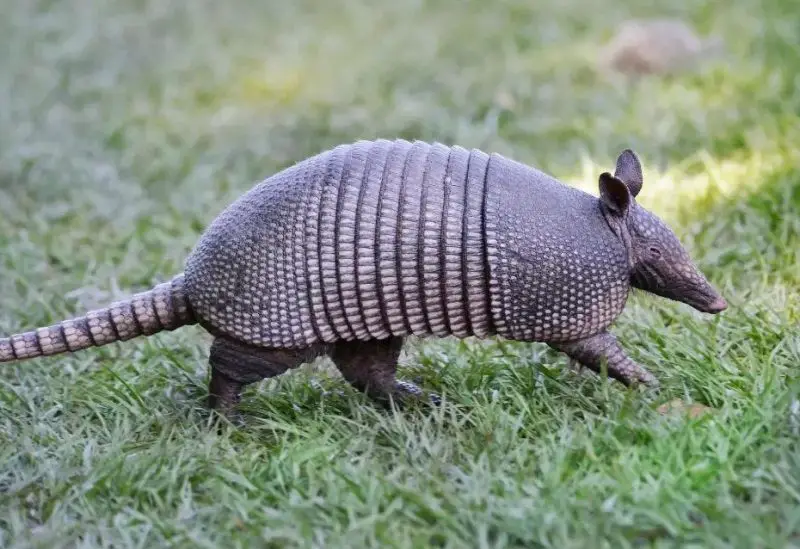
Across Arkansas, homeowners sometimes wake up to find fresh holes scattered across lawns, garden beds, or even near house foundations. The soil looks recently disturbed. Small cone-shaped pits appear overnight. Occasionally, longer shallow trenches show up along fences or landscaping edges. Many people immediately wonder whether these holes signal structural problems, dangerous wildlife, or something worse.
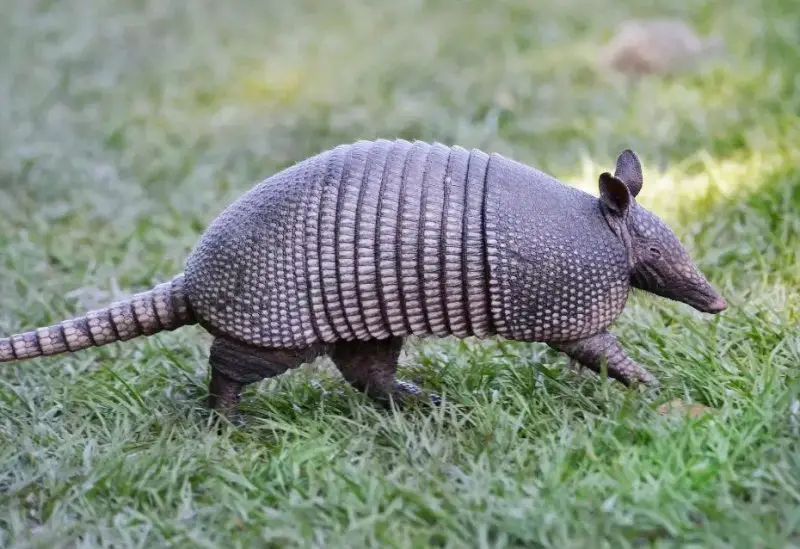
In much of Arkansas, armadillos are often the real explanation. These unusual mammals have expanded across the southern United States for decades and now thrive in Arkansas’s climate, habitats, and suburban environments. Their digging behavior is rarely random. It usually reflects food searching, shelter building, or seasonal activity patterns.
Understanding what armadillo holes actually mean helps homeowners respond calmly and effectively. While the damage can be frustrating, armadillos are generally not aggressive animals. Most issues relate to landscaping disruption rather than safety threats. Still, ignoring the signs can sometimes lead to bigger property problems over time.
Table of Contents
- 1 Armadillos in Arkansas: Why They Are So Common
- 2 What Armadillo Holes Usually Indicate
- 3 When Holes Suggest a Burrow Nearby
- 4 Why Armadillos Dig Near Homes Specifically
- 5 Seasonal Patterns of Armadillo Digging in Arkansas
- 6 Are Armadillo Holes Dangerous?
- 7 Signs That Confirm Armadillos Are Responsible
- 8 Preventing Armadillo Digging Near Homes
- 9 Humane Deterrent Approaches
- 10 When Professional Wildlife Help May Be Needed
- 11 Ecological Role of Armadillos
- 12 Living With Armadillos in Arkansas
- 13 FAQs About Armadillo Holes in Arkansas
- 13.1 Do armadillo holes mean structural damage is coming?
- 13.2 Are armadillos aggressive toward people?
- 13.3 Why do holes appear overnight?
- 13.4 Will removing grubs stop them?
- 13.5 Can armadillos climb fences?
- 13.6 Are they active year-round in Arkansas?
- 13.7 Should I fill holes immediately?
- 13.8 Do armadillos carry diseases?
- 13.9 Is trapping necessary?
- 13.10 Do they return to the same yard?
- 14 Conclusion
Armadillos in Arkansas: Why They Are So Common
Climate supports year-round activity
Arkansas offers ideal conditions for armadillos. Winters are typically mild compared with northern states, which allows them to remain active longer through the year. Extreme cold limits armadillo expansion elsewhere, but Arkansas rarely experiences sustained freezing conditions severe enough to drive them away.
Moist soil also plays a major role. Armadillos dig easily in loamy or damp ground. Arkansas rainfall patterns often keep soil soft enough for efficient foraging. That accessibility encourages frequent digging near homes, parks, farms, and suburban developments.
As a result, sightings and yard damage have increased steadily across many counties.
Food availability attracts them to neighborhoods
Armadillos feed primarily on insects, grubs, worms, and other invertebrates. Lawns, flowerbeds, compost areas, and irrigated landscaping provide abundant food. Well-maintained yards often attract the very insects armadillos seek.
Outdoor lighting also contributes indirectly. Lights draw insects, which in turn attract armadillos searching for easy meals.
This chain reaction explains why suburban homes can become preferred feeding areas.
Natural habitat overlaps with development
Arkansas woodlands, river valleys, and brushy areas offer excellent natural habitat. As housing expands into these environments, armadillos simply adjust rather than retreat.
They adapt quickly to:
Forest edges
Golf courses
Parks
Residential lawns
Drainage corridors
Their adaptability means human-armadillo encounters are increasingly common.
What Armadillo Holes Usually Indicate
Active feeding behavior
Most small holes signal feeding rather than nesting. Armadillos use their powerful claws and sensitive noses to locate insects underground. They dig quickly, often covering large areas in a single night.
Typical feeding holes are:
Two to five inches wide
Shallow but numerous
Scattered randomly
These pits usually mean the animal is hunting grubs or beetle larvae beneath the surface.
In many cases, the holes actually reveal an insect population issue rather than an armadillo problem alone.
Presence of underground insects
If armadillos repeatedly visit a yard, it often means food sources are plentiful. Grubs, ants, termites, and soil invertebrates attract them strongly.
Homeowners sometimes notice improved grub control after armadillos visit, though the digging damage offsets that benefit.
Persistent holes usually suggest:
Moist soil conditions
Healthy insect populations
Minimal nighttime disturbance
Removing food sources often reduces visits.
Temporary exploration, not permanent residence
Many armadillo visits are brief. The animal may forage once or twice and move on. They cover surprisingly large territories during nightly searches.
Finding a few holes does not automatically mean an armadillo lives on the property.
However, repeated activity over weeks suggests a nearby den or reliable food supply.
When Holes Suggest a Burrow Nearby
Identifying burrow entrances
Burrows differ from feeding holes. They are larger, often oval openings several inches wide. Soil piles may appear around the entrance.
Typical burrow locations include:
Under sheds
Near decks
Along foundations
Under wood piles
Beside tree roots
These structures provide daytime shelter.
Armadillos are mostly nocturnal, so they retreat to burrows during daylight.
Seasonal denning behavior
Burrow activity sometimes increases during colder months or breeding periods. While Arkansas winters are mild, armadillos still seek stable shelter.
Females especially prioritize safe dens when raising young.
Seasonal increases in digging near homes can reflect reproductive cycles rather than food scarcity.
Structural concerns around foundations
Burrows close to foundations may eventually weaken soil stability. This rarely causes immediate structural danger but should be monitored.
Long-term burrowing can contribute to:
Soil erosion
Foundation settling risks
Landscape instability
Addressing burrows early prevents larger concerns later.
Why Armadillos Dig Near Homes Specifically
Irrigation creates ideal soil conditions
Sprinkler systems soften soil and increase insect activity. Armadillos detect these favorable conditions quickly.
Consistently watered lawns become reliable feeding zones.
Even small leaks or damp drainage areas attract them.
Landscaping provides shelter
Shrubs, mulch beds, and decorative features create shaded cover. Armadillos prefer areas where they feel protected from predators.
Dense landscaping often serves as a staging area before nighttime feeding.
This explains why holes cluster near garden edges.
Reduced predator pressure
Urban and suburban areas often lack natural predators like coyotes or bobcats. Reduced risk encourages armadillos to explore human environments more boldly.
Quiet neighborhoods with minimal nighttime activity feel safe to them.
Human presence alone does not always deter them.
Seasonal Patterns of Armadillo Digging in Arkansas
Spring activity surge
Warmer temperatures increase insect availability. Soil moisture from spring rains also softens ground.
These conditions trigger increased digging.
Homeowners often first notice holes during this season.
Summer feeding peaks
Summer insect populations expand dramatically. Armadillos exploit this abundance.
Frequent overnight digging becomes common in July and August.
Humidity further enhances soil softness.
Autumn preparation behavior
Fall activity sometimes intensifies as armadillos prepare for cooler months. They may increase feeding or expand burrows.
Leaf litter and garden harvest areas attract insects.
This seasonal shift can bring renewed yard damage.
Winter adjustments
While still active, armadillos may reduce movement during colder spells. They rely more heavily on established burrows.
Occasional digging still occurs, especially after warm periods.
Are Armadillo Holes Dangerous?
Risks to lawns and landscaping
Most damage involves aesthetics. Lawns look uneven, gardens become disturbed, and mulch gets scattered.
While frustrating, these effects are usually cosmetic.
Repairing holes promptly prevents trip hazards.
Potential foundation implications
Persistent burrows near foundations deserve attention. Soil displacement over time can contribute to minor settling.
Early detection allows simple solutions.
Ignoring repeated burrowing increases long-term risk.
Health considerations
Armadillos are generally not aggressive toward humans. They avoid confrontation whenever possible.
Direct health risks are minimal, though basic hygiene is wise when handling soil or wildlife areas.
Signs That Confirm Armadillos Are Responsible
Hole shape and distribution
Cone-shaped pits scattered widely usually indicate armadillos. Unlike rodents, they do not create neat tunnels or mounds.
Irregular spacing suggests active foraging.
Pattern recognition helps identify the culprit.
Nighttime sightings
Armadillos are mostly nocturnal. Seeing one after dark near digging sites confirms activity.
They move slowly and forage quietly.
Flashlight sightings often provide confirmation.
Tracks and surface clues
Tracks show four toes on front feet and five on rear feet. Tail drag marks sometimes appear.
These subtle signs help distinguish them from raccoons or skunks.
Preventing Armadillo Digging Near Homes
Reduce insect food sources
Controlling lawn grubs and insects decreases attraction. Healthy soil management helps long term.
Avoid overwatering.
Maintain balanced turf care.
Monitor insect populations regularly.
Food scarcity encourages armadillos to move elsewhere.
Improve landscaping design
Limit dense ground cover near foundations. Reduce shaded hiding areas.
Keep mulch thin.
Trim shrubs regularly.
Eliminate debris piles.
Open spaces discourage sheltering.
Manage moisture levels
Fix irrigation leaks. Ensure proper drainage.
Dry soil is harder to dig and less appealing.
Consistent moisture control is highly effective.
Humane Deterrent Approaches
Habitat modification works best
Physical environment changes often outperform repellents. Removing food, shelter, and moisture addresses root causes.
Consistency matters.
Temporary fixes rarely provide lasting results.
Barriers and fencing
Properly installed fencing can prevent digging. Barriers should extend slightly underground.
This approach works well for gardens or small yards.
Maintenance ensures effectiveness.
Light and disturbance strategies
Motion lights sometimes deter nocturnal activity. Sudden illumination disrupts comfort zones.
Effectiveness varies by location.
Combining methods improves results.
When Professional Wildlife Help May Be Needed
Persistent burrowing near structures
Repeated burrows close to buildings justify expert assessment.
Professionals can identify safe removal or exclusion methods.
Early action prevents escalation.
Extensive property damage
Large-scale digging suggests high insect populations or established dens.
Professional intervention addresses both wildlife and environmental factors.
Integrated solutions often work best.
Ecological Role of Armadillos
Natural insect control
Armadillos consume large numbers of insects. This benefits ecosystems by reducing pest populations.
Their feeding contributes to soil aeration.
These ecological roles often go unnoticed.
Soil turnover effects
Digging mixes organic matter into soil layers. This process can improve soil health over time.
However, lawns rarely benefit aesthetically.
Balance between ecology and landscaping remains complex.
Adaptation success story
Their northward expansion shows remarkable adaptability.
Human landscape changes often favor their survival.
Understanding this helps frame coexistence realistically.
Living With Armadillos in Arkansas
Coexistence is often practical
Total elimination is rarely feasible. Managing conditions works better.
Most homeowners experience occasional rather than constant activity.
Tolerance combined with prevention often proves effective.
Awareness reduces stress
Knowing the cause behind holes removes unnecessary fear.
Education supports calm decision-making.
Wildlife encounters become manageable rather than alarming.
FAQs About Armadillo Holes in Arkansas
Do armadillo holes mean structural damage is coming?
Not necessarily. Occasional holes rarely cause serious issues. Persistent burrows near foundations should be monitored, but immediate danger is uncommon.
Are armadillos aggressive toward people?
They typically avoid humans. Defensive behavior occurs only if cornered. Most encounters end with the animal retreating.
Why do holes appear overnight?
Armadillos forage primarily at night. Their digging speed makes damage appear sudden by morning.
Will removing grubs stop them?
Often yes. Reducing insect populations decreases food attraction significantly.
Can armadillos climb fences?
They rarely climb well. Properly installed barriers extending slightly underground are usually effective.
Are they active year-round in Arkansas?
Mostly yes. Mild winters allow continued activity, though intensity varies with temperature.
Should I fill holes immediately?
Yes. Filling prevents trip hazards and discourages repeat digging in the same spot.
Do armadillos carry diseases?
Health risks to humans are generally low. Basic precautions when handling soil are sufficient.
Is trapping necessary?
Not always. Habitat modification often resolves problems without removal.
Do they return to the same yard?
If food and shelter remain available, they may return periodically.
Conclusion
Armadillo holes near homes in Arkansas usually reflect natural feeding behavior rather than serious danger. These animals are highly adapted to the region’s climate, soil conditions, and suburban landscapes. Their digging typically signals abundant insects, moist soil, or nearby shelter opportunities.
While the damage can be frustrating, armadillos rarely pose direct threats to people. Most concerns involve lawn aesthetics, garden disruption, or occasional structural considerations when burrows appear close to buildings. Addressing moisture levels, landscaping density, and insect populations often resolves recurring issues.
Understanding what these holes mean allows homeowners to respond calmly instead of reactively. With practical prevention steps and awareness of seasonal patterns, coexistence with Arkansas wildlife becomes manageable. In many cases, once environmental conditions shift, armadillos simply move on, leaving yards peaceful again.