
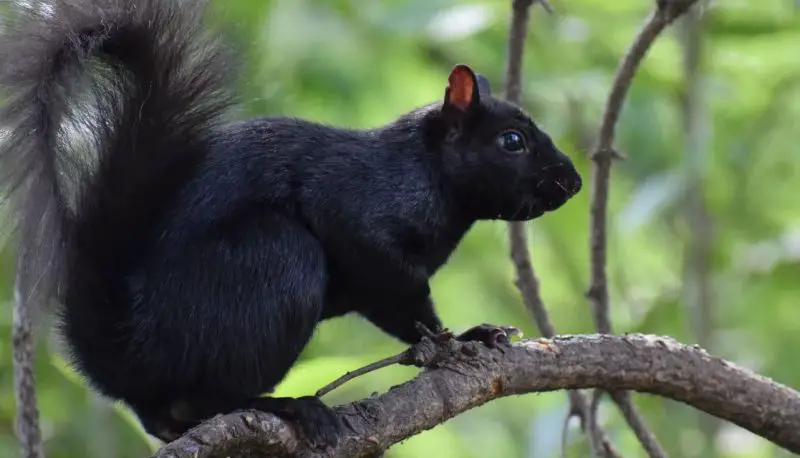
If you live in Arkansas or spend time in parks, forests, or even suburban neighborhoods, you may have noticed something unusual. A squirrel that looks just like the common gray squirrel suddenly appears completely black. The change can seem surprising, even mysterious, especially if you are used to seeing only gray or reddish squirrels.
These black squirrels are not a different species suddenly moving into Arkansas. They are usually a color variation of the eastern gray squirrel, one of the most common squirrels in North America. Their dark appearance comes from genetics rather than disease, dirt, or environmental contamination.
Understanding why some squirrels in Arkansas appear completely black requires looking at genetics, evolution, habitat factors, climate adaptation, predator dynamics, and even urban ecology. The explanation is fascinating and reveals how adaptable wildlife can be.
Table of Contents
- 1 The Eastern Gray Squirrel: Arkansas’s Most Familiar Tree Squirrel
- 2 What Causes Black Fur in Squirrels
- 3 Black Squirrels Are Not a Separate Species
- 4 Why They Seem to Appear Suddenly
- 5 Climate Adaptation Advantages
- 6 Predator Camouflage Factors
- 7 Urban Environment Influence
- 8 Genetic Drift and Population Dynamics
- 9 Historical Spread of Black Squirrels
- 10 Diet and Coloration Myths
- 11 Disease Misconceptions
- 12 Seasonal Coat Changes vs Permanent Color
- 13 Role of Natural Selection
- 14 Hybridization Does Not Cause Black Color
- 15 Behavioral Similarities
- 16 Reproductive Patterns
- 17 Human Fascination With Black Squirrels
- 18 Habitat Changes in Arkansas
- 19 Forest Fire Effects
- 20 Temperature Regulation Benefits
- 21 Longevity and Survival Rates
- 22 Public Perception vs Scientific Reality
- 23 Conservation Implications
- 24 FAQs About Black Squirrels in Arkansas
- 24.1 Are black squirrels a different species?
- 24.2 Why do they suddenly appear?
- 24.3 Are black squirrels more aggressive?
- 24.4 Can gray squirrels have black babies?
- 24.5 Is black fur caused by disease?
- 24.6 Do black squirrels live longer?
- 24.7 Are they rare in Arkansas?
- 24.8 Should people report sightings?
- 25 Final Thoughts
The Eastern Gray Squirrel: Arkansas’s Most Familiar Tree Squirrel
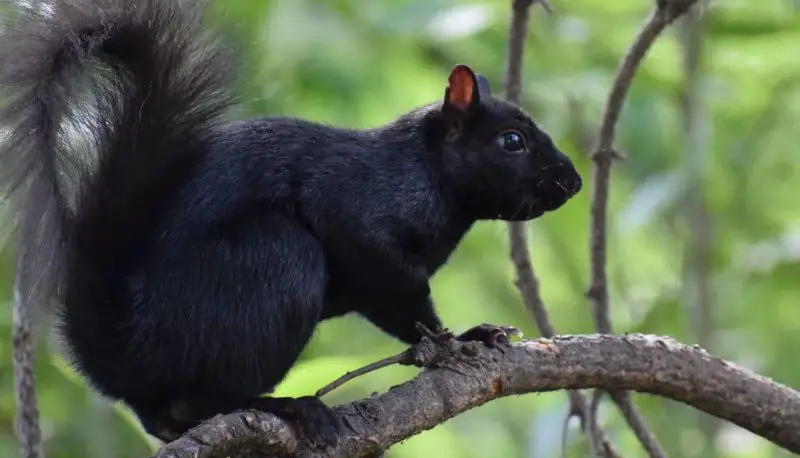
The eastern gray squirrel is one of the most recognizable wildlife species across Arkansas. It occupies hardwood forests, suburban neighborhoods, city parks, farmland edges, and river corridors throughout the state. These squirrels are highly adaptable and can thrive almost anywhere trees provide food, shelter, and nesting opportunities. Their flexibility has allowed them to persist even as landscapes change through agriculture, urban growth, and forestry practices.
Most eastern gray squirrels display fur in shades of gray mixed with white or light brown tones. This coloration offers excellent camouflage against tree bark, branches, and fallen leaves. Camouflage reduces visibility to predators such as hawks, owls, foxes, and bobcats, increasing survival chances in both rural and suburban environments.
Within this species, however, exists a naturally occurring color variation known as melanism. Melanistic individuals produce significantly darker fur, sometimes appearing completely black. These squirrels are not rare anomalies but part of the species’ natural genetic diversity.
What Causes Black Fur in Squirrels
The completely black coloration seen in some Arkansas squirrels results from melanism, a genetic condition involving increased production of melanin. Melanin is the pigment responsible for dark coloration in many animals, affecting skin, fur, feathers, scales, and eyes.
Specific gene variations control melanin production. When certain genetic combinations occur, pigment levels increase, resulting in darker fur. This change happens during development and remains consistent throughout the animal’s life. It is not influenced by diet, environment, or temporary conditions.
Melanism occurs across many animal groups. Black jaguars, melanistic leopards, dark wolves, certain birds, reptiles, amphibians, and insects all demonstrate similar genetic processes. In each case, inherited genes determine whether the trait appears.
Black Squirrels Are Not a Separate Species
A common misconception is that black squirrels represent a different species. In Arkansas, most black squirrels are simply eastern gray squirrels expressing the melanistic color variant. Their biology, behavior, diet, and ecological roles remain the same.
They forage for nuts, seeds, fruits, fungi, and occasional insects just like gray squirrels. They build leafy nests high in trees, remain active throughout the year, and follow similar breeding patterns. Fur color does not significantly alter their daily lifestyle.
Because they belong to the same species, black and gray squirrels can mate freely. Offspring coloration depends on genetic inheritance, so litters may contain gray, black, or mixed-color individuals.
Why They Seem to Appear Suddenly
Reports of black squirrels appearing suddenly often reflect increased visibility rather than actual sudden arrival. The melanism gene may exist quietly within a population for years before becoming more noticeable.
Population growth among melanistic individuals can make the trait more visible. Habitat changes, urban development, or shifts in predator populations can also influence which color variations thrive. Natural genetic fluctuations further contribute to these changes.
Once a few black squirrels establish themselves locally, their genes can spread gradually through reproduction. Over time, residents may notice a higher proportion of dark individuals.
Climate Adaptation Advantages
Dark fur absorbs heat more efficiently than lighter fur. In cooler climates, this can provide modest thermoregulation benefits by helping animals retain warmth during cold periods.
Although Arkansas generally experiences mild winters, occasional cold snaps still occur. Melanistic squirrels may gain slight advantages during these cooler periods, particularly in early mornings or shaded habitats.
This advantage is subtle and does not guarantee dominance, but over generations it can influence survival patterns enough to maintain the trait in populations.
Predator Camouflage Factors
Camouflage remains essential for squirrel survival. While gray fur blends effectively with tree bark and leaf litter, darker fur may provide advantages in certain environmental contexts.
Dense forests with heavy shade, burned woodland areas, or urban environments with darker surfaces can favor black coloration. Reduced visibility in low-light environments may help melanistic squirrels avoid predators.
If darker coloration improves concealment even slightly, those individuals may survive longer and reproduce more successfully.
Urban Environment Influence
Urban and suburban areas sometimes show higher proportions of black squirrels compared with rural forests. Reduced predator numbers, altered visual backgrounds, and abundant food sources all influence this pattern.
Human tolerance for unusual wildlife may also contribute. Residents often find black squirrels intriguing and may even provide food intentionally or unintentionally, supporting their survival.
Urban environments often create unique ecological conditions where natural selection pressures differ from those in wilderness settings.
Genetic Drift and Population Dynamics
Genetic drift refers to changes in gene frequency caused by chance rather than strong selective advantages. Small or isolated populations are especially susceptible to this effect.
If a few melanistic squirrels establish themselves in a local population, their genes may spread simply through reproduction patterns rather than survival superiority. Over time, clusters of black squirrels can develop without major environmental pressure.
This natural genetic fluctuation helps explain localized increases in black squirrel sightings.
Historical Spread of Black Squirrels
Melanistic squirrels have existed across North America for centuries. Historical accounts describe black squirrels in both northern and southern regions long before modern urbanization.
Some populations expanded naturally through migration, while others spread through relocation programs or accidental human transport. However, many Arkansas populations likely arose through natural genetic variation within existing gray squirrel populations.
The presence of black squirrels is therefore not a recent phenomenon.
Diet and Coloration Myths
Some people believe squirrels turn black because of diet changes. This misconception persists but lacks scientific support.
Food availability influences health, body size, and reproductive success but does not alter inherited fur color. Melanism results strictly from genetics rather than nutritional factors.
Disease Misconceptions
Dark fur sometimes leads to speculation about disease, pollution, or parasite effects. In reality, melanistic squirrels are typically as healthy as their gray counterparts.
Their coloration reflects normal genetic diversity rather than illness or environmental contamination.
Seasonal Coat Changes vs Permanent Color
Squirrels do experience seasonal coat changes. Winter fur tends to be thicker for insulation, while summer coats may appear lighter or thinner.
However, melanistic squirrels remain dark year-round. Seasonal changes affect fur density more than color.
Role of Natural Selection
Natural selection may favor melanistic squirrels under certain conditions. If darker fur improves survival through camouflage, thermoregulation, or predator avoidance, the trait may gradually increase within a population.
In many regions, both gray and black squirrels coexist successfully, suggesting no overwhelming advantage for either coloration.
Hybridization Does Not Cause Black Color
Some assume black squirrels result from hybridization with other squirrel species. In Arkansas, this explanation is unlikely.
Melanism arises within the eastern gray squirrel population itself rather than from cross-species breeding.
Behavioral Similarities
Black squirrels behave essentially the same as gray squirrels. They forage widely, cache food for winter, build tree nests, and remain active throughout the year.
Fur color does not significantly alter their behavior or ecological role.
Reproductive Patterns
When gray and black squirrels mate, offspring coloration depends on inherited genes. Some litters include both color variations.
This genetic mixing maintains diversity within populations and prevents one coloration from completely replacing the other.
Human Fascination With Black Squirrels
People often find black squirrels striking because they differ from familiar wildlife. Increased curiosity leads to more frequent reporting of sightings.
This heightened awareness sometimes creates the impression that populations are increasing rapidly when observation levels are simply rising.
Habitat Changes in Arkansas
Arkansas landscapes continue evolving due to agriculture, urban expansion, forestry practices, and climate variation. These environmental changes influence predator populations, food availability, and habitat structure.
Such changes can affect which traits provide advantages within squirrel populations.
Forest Fire Effects
Burned woodland areas occasionally favor darker coloration temporarily. Charred bark and soil surfaces improve camouflage for melanistic individuals.
These environmental effects may influence local survival patterns until vegetation regenerates.
Temperature Regulation Benefits
Dark fur absorbs solar radiation more efficiently, which can aid thermoregulation during cool mornings or winter conditions.
However, during hot summers, lighter fur may reflect heat more effectively. Seasonal advantages therefore vary.
Longevity and Survival Rates
Research suggests melanistic squirrels generally have lifespans similar to gray squirrels. Survival depends more on habitat quality, predator presence, and food availability than fur color alone.
Public Perception vs Scientific Reality
Black squirrels often seem mysterious or newly introduced to residents. In reality, their presence usually reflects gradual genetic variation rather than sudden transformation.
Scientific evidence consistently supports this explanation.
Conservation Implications
Melanistic squirrels do not require special conservation measures. They represent natural biodiversity within the eastern gray squirrel population.
Protecting forests, urban green spaces, and habitat connectivity benefits all squirrels regardless of coloration.
FAQs About Black Squirrels in Arkansas
Are black squirrels a different species?
No. Most are melanistic eastern gray squirrels with genetic color variation.
Why do they suddenly appear?
Population growth, genetic variation, habitat changes, or increased observation often explain this.
Are black squirrels more aggressive?
No. Behavior is generally the same as gray squirrels.
Can gray squirrels have black babies?
Yes, if they carry the melanism gene.
Is black fur caused by disease?
No. It is a normal genetic trait.
Do black squirrels live longer?
There is no strong evidence they live significantly longer than gray squirrels.
Are they rare in Arkansas?
They are less common than gray squirrels but not extremely rare.
Should people report sightings?
Reporting wildlife observations can help research but is not usually necessary.
Final Thoughts
Black squirrels appearing in Arkansas are not a sudden mystery but a natural expression of genetic diversity. Melanism produces darker fur, and environmental factors sometimes make these squirrels more noticeable or slightly more successful in certain habitats.
They remain the same adaptable eastern gray squirrels that thrive across forests, suburbs, and cities. Understanding their coloration helps replace confusion with appreciation for the complexity of wildlife genetics and adaptation.
Next time you see a completely black squirrel in Arkansas, you are not witnessing a new species or strange transformation. You are simply seeing evolution, genetics, and environmental adaptation working together in one fascinating animal.