
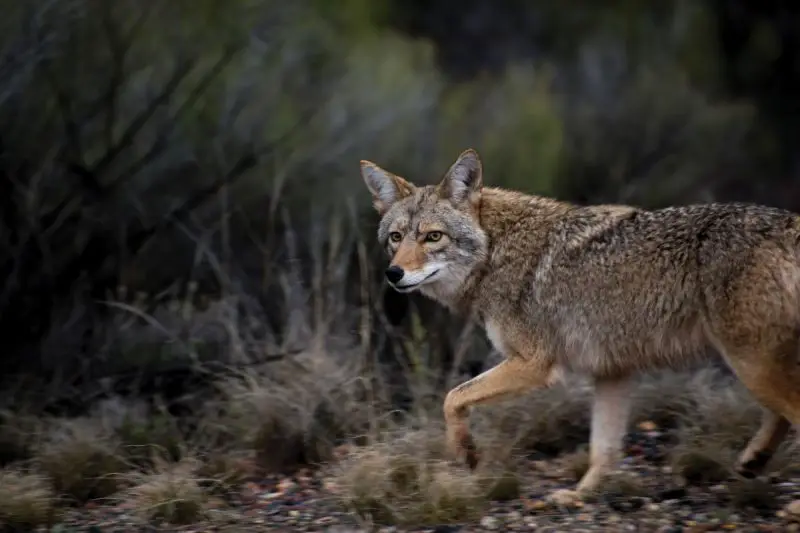
Coyotes have become a normal part of the New Hampshire landscape. Once mostly associated with the western United States, they now thrive throughout New England forests, suburban neighborhoods, farmland edges, and even areas close to small towns. As sightings increase, questions naturally follow. One of the most common concerns homeowners ask is whether coyotes can breed with domestic dogs and whether such hybrids exist locally.
It is a fascinating topic because the answer blends wildlife biology, genetics, behavior, and ecology. Coyotes and domestic dogs belong to the same broader canine family, which means interbreeding is biologically possible. But possibility does not always translate into frequent reality. Behavior, habitat, social structure, and seasonal biology all influence whether such events actually occur.
Understanding the science behind coyotes, domestic dogs, and hybridization helps separate myth from fact. It also gives residents insight into how to safely coexist with wildlife while protecting pets and maintaining ecological balance.
Table of Contents
- 1 Coyote Presence in New Hampshire
- 2 Biological Compatibility Between Coyotes and Dogs
- 3 Why Hybridization Is Rare in New Hampshire
- 4 Historical Evidence of Coydog Hybrids
- 5 Physical Traits of Possible Coydog Hybrids
- 6 Behavioral Traits of Hybrids
- 7 Risks Associated With Hybridization
- 8 Common Myths About Coydogs
- 9 Preventing Interactions Between Coyotes and Dogs
- 10 Ecological Role of Coyotes in New Hampshire
- 11 How Wildlife Officials Monitor Coyotes
- 12 Human Expansion and Wildlife Adaptation
- 13 FAQs About Coyotes Breeding With Domestic Dogs in New Hampshire
- 13.1 Can coyotes and domestic dogs produce offspring?
- 13.2 Are coydogs common in New Hampshire?
- 13.3 Are coydog hybrids more dangerous than coyotes?
- 13.4 How can I tell if I saw a coydog?
- 13.5 Do coyotes attack domestic dogs to mate?
- 13.6 Is it legal to remove coyotes in New Hampshire?
- 13.7 What attracts coyotes to residential areas?
- 13.8 Should I worry if I hear coyotes at night?
- 14 Final Thoughts
Coyote Presence in New Hampshire
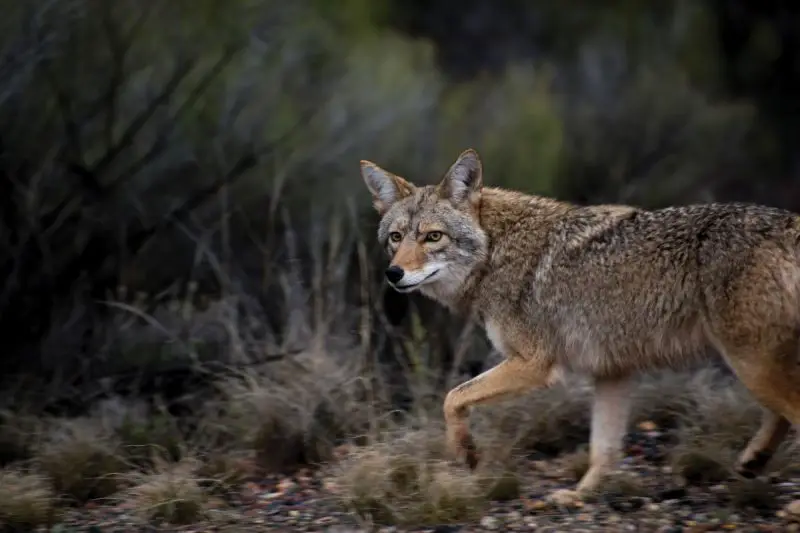
Coyotes are now well established across New Hampshire. They inhabit dense forests, agricultural regions, suburban greenbelts, river corridors, and even urban fringes. Their adaptability explains their successful expansion.
Unlike wolves, which require large remote territories, coyotes tolerate human-altered landscapes surprisingly well. They hunt rodents, rabbits, deer fawns, insects, fruit, and occasionally livestock or outdoor pets. This varied diet allows them to survive in environments where many larger predators cannot.
Population growth over recent decades has increased encounters with humans and domestic animals. Trail cameras, road sightings, and nighttime vocalizations have become common experiences for many residents.
That increased visibility partly fuels concerns about hybridization with domestic dogs.
Biological Compatibility Between Coyotes and Dogs
From a purely biological standpoint, coyotes and domestic dogs can interbreed. Both belong to the genus Canis, which also includes wolves. Because of shared ancestry, their genetics remain compatible enough to produce viable offspring.
Hybrids between coyotes and dogs are sometimes referred to as “coydogs.” These animals can inherit physical traits from both parents, including coat color variations, body size differences, and mixed behavioral tendencies.
However, successful breeding requires more than compatible DNA. Timing, behavior, social dynamics, and environmental conditions all influence whether mating occurs.
In the wild, those factors usually limit hybridization.
Why Hybridization Is Rare in New Hampshire
Despite biological compatibility, confirmed coydog cases remain uncommon in New England, including New Hampshire. Several key factors explain why.
Different Breeding Seasons
Coyotes breed seasonally, typically between January and March. Domestic dogs, on the other hand, can breed year-round depending on breed and reproductive cycles.
This mismatch significantly reduces opportunities for mating. Even when coyotes encounter domestic dogs, reproductive timing often does not align.
Social Structure of Coyotes
Coyotes typically form monogamous breeding pairs during mating season. Once bonded, they actively defend territory and maintain pair cohesion. This reduces likelihood of seeking alternative mates such as domestic dogs.
Stable pair bonds are one of the strongest natural barriers against hybridization.
Behavioral Differences
Domestic dogs often lack the survival instincts and cautious behavior of wild coyotes. Coyotes are naturally wary, particularly in regions with human presence. Most avoid close interaction with unfamiliar animals.
Free-ranging dogs might encounter coyotes, but mutual avoidance is common.
Habitat Separation
Coyotes often move through transitional habitats — forest edges, wetlands, agricultural zones — while domestic dogs usually remain closer to human homes. This spatial separation further reduces breeding chances.
Taken together, these factors explain why hybridization remains possible but rare.
Historical Evidence of Coydog Hybrids
There have been documented coydog cases in North America, though they are relatively infrequent compared with pure coyote populations.
Some genetic studies show occasional hybrid ancestry, especially in eastern coyotes. However, many eastern coyotes already carry historical wolf DNA from past hybridization events decades or centuries ago. That genetic complexity sometimes causes confusion when identifying coydogs.
In New Hampshire specifically, confirmed cases exist but are not common enough to significantly affect overall coyote population genetics.
Most coyotes observed in the state behave and appear like typical wild coyotes rather than hybrids.
Physical Traits of Possible Coydog Hybrids
When hybridization does occur, offspring may display mixed characteristics.
Coat color can vary widely, sometimes showing unusual patterns compared with typical gray-brown coyotes. Body size may fall between average dog and coyote ranges.
Some hybrids exhibit broader heads, slightly shorter snouts, or heavier builds than standard coyotes. Ear shape and tail carriage may also differ subtly.
However, physical identification alone is unreliable. Many pure coyotes naturally show significant variation, especially in eastern populations.
Genetic testing is usually required for confirmation.
Behavioral Traits of Hybrids
Behavior can vary widely among coydog hybrids. Some retain strong wild instincts similar to coyotes, while others show more dog-like tendencies.
Possible behavioral differences include reduced fear of humans, altered hunting patterns, or increased curiosity around residential areas.
Still, generalizations are difficult. Behavior depends heavily on upbringing, environment, and individual temperament.
Importantly, hybrid animals are not automatically more aggressive. That belief is common but not supported consistently by research.
Risks Associated With Hybridization
While rare, hybridization can raise ecological and safety considerations.
Wildlife Adaptation Concerns
Hybrid animals may behave unpredictably compared with pure wild coyotes. This unpredictability sometimes complicates wildlife management strategies.
However, most hybrid individuals still function within natural ecological roles.
Pet Safety Issues
Free-roaming domestic dogs are more likely to encounter coyotes. Hybridization risk aside, such encounters can lead to territorial conflict or predation.
Responsible pet supervision significantly reduces risk.
Disease Transmission
Any wildlife interaction carries potential disease concerns, including rabies, parasites, or other pathogens. Hybridization itself does not increase disease risk substantially, but contact between domestic animals and wildlife always warrants caution.
Common Myths About Coydogs
Public perception often exaggerates hybridization frequency and associated dangers.
Myth: Coydogs Are Extremely Aggressive
No consistent evidence supports this claim. Most hybrids behave similarly to coyotes — cautious and avoidant.
Myth: Hybridization Is Increasing Rapidly
Research indicates hybridization remains sporadic rather than widespread.
Myth: Seeing a Large Coyote Means It’s a Hybrid
Eastern coyotes naturally tend to be larger due to historical wolf ancestry. Size alone does not indicate hybrid status.
Dispelling these myths helps promote balanced understanding.
Preventing Interactions Between Coyotes and Dogs
Preventive steps reduce both hybridization risk and potential conflicts.
Supervise Pets Outdoors
Keeping dogs leashed or supervised, especially at dawn and dusk, minimizes encounters.
Secure Food Sources
Outdoor pet food, garbage, compost, and fallen fruit attract wildlife.
Eliminating these attractants reduces coyote interest.
Maintain Fencing
Proper fencing discourages wildlife access to yards.
Avoid Encouraging Wildlife
Intentional or accidental feeding increases habituation and risk.
These steps protect pets and discourage wildlife dependency.
Ecological Role of Coyotes in New Hampshire
Coyotes provide important ecosystem services.
They control rodent populations, limit overabundant deer in some areas, and maintain ecological balance. Their presence can indirectly benefit plant communities by regulating herbivore pressure.
Understanding this ecological role encourages coexistence rather than fear-driven reactions.
Coyotes are not simply threats. They are integral components of regional ecosystems.
How Wildlife Officials Monitor Coyotes
State wildlife agencies track coyote populations through surveys, reports, and occasional genetic studies.
Monitoring helps detect disease outbreaks, population changes, and rare hybridization events. This data informs management policies aimed at balancing conservation with public safety.
Residents contribute valuable observations through reporting sightings responsibly.
Human Expansion and Wildlife Adaptation
As suburban development expands into previously wild areas, wildlife adaptation becomes inevitable.
Coyotes exemplify this adaptability. Their flexibility in diet, habitat use, and behavior allows them to thrive alongside humans without direct dependence.
Understanding this dynamic reduces unnecessary conflict and promotes practical coexistence strategies.
Hybridization concerns often reflect broader anxieties about changing landscapes rather than actual widespread biological events.
FAQs About Coyotes Breeding With Domestic Dogs in New Hampshire
Can coyotes and domestic dogs produce offspring?
Yes, they are biologically capable of interbreeding because they belong to the same canine genus. However, successful breeding in the wild is uncommon.
Are coydogs common in New Hampshire?
No. Confirmed cases exist but remain rare. Most coyotes in the state are genetically typical wild coyotes.
Are coydog hybrids more dangerous than coyotes?
Not necessarily. Behavior varies individually, and most hybrids remain cautious around humans.
How can I tell if I saw a coydog?
Visual identification is unreliable. Genetic testing is usually required to confirm hybrid status.
Do coyotes attack domestic dogs to mate?
Usually not. Encounters more often involve territorial defense or predation rather than mating behavior.
Is it legal to remove coyotes in New Hampshire?
Regulations vary seasonally and by situation. Checking local wildlife authority guidelines is recommended before any action.
What attracts coyotes to residential areas?
Food sources such as rodents, garbage, pet food, compost, and accessible shelter draw coyotes into neighborhoods.
Should I worry if I hear coyotes at night?
Vocalizations are normal communication behaviors. Hearing them does not indicate immediate danger.
Final Thoughts
Coyotes and domestic dogs can interbreed biologically, but real-world hybridization in New Hampshire remains uncommon. Differences in breeding cycles, social structure, habitat use, and behavior create natural barriers that limit such events.
Increased coyote sightings reflect successful wildlife adaptation rather than widespread hybridization. These animals play valuable ecological roles while generally avoiding direct human interaction.
Responsible pet supervision, habitat management, and informed awareness help communities coexist safely with coyotes. Understanding the science behind these animals replaces fear with knowledge and encourages balanced wildlife stewardship.
As New Hampshire continues to grow and landscapes evolve, coexistence with adaptable species like coyotes will remain part of the region’s natural story.