
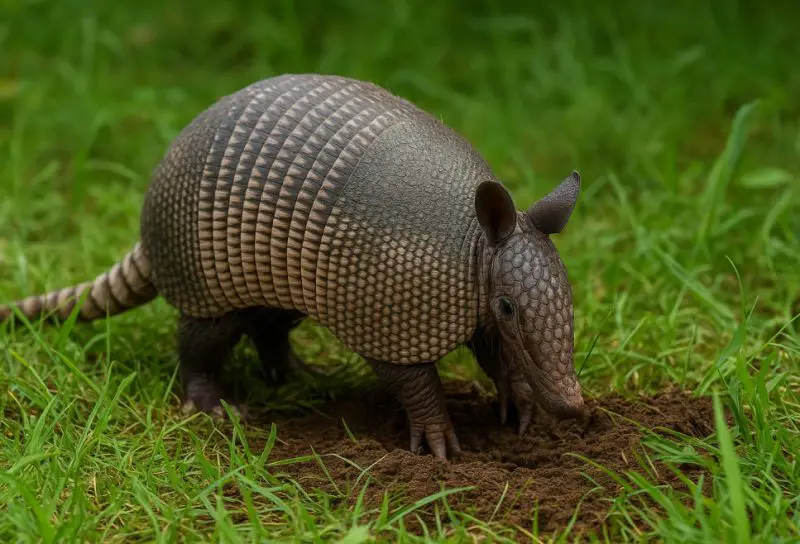
Small cone-shaped holes appearing overnight can confuse and frustrate homeowners across Georgia. Lawns that looked smooth one evening suddenly show scattered pits, loosened soil, and uprooted plants by morning. Many residents first suspect rodents or moles, but the pattern often points to armadillos quietly foraging after dark.
These digging signs rarely happen at random. They usually signal food availability, shelter opportunities, or seasonal wildlife movement. Understanding why armadillos dig near homes helps homeowners respond calmly instead of reacting with unnecessary alarm.
This article explores what those holes really mean, why they appear in Georgia neighborhoods, what risks they may pose, and how to manage them responsibly while respecting local wildlife.
Table of Contents
- 1 Why Armadillos Dig Around Homes in Georgia
- 2 Seasonal Patterns of Armadillo Digging in Georgia
- 3 What Armadillo Holes Usually Look Like
- 4 Are Armadillos Dangerous to Homeowners?
- 5 Structural Concerns Around Homes
- 6 Why Armadillos Are Increasing in Georgia
- 7 Ecological Benefits Often Overlooked
- 8 Signs an Armadillo May Stay Nearby
- 9 Preventing Armadillo Digging Around Homes
- 10 Humane Approaches to Managing Armadillos
- 11 Legal Considerations in Georgia
- 12 When to Simply Leave Them Alone
- 13 Common Misconceptions About Armadillo Holes
- 14 The Bigger Picture of Wildlife Adaptation
- 15 FAQs About Armadillo Holes Near Homes in Georgia
- 15.1 Why do armadillos dig holes in my yard at night?
- 15.2 Are armadillos dangerous to pets?
- 15.3 Can armadillo holes damage house foundations?
- 15.4 Do armadillos carry diseases?
- 15.5 How can I stop armadillos from digging?
- 15.6 Are armadillos protected in Georgia?
- 15.7 Will armadillos eventually leave on their own?
- 15.8 Should I fill armadillo holes immediately?
- 16 Final Thoughts
Why Armadillos Dig Around Homes in Georgia
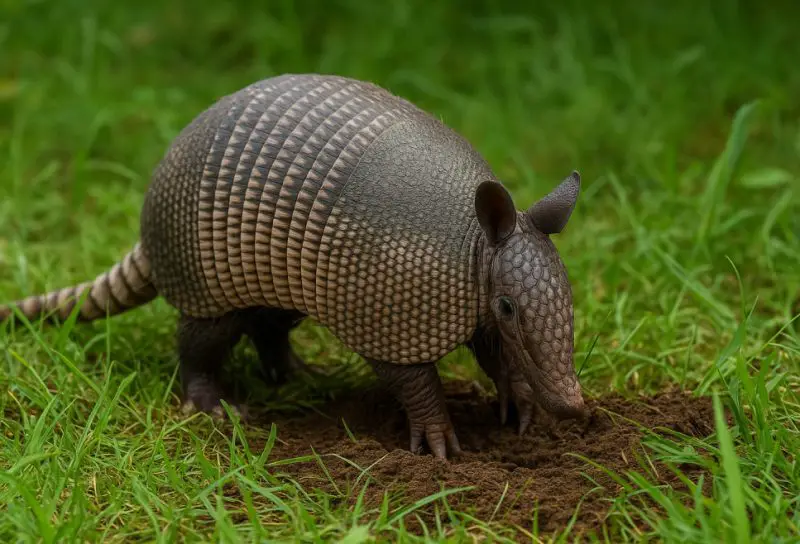
Armadillos dig primarily for survival rather than destruction. Their behavior reflects natural feeding patterns, habitat selection, and seasonal environmental conditions common throughout Georgia.
Insects and Grubs Are the Main Attraction
Lawns rich in beetle larvae, ants, termites, and worms become prime feeding grounds. Armadillos rely heavily on smell rather than sight, allowing them to detect underground insects easily. When they locate a productive patch, they dig shallow holes while moving steadily across the yard.
Georgia’s humid climate supports dense insect populations, especially during spring, summer, and early fall. That abundance explains why armadillo holes often increase after rainfall or irrigation.
Soft Soil Makes Digging Easier
Freshly landscaped yards, mulched garden beds, and irrigated lawns provide ideal digging conditions. Armadillos prefer loose soil because it reduces energy expenditure while searching for food.
Homes with newly installed sod or recently tilled garden areas frequently report sudden armadillo visits.
Shelter Opportunities Near Residential Structures
Porches, decks, sheds, crawlspaces, and dense shrubs can provide daytime shelter. Armadillos may dig shallow burrows nearby if they feel secure from predators and human disturbance.
This does not necessarily mean they intend to stay permanently. Often, it is temporary refuge during feeding cycles.
Seasonal Patterns of Armadillo Digging in Georgia
Timing plays a major role in how frequently homeowners notice digging activity.
Spring Activity Increase
Warmer temperatures awaken insect populations. Armadillos become more active after winter slowdowns, increasing nighttime foraging.
Homeowners often notice the first holes around March or April in southern Georgia and slightly later in northern regions.
Summer Peak Foraging Season
Long warm nights encourage extensive feeding. Soil remains soft from thunderstorms and irrigation, making digging easier.
This period typically produces the highest number of visible holes.
Fall Preparation Behavior
As temperatures gradually cool, armadillos intensify feeding to maintain energy reserves. Digging may spike briefly before winter.
Burrow construction sometimes increases during this time as well.
Mild Winter Activity
Unlike northern states, Georgia’s relatively mild winters allow occasional continued foraging. Holes may appear sporadically rather than consistently.
What Armadillo Holes Usually Look Like
Correct identification helps distinguish armadillo activity from other wildlife.
Typical Hole Shape
Most feeding holes are shallow, roughly three to five inches deep, and cone-shaped. The soil is usually scattered loosely around the opening.
They rarely form long tunnels when simply feeding.
Burrow Entrances
When armadillos establish shelter, the entrance is larger, sometimes seven to ten inches wide. These burrows often appear near structures, tree roots, or dense vegetation.
Burrows usually angle downward rather than straight in.
Pattern of Damage
Unlike moles, which create raised tunnels, armadillos leave individual pits scattered across a lawn. The pattern often looks random but reflects food distribution underground.
Are Armadillos Dangerous to Homeowners?
Most encounters involve minimal risk. Still, understanding potential concerns helps homeowners respond appropriately.
Human Safety Considerations
Armadillos generally avoid people. They rarely display aggression unless cornered or handled.
Surprise encounters sometimes cause them to jump vertically before fleeing, which can startle homeowners but rarely leads to injury.
Disease Concerns
Some armadillos carry bacteria associated with leprosy, although transmission to humans is extremely rare. Direct handling or consumption presents higher risk than casual yard presence.
Simple precautions, like avoiding direct contact, are usually sufficient.
Pet Interactions
Dogs often chase armadillos. The animal typically attempts escape rather than attack, but defensive scratching can occur if captured.
Supervised outdoor time reduces this risk.
Structural Concerns Around Homes
While feeding holes are mostly cosmetic, burrows can occasionally affect structures.
Foundation Areas
Burrowing near foundations may weaken soil stability over time, particularly in sandy or loose soil regions of Georgia.
This situation remains uncommon but worth monitoring.
Garden and Landscape Damage
Vegetable gardens, flower beds, and decorative lawns can suffer repeated digging if insects remain abundant.
Repeated disturbance sometimes kills shallow-root plants.
Irrigation System Risks
Armadillos digging blindly may damage irrigation lines or underground cables unintentionally.
Checking vulnerable areas periodically can prevent surprises.
Why Armadillos Are Increasing in Georgia
Armadillo populations have expanded significantly over recent decades.
Climate Suitability
Warmer winters allow survival farther north than historically possible. Georgia’s climate now supports stable breeding populations statewide.
Reduced Predators
Urban expansion reduces natural predators such as coyotes and bobcats in many suburban areas.
This indirectly encourages armadillo population growth.
Human Landscape Changes
Lawns, golf courses, gardens, and irrigation create ideal feeding environments.
Ironically, well-maintained residential landscapes often attract armadillos more than wild forests.
Ecological Benefits Often Overlooked
Although frustrating to homeowners, armadillos play useful roles in local ecosystems.
Natural Pest Control
They consume large quantities of insects, including species harmful to gardens and crops.
This reduces pesticide dependence in some areas.
Soil Aeration
Their digging helps loosen compacted soil, improving water infiltration and nutrient cycling.
This effect resembles natural tilling.
Food Chain Contribution
Armadillos support predator species and contribute to ecological balance.
Removing them entirely can create unintended consequences.
Signs an Armadillo May Stay Nearby
Occasional digging differs from repeated residency.
Repeated Holes in the Same Area
Consistent nighttime digging suggests a reliable food source.
Addressing insect populations often reduces visits.
Visible Burrow Entrances
Persistent burrows near structures indicate longer-term shelter use.
Monitoring activity patterns helps determine severity.
Tracks and Droppings
Small clawed footprints and cylindrical droppings confirm armadillo presence.
These signs usually appear near feeding sites.
Preventing Armadillo Digging Around Homes
Prevention focuses on removing attractants rather than eliminating wildlife.
Reducing Insect Populations
Managing grubs, ants, and termites decreases the primary food source.
Natural pest control methods often suffice.
Eliminating Shelter Opportunities
Sealing crawlspaces, repairing fencing, and clearing dense vegetation reduce hiding spots.
Simple maintenance can discourage residency.
Lighting and Disturbance
Motion lights or mild noise deterrents sometimes reduce nighttime visits.
These methods work best when combined with habitat changes.
Humane Approaches to Managing Armadillos
Wildlife management should balance property protection with ecological respect.
Exclusion Barriers
Low fencing buried slightly underground can deter digging entry.
Proper installation improves effectiveness.
Professional Wildlife Assistance
Local wildlife services understand Georgia regulations and humane removal practices.
This option is helpful for persistent problems.
Avoid Harmful Methods
Poisons or dangerous traps often harm unintended animals and may violate regulations.
Responsible approaches protect both people and wildlife.
Legal Considerations in Georgia
Wildlife laws vary by state and sometimes by county.
Protected Wildlife Status
Armadillos are classified as nongame wildlife in Georgia. Regulations may allow control under certain circumstances but restrict harmful practices.
Checking local guidance prevents legal complications.
Relocation Concerns
Relocating wildlife without proper knowledge can harm animals and ecosystems.
Professional consultation is often recommended.
When to Simply Leave Them Alone
Not every armadillo visit requires intervention.
Occasional Feeding Visits
Short-term digging often stops once food sources diminish.
Minimal response may be best.
No Structural Risk Present
If burrows remain far from structures and damage is minor, observation alone can suffice.
Many homeowners coexist successfully with local wildlife.
Common Misconceptions About Armadillo Holes
Understanding facts reduces unnecessary worry.
They Are Not Typically Aggressive
Fear often exaggerates perceived danger.
Armadillos prioritize escape.
Holes Rarely Indicate Infestation
Multiple holes do not always mean multiple animals.
One armadillo can create dozens in a night.
They Do Not Intentionally Damage Property
Digging is purely for food or shelter, not territorial aggression.
The Bigger Picture of Wildlife Adaptation
Georgia’s suburban growth intersects with wildlife habitats increasingly.
Armadillos represent just one example of species adapting to human landscapes. Similar patterns occur with deer, raccoons, and foxes.
Recognizing this helps communities develop balanced coexistence strategies rather than reactive control measures.
FAQs About Armadillo Holes Near Homes in Georgia
Why do armadillos dig holes in my yard at night?
They search for insects, grubs, and worms underground. Nighttime activity helps them avoid predators and daytime heat common in Georgia.
Are armadillos dangerous to pets?
Usually not. They prefer escape over confrontation, though defensive scratching can occur if a dog corners one.
Can armadillo holes damage house foundations?
Rarely, but burrows very close to foundations could weaken soil over time. Monitoring is usually enough unless digging becomes persistent.
Do armadillos carry diseases?
Some may carry bacteria linked to leprosy, but human transmission is extremely rare. Avoid direct handling to stay safe.
How can I stop armadillos from digging?
Reduce insect populations, remove shelter options, install barriers, and consider humane wildlife control if activity persists.
Are armadillos protected in Georgia?
They are classified as nongame wildlife. Regulations allow certain control methods but restrict harmful or unsafe practices.
Will armadillos eventually leave on their own?
Often yes. Once food sources decline or disturbances increase, they typically move elsewhere.
Should I fill armadillo holes immediately?
Yes, especially in lawns or near structures. Filling prevents tripping hazards and discourages repeated digging in the same spot.
Final Thoughts
Armadillo holes around Georgia homes usually signal active insect populations, soft soil conditions, or temporary wildlife exploration rather than serious threats. These animals follow instinctive feeding and shelter behaviors shaped by climate, landscape changes, and seasonal cycles.
While their digging can frustrate homeowners, it rarely indicates danger. Thoughtful prevention, habitat management, and humane responses often resolve the issue without harming local ecosystems.
Understanding the meaning behind those small nighttime holes transforms concern into informed awareness. In many cases, coexistence becomes not only possible but beneficial for both people and Georgia’s evolving wildlife environment.