
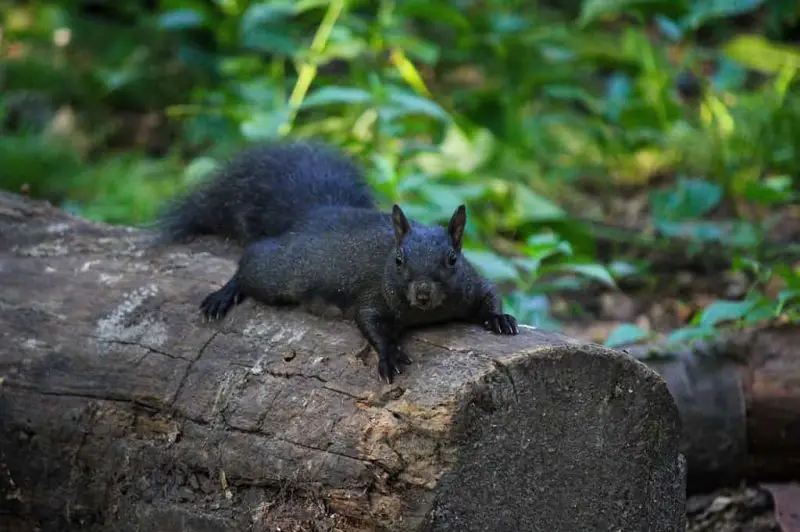
Seeing a completely black squirrel in Louisiana can feel surprising, especially if you are used to the familiar gray or brown squirrels that dominate parks, forests, and suburban neighborhoods. These darker animals often appear suddenly, prompting curiosity, concern, or even speculation about environmental change. Yet the explanation usually lies in genetics, adaptation, and natural variation rather than anything unusual or alarming.
Across Louisiana’s diverse landscapes — from bottomland hardwood forests and pine savannas to urban green spaces and coastal environments — squirrels show remarkable adaptability. Their coloration, including rare black coats, reflects long-term evolutionary processes interacting with local conditions. A black squirrel is not a new species or an invasive animal. It is simply a color variation within an already familiar species.
Understanding why some squirrels appear completely black helps explain broader wildlife adaptation patterns. It also highlights how environmental factors, genetics, and human development shape the animals living alongside us every day.
Table of Contents
- 1 The Species Behind Louisiana’s Black Squirrels
- 2 Understanding Melanism in Wildlife
- 3 Why Black Squirrels May Appear Suddenly
- 4 Environmental Conditions in Louisiana
- 5 Potential Advantages of Black Fur
- 6 Predators and Survival Dynamics
- 7 Genetic Inheritance Patterns
- 8 Urbanization and Wildlife Adaptation
- 9 Seasonal Changes and Visibility
- 10 Diet and Health Factors
- 11 Are Black Squirrels a Different Species?
- 12 Cultural Interest and Public Curiosity
- 13 Climate Change Considerations
- 14 Misconceptions About Black Squirrels
- 15 How Residents Can Observe Responsibly
- 16 Ecological Role of Squirrels in Louisiana
- 17 When Black Squirrel Sightings Increase
- 18 FAQs About Black Squirrels in Louisiana
- 18.1 Are black squirrels rare in Louisiana?
- 18.2 Can gray squirrels turn black over time?
- 18.3 Are black squirrels more aggressive?
- 18.4 Do black squirrels have different diets?
- 18.5 Are they invasive or harmful?
- 18.6 Should people feed black squirrels?
- 18.7 Do they live longer than gray squirrels?
- 18.8 Are they a sign of environmental change?
- 19 Final Thoughts
The Species Behind Louisiana’s Black Squirrels
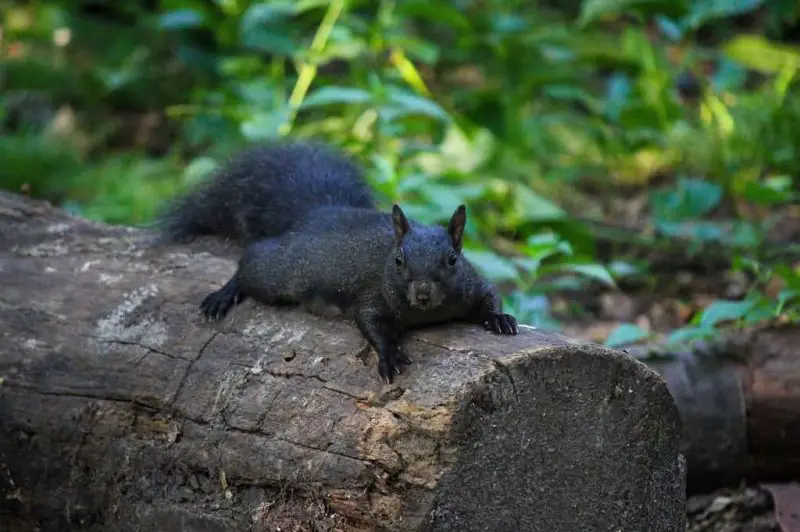
Most black squirrels seen in Louisiana are actually eastern gray squirrels (Sciurus carolinensis) displaying a melanistic color phase. This means their fur appears dark due to increased melanin pigmentation rather than representing a different species.
Eastern gray squirrels are widespread throughout the southeastern United States. They thrive in hardwood forests, suburban yards, urban parks, and agricultural edges. Their flexibility in diet and habitat allows them to coexist closely with people while still maintaining wild behavior patterns.
Typical coloration ranges from silvery gray to brownish gray with a white underside. Occasionally, genetic variation produces darker individuals. When melanin levels are particularly high, the fur appears entirely black. These squirrels behave exactly like their gray counterparts, sharing the same diet, social habits, and ecological role.
Understanding Melanism in Wildlife
Melanism refers to increased dark pigmentation caused by higher concentrations of melanin in skin, fur, or feathers. This phenomenon occurs in many animal groups including birds, reptiles, mammals, and insects. It represents natural genetic variation rather than disease or environmental contamination.
In squirrels, melanism results from gene mutations affecting pigment production. These genes can be inherited across generations, allowing black individuals to persist within populations. If environmental conditions favor darker coloration, the trait may become more common over time.
Melanism sometimes provides subtle advantages. Dark fur may help with heat absorption in cooler conditions, camouflage in shaded habitats, or protection against ultraviolet radiation. However, the advantage varies by region and habitat type. In Louisiana, these factors interact in complex ways depending on climate, vegetation, and landscape structure.
Why Black Squirrels May Appear Suddenly
People often report black squirrels appearing “out of nowhere.” In reality, several factors influence visibility rather than sudden population emergence.
Population shifts may occur gradually without notice until a few individuals enter highly visible areas such as neighborhoods, parks, or roadsides. Increased human outdoor activity can also raise encounter rates. Seasonal foliage changes sometimes make darker animals easier to spot.
Urban expansion plays a role as well. As development alters natural habitats, squirrels adapt by moving into new areas. A previously forest-dwelling black squirrel population may suddenly appear in suburban spaces simply because habitat boundaries shifted.
This perceived suddenness reflects changing visibility rather than abrupt biological change.
Environmental Conditions in Louisiana
Louisiana’s warm climate, abundant vegetation, and diverse ecosystems support stable squirrel populations. Dense tree cover provides food sources such as nuts, seeds, fruits, and buds. Wetlands and riparian zones create additional habitat diversity.
Humidity, temperature stability, and long growing seasons allow continuous food availability compared with northern climates. These factors support both gray and melanistic squirrels equally.
Urban environments also offer advantages. Bird feeders, ornamental plantings, and reduced predator presence can encourage squirrel adaptation to human-dominated landscapes. Black squirrels benefit from these conditions just as gray squirrels do.
Potential Advantages of Black Fur
Although Louisiana’s climate is warm, darker fur may still offer subtle benefits in certain contexts. Early morning warmth absorption can aid thermoregulation during cooler seasons or shaded forest conditions.
Camouflage is another possible advantage. In dense forests, dark fur blends with shadows, tree bark, and understory vegetation. This concealment may reduce predation risk slightly.
Some researchers suggest melanism may correlate with stronger immune responses or increased resilience to environmental stress. Evidence varies, but genetic diversity often enhances species adaptability overall.
These advantages are modest rather than decisive, yet they help explain why melanistic individuals persist.
Predators and Survival Dynamics
Louisiana hosts a variety of squirrel predators including hawks, owls, snakes, bobcats, foxes, and domestic pets. Coloration can influence visibility to predators depending on habitat.
In shaded woodland environments, darker squirrels may blend better with surroundings. In open sunny spaces, gray coloration may provide better camouflage. These shifting advantages help maintain color diversity within populations.
Predation pressure naturally regulates squirrel numbers. Both gray and black individuals face similar ecological challenges, reinforcing the idea that coloration alone does not determine survival success.
Genetic Inheritance Patterns
Melanistic coloration typically follows dominant genetic inheritance patterns. If one parent carries the melanistic gene, offspring may express darker coloration. Over generations, this can produce localized clusters of black squirrels.
Genetic drift also plays a role. Small population pockets may develop higher frequencies of certain traits simply due to chance inheritance patterns rather than selective advantage.
Human landscape fragmentation sometimes isolates wildlife populations. These isolated groups may display distinctive traits, including increased melanism, compared with surrounding populations.
Urbanization and Wildlife Adaptation
Louisiana cities such as Baton Rouge, New Orleans, and Shreveport contain extensive green spaces where squirrels thrive. Urban environments often reduce predator presence while increasing food availability.
These conditions allow diverse color morphs to persist without strong selective pressure. Black squirrels appearing in urban parks or neighborhoods often reflect adaptation to human-modified habitats rather than environmental stress.
Urban wildlife research increasingly shows that animals adjust behavior, diet, and even physical traits in response to city living. Squirrel coloration variation fits within this broader adaptation pattern.
Seasonal Changes and Visibility
Seasonal foliage shifts can influence how noticeable squirrels appear. Winter leaf drop increases visibility, making darker animals stand out against lighter backgrounds.
Conversely, dense summer vegetation may conceal darker squirrels until they move into open areas. Seasonal lighting conditions also affect perception. Bright sunlight can exaggerate contrast, making black squirrels appear more striking than they might otherwise seem.
These visual factors contribute to the impression of sudden appearance even when populations remain stable.
Diet and Health Factors
Squirrel coloration is not influenced by diet in the way some bird plumage is affected. Nutritional intake does not cause gray squirrels to “turn black.” Instead, coloration remains genetically determined.
Healthy diets still play a role in overall vitality. Louisiana’s abundant plant life provides diverse food sources supporting robust squirrel populations regardless of color morph.
Food availability fluctuations may influence population movement patterns, indirectly affecting visibility of black squirrels in specific areas.
Are Black Squirrels a Different Species?
No. Melanistic squirrels belong to the same species as their gray counterparts. They interbreed freely, producing offspring with varying coloration.
Behavior, diet, lifespan, and ecological role remain consistent across color variations. Observing a black squirrel does not indicate ecological disruption or invasive species introduction.
Understanding this distinction helps avoid unnecessary concern and supports accurate wildlife education.
Cultural Interest and Public Curiosity
Black squirrels often attract attention due to their rarity and distinctive appearance. Some communities even celebrate them as local wildlife symbols.
Curiosity about unusual animal coloration reflects human fascination with biodiversity. Educational outreach can transform surprise into appreciation for natural variation.
Public engagement with wildlife promotes conservation awareness, especially when unusual animals capture community interest.
Climate Change Considerations
Climate change discussions sometimes arise when unusual wildlife sightings occur. While long-term environmental shifts can influence species distribution, melanistic squirrels typically reflect established genetic variation rather than recent climate effects.
Gradual northward range expansions have been observed in some species due to warming trends, but black squirrels in Louisiana generally represent local genetic diversity rather than climate-driven migration.
Ongoing research continues monitoring wildlife responses to environmental change.
Misconceptions About Black Squirrels
Several myths persist about melanistic squirrels. Some people believe they are aggressive, diseased, or invasive. Scientific evidence does not support these claims.
Behavior remains consistent regardless of fur color. Health status depends on environmental conditions, diet, and predator pressure rather than pigmentation.
Education helps replace misconceptions with accurate understanding.
How Residents Can Observe Responsibly
Watching wildlife responsibly enhances appreciation while minimizing disturbance. Keeping pets supervised, avoiding feeding wildlife excessively, and maintaining natural habitat features support healthy ecosystems.
Observing from a distance allows squirrels to behave naturally. Photographing without approaching too closely reduces stress for animals.
Responsible coexistence benefits both wildlife and communities.
Ecological Role of Squirrels in Louisiana
Squirrels contribute significantly to ecosystem health. They disperse seeds by burying nuts, supporting forest regeneration. Their digging aerates soil, promoting plant growth.
They also serve as prey for various predators, maintaining balanced food webs. Both gray and black squirrels perform identical ecological functions.
Recognizing this role underscores their importance beyond visual curiosity.
When Black Squirrel Sightings Increase
Increased sightings often reflect habitat changes, urban expansion, seasonal shifts, or simple chance encounters rather than population surges.
Community awareness sometimes amplifies perception. Once people start noticing black squirrels, reports multiply even if numbers remain stable.
Wildlife monitoring helps clarify actual population trends.
FAQs About Black Squirrels in Louisiana
Are black squirrels rare in Louisiana?
They are less common than gray squirrels but not extremely rare. Local populations may vary depending on genetics and habitat conditions.
Can gray squirrels turn black over time?
No. Fur color is genetically determined from birth. A gray squirrel will not change to black due to age, diet, or environment.
Are black squirrels more aggressive?
No evidence suggests behavioral differences based solely on coloration. Temperament depends on individual experience and environment.
Do black squirrels have different diets?
They eat the same foods as gray squirrels including nuts, seeds, fruits, buds, fungi, and occasional insects.
Are they invasive or harmful?
No. They belong to the same native species as gray squirrels and play similar ecological roles.
Should people feed black squirrels?
Wildlife experts generally discourage feeding to prevent dependency and human-wildlife conflict.
Do they live longer than gray squirrels?
Lifespan differences are minimal. Survival depends more on habitat, predators, and food availability.
Are they a sign of environmental change?
Usually not. They represent normal genetic variation rather than ecological disturbance.
Final Thoughts
Black squirrels in Louisiana often spark curiosity because they contrast so strongly with the familiar gray variety. Yet their presence reflects natural genetic diversity rather than sudden ecological change. Melanism occurs across many animal species and contributes to biodiversity resilience.
Understanding why some squirrels appear completely black helps reduce misconceptions while encouraging appreciation for wildlife adaptation. Louisiana’s rich ecosystems support this diversity, demonstrating how animals adjust to both natural and human-influenced environments.
When you encounter a black squirrel, you are witnessing a fascinating example of evolution in action. Observing respectfully allows continued coexistence while highlighting the remarkable variety present in everyday wildlife.