
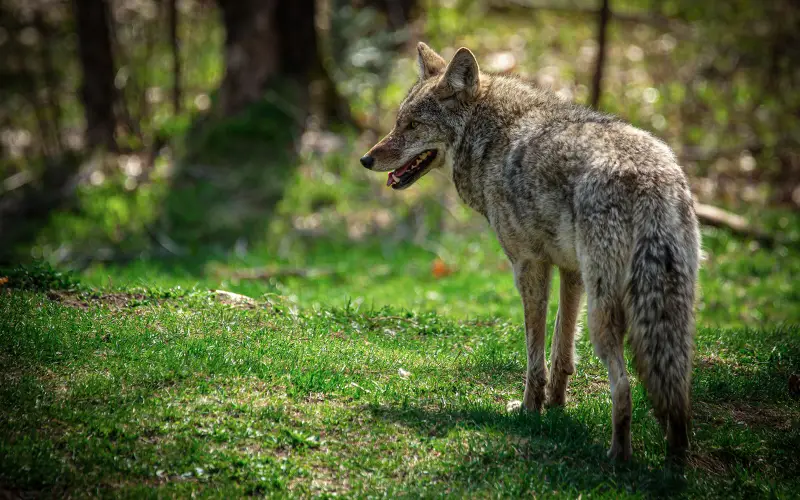
Over the past several decades, coyotes have firmly established themselves as a regular presence in Virginia’s wildlife landscape. As their range expanded across the eastern United States, many residents began noticing more sightings in rural areas, suburbs, and even near cities. With that increased visibility came curiosity, concern, and plenty of myths. One of the most common questions is whether coyotes in Virginia ever breed with domestic dogs.
The short answer is that it is biologically possible but relatively uncommon. Understanding why requires looking at genetics, behavior, habitat overlap, breeding cycles, and how coyotes actually live alongside people. This topic often sparks strong reactions because it touches both wildlife conservation and pet safety.
This article explores the science behind coyote-dog hybridization, sometimes called “coydogs,” and what the evidence suggests specifically for Virginia. It also explains realistic risks to pets, how coyotes behave around humans, and what residents can do to coexist safely with native wildlife.
Table of Contents
- 1 Coyotes in Virginia Today
- 2 Biological Compatibility Between Coyotes and Dogs
- 3 Breeding Cycles Create Natural Barriers
- 4 Behavioral Differences Between Coyotes and Dogs
- 5 Situations Where Hybridization Might Occur
- 6 Identifying Coydog Hybrids
- 7 Behavior of Coydog Hybrids
- 8 Habitat Overlap in Virginia
- 9 Risks to Domestic Dogs
- 10 Public Perception Versus Scientific Evidence
- 11 Ecological Role of Coyotes in Virginia
- 12 Human Influence on Interaction Rates
- 13 Wildlife Management Perspective in Virginia
- 14 Long-Term Outlook
- 15 Practical Tips for Virginia Residents
- 16 FAQs About Coyotes Breeding With Domestic Dogs
- 17 Final Thoughts
Coyotes in Virginia Today
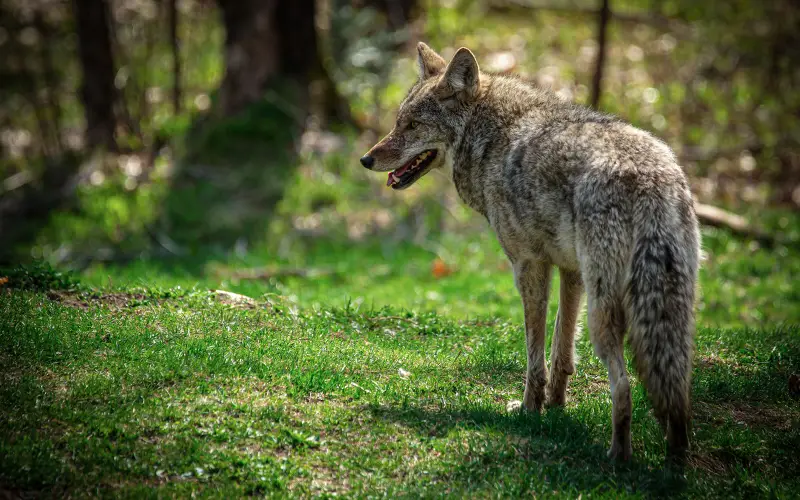
Coyotes were not always a common sight in Virginia. Historically, their range was centered farther west, but major ecological changes during the twentieth century helped them expand eastward. Reforestation, reduced wolf populations, and increased adaptability to human-altered landscapes allowed coyotes to establish stable populations across the state. Today they are present in nearly every county, from the Appalachian Mountains to coastal plains.
Their success comes from remarkable adaptability. Coyotes thrive in forests, farmland, wetlands, suburban green corridors, and even near urban edges. They do not depend on a single habitat type, which allows them to adjust quickly when environments change. This flexibility helps explain why their population has remained stable despite ongoing development.
Diet plays a major role in that adaptability. Virginia coyotes eat rodents, rabbits, insects, fruits, carrion, and occasionally deer fawns. They sometimes scavenge human food sources if opportunities arise, although they typically remain cautious around people. Most activity occurs during dawn, dusk, or nighttime hours. Many residents live close to coyotes without ever seeing them, detecting their presence only through tracks, distant howls, or trail camera images.
Biological Compatibility Between Coyotes and Dogs
Coyotes and domestic dogs share a close evolutionary relationship. Both belong to the genus Canis, which means interbreeding is biologically possible. When such pairings occur, the offspring are often called coydogs. While this possibility exists scientifically, it does not mean hybridization happens frequently.
Successful reproduction requires more than genetic compatibility. Behavioral signals, reproductive timing, habitat overlap, and social dynamics all influence whether mating actually occurs. Coyotes usually prefer partners from their own species because communication cues, territorial behavior, and breeding cycles align more naturally.
Across North America, occasional hybridization has been confirmed through genetic studies. However, these events remain relatively rare compared with normal coyote-to-coyote breeding. In Virginia, documented hybrids exist but are not widespread and do not dominate coyote populations. Most coyotes remain genetically distinct.
Breeding Cycles Create Natural Barriers
Reproductive timing is one of the strongest barriers preventing frequent hybridization. Coyotes typically breed only once per year, generally between January and March in Virginia. This seasonal pattern ensures pups are born in spring when food becomes more plentiful, increasing survival chances.
Domestic dogs have a different reproductive schedule. Many breeds enter estrus multiple times each year depending on health, environment, and genetics. Because their fertility cycles do not consistently align with coyote breeding seasons, opportunities for successful mating are limited.
Even when coyotes and dogs encounter one another, mismatched reproductive timing often prevents breeding. Seasonal ecology therefore reinforces natural separation between the species.
Behavioral Differences Between Coyotes and Dogs
Behavioral compatibility strongly influences mate selection. Coyotes rely heavily on scent marking, vocalizations, territorial boundaries, and specific courtship behaviors. These signals help identify appropriate mates and maintain social structure within coyote populations.
Domestic dogs vary widely due to centuries of selective breeding by humans. Some retain strong instincts similar to wild canids, but many do not exhibit the same communication cues that coyotes recognize during breeding. Coyotes may interpret unfamiliar dogs as competitors, intruders, or even potential threats rather than mates.
Territorial instincts further complicate interaction. Coyotes typically defend established territories, especially during breeding season. Encounters with domestic dogs often result in avoidance or defensive behavior rather than reproductive interest. These behavioral differences significantly reduce hybridization probability.
Situations Where Hybridization Might Occur
Although uncommon, certain circumstances can increase the chance of coyote-dog mating. Free-roaming or feral dogs represent the most likely scenario. Without human supervision, they may wander into wildlife habitats during the coyote breeding season.
Environmental disruptions can also influence behavior. Habitat fragmentation, hunting pressure, or changes in population density may occasionally leave solitary coyotes without nearby mates. In rare cases, this may alter normal breeding patterns.
Rural landscapes with overlapping wildlife and domestic animal presence create the highest potential for interaction. Farms, wooded suburban edges, and sparsely populated areas sometimes provide conditions where coyotes and dogs encounter each other. Even then, successful hybridization remains relatively infrequent.
Identifying Coydog Hybrids
Recognizing coydog hybrids by appearance alone is difficult. Hybrids may show intermediate traits such as unusual coat coloration, mixed ear shapes, or behavioral characteristics that do not clearly match either species.
However, natural variation within coyotes and domestic dogs can mimic these features. A large feral dog may resemble a coyote, while some coyotes display coat variations that resemble domestic breeds. Misidentification is therefore common.
DNA testing remains the most reliable method for confirming hybrid ancestry. Wildlife agencies occasionally conduct genetic analysis when hybridization becomes a management concern or when unusual animals are reported.
Behavior of Coydog Hybrids
When hybrids occur, their behavior can vary widely. Some coydogs retain strong wild instincts, remaining cautious around humans and capable hunters similar to coyotes. Others may exhibit reduced fear of people or altered social behaviors reflecting domestic ancestry.
Over time, hybrid genes often dilute through backcrossing with wild coyotes. This process gradually reduces domestic traits within wild populations. Because coyotes typically prefer mating with other coyotes, stable hybrid populations rarely develop.
Behavior ultimately depends more on environment, upbringing, and individual temperament than hybrid genetics alone.
Habitat Overlap in Virginia
Virginia’s landscape naturally creates zones where wildlife and domestic animals occasionally intersect. Mountain forests, agricultural farmland, wetlands, suburban neighborhoods, and urban green corridors all contribute to habitat overlap.
Outdoor pets sometimes roam into these transitional areas, increasing the likelihood of encounters. However, coyotes generally avoid densely populated regions whenever possible. Their cautious nature limits sustained interaction with humans and domestic animals.
Habitat overlap simply creates occasional opportunities for contact. It does not indicate widespread hybridization or frequent interaction.
Risks to Domestic Dogs
For pet owners, the primary concern is usually safety rather than hybridization. Coyotes may view smaller dogs as potential prey, especially during pup-rearing season when food demands increase. Larger dogs may trigger territorial defense responses instead.
Encounter risk varies depending on location, prey availability, and individual animal behavior. Rural areas, wooded neighborhoods, and regions near water sources may see more coyote activity.
Supervising pets outdoors, particularly at dawn and dusk, greatly reduces risk. Keeping dogs on leashes, securing yards, and avoiding unattended outdoor feeding are effective preventive measures. Pet safety remains the practical priority.
Public Perception Versus Scientific Evidence
Stories about coydogs often capture public attention. Reports of unusually large coyotes, unusual coat colors, or brief wildlife sightings sometimes spark speculation about hybrid populations. Media amplification and anecdotal accounts can reinforce these perceptions.
Scientific evidence consistently shows hybridization occurs occasionally but not frequently enough to significantly alter coyote populations. Behavior and population trends remain largely consistent with pure coyote ecology.
Education helps replace speculation with accurate understanding. Informed communities tend to respond more calmly and effectively to wildlife presence.
Ecological Role of Coyotes in Virginia
Coyotes serve an important ecological function. As mid-sized predators, they help regulate populations of rodents, rabbits, and other small mammals. They also consume carrion, which contributes to ecosystem cleanliness and nutrient cycling.
Predator presence supports biodiversity by maintaining balanced food webs. Occasional hybridization has not measurably affected this ecological role. Coyotes continue functioning as key components of Virginia ecosystems.
Understanding their ecological value encourages coexistence rather than unnecessary fear.
Human Influence on Interaction Rates
Human activity strongly influences wildlife encounters. Accessible garbage, outdoor pet food, compost piles, and intentional feeding attract coyotes closer to residential areas. These attractants increase the chance of interaction with domestic animals.
Free-roaming pets further increase encounter opportunities. Neutering dogs, supervising outdoor time, maintaining fencing, and removing attractants reduce both hybridization risk and potential conflict.
Community education programs increasingly emphasize coexistence strategies rather than fear-based responses. Responsible human behavior plays a central role in reducing wildlife conflict.
Wildlife Management Perspective in Virginia
Virginia wildlife agencies focus on monitoring populations, conserving habitats, and minimizing human-wildlife conflict. Hybridization concerns rarely dominate management decisions because confirmed cases remain limited.
Efforts typically include public education, livestock protection guidance, habitat conservation initiatives, and research programs tracking population health. These approaches aim to maintain ecological balance while addressing community concerns.
Science-based management helps ensure sustainable coexistence between wildlife and human communities.
Long-Term Outlook
Coyotes are expected to remain a permanent part of Virginia’s wildlife landscape. Their adaptability to diverse habitats and changing environmental conditions makes them resilient predators.
Hybridization with domestic dogs will likely continue to occur occasionally but remain uncommon due to strong biological and behavioral barriers. Ongoing research, genetic monitoring, and public education will continue shaping understanding of these interactions.
Realistic expectations help communities adapt to living alongside native predators without unnecessary alarm.
Practical Tips for Virginia Residents
Simple precautions can greatly reduce wildlife conflict. Supervising dogs outdoors, especially at night, is one of the most effective steps. Keeping pet food indoors, securing garbage, and maintaining fenced yards also help minimize attractants.
Educating children about wildlife awareness and avoiding intentional feeding of wild animals further supports coexistence. These measures protect pets while respecting the ecological role of native predators.
Awareness, preparation, and responsible behavior usually prevent problems more effectively than reactive measures.
FAQs About Coyotes Breeding With Domestic Dogs
Can coyotes and dogs really produce offspring?
Yes, because they belong to the same genus. However, successful hybridization remains relatively uncommon.
Are coydogs common in Virginia?
They exist but are not widespread. Most coyotes breed with other coyotes rather than dogs.
Are coydog hybrids more aggressive?
Not necessarily. Behavior varies widely and depends more on upbringing and environment than genetics alone.
Should pet owners worry about coyotes breeding with dogs?
Safety concerns are generally more relevant than breeding risk. Supervised pets face far less danger.
How can I protect my dog from coyotes?
Keep pets supervised outdoors, avoid nighttime roaming, secure food sources, and maintain fencing where possible.
Final Thoughts
Coyotes in Virginia can technically breed with domestic dogs, but such cases remain uncommon due to differences in behavior, breeding cycles, and natural mating preferences. Most concerns about hybrids are often exaggerated compared with actual scientific evidence.
For residents, the key issue is not hybridization but responsible pet supervision and awareness of local wildlife. Understanding coyote behavior helps reduce unnecessary worry while supporting safe, practical coexistence.