
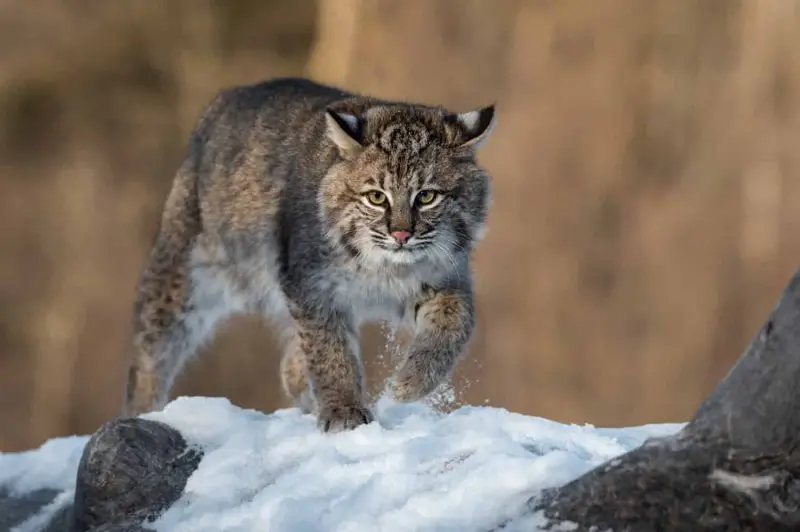
Bobcats are well-known wild felines throughout the western United States, and Utah offers a wide range of habitats that support their populations. Their presence near rural communities, foothill suburbs, and desert-edge neighborhoods often sparks questions about interactions with domestic cats. One recurring concern is whether bobcats ever mate with house cats and produce hybrids.
The short answer is that confirmed bobcat–domestic cat hybrids are extremely unlikely, and there is no verified scientific evidence that stable hybrid populations exist. However, the topic is more complex than a simple yes or no. Understanding genetics, behavior, habitat overlap, and ecological realities helps clarify why the idea persists and what actually happens when wild bobcats live near human settlements.
This article explores bobcats in Utah, their biology, the possibility of interbreeding, real risks to pets, and practical coexistence strategies based on wildlife science.
Table of Contents
- 1 Bobcats in Utah Today
- 2 Domestic Cats Outdoors in Utah
- 3 Genetic Compatibility Between Bobcats and Domestic Cats
- 4 Behavioral Barriers to Interbreeding
- 5 Differences in Breeding Cycles
- 6 Habitat Separation in Utah
- 7 Why Hybrid Stories Persist
- 8 Real Risks to Domestic Cats
- 9 Ecological Role of Bobcats in Utah
- 10 How Bobcats Avoid Humans
- 11 Responsible Pet Ownership in Bobcat Territory
- 12 Utah Landscape Influences on Interaction
- 13 Scientific Monitoring and Research
- 14 Common Myths About Bobcat Hybrids
- 15 Wildlife Management Perspectives in Utah
- 16 Human Psychology and Wildlife Perception
- 17 Future Outlook for Bobcats in Utah
- 18 FAQs About Bobcats and Domestic Cats in Utah
- 18.1 Can bobcats actually breed with domestic cats?
- 18.2 Are bobcats dangerous to house cats?
- 18.3 Why do people think hybrids exist?
- 18.4 Do bobcats live near cities in Utah?
- 18.5 What should I do if I see a bobcat?
- 18.6 Are bobcats aggressive toward humans?
- 18.7 Can genetic testing detect hybrids?
- 18.8 How can I protect my pets?
- 19 Final Thoughts
Bobcats in Utah Today
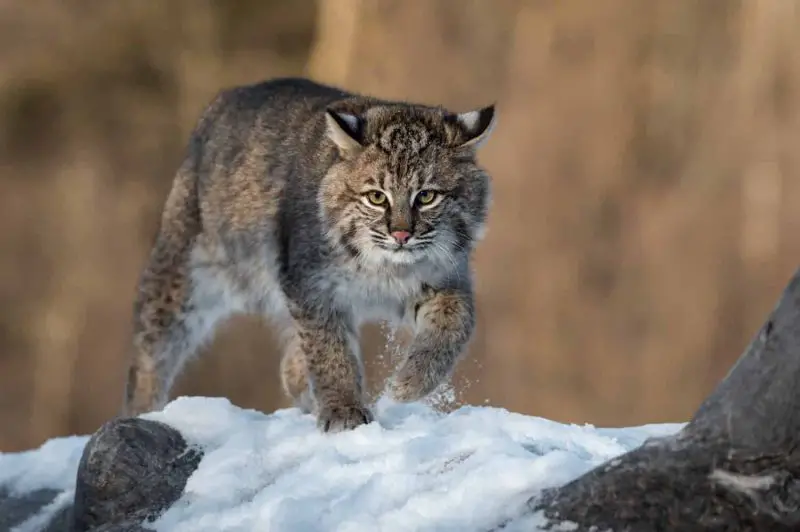
Utah supports a stable and widespread population of bobcats thanks to its diverse landscapes. These adaptable wildcats occupy deserts, canyon systems, shrublands, foothills, mountain forests, and even semi-rural suburban edges where vegetation cover remains. Their ability to adjust to different elevations, temperatures, and terrain types makes them one of the most resilient native predators in the region.
Diet flexibility plays a major role in their success. Bobcats primarily hunt rabbits, rodents, birds, reptiles, and occasionally deer fawns, shifting prey choices depending on seasonal availability. During periods when natural prey fluctuates, individuals may travel closer to developed areas, which sometimes increases sightings near farms, trail systems, or residential edges.
Even with this adaptability, bobcats remain cautious animals. Most activity occurs at dawn, dusk, or nighttime hours when human presence is lower. Their stealth, camouflage, and quiet movement mean many Utah residents live near bobcats without ever realizing it. This hidden presence often sparks curiosity about whether interactions with domestic pets, including cats, could extend beyond occasional encounters.
Domestic Cats Outdoors in Utah
Domestic cats display a wide range of outdoor behaviors. Some remain strictly indoors, while others roam freely or develop semi-feral habits over time. Outdoor cats frequently hunt rodents, birds, insects, and reptiles, which can bring them into partial overlap with native predators such as bobcats.
However, important behavioral differences separate domestic cats from their wild counterparts. Many house cats rely on regular feeding by humans, making their movement patterns more influenced by predictable food sources. Their territorial instincts are typically less rigid than those of wildcats, and they may lack the cautious avoidance behavior necessary to detect larger predators.
Domestic cats also tend to show more social tolerance than solitary wild felines. Multiple domestic cats may share overlapping spaces around homes or barns, whereas bobcats generally maintain strict territories. These behavioral contrasts strongly shape how the two species interact. Simply sharing the same landscape does not mean mating interactions are likely.
Genetic Compatibility Between Bobcats and Domestic Cats
From a biological perspective, bobcats and domestic cats belong to different genera. Bobcats are classified as Lynx rufus, while domestic cats belong to Felis catus. This evolutionary separation creates significant reproductive barriers that make successful interbreeding highly unlikely.
Hybridization usually occurs between species that share a closer evolutionary relationship, often within the same genus. Well-known examples include lions and tigers, both members of the genus Panthera. Bobcats and domestic cats diverged much earlier in evolutionary history, which reduces genetic compatibility and the likelihood of producing viable offspring.
Because of this genetic distance, confirmed hybrids have not been documented in scientific literature. Reports of bobcat-domestic cat crosses typically result from misidentification, unusual coat patterns in domestic cats, or brief wildlife sightings that leave room for speculation rather than verified evidence.
Behavioral Barriers to Interbreeding
Behavioral factors further reduce the possibility of mating. Bobcats are strongly territorial animals that rely on scent marking, vocalizations, and seasonal courtship behaviors specific to their species. These signals help them identify appropriate mates while avoiding unnecessary conflict.
Domestic cats may not recognize these communication cues. Likewise, bobcats may interpret smaller unfamiliar animals, including domestic cats, as competitors or potential prey rather than mates. Differences in body size, strength, and defensive behavior reinforce this separation.
Even when two animals occupy overlapping habitats, mismatched communication and instinctual responses often prevent sustained interaction. Behavioral incompatibility therefore acts as another powerful barrier to hybridization between bobcats and domestic cats.
Differences in Breeding Cycles
Reproductive timing adds another layer of separation. Bobcats typically breed once annually, usually in late winter. This seasonal timing ensures kittens are born in spring when prey availability improves, increasing survival chances.
Domestic cats, by contrast, can enter estrus multiple times per year, especially when they live in environments with consistent food and shelter. This flexible reproductive cycle means their fertility periods rarely align with the narrow breeding window of bobcats.
Without synchronized fertility, successful mating becomes even less likely. Seasonal ecology therefore reinforces the biological separation already created by genetics and behavior.
Habitat Separation in Utah
Habitat preferences also limit direct interaction. Bobcats usually favor remote or semi-wild environments such as rocky terrain, desert shrublands, canyon systems, foothill forests, and less disturbed natural areas. These habitats provide hunting cover, shelter, and reduced human activity.
Domestic cats generally remain closer to human settlements. Homes, barns, neighborhoods, and suburban green spaces offer predictable food sources and protection. Even feral cat populations often cluster near human infrastructure, where survival conditions are more stable than in deeper wilderness.
Although some overlap occurs along rural edges or suburban foothills, sustained interaction remains uncommon. Habitat separation helps maintain species distinction and reduces opportunities for close contact.
Why Hybrid Stories Persist
Stories about bobcat-domestic cat hybrids continue circulating in Utah and other western states. Several factors contribute to this perception. Brief wildlife sightings, unusual coat coloration in feral cats, or size misjudgments from a distance can lead to speculation about hybrid ancestry.
Media coverage and social storytelling sometimes amplify these anecdotes. People are naturally fascinated by wildlife hybrids, which makes such stories memorable and widely shared. However, fascination does not equal scientific confirmation.
Research consistently finds no verified bobcat-domestic cat hybrids. Most suspected cases ultimately involve misidentified animals or natural variation within domestic cat populations.
Real Risks to Domestic Cats
While hybridization is unlikely, predation risk is a more practical concern. Bobcats are opportunistic hunters capable of preying on small mammals, including domestic cats, especially in rural or foothill environments.
Risk tends to increase during periods of limited natural prey, breeding season, drought conditions, or habitat fragmentation. Younger or smaller pets may be particularly vulnerable if allowed to roam freely in areas with active bobcat populations.
Keeping cats indoors significantly reduces this risk. Supervised outdoor time, secure enclosures, and avoiding nighttime roaming also help protect pets. From a practical standpoint, safety concerns matter far more than the unlikely possibility of hybridization.
Ecological Role of Bobcats in Utah
Bobcats contribute positively to Utah ecosystems. By controlling populations of rabbits, rodents, and other small mammals, they help maintain ecological balance. This predatory role can indirectly benefit agriculture by reducing crop-damaging rodents.
Predator presence also supports biodiversity by maintaining natural food web dynamics. Healthy bobcat populations often signal functioning ecosystems where prey species remain balanced.
Understanding this ecological role helps place occasional sightings in context. Rather than representing a threat, bobcats often reflect environmental stability.
How Bobcats Avoid Humans
Bobcats generally prefer to avoid human contact. Their camouflage, stealth movement, and nocturnal habits reduce visibility. Most encounters happen accidentally, such as during hiking or early morning outdoor activity.
Minimizing attractants helps maintain natural separation. Securing garbage, removing outdoor pet food, reducing rodent attractants, and preserving natural habitat buffers all discourage wildlife from approaching residential areas.
Wildlife typically chooses avoidance over confrontation. Awareness rather than fear supports safe coexistence.
Responsible Pet Ownership in Bobcat Territory
Simple preventive measures can reduce potential conflict. Keeping cats indoors remains the safest option for both pet safety and wildlife conservation. When outdoor access is desired, supervised time or enclosed outdoor structures provide protection.
Avoid leaving pet food outside overnight, as it may attract wildlife. Maintaining clean yards, managing rodent populations, and ensuring secure fencing also help reduce encounters.
Responsible pet ownership supports coexistence by protecting domestic animals while respecting native wildlife habitats.
Utah Landscape Influences on Interaction
Utah’s varied geography influences how wildlife and human communities interact. Mountain foothills, desert margins, agricultural valleys, and expanding suburbs create transitional zones where sightings occasionally occur.
Urban development sometimes increases visibility because natural habitat edges shift closer to residential areas. However, this does not significantly increase hybridization risk. It mainly affects how often people notice wildlife.
Landscape ecology explains sightings more effectively than biological compatibility.
Scientific Monitoring and Research
Wildlife agencies monitor bobcat populations using camera traps, tracking surveys, habitat assessments, DNA analysis, and public sighting reports. These methods help track population health, movement patterns, and potential ecological changes.
If hybridization were occurring, genetic testing would likely detect it quickly. Current research consistently shows clear separation between bobcat and domestic cat populations.
Scientific monitoring ensures wildlife management decisions remain evidence-based.
Common Myths About Bobcat Hybrids
Several misconceptions persist despite scientific evidence. Some people believe hybrids are common, unusually aggressive, or represent emerging new species. Others assume they frequently occur in suburban areas.
Research does not support these claims. Most unusual sightings can be explained by natural variation within species, lighting conditions, or observational distance.
Education plays a key role in replacing myths with accurate understanding.
Wildlife Management Perspectives in Utah
Utah wildlife authorities focus primarily on habitat conservation, population monitoring, and reducing human-wildlife conflict. Hybridization concerns rarely influence policy because verified cases remain absent.
Management strategies emphasize coexistence rather than eradication. Public education about wildlife behavior, pet safety, and habitat awareness supports balanced community responses.
These approaches benefit both ecosystems and human communities.
Human Psychology and Wildlife Perception
Large predators often trigger strong emotional responses. Stories about aggressive wildlife or hybrids capture attention easily, sometimes overshadowing scientific evidence.
Most wildlife encounters are brief and non-threatening. Education helps replace fear with informed awareness. Understanding animal behavior encourages calm responses rather than reactive concern.
Knowledge promotes coexistence.
Future Outlook for Bobcats in Utah
Bobcats are expected to remain an important part of Utah’s ecosystems. Their adaptability allows them to persist despite urban expansion, climate variability, habitat fragmentation, and changing prey availability.
Hybridization with domestic cats remains extremely unlikely based on current genetic, behavioral, and ecological evidence. Ongoing research will continue monitoring wildlife populations to ensure conservation success.
With awareness, responsible pet ownership, and respect for natural habitats, humans and bobcats can continue sharing Utah’s landscapes safely and sustainably.
FAQs About Bobcats and Domestic Cats in Utah
Can bobcats actually breed with domestic cats?
There is no verified scientific evidence of successful bobcat–domestic cat hybrids. Genetic and behavioral barriers make interbreeding extremely unlikely.
Are bobcats dangerous to house cats?
They can pose a predation risk, especially in rural or foothill areas. Keeping cats indoors significantly reduces this risk.
Why do people think hybrids exist?
Misidentification, unusual coat patterns in feral cats, and anecdotal stories often fuel these beliefs.
Do bobcats live near cities in Utah?
Yes, especially near foothills, green corridors, and suburban edges, but they generally avoid direct human interaction.
What should I do if I see a bobcat?
Observe from a distance, keep pets indoors, and avoid approaching or feeding wildlife.
Are bobcats aggressive toward humans?
Attacks on humans are extremely rare. Bobcats usually avoid people.
Can genetic testing detect hybrids?
Yes. Modern DNA analysis would identify hybridization if it occurred.
How can I protect my pets?
Supervise outdoor time, secure food sources, maintain fencing, and consider indoor living for cats.
Final Thoughts
The idea of bobcats mating with domestic cats in Utah is intriguing but unsupported by scientific evidence. Genetic differences, behavioral barriers, breeding cycles, and habitat separation all make hybridization extremely unlikely.
The more realistic concern involves pet safety rather than interbreeding. Understanding bobcat behavior, respecting wildlife space, and practicing responsible pet ownership allow safe coexistence with these native predators.
Bobcats remain an important part of Utah’s ecosystems. With knowledge, awareness, and balanced expectations, humans and wildlife can share the landscape safely and sustainably.