
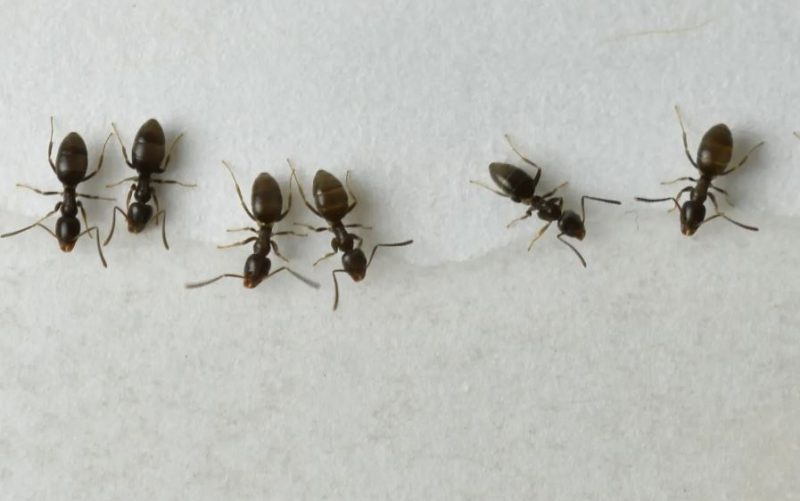
Seeing tiny ants show up in the bathroom can be frustrating and confusing, especially when the area looks clean and well cared for. Many Ohio homeowners notice these small dark ants traveling along baseboards, near sinks, or around tubs, often wondering whether they signal a sanitation issue or a hidden infestation. In most cases, the insects involved are odorous house ants, one of the most common indoor ant species across the Midwest.
These ants are highly adaptable and especially drawn to moisture. Bathrooms naturally provide water, warmth, and hidden pathways, making them attractive environments even in otherwise dry homes. Climate conditions in Ohio, seasonal humidity changes, plumbing systems, and structural features all influence why these ants appear seemingly out of nowhere.
Understanding their biology, behavior, and environmental triggers can help homeowners manage the issue calmly and effectively without unnecessary worry.
Table of Contents
- 1 Understanding Odorous House Ants
- 2 Why Bathrooms Attract Them So Strongly
- 3 Ohio Climate and Ant Behavior
- 4 Seasonal Patterns of Appearance
- 5 How Colonies Establish Indoors
- 6 Moisture Sources That Encourage Activity
- 7 Structural Entry Points in Ohio Homes
- 8 Food Sources Found in Bathrooms
- 9 How Fast Colonies Can Grow
- 10 Are Odorous House Ants Dangerous?
- 11 Identifying an Infestation
- 12 How Ventilation Reduces Ant Activity
- 13 Fixing Plumbing Issues
- 14 Cleaning Practices That Help
- 15 Natural Prevention Strategies
- 16 Chemical Control Considerations
- 17 When Professional Help May Be Necessary
- 18 Psychological Impact of Indoor Ant Activity
- 19 Long-Term Prevention in Ohio Homes
- 20 FAQs About Tiny Odorous House Ants in Ohio Bathrooms
- 20.1 Why do these ants appear mostly in bathrooms?
- 20.2 Are they dangerous?
- 20.3 Do they indicate poor hygiene?
- 20.4 Can they live indoors permanently?
- 20.5 Why do they come back after cleaning?
- 20.6 Will pesticides solve the problem completely?
- 20.7 Are they seasonal in Ohio?
- 20.8 Should I call pest control immediately?
- 20.9 Can sealing cracks help?
- 20.10 What is the best long-term solution?
- 21 Final Thoughts
Understanding Odorous House Ants
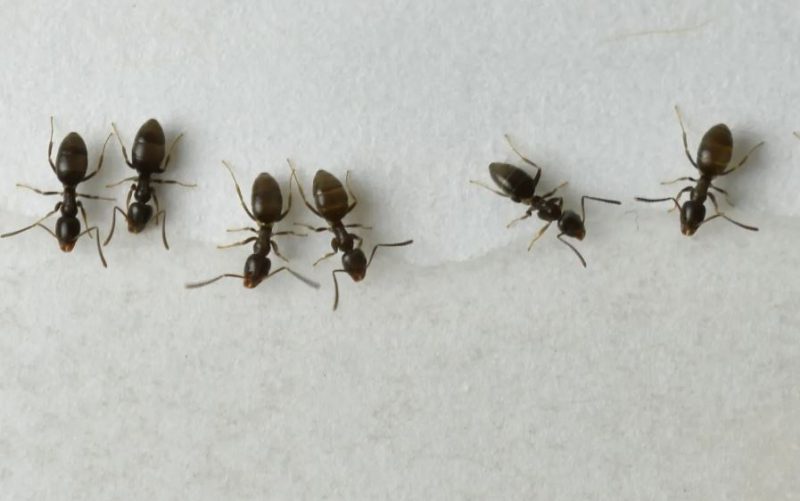
Odorous house ants are small, dark brown to black ants typically measuring about one-eighth of an inch long. They are named for the distinctive smell released when crushed, often described as resembling rotten coconut or a sour chemical odor. This scent is one of the easiest ways to distinguish them from other indoor ants.
These ants are extremely adaptable. Outdoors they nest beneath rocks, mulch, soil, logs, or landscaping materials. Indoors they often establish nests in wall voids, insulation, under flooring, or near plumbing systems where moisture remains stable.
Unlike many ants that form a single colony with one queen, odorous house ants often have multiple queens and interconnected nests. This colony structure allows them to expand quickly and relocate portions of their population if disturbed, which is why they sometimes seem to reappear after cleaning or minor pest treatments.
Their survival strategy centers on flexibility, moisture access, and efficient foraging.
Why Bathrooms Attract Them So Strongly
Bathrooms provide several conditions ants need simultaneously. Moisture is the most important factor. Even in relatively dry Ohio homes, bathrooms frequently retain humidity from showers, sinks, and plumbing condensation.
Warmth from hot water pipes creates stable microclimates. These warm, humid zones are particularly attractive during colder months when outdoor conditions are harsh.
Bathrooms also contain hidden travel routes. Ants often move along baseboards, behind cabinets, inside wall gaps, or along plumbing lines where they remain largely unseen. These pathways allow them to forage without exposure.
Food sources are usually secondary in bathrooms, but small organic residues such as soap film, toothpaste sugars, shed skin cells, or paper products can sustain them.
Water access remains the primary draw.
Ohio Climate and Ant Behavior
Ohio’s climate strongly influences indoor ant activity. Seasonal humidity changes, cold winters, and warm summers create shifting environmental pressures that encourage ants to move indoors.
During winter, outdoor temperatures drop significantly. Ants seek warmer indoor environments where survival conditions are more stable. Bathrooms near exterior walls or basements often see first activity because moisture remains accessible there.
Summer brings heat and occasional dryness. When outdoor soil moisture drops, ants may move indoors searching for reliable water sources.
Spring and fall transitions produce condensation inside homes, especially around plumbing. These seasonal shifts often trigger increased ant exploration.
Climate patterns help explain why bathroom sightings sometimes seem sudden.
Seasonal Patterns of Appearance
Ant activity in Ohio often follows predictable seasonal cycles.
Spring usually marks increased activity as colonies expand after winter dormancy. Melting snow raises soil moisture, and warming temperatures stimulate foraging.
Summer heat may push ants indoors seeking hydration. Bathrooms become attractive refuges during prolonged dry spells.
Fall cooling prompts ants to search for sheltered overwintering sites. Heated homes provide stability, making bathrooms favorable locations.
Winter sightings occur if colonies establish indoors near plumbing warmth. Indoor nests can remain active year-round once established.
Understanding these patterns helps homeowners anticipate preventive measures.
How Colonies Establish Indoors
Odorous house ants often maintain outdoor primary nests while creating indoor satellite nests near water sources. These smaller indoor colonies allow easier access to moisture without relocating the entire population.
Common indoor nesting sites include:
Wall voids near plumbing
Insulation cavities
Behind tiles or baseboards
Beneath flooring
Under bathroom cabinets
Because colonies frequently have multiple queens, eliminating one nest does not always remove the entire population. Ants may relocate rather than disappear entirely.
This flexible nesting strategy contributes to persistence.
Moisture Sources That Encourage Activity
Bathrooms naturally generate moisture, but certain conditions intensify the attraction.
Steam from showers increases humidity rapidly. Condensation on mirrors, tiles, and pipes provides additional moisture sources. Damp towels or bath mats can maintain humidity for extended periods.
Minor plumbing leaks beneath sinks or behind walls often go unnoticed while sustaining ideal ant habitat conditions. Even small drips can support long-term colonies.
Poor ventilation compounds the issue by trapping humidity.
Consistent dryness discourages nesting.
Structural Entry Points in Ohio Homes
Ants require only tiny openings to enter homes. Freeze-thaw cycles common in Ohio cause building materials to expand and contract, creating small cracks around foundations, windows, and plumbing penetrations.
Common entry points include:
Foundation cracks
Gaps around pipes
Window frames
Baseboard seams
Ventilation openings
Older homes often have more structural gaps due to aging materials.
Sealing entry points helps reduce access significantly.
Routine inspection supports prevention.
Food Sources Found in Bathrooms
Although water attracts ants primarily, bathrooms still provide minor food sources.
Soap residues sometimes contain organic compounds. Toothpaste can contain sugars. Shed skin cells and hair provide trace nutrients. Paper products containing starch also attract ants occasionally.
These food sources are usually secondary compared with moisture. Clean bathrooms can still attract ants if humidity persists.
Moisture control remains the most effective strategy.
How Fast Colonies Can Grow
Odorous house ant colonies can expand rapidly due to multiple queens and satellite nesting. Warm indoor temperatures accelerate development cycles, allowing continuous reproduction.
When colonies are partially disturbed, they sometimes split into multiple smaller nests. This process, called budding, can temporarily increase visible ant numbers.
Integrated environmental management works best rather than isolated treatments.
Consistency is key.
Are Odorous House Ants Dangerous?
These ants pose minimal health risk. They rarely bite, do not sting, and do not transmit diseases in normal household settings.
Their primary impact is nuisance-related. Large infestations may contaminate surfaces while foraging, which can be unpleasant but not typically dangerous.
Persistent activity may signal moisture issues that deserve attention for structural or mold prevention reasons.
Overall risk remains low.
Identifying an Infestation
Occasional sightings do not always indicate infestation. However, repeated encounters suggest established colonies.
Common signs include:
Visible ant trails near sinks or tubs
Clusters around plumbing fixtures
Distinct odor when ants are crushed
Recurring sightings despite cleaning
Monitoring patterns helps determine severity.
Early action simplifies management.
How Ventilation Reduces Ant Activity
Ventilation significantly reduces humidity, removing one of the main attractants.
Running exhaust fans during and after showers helps moisture dissipate. Opening windows when weather permits improves airflow. Dehumidifiers can help during humid periods.
Dry air makes bathrooms less attractive for nesting.
Ventilation benefits overall indoor comfort.
Fixing Plumbing Issues
Even small leaks can sustain ant activity. Regularly inspect under sinks, around toilets, and near tubs.
Prompt repairs prevent both insect attraction and potential structural damage. Address condensation issues where possible.
Plumbing maintenance is essential for long-term prevention.
Consistency matters.
Cleaning Practices That Help
Routine cleaning removes organic residues that may support ant survival.
Focus on drying surfaces after use, keeping bath mats clean, removing soap buildup, and minimizing clutter near plumbing.
Cleanliness alone does not eliminate ants but complements moisture control.
Both factors work together.
Natural Prevention Strategies
Many homeowners prefer non-chemical approaches first. Effective strategies include maintaining dry conditions, improving airflow, sealing structural gaps, reducing clutter, and monitoring plumbing regularly.
These steps align with ant biology and reduce reliance on pesticides.
Environmental control usually produces lasting results.
Chemical Control Considerations
Chemical treatments may provide short-term relief but often fail to address root causes. Improper use can disperse colonies, increasing activity temporarily.
Integrated pest management focusing on moisture control, exclusion, sanitation, and targeted treatment works best.
Professional advice can help when needed.
When Professional Help May Be Necessary
Persistent infestations despite environmental adjustments may indicate hidden nests or structural moisture problems.
Pest professionals can locate colonies and recommend targeted solutions. Plumbers may identify concealed leaks.
Combined expertise often resolves stubborn cases.
Most situations improve with environmental changes alone.
Psychological Impact of Indoor Ant Activity
Sudden ant appearances often cause more anxiety than actual risk. Many homeowners worry about hygiene or structural damage.
Understanding environmental causes helps reduce stress. Ant presence often reflects moisture conditions rather than cleanliness failures.
Education promotes calm responses.
Confidence replaces concern.
Long-Term Prevention in Ohio Homes
Maintaining balanced indoor humidity year-round remains the most effective strategy.
Routine ventilation, plumbing maintenance, structural sealing, and moisture monitoring all help prevent recurrence.
Ohio’s climate naturally encourages occasional indoor insect movement, but preventive care minimizes impact.
Awareness supports comfortable living.
FAQs About Tiny Odorous House Ants in Ohio Bathrooms
Why do these ants appear mostly in bathrooms?
Bathrooms provide water, humidity, warmth, and hidden pathways, making them ideal environments for moisture-seeking ants.
Are they dangerous?
No. They rarely bite, do not sting, and mainly represent a nuisance rather than a health threat.
Do they indicate poor hygiene?
Not necessarily. Moisture is the primary attractant.
Can they live indoors permanently?
Yes, especially if moisture conditions remain favorable.
Why do they come back after cleaning?
Colonies may exist inside walls or outdoor nests connected to indoor satellite colonies.
Will pesticides solve the problem completely?
Usually not unless environmental conditions are also addressed.
Are they seasonal in Ohio?
Activity often increases during spring, summer dryness, fall cooling, and winter indoor heating.
Should I call pest control immediately?
Try moisture control first. Professional help may be needed if activity persists.
Can sealing cracks help?
Yes. Exclusion reduces entry points significantly.
What is the best long-term solution?
Maintaining dry conditions, fixing leaks, improving ventilation, and routine inspection.
Final Thoughts
Tiny odorous house ants appearing in Ohio bathrooms rarely indicate serious infestation or sanitation problems. Instead, they usually respond to environmental conditions such as moisture, seasonal climate changes, plumbing factors, and structural features that create favorable microhabitats.
Understanding their behavior helps shift focus from worry to prevention. Improving ventilation, maintaining plumbing systems, sealing entry points, and controlling humidity typically resolve most situations without heavy chemical intervention.
While their sudden appearance can be frustrating, these ants are harmless and manageable. With consistent awareness and preventive care, Ohio homeowners can maintain comfortable living environments while minimizing unwanted ant activity.