
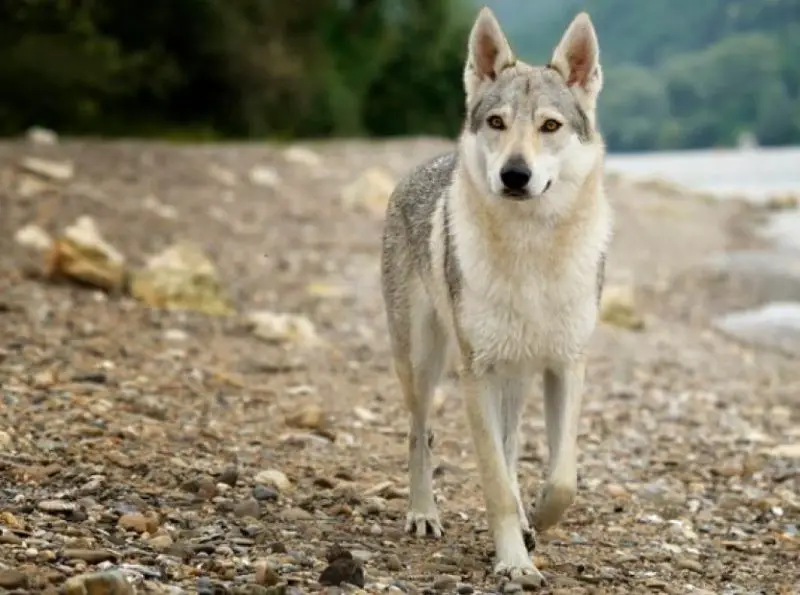
Coyotes have become an established part of Pennsylvania’s wildlife landscape over the past several decades. Once absent from much of the eastern United States, they gradually expanded their range and now inhabit forests, farmland, suburban edges, and even areas near major cities. As their presence has grown, so have questions about how they interact with domestic animals, particularly dogs. One persistent question involves whether coyotes in Pennsylvania can mate with domestic dogs and produce hybrids.
Biologically, the answer is yes. Coyotes and domestic dogs belong to the same genus, Canis, which means hybridization is genetically possible. However, actual mating events in the wild are uncommon due to behavioral, ecological, and seasonal factors. Understanding these influences helps separate scientific reality from rumor while providing practical insight for pet owners, rural residents, and wildlife observers.
This topic also highlights broader themes of wildlife adaptation, human expansion into natural habitats, and the evolving relationship between native predators and domestic animals. Exploring these factors offers a clearer picture of how coyotes and dogs coexist in Pennsylvania.
Table of Contents
- 1 Coyotes in Pennsylvania Today
- 2 Biological Compatibility Between Coyotes and Dogs
- 3 Breeding Cycles Create Natural Barriers
- 4 Behavioral Differences Between Coyotes and Dogs
- 5 Situations Where Hybridization Might Occur
- 6 Identifying Coydog Hybrids
- 7 Behavior of Coydog Hybrids
- 8 Pennsylvania Landscape Influences
- 9 Risks to Domestic Dogs
- 10 Public Perception and Common Myths
- 11 Ecological Role of Coyotes in Pennsylvania
- 12 Human Influence on Interaction Rates
- 13 Wildlife Management Perspective
- 14 Long-Term Outlook
- 15 Practical Tips for Pennsylvania Residents
- 16 FAQs About Coyotes Mating With Dogs in Pennsylvania
- 16.1 Can coyotes breed with domestic dogs naturally?
- 16.2 Are coydogs common in Pennsylvania?
- 16.3 Are hybrid coydogs dangerous?
- 16.4 How can hybrids be identified?
- 16.5 Should pet owners worry about breeding risk?
- 16.6 Are coyotes more aggressive during breeding season?
- 16.7 Do coyotes actively seek dogs as mates?
- 16.8 Does habitat overlap increase hybridization?
- 16.9 Who monitors hybridization?
- 16.10 What is the biggest concern for pet owners?
- 17 Final Thoughts
Coyotes in Pennsylvania Today
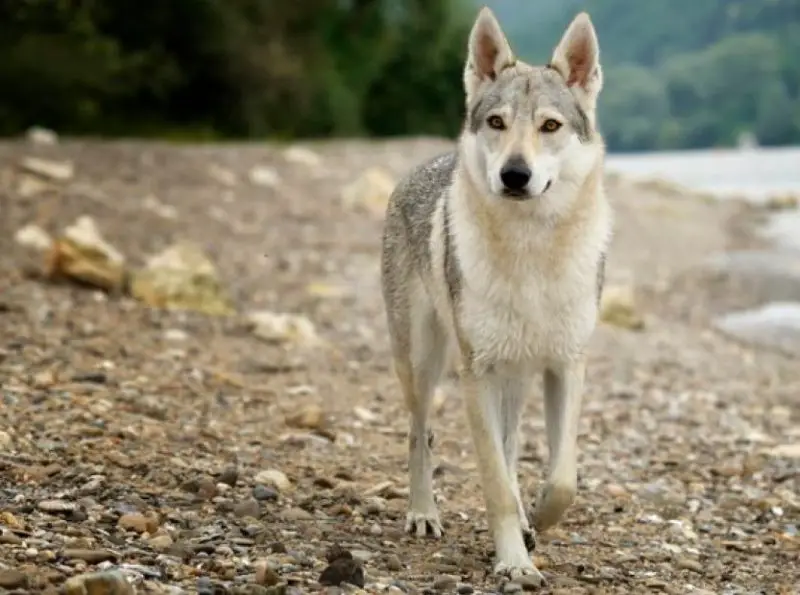
Coyotes are now firmly established across Pennsylvania, but this was not always the case. Historically, large wolf populations dominated much of the region, which limited coyote expansion. As wolves declined due to habitat change, hunting pressure, and human settlement, ecological space opened for smaller adaptable predators. During the twentieth century, coyotes gradually expanded eastward, taking advantage of reforestation, changing agricultural practices, and expanding suburban green spaces. Today, they are found in nearly every county throughout the state.
One reason for their success is habitat flexibility. Pennsylvania offers a patchwork landscape that includes dense forests, rolling farmland, river valleys, suburban woodlots, and semi-urban corridors. Coyotes navigate these environments with ease. They often travel along creek beds, forest edges, abandoned railways, and greenbelts where cover and food sources overlap. Even near cities, they typically remain hidden, using nighttime movement and natural cover to avoid human attention.
Dietary adaptability also contributes strongly to their presence. Coyotes eat a wide range of foods including small mammals such as mice and rabbits, insects, berries, fruits, and carrion. Deer carcasses, whether from natural causes or vehicle collisions, provide substantial seasonal nutrition. Occasionally they may prey on livestock or unattended pets, particularly where natural prey is scarce. This flexible diet allows them to persist even as landscapes change due to development.
Despite increasing sightings, coyotes generally avoid direct human interaction. They are cautious animals by nature, most active at dawn, dusk, or nighttime. Increased visibility often reflects population adaptation rather than rising aggression. Understanding their current distribution helps place hybridization concerns into a realistic ecological context.
Biological Compatibility Between Coyotes and Dogs
Coyotes (Canis latrans) and domestic dogs (Canis lupus familiaris) share close evolutionary ancestry within the genus Canis. This genetic relationship means hybridization is biologically possible, and offspring from such pairings are commonly referred to as coydogs. Documented cases exist across North America, although they remain relatively uncommon compared with standard coyote reproduction.
Even with genetic compatibility, successful hybridization requires multiple conditions to align. Behavioral cues, reproductive timing, territory stability, and environmental pressures all influence whether mating occurs. Coyotes strongly prefer breeding with other coyotes because their communication signals, social behavior, and reproductive cycles are synchronized.
Domestic dogs often exhibit very different behavioral patterns due to selective breeding for companionship rather than survival. These differences make interbreeding less likely despite genetic possibility.
Breeding Cycles Create Natural Barriers
Timing plays a critical role in reproductive compatibility. Coyotes typically breed once annually, usually between January and March in Pennsylvania. This schedule ensures pups are born in spring when prey becomes more abundant and weather conditions improve survival chances.
Domestic dogs, by contrast, may enter estrus multiple times per year depending on breed, health, and environment. Indoor pets especially may not follow seasonal cycles at all. This mismatch significantly reduces opportunities for synchronized fertility.
Without overlapping reproductive readiness, mating becomes biologically improbable even when animals encounter each other. Seasonal ecological pressures therefore act as natural barriers limiting hybridization frequency.
Behavioral Differences Between Coyotes and Dogs
Behavioral compatibility strongly influences mate selection. Coyotes rely on scent marking, vocal communication, territorial displays, and structured courtship behaviors. These signals help maintain social order and reproductive pairing within wild populations.
Domestic dogs often do not recognize or respond appropriately to these signals. Selective breeding has altered many behavioral traits, emphasizing human interaction rather than wild social structures.
Territorial instincts further complicate interaction. Coyotes may view unfamiliar dogs as competitors or intruders rather than potential mates. Defensive or avoidance behaviors usually occur before any courtship interaction develops.
These behavioral differences significantly reduce the likelihood of successful crossbreeding.
Situations Where Hybridization Might Occur
Although uncommon, certain circumstances may increase hybridization potential. Free-ranging or feral dogs represent the highest likelihood because they roam without supervision and may enter wildlife habitats during breeding season.
Population disruption can also influence behavior. Heavy hunting pressure, habitat fragmentation, or environmental stress may temporarily reduce available coyote mates, potentially altering pairing behavior.
Transitional landscapes such as rural farmland edges, wooded suburbs, and fragmented habitats sometimes create overlap zones where encounters become more likely.
Even under these conditions, successful hybridization remains relatively rare due to the combined biological and behavioral barriers.
Identifying Coydog Hybrids
Distinguishing hybrids from pure coyotes or domestic dogs can be challenging. Coydogs may exhibit intermediate characteristics such as mixed coat coloration, unusual body proportions, altered ear shape, or atypical behavior.
However, natural variation within both coyotes and domestic dogs can mimic these traits. Some pure coyotes display diverse coat colors, while certain dog breeds resemble wild canids.
Genetic testing remains the most reliable method of identification. Wildlife agencies occasionally conduct DNA analysis when hybridization questions arise, particularly if public concern or livestock safety issues develop.
Misidentification often contributes to exaggerated perceptions of hybrid populations.
Behavior of Coydog Hybrids
Hybrid behavior varies widely depending on genetic influence and environmental upbringing. Some coydogs retain strong wild instincts, including nocturnal activity patterns, cautious behavior around humans, and natural hunting ability.
Others may show reduced fear of humans or increased curiosity reflecting domestic ancestry. This unpredictability sometimes fuels public concern even when actual risk remains low.
Over time, many hybrids integrate into wild coyote populations through backcrossing. Subsequent generations often resemble typical coyotes genetically and behaviorally.
Stable hybrid populations rarely persist independently.
Pennsylvania Landscape Influences
Pennsylvania’s diverse landscape shapes wildlife interaction patterns. Extensive forest cover provides natural habitat and movement corridors for coyotes. Agricultural lands supply additional food sources including rodents, livestock carcasses, and crop-related forage.
Suburban expansion creates edge habitats where wildlife and domestic animals occasionally intersect. Green corridors, parks, and wooded neighborhoods allow coyotes to move between natural habitats while minimizing human exposure.
Despite these overlaps, coyotes generally maintain distance from densely populated areas. Landscape diversity influences encounter probability but does not substantially increase hybridization rates.
Habitat structure supports coexistence rather than frequent crossbreeding.
Risks to Domestic Dogs
While hybridization is biologically possible, the more realistic concern involves pet safety. Coyotes may view smaller dogs as potential prey, particularly during spring pup-rearing season when food demands increase.
Larger dogs sometimes trigger territorial defense responses. Encounters may occur near den sites or food resources.
Supervising pets outdoors, especially at night or near wooded areas, significantly reduces encounter risk. Secure fencing and controlled outdoor access help protect domestic animals.
Responsible pet ownership remains the most effective preventive measure.
Public Perception and Common Myths
Public fascination with wildlife often fuels speculation about hybrids. Reports of unusually large coyotes, distinctive coat colors, or brief sightings sometimes spark assumptions about coydog populations.
Scientific evidence indicates hybridization occurs occasionally but not frequently enough to alter overall coyote population dynamics.
Another common myth suggests hybrids are inherently more aggressive. Research does not consistently support this claim. Behavior depends more on environment, upbringing, and individual temperament than genetic hybrid status alone.
Accurate education helps reduce unnecessary fear.
Ecological Role of Coyotes in Pennsylvania
Coyotes serve an important ecological function as mid-sized predators. They regulate populations of rodents, rabbits, and carrion sources, contributing to ecosystem stability.
Predator presence often supports biodiversity by preventing prey overpopulation. This balance benefits vegetation health, agricultural systems, and overall ecological resilience.
Occasional hybridization has not significantly altered this ecological role. Coyotes continue functioning as essential components of Pennsylvania’s wildlife communities.
Understanding their ecological value promotes balanced coexistence perspectives.
Human Influence on Interaction Rates
Human behavior significantly influences wildlife interaction patterns. Unsecured garbage, outdoor pet food, compost piles, and intentional wildlife feeding attract coyotes closer to residential areas.
Free-roaming pets increase encounter opportunities. Neutering dogs, supervising outdoor activity, and maintaining secure fencing help reduce both hybridization potential and conflict risk.
Community education initiatives often emphasize coexistence strategies rather than reactive control measures.
Responsible human practices benefit wildlife conservation and domestic animal safety simultaneously.
Wildlife Management Perspective
Wildlife agencies in Pennsylvania focus primarily on monitoring populations, conserving habitat, and reducing conflict between humans and wildlife.
Hybridization concerns typically arise only when livestock safety or public perception issues emerge. Current evidence suggests occasional hybrids do not present major ecological management challenges.
Management strategies prioritize education, habitat preservation, and responsible coexistence.
Balanced approaches support long-term ecological stability.
Long-Term Outlook
Coyotes are likely to remain a permanent part of Pennsylvania’s ecosystems. Their adaptability ensures continued presence despite environmental change, urban expansion, and shifting climate conditions.
Hybridization will likely remain occasional rather than widespread due to strong natural breeding preferences and biological barriers.
Continued research, public education, and responsible pet ownership will shape future interaction dynamics.
Realistic expectations help communities adapt successfully to living alongside native predators.
Practical Tips for Pennsylvania Residents
Simple preventive measures help reduce potential conflict:
Supervise dogs during outdoor activity, especially at night
Use secure fencing in rural or wooded areas
Avoid leaving pet food outdoors overnight
Secure garbage and compost containers
Teach children wildlife awareness and safe observation
These practices promote safe coexistence without harming native wildlife populations.
Awareness and prevention often prove more effective than reactive responses.
FAQs About Coyotes Mating With Dogs in Pennsylvania
Can coyotes breed with domestic dogs naturally?
Yes, it is biologically possible because both belong to the same genus, but it happens infrequently in the wild.
Are coydogs common in Pennsylvania?
Confirmed cases exist but remain relatively rare compared with normal coyote reproduction.
Are hybrid coydogs dangerous?
Behavior varies widely. Most do not pose unusual danger compared with coyotes.
How can hybrids be identified?
Genetic testing provides the most reliable identification. Physical appearance alone is not definitive.
Should pet owners worry about breeding risk?
Supervised, neutered dogs face very low risk of crossbreeding.
Are coyotes more aggressive during breeding season?
They may be more territorial, particularly when raising pups.
Do coyotes actively seek dogs as mates?
No. Coyotes strongly prefer breeding with other coyotes.
Does habitat overlap increase hybridization?
It can increase encounters, but breeding still remains uncommon.
Who monitors hybridization?
Wildlife agencies and researchers track populations when needed.
What is the biggest concern for pet owners?
Safety and supervision of pets rather than hybridization itself.
Final Thoughts
Coyotes in Pennsylvania can technically mate with domestic dogs, but confirmed hybridization events remain uncommon. Differences in breeding cycles, behavior, territory, and ecological preferences all reduce the likelihood of frequent crossbreeding.
For most residents, the more practical concern involves pet safety rather than hybrid offspring. Responsible pet ownership, awareness of wildlife habits, and simple preventive measures help minimize risks.
Coyotes are now a permanent part of Pennsylvania’s ecosystem. Understanding their biology, behavior, and interaction patterns allows people to coexist with confidence rather than concern. Balanced knowledge supports both wildlife conservation and community peace of mind.