

Louisiana’s wetlands are alive with movement, sound, and interaction, yet much of this activity remains hidden from human eyes. During daylight hours, marshes, swamps, bayous, and floodplain forests may appear calm, with only birds, insects, and the occasional reptile visible. Once the sun sets, however, an entirely different community emerges. Many wetland creatures in Louisiana deliberately avoid daylight, becoming active only under the cover of darkness.
This behavior is not accidental or mysterious. Avoiding daylight is a well-documented survival strategy shaped by temperature, predation pressure, competition, and physiology. In Louisiana’s humid subtropical climate, nighttime conditions often provide safer and more efficient opportunities for feeding, movement, and communication. For some species, daylight exposure increases risk rather than benefit.
This article explores the creatures in Louisiana wetlands that avoid daylight, drawing on ecological research, wildlife biology, and field observation. The goal is to explain why these animals are active at night, how wetlands support nocturnal life, and why many of these species remain largely unseen by people, despite being common and ecologically important.
Table of Contents
- 1 Why Louisiana Wetlands Favor Nocturnal Life
- 2 Types of Creatures in Louisiana Wetlands That Avoid Daylight
- 3 Why Avoiding Daylight Reduces Risk
- 4 Temperature Regulation and Energy Efficiency
- 5 Predator-Prey Timing in Wetlands
- 6 Why Humans Rarely See These Creatures
- 7 Seasonal Changes in Nocturnal Behavior
- 8 Ecological Importance of Nocturnal Wetland Species
- 9 Human Impact on Nocturnal Activity
- 10 Observing Nocturnal Wildlife Responsibly
- 11 Common Misconceptions About Nocturnal Wetland Creatures
- 12 FAQs About Creatures in Louisiana Wetlands That Avoid Daylight
- 12.1 Are nocturnal animals more common in wetlands?
- 12.2 Do these creatures ever come out during the day?
- 12.3 Are nocturnal wetlands more dangerous?
- 12.4 Does artificial light affect wetland wildlife?
- 12.5 Are alligators only active at night?
- 12.6 Do nocturnal animals see better in the dark?
- 12.7 Are nocturnal species important for pest control?
- 12.8 Can people safely observe nocturnal wildlife?
- 12.9 Do seasonal floods affect nocturnal behavior?
- 12.10 Is nocturnality increasing due to humans?
- 13 Conclusion
Why Louisiana Wetlands Favor Nocturnal Life
Wetlands create unique environmental pressures. High daytime temperatures, intense sunlight, and limited shade in open marshes can lead to dehydration and overheating. For many animals, moving during the day requires significant energy expenditure just to regulate body temperature.
At night, conditions shift. Temperatures drop, humidity stabilizes, and predators that rely heavily on vision become less effective. Darkness reduces visibility and alters sound dynamics, allowing animals to move with less risk.
Louisiana’s wetlands also support dense populations of prey species. Insects, fish, amphibians, and small mammals become more active after sunset, creating feeding opportunities that favor nocturnal predators. As a result, many wetland species have evolved to avoid daylight almost entirely.
Types of Creatures in Louisiana Wetlands That Avoid Daylight
American Alligator (Primarily Nocturnal Activity)

American alligators are often seen basking during the day, but much of their active behavior occurs at night. In Louisiana wetlands, alligators become significantly more mobile after sunset.
Nighttime temperatures reduce the risk of overheating, allowing alligators to patrol waterways, hunt fish and mammals, and establish territory. Their eyes are adapted for low-light conditions, giving them a strong advantage after dark.
During daylight hours, alligators conserve energy by remaining still. This pattern creates the impression that they are inactive, when in reality they reserve most movement and feeding for nighttime.
Barred Owl

Barred owls are among the most recognizable nocturnal birds in Louisiana’s swamp forests. During the day, they remain hidden in dense tree cover, often undetectable even at close range.
At night, barred owls hunt rodents, amphibians, and small birds along forest edges and wetland margins. Their silent flight and keen hearing allow them to locate prey in complete darkness.
Wetland forests provide ideal roosting and hunting conditions. Dense canopy offers daytime concealment, while open understory and water channels support nighttime foraging.
Southern Flying Squirrel

Southern flying squirrels inhabit bottomland hardwood forests and swamp edges throughout Louisiana. These small mammals are strictly nocturnal.
During daylight, flying squirrels remain inside tree cavities or abandoned woodpecker holes. At night, they glide between trees in search of nuts, seeds, insects, and fruit.
Avoiding daylight reduces predation risk from hawks and snakes. Wetland forests, with their tall trees and interconnected canopy, are especially well suited to their nocturnal lifestyle.
River Otter

North American river otters are often assumed to be active during the day, but in Louisiana wetlands, they show strong nocturnal tendencies.
Otters frequently hunt fish, crayfish, and amphibians at night when prey is less alert. Darkness also allows otters to travel between waterways with reduced disturbance.
During daylight, otters may rest in dens or thick vegetation. Their nocturnal behavior is flexible but becomes more pronounced in areas with high human activity.
Cottonmouth (Water Moccasin)

Cottonmouth snakes are well adapted to Louisiana’s wetland environments. While they may be seen basking during cooler months, they avoid daylight during warm periods.
At night, cottonmouths become active hunters, targeting fish, frogs, and small mammals. Their heat-sensitive pits help them detect prey in low-light conditions.
Avoiding daylight reduces overheating and minimizes encounters with predators and humans. This nocturnal shift is especially strong during Louisiana’s hot summers.
American Bullfrog

American bullfrogs are common throughout Louisiana wetlands, yet they are most active after sunset. During the day, they remain still along muddy banks or submerged vegetation.
At night, bullfrogs feed on insects, smaller frogs, and even small mammals. Darkness provides cover from birds and improves hunting success.
Their calls are often heard at night, contributing to the soundscape of Louisiana wetlands while remaining largely unseen.
Marsh Rice Rat

The marsh rice rat is a small mammal closely associated with coastal marshes and freshwater wetlands. It is almost entirely nocturnal.
Rice rats forage at night for seeds, insects, and aquatic invertebrates. Their activity peaks during low tide periods when marsh surfaces are exposed.
Avoiding daylight reduces predation from wading birds and raptors. Dense marsh vegetation provides shelter during resting periods.
Crawfish (Crayfish)
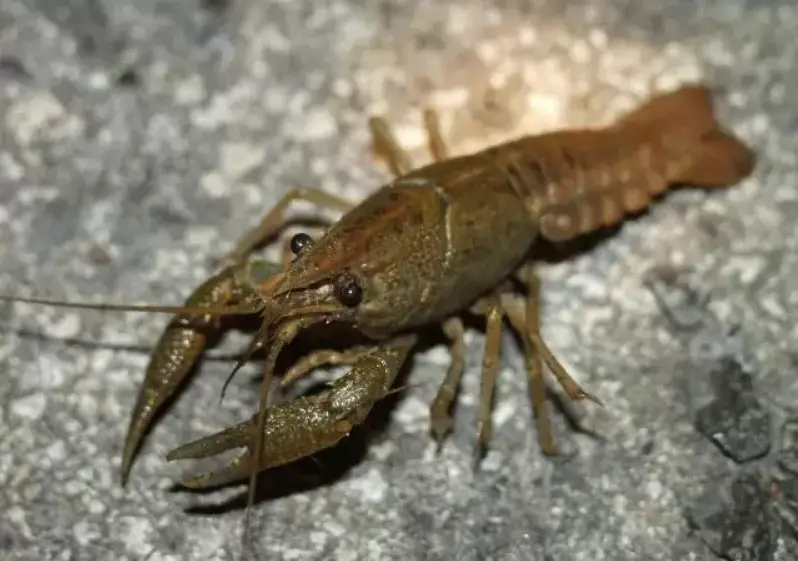
Crawfish are iconic residents of Louisiana wetlands and exhibit strong nocturnal behavior. During the day, they remain hidden in burrows or under debris.
At night, crawfish emerge to feed on plant material, detritus, and small organisms. Darkness reduces predation risk from birds and fish.
Their nighttime movement plays a critical role in nutrient cycling and sediment turnover within wetland ecosystems.
Fishing Bat (Mexican Free-Tailed and Evening Bats)

Several bat species forage over Louisiana wetlands at night. These bats rely on echolocation to hunt insects that emerge after sunset.
Wetlands produce vast numbers of aquatic insects, making them ideal feeding grounds. Bats skim over water surfaces, capturing prey in rapid flight.
Daylight exposure would increase predation risk and reduce hunting efficiency. Roosting sites remain hidden during the day.
American Mink

American mink are semi-aquatic predators found in Louisiana wetlands. They exhibit primarily nocturnal and crepuscular activity.
Mink hunt frogs, fish, rodents, and birds along water edges at night. Darkness allows stealth and reduces competition with daytime predators.
During daylight, mink retreat to dens under roots, logs, or bank cavities, remaining out of sight.
Why Avoiding Daylight Reduces Risk
Daylight increases visibility for predators and competitors. Birds of prey, large reptiles, and humans all rely heavily on vision.
Nocturnal species benefit from reduced detection, cooler temperatures, and altered prey behavior. Wetlands amplify these advantages by providing cover, water access, and complex terrain.
Avoiding daylight also allows animals to exploit resources that peak at night, such as insect emergences and nocturnal fish activity.
Temperature Regulation and Energy Efficiency
Louisiana’s warm climate makes thermoregulation a major concern. Moving during the day can lead to overheating and dehydration.
Nighttime activity reduces these risks, allowing animals to allocate energy toward feeding and reproduction rather than cooling mechanisms.
For ectothermic species like reptiles and amphibians, nighttime conditions often fall within optimal temperature ranges.
Predator-Prey Timing in Wetlands
Wetland ecosystems are shaped by timing. When predators are active influences when prey moves.
Many prey species shift activity to avoid daytime predators, creating a cascade that favors nocturnal hunters. This synchronization reinforces nighttime dominance.
In Louisiana wetlands, this pattern repeats across multiple trophic levels.
Why Humans Rarely See These Creatures
Human activity peaks during daylight, while many wetland creatures remain hidden. Dense vegetation, water reflections, and limited access further reduce visibility.
Nighttime observation requires specialized equipment and experience. As a result, many common species remain unfamiliar to the public.
This invisibility can lead to underestimation of biodiversity and ecological complexity.
Seasonal Changes in Nocturnal Behavior
Season affects daylight avoidance. During cooler months, some species increase daytime activity slightly.
In summer, nocturnality intensifies as temperatures rise. Flooding and water levels also influence movement patterns.
These seasonal shifts highlight behavioral flexibility rather than fixed routines.
Ecological Importance of Nocturnal Wetland Species
Nocturnal species play essential roles in controlling insect populations, regulating prey numbers, and cycling nutrients.
Their activities support water quality, vegetation balance, and food web stability. Removing or disrupting nocturnal behavior can have cascading effects.
Understanding these roles emphasizes the importance of preserving wetland habitats.
Human Impact on Nocturnal Activity
Artificial lighting, noise, and development alter nighttime environments. Light pollution can disrupt navigation and feeding.
In Louisiana, expanding infrastructure near wetlands increases disturbance. Some species adapt, while others retreat or decline.
Protecting dark, quiet wetlands supports natural nocturnal rhythms.
Observing Nocturnal Wildlife Responsibly
Nighttime observation should minimize disturbance. Avoid bright lights, loud noise, and habitat alteration.
Using red-filtered lights and maintaining distance reduces stress on animals.
Respectful observation enhances understanding without interference.
Common Misconceptions About Nocturnal Wetland Creatures
A common misconception is that nocturnal animals are rare or secretive by choice. In reality, they are often abundant but adapted to avoid risk.
Another myth is that nighttime activity indicates aggression or danger. Most nocturnal behavior reflects efficiency, not hostility.
Science-based understanding replaces fear with appreciation.
FAQs About Creatures in Louisiana Wetlands That Avoid Daylight
Are nocturnal animals more common in wetlands?
Yes. Wetland conditions strongly favor nighttime activity.
Do these creatures ever come out during the day?
Some do under cooler or low-risk conditions.
Are nocturnal wetlands more dangerous?
No. Most activity is hidden and non-aggressive.
Does artificial light affect wetland wildlife?
Yes. Light pollution can disrupt behavior.
Are alligators only active at night?
They are active both day and night but move more at night.
Do nocturnal animals see better in the dark?
Many have adaptations for low-light vision or sensing.
Are nocturnal species important for pest control?
Yes. Many regulate insect populations.
Can people safely observe nocturnal wildlife?
Yes, with caution and minimal disturbance.
Do seasonal floods affect nocturnal behavior?
Yes. Water levels influence movement patterns.
Is nocturnality increasing due to humans?
In some species, human activity has reinforced nighttime behavior.
Conclusion
The creatures in Louisiana wetlands that avoid daylight are not hidden by chance. Their nocturnal lifestyles reflect finely tuned adaptations to heat, predation, and opportunity. From alligators and owls to amphibians and small mammals, these species shape wetland ecosystems while remaining largely unseen.
Understanding their behavior through science reveals a landscape that never truly rests. When daylight fades, Louisiana’s wetlands come alive with quiet movement, subtle interactions, and essential ecological work that sustains one of North America’s richest environments.