
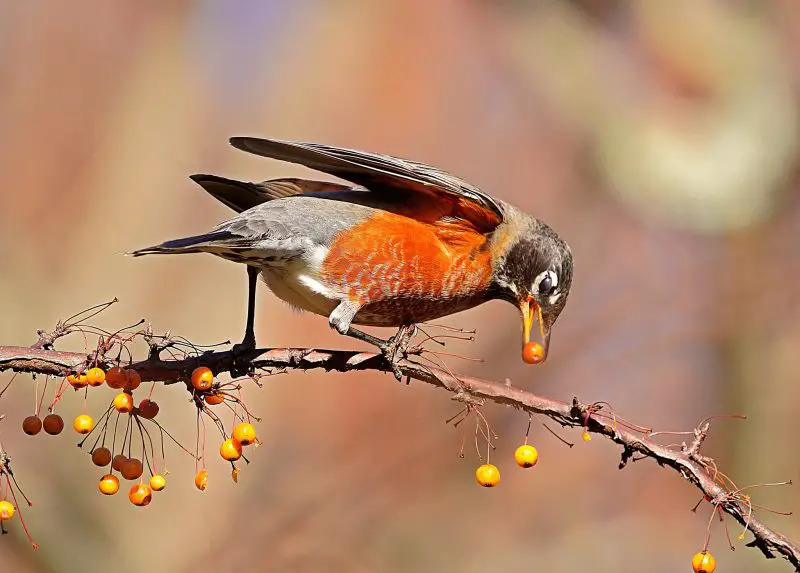
Winter in Pennsylvania brings a different kind of quiet. Snow covers lawns, forests lose their leafy shelter, winds turn sharp, and mornings feel frozen in place. Many people expect American Robins to migrate away from this kind of season, yet thousands stay. They remain through the cold, through icy rain, through deep snow, and through weeks when food looks scarce at first glance.
Robins do not randomly endure winter. They adjust their habits, change their diet, shift where they search for food, and rely on instinctive strategies that have evolved over generations. Their winter survival is closely connected to what they eat, how they find nourishment beneath harsh weather, and how they balance energy needs with safety.
This detailed guide explores what robins eat when winter takes over Pennsylvania, how their feeding behavior changes when insects disappear, which foods become life-sustaining, where they find nutrition in snow-covered landscapes, and why their winter diet matters to both ecosystems and backyard environments.
Table of Contents
- 1 How Pennsylvania Winter Conditions Change a Robin’s Eating Habits
- 2 Robins Do Not Stop Eating; They Change What They Eat
- 3 Key Winter Foods Robins Eat in Pennsylvania
- 4 Insects Still Play a Role — Just Differently
- 5 Do Robins Eat Worms in Winter?
- 6 Robins and Backyard Food Sources in Winter
- 7 Where Robins Find Food in Pennsylvania Winter Landscapes
- 8 Group Feeding Helps Survival
- 9 Energy Conservation and Feeding Rhythm
- 10 How Winter Diet Supports Robin Health
- 11 Why Some Robins Stay Instead of Migrating
- 12 Challenges Robins Face During Pennsylvania Winters
- 13 Robins Play an Important Ecological Role in Winter
- 14 FAQs about What Robins Eat When Winter Takes Over Pennsylvania
- 14.1 Do robins leave Pennsylvania in winter?
- 14.2 What is the main food robins eat in winter?
- 14.3 Do robins visit bird feeders in winter?
- 14.4 Do robins eat worms in winter?
- 14.5 Do robins form flocks in winter?
- 14.6 Do urban areas help robins survive?
- 14.7 Do robins still find insects?
- 14.8 Do robins need water in winter?
- 14.9 Does winter diet affect spring health?
- 15 Final Thoughts
How Pennsylvania Winter Conditions Change a Robin’s Eating Habits
Cold Weather Means Higher Energy Needs
Pennsylvania winters vary from mild spells to bitter cold, ice storms, and prolonged snow cover. Robins burn large amounts of energy staying warm, especially during freezing nights and windy conditions. That means their winter diet must shift toward foods that deliver concentrated energy rather than light summer nutrients.
Unlike warm months when worms and insects dominate their menu, winter requires calorie-dense, reliable foods that persist through snow and frost.
Snow Limits Ground Feeding
In warmer seasons, robins are famous for hopping across lawns, tugging worms from soil, and catching ground insects. Winter changes that entirely. Frozen ground blocks worms. Snow buries insect access. Soil becomes unavailable for long stretches.
Robins adapt by moving upward—from lawns to trees, shrubs, berry clusters, fruiting trees, woodland edges, and sheltered feeding areas where winter food still exists.
Robins Do Not Stop Eating; They Change What They Eat
Shifting from Worms to Fruits and Berries
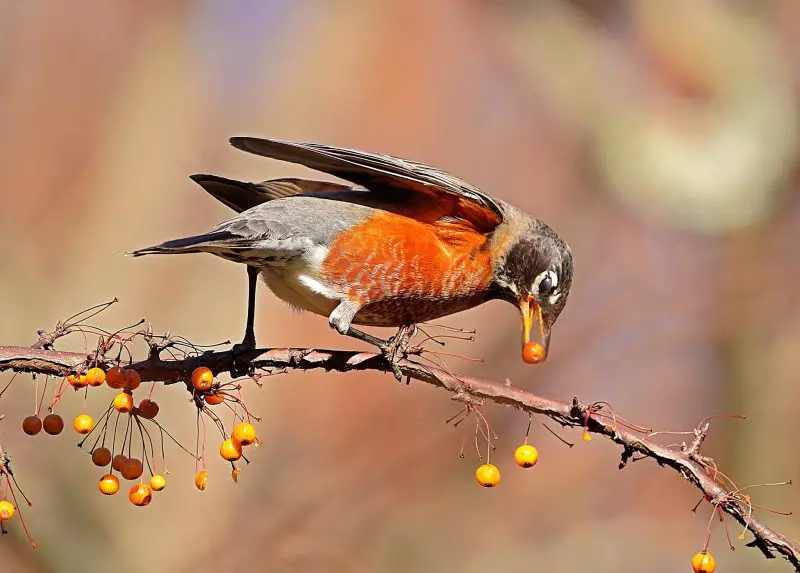
The biggest dietary shift happens when winter takes over. Robins turn heavily toward fruits and berries that persist through cold weather. Instead of protein-heavy insect meals, they rely more on sugar-rich and calorie-storing plant foods.
This natural seasonal switch supports survival when traditional prey disappears.
Key Winter Foods Robins Eat in Pennsylvania
Winter Berries: Their Most Important Cold-Season Food
Berries are one of the most critical winter lifelines for Pennsylvania robins. Many native and ornamental plants hold fruit long after fall ends, creating natural bird feeders across forests, suburban yards, and city parks.
Common winter berries robins rely on include:
• holly berries
• sumac berries
• crabapples
• hawthorn berries
• viburnum berries
• mountain ash berries
• juniper berries
These berries provide sugars for quick energy and enough nutrients to sustain daily movement and warmth. Some berries even ferment slightly in deep winter, occasionally giving robins bursts of quirky, energetic behavior.
Leftover Fruits on Trees and Shrubs
Not every fruit disappears before snow arrives. Many trees and shrubs keep dried or frozen fruit into winter. Robins consume:
• frozen crabapples
• leftover orchard fruit
• ornamental landscaping fruit
• wild apples and cherries
Even when fruit looks shriveled or snow-dusted, it can still offer usable nutrition.
Insects Still Play a Role — Just Differently
Hidden Winter Insects
Even in Pennsylvania winters, insects do not completely vanish. They slow down, hide, or enter dormant stages in protected environments. Resourceful robins occasionally search for:
• insects inside bark
• dormant beetles
• hidden spiders
• larvae in rotting logs
In mild winter spells or thaw periods, robins take advantage of temporary access to insect protein. But overall, insects become secondary to fruit in their diet during the coldest months.
Do Robins Eat Worms in Winter?
Most people picture robins exclusively eating worms. In deep Pennsylvania winter, this rarely happens. Frozen soil prevents digging. Snow blocks ground access. Worms retreat deep underground.
However, during late winter warm-ups or early spring thaws, robins quickly return to worm hunting when the ground softens. Until then, they depend on fruits, berries, and occasional insects above ground.
Robins and Backyard Food Sources in Winter
Bird Feeders Are Not Their Main Strategy — But They Help
Unlike seed-eating winter birds such as cardinals and sparrows, robins are not regular seed feeder visitors. Their beaks are not built for cracking shells, and seeds do not fit their feeding needs.
However, they may visit feeders or backyard food stations that offer:
• raisins
• mealworms (especially dried or live in mild spells)
• chopped fruit
• suet mixtures with fruit
These foods mimic natural resources and help sustain robins when snowstorms linger or natural plants run low.
Fruit Trees and Landscaping Plants Matter
Pennsylvania neighborhoods significantly influence robin survival. Landscaping choices shape winter food availability. Trees and shrubs that retain berries or fruit into winter become critical feeding stations.
Robins often gather in:
• yards with berry shrubs
• orchards
• parks with fruiting trees
• hedgerows
• forest edges
Human-built environments unknowingly support many winter robin populations.
Where Robins Find Food in Pennsylvania Winter Landscapes
Forests and Woodland Edges
Woodlands hold many berry-producing shrubs and trees. They also shelter insects in bark, rotting wood, and leaf piles.
Suburban Neighborhoods
Suburbs are surprisingly valuable winter habitats. Ornamental berries, crabapple trees, backyard fruit trees, and planted shrubs create widespread winter feeding zones.
Rural Farmland and Field Edges
Hedgerows, abandoned orchards, and fence lines often hold berry clusters and fruit long into winter, providing essential calories.
Group Feeding Helps Survival
Winter Flocking Behavior
Unlike summer, when robins behave territorially, winter encourages flocking. Robins often gather in loose groups. This provides several advantages:
• helps locate food faster
• protects against predators
• increases efficiency in searching landscapes
Group energy supports winter feeding success and reduces risk.
Energy Conservation and Feeding Rhythm
Eating Smarter, Not Harder
Winter feeding is about efficiency. Robins conserve energy by choosing reliable food zones rather than flying constantly. They often return to known winter food trees repeatedly.
Strategic Feeding Times
Robins commonly feed more in daylight warmth windows. This helps them preserve heat and balance activity.
How Winter Diet Supports Robin Health
Sugars and Carbohydrates
Berries provide quick energy, fuel movement, and help maintain warmth.
Moisture Intake
Frozen fruit and berries also supply hydration when liquid water becomes scarce.
Occasional Protein
Insects, when available, support muscle strength and internal stability.
A balanced winter diet means better survival odds and stronger health leading into spring.
Why Some Robins Stay Instead of Migrating
Many people still believe “robins migrate south in winter,” but reality is more nuanced. Some migrate, but many remain, especially where winter food stays dependable.
Staying in Pennsylvania means:
• access to reliable winter berries
• adaptability to cold
• flocking advantages
• survival without long migration stress
Their presence in winter landscapes is not accidental; it is strategic.
Challenges Robins Face During Pennsylvania Winters
Prolonged Snow Cover
Deep snow can temporarily bury many resources.
Extreme Cold Snaps
Sudden freezes increase energy demands sharply.
Habitat Loss
Removal of berry shrubs, wild hedges, and fruit trees reduces winter food options.
Even so, robins demonstrate remarkable resilience.
Robins Play an Important Ecological Role in Winter
Spreading Seeds
By eating berries, robins help distribute seeds across Pennsylvania landscapes, supporting plant regeneration.
Supporting Winter Biodiversity
Their presence maintains winter ecosystem activity, shaping interactions among plants, birds, and habitats.
FAQs about What Robins Eat When Winter Takes Over Pennsylvania
Do robins leave Pennsylvania in winter?
Many stay year-round. Whether they migrate depends on weather patterns and food availability.
What is the main food robins eat in winter?
Berries and fruit are the primary winter foods. These include holly, sumac, crabapples, and other persistent fruits.
Do robins visit bird feeders in winter?
Not commonly. But they may visit feeders offering fruit, raisins, suet with berries, or mealworms.
Do robins eat worms in winter?
Rarely. Frozen ground prevents worm access. Worm hunting resumes when soil thaws.
Do robins form flocks in winter?
Yes. Winter flocking helps locate food and improves safety.
Do urban areas help robins survive?
Yes. Landscaping plants, berry shrubs, and fruit trees provide vital food sources.
Do robins still find insects?
Sometimes. They may find dormant insects in bark or rotting wood during milder periods.
Do robins need water in winter?
They still require hydration, often gained from fruit moisture or occasional open water sources.
Does winter diet affect spring health?
Absolutely. Strong winter nutrition supports survival and healthier breeding success.
Final Thoughts
When winter takes over Pennsylvania, robins do not simply endure the cold; they adapt intelligently. Their diet shifts from worms and ground insects to berries, fruit, occasional insects, and strategic winter resources that remain accessible through snow and ice. They rely on landscapes rich in winter fruit, suburban plantings, natural forests, and learned feeding paths that guide them through the most difficult months.
Their continued presence in winter yards and forests is a sign of resilience, planning, and the quiet strength of nature. As snow eventually melts and spring unfolds, robins emerge strong and ready to return to their familiar spring behaviors—proof that survival often depends on flexibility, instinct, and the ability to find nourishment even when winter seems overwhelming.