
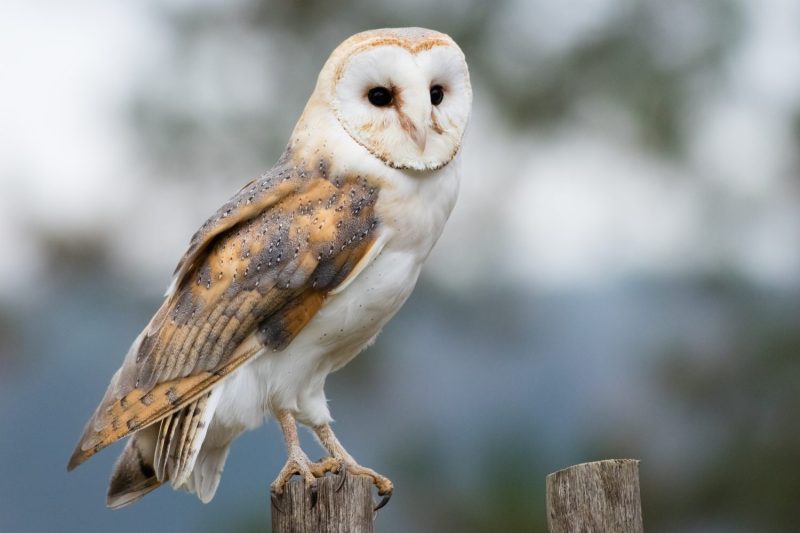
Winter in Connecticut feels heavier than just cold air. Snow piles along forest floors, ice creeps across fields, and night temperatures sink into ranges where survival demands strategy, strength, and instinct. Many birds escape the season by migrating south, but owls stay. Through long, freezing nights, they continue to hunt, glide silently through leafless woods, and depend on a winter diet perfectly matched to survival in the harshest months.
Owls are not passive winter survivors. Their ability to endure Connecticut’s coldest nights depends deeply on what they eat, how they hunt when snow covers everything, and how their feeding habits adapt when prey becomes harder to find. Their winter diet fuels warmth, strength, and life during the quietest and darkest part of the year.
This detailed guide explores what owls eat to survive freezing nights in Connecticut, which prey becomes vital when temperatures drop, how hunting strategies change with snow and ice, and why their winter feeding behavior is so important for the ecosystems around them.
Table of Contents
- 1 How Connecticut Winter Shapes Owl Feeding Behavior
- 2 The Core Winter Foods Owls Depend On in Connecticut
- 3 Birds as Winter Prey
- 4 Owls and Winter Rodent Population Cycles
- 5 Do Owls Eat Reptiles or Amphibians in Winter?
- 6 Fish and Aquatic Feeding in Winter
- 7 How Different Connecticut Owl Species Feed in Winter
- 8 How Owls Find Prey Beneath Snow
- 9 Energy Conservation and Feeding Rhythm
- 10 How Winter Diet Supports Owl Survival
- 11 Human Environments and Owl Feeding
- 12 Challenges Owls Face in Connecticut Winters
- 13 Owls’ Winter Diet and Ecosystem Balance
- 14 FAQs about What Owls Eat to Survive Freezing Nights in Connecticut
- 14.1 What do owls mainly eat in Connecticut winters?
- 14.2 Do owls struggle to hunt when snow covers the ground?
- 14.3 Do owls eat birds in winter?
- 14.4 Do owls starve in harsh winters?
- 14.5 Do owls rely on humans for food?
- 14.6 Do small owls have enough food in winter?
- 14.7 Do owls still find insects in winter?
- 14.8 Do snowy owls come to Connecticut in winter?
- 15 Final Thoughts
How Connecticut Winter Shapes Owl Feeding Behavior
Freezing Temperatures Demand High-Energy Food
Owls burn tremendous energy through winter nights. They must stay warm while flying, hunting, and maintaining their bodies. Connecticut’s winter brings biting winds, snowstorms, frozen landscapes, and long nights, all of which demand calorie-rich, protein-packed food.
Owls cannot rely on plants or seeds. Their winter diet must deliver dense nutrition from meat and fat. That’s why hunting success directly equals survival.
Snow and Ice Change the Way Owls Hunt
Snow does not shut down owl hunting, but it changes the battlefield. Prey animals hide beneath snow layers, burrow deeper underground, or shelter near structures and vegetation. Owls adapt through heightened senses, incredible hearing, and powerful talons designed to break through snowpacks.
Winter does not slow them; it refines their hunting precision.
The Core Winter Foods Owls Depend On in Connecticut
Small Mammals: The Heart of Winter Survival
Small mammals are the core winter diet for most owls in Connecticut. These animals remain active through cold months and carry enough fat and protein to sustain owls during long freezing nights.
Key winter prey includes:
• mice
• voles
• shrews
• rats
• chipmunks (when active)
Even under snow, owls detect the faintest movement. Their hearing is so sharp they can hear prey tunneling beneath layers of snow and ice. With a sudden plunge, they strike, securing vital energy for warmth and survival.
Small mammals supply:
• protein for muscle strength
• fat for heat production
• steady caloric energy
Without them, winter survival becomes far more difficult.
Rabbits and Hares in Severe Cold
During extreme Connecticut winters, when smaller prey becomes scarce or deeply hidden, larger owls such as Great Horned Owls turn to bigger mammals. Rabbits and hares provide a substantial winter meal, offering far more energy than multiple small rodents combined.
They may target:
• Eastern cottontail rabbits
• snowshoe hares (in certain regions)
This prey demands strength, speed, and power. Only the strongest owls consistently hunt mammals this size, but when successful, a single rabbit can sustain an owl for longer periods during relentless cold.
Birds as Winter Prey
When Mammals Become Harder to Reach
Not all prey hides under snow. Winter also concentrates birds into predictable locations such as feeders, shrubs, barns, tree edges, and sheltered zones. Owls take advantage of these concentrated food sources.
Owls may hunt:
• songbirds roosting in dense shrubs
• pigeons
• starlings
• crows
• waterfowl near unfrozen waters
Great Horned Owls and Barred Owls are particularly capable bird hunters. Sharp talons, silent wings, and night advantage give them an edge when winter tightens resources.
Owls and Winter Rodent Population Cycles
Boom and Scarcity Affect Diet
Rodent populations naturally cycle through highs and lows. In winters following strong rodent years, owls experience more stable food access. During scarcity periods, they must expand their diet, travel farther, and take greater hunting risks.
This natural balance influences:
• owl body condition
• survival rates
• breeding success in early spring
A strong winter diet today shapes the strength of owl populations tomorrow.
Do Owls Eat Reptiles or Amphibians in Winter?
In Connecticut’s winter, reptiles and amphibians become dormant. They burrow underground, enter deep sleep-like states, or hide in frozen wetlands. Because they are unavailable, owls do not rely on them in winter months.
Their absence reinforces how critical mammals and birds become in the cold season.
Fish and Aquatic Feeding in Winter
Only Certain Owls Rely on Water-Based Food
Most Connecticut owls focus on terrestrial prey, but occasional winter feeding may include:
• small fish near partially unfrozen water
• water-associated small mammals
• shore-feeding birds
This usually happens in milder winter areas, along rivers that resist full freezing, or during transitional weather.
How Different Connecticut Owl Species Feed in Winter
Great Horned Owl
The dominant winter predator. Strong, adaptable, and fearless, Great Horned Owls hunt:
• rabbits
• squirrels
• rats
• birds
• skunks (yes, even in winter)
Their powerful build and broad prey list make them outstanding winter survivors.
Barred Owl
Prefers forests and wetlands. Depends heavily on:
• voles
• mice
• small birds
• occasional fish
Their hooting presence echoes through many Connecticut woodlands in winter nights.
Eastern Screech Owl
Smaller but remarkably tough. This owl survives winter primarily on:
• mice
• small birds
• insects during milder spells
Its compact size demands efficient hunting and access to sheltered roosts.
Snowy Owl (Occasional Winter Visitor)
Some winters bring Snowy Owls south into Connecticut. These arctic hunters thrive in cold and feed on:
• rodents
• seabirds
• rabbits
• shoreline prey
Their rare winter presence attracts widespread attention.
How Owls Find Prey Beneath Snow
Extraordinary Hearing
Owls hear what we cannot imagine. Even under thick snow, prey movement sends vibrations. Their asymmetrical ear placement allows pinpoint location accuracy.
Silent Flight
Owls glide silently, conserving energy and preventing prey from detecting them. Silence is a survival advantage, allowing clean strikes without wasted effort.
Precision Attack
They strike with force, talons penetrating snow layers. This capability separates them from many other winter predators.
Energy Conservation and Feeding Rhythm
Hunting Efficiency Is Everything
Winter nights are long, but energy must be conserved. Owls hunt strategically rather than constantly. Successful hunting reduces unnecessary flight and heat loss.
Feeding Frequency
They may not eat every hour, but when they do, meals sustain them deeply. Larger prey can fuel an owl for extended periods.
How Winter Diet Supports Owl Survival
Protein
Supports muscle strength, hunting ability, and tissue repair.
Fat
Provides heat stability and energy storage during multi-night cold stretches.
Calcium and Nutrients
Bones consumed during feeding provide essential minerals.
Their winter diet is biologically perfect for enduring freezing nights.
Human Environments and Owl Feeding
Urban and Suburban Connecticut
Owls adapt surprisingly well to human presence. Winter prey is often found near:
• barns
• neighborhoods
• parks
• farm fields
• backyard rodent populations
Streetlights may even help owls see prey movement.
Farmland and Rural Areas
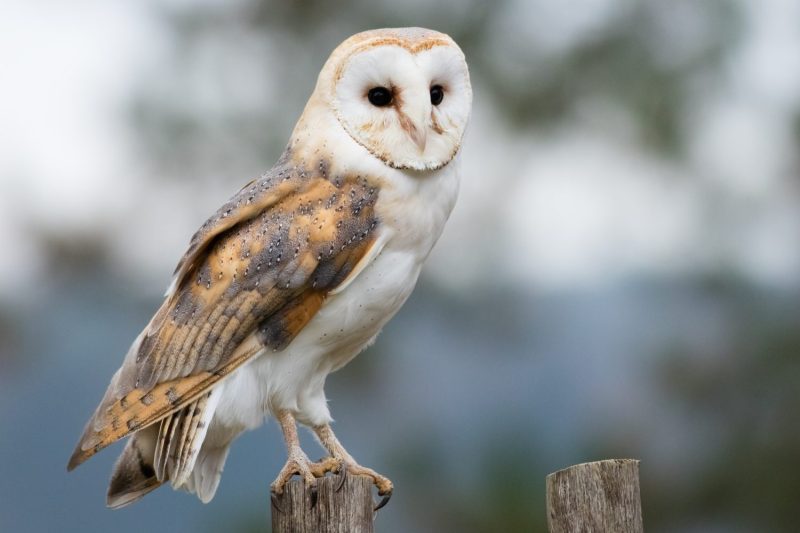
Barn owls, when present, thrive in open fields where rodent populations remain strong.
Forests and Wetlands
Traditional owl habitats still offer stable winter feeding, especially where ecosystems remain healthy and balanced.
Challenges Owls Face in Connecticut Winters
Severe Storms
Heavy snow and thick ice challenge hunting precision.
Reduced Prey Activity
Less movement means harder detection.
Human Impacts
Habitat loss and poison use reduce prey and harm owl health.
Even so, owls remain powerful survivors.
Owls’ Winter Diet and Ecosystem Balance
Natural Rodent Control
Owls remove thousands of rodents from environments each year, stabilizing populations.
Supporting Ecological Balance
They maintain predator-prey dynamics, keeping ecosystems functioning through winter.
Indicator of Environmental Health
Healthy owl feeding success often signals a thriving environment.
FAQs about What Owls Eat to Survive Freezing Nights in Connecticut
What do owls mainly eat in Connecticut winters?
Primarily small mammals such as mice, voles, shrews, and rats. Larger owls also hunt rabbits and birds.
Do owls struggle to hunt when snow covers the ground?
Snow makes hunting harder, but owls adapt with powerful hearing and precision strikes.
Do owls eat birds in winter?
Yes. Many owls hunt wintering birds, especially when mammals are scarce.
Do owls starve in harsh winters?
Some do during extreme food shortages, but many survive thanks to adaptability and strong hunting instincts.
Do owls rely on humans for food?
No. They are skilled hunters, though human environments indirectly provide prey.
Do small owls have enough food in winter?
They do, but survival requires efficient hunting and access to reliable habitat.
Do owls still find insects in winter?
Rarely. Winter insects play almost no dietary role during freezing months.
Do snowy owls come to Connecticut in winter?
Some winters bring snowy owls south, and when they do, they hunt rabbits, rodents, and birds.
Final Thoughts
Connecticut winter nights are long, dark, and unforgiving, but owls endure them with instinctive brilliance. Their survival depends on a powerful winter diet built around small mammals, birds, and occasional larger prey that supply the energy needed to stay warm, fly silently, and hunt effectively in frozen landscapes.
They do more than just survive the cold. They thrive in it. Their feeding behavior supports ecosystems, controls rodent populations, and maintains natural balance when winter quiets everything else. As the season eventually softens and spring begins to return, owls emerge strong, steady, and ready for the next chapter—living proof that resilience is written into nature’s most remarkable hunters.