

Mississippi’s warm climate and long summers create the perfect conditions for insects and spiders to thrive. Most are harmless, some are helpful, and a few can cause real problems when humans cross their path. From painful stings to venomous bites and disease-carrying pests, dangerous bugs are a natural part of life across the state.
These encounters rarely happen because insects are aggressive. They happen because people garden, hike, work outdoors, or bring pests inside without realizing it. A spider hiding in a shoe, a tick waiting in tall grass, or a wasp nest tucked under a roofline can quickly turn an ordinary day into a painful experience.
Knowing which bugs pose a risk makes a difference. Identification helps you react calmly, avoid unnecessary contact, and know when medical attention is needed. This guide covers 21 of the most dangerous bugs found in Mississippi, with clear descriptions and identification details to help you recognize them before they become a problem.
Table of Contents
- 1 Types of Dangerous Bugs Found in Mississippi
- 1.1 Velvet Ant (Cow Killer Wasp)
- 1.2 Fire Ant
- 1.3 Bald-Faced Hornet
- 1.4 European Hornet
- 1.5 Yellowjacket Wasp
- 1.6 Paper Wasp
- 1.7 Cicada Killer Wasp
- 1.8 Eastern Carpenter Bee
- 1.9 Brown Recluse Spider
- 1.10 Black Widow Spider
- 1.11 Yellow Sac Spider
- 1.12 Wolf Spider
- 1.13 Assassin Bug (Wheel Bug)
- 1.14 Kissing Bug
- 1.15 Giant Water Bug (Toe-Biter)
- 1.16 Blister Beetle
- 1.17 Deer Tick (Blacklegged Tick)
- 1.18 Lone Star Tick
- 1.19 American Dog Tick
- 1.20 Brown Dog Tick
- 1.21 Mosquito (Disease-Carrying Species)
- 2 Tips to Avoid Dangerous Bugs in Mississippi
- 3 FAQs About Dangerous Bugs in Mississippi
- 3.1 Are most dangerous bugs in Mississippi aggressive?
- 3.2 Which insect causes the most painful sting in Mississippi?
- 3.3 Are spider bites common in Mississippi homes?
- 3.4 Which bugs in Mississippi spread diseases?
- 3.5 Should every bite or sting see a doctor?
- 3.6 Are these insects active year-round?
- 3.7 Do these bugs infest clean homes?
- 4 Conclusion
Types of Dangerous Bugs Found in Mississippi
Velvet Ant (Cow Killer Wasp)
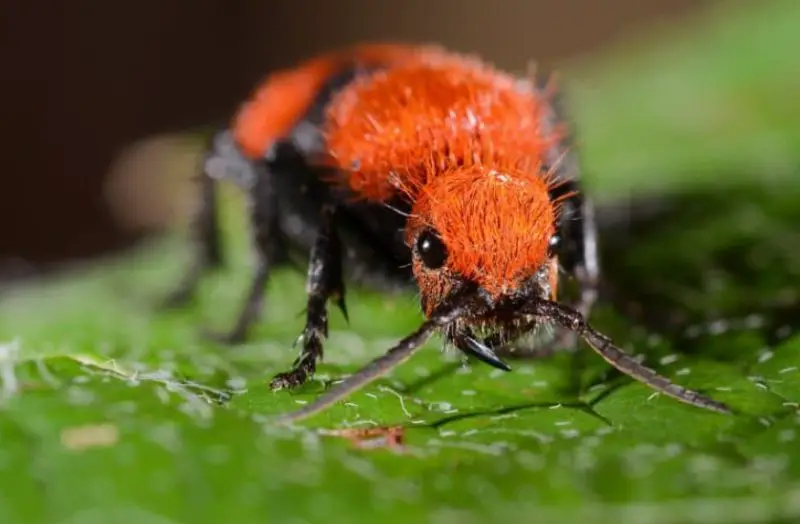
The velvet ant is not an ant at all but a wingless female wasp covered in dense red, orange, and black hairs that give it a fuzzy appearance. In Mississippi, it is most often seen crawling across sandy soil, lawns, or open fields rather than flying. Its thick, armored body and warning colors signal danger to predators long before any contact occurs.
Adults typically measure between 0.5 and 0.8 inches long, with females noticeably larger and more robust than males. Males have wings and are rarely noticed, while females are ground-dwellers with powerful legs and a rigid exoskeleton. The bright coloration helps distinguish velvet ants from true ants or beetles found in the region.
Velvet ants are solitary insects and do not defend nests or form colonies. They spend much of their time searching for underground nests of bees or wasps where they lay eggs. In Mississippi’s warm climate, sightings are most common from late spring through early fall, especially in dry, open habitats.
The sting of a velvet ant is infamous and extremely painful, earning the nickname “cow killer,” though it is not lethal to livestock or humans. The venom causes intense burning pain and swelling but is rarely dangerous unless an allergic reaction occurs. They are not aggressive and will sting only if handled or trapped against skin.
Fire Ant
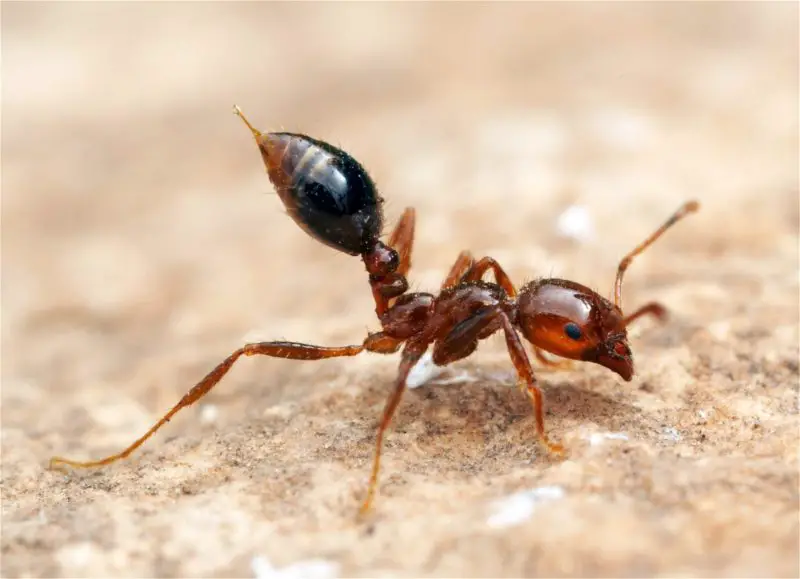
Fire ants are among the most widespread and problematic insects in Mississippi, easily recognized by their reddish-brown color and aggressive behavior. They build dome-shaped soil mounds in lawns, fields, pastures, and even along sidewalks. Unlike many stinging insects, they often attack in large numbers.
Individual fire ants are small, usually ranging from 0.1 to 0.25 inches long, but colonies can contain hundreds of thousands of workers. Size varies within the same nest, which can make identification confusing. Their ability to swarm rapidly is one of their most defining traits.
Fire ants are highly territorial and respond instantly to disturbances near their mound. They climb onto skin and sting repeatedly, gripping with their jaws while injecting venom. Mississippi’s warm, humid environment allows colonies to remain active for much of the year.
Their venom causes a burning sensation followed by raised white pustules that can last for days. While most stings are not medically dangerous, multiple stings can be serious, and allergic individuals may experience severe reactions. Fire ants pose one of the highest insect-related risks to humans in Mississippi.
Bald-Faced Hornet
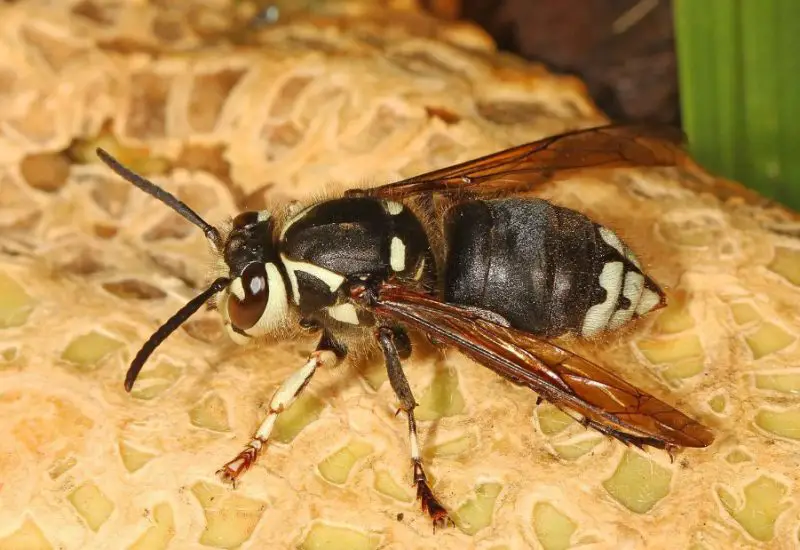
The bald-faced hornet is a striking black-and-white wasp often mistaken for a true hornet, though it is technically a type of yellowjacket. In Mississippi, it is most commonly seen around wooded areas, parks, and suburban neighborhoods with tall trees. Its large aerial nest is often the first clue to its presence.
Adults are relatively large, averaging about 0.75 inches in length, with bold white facial markings and black bodies. Their smooth appearance and loud buzzing flight make them easy to recognize. Nests are gray, paper-like structures attached high on tree branches or structures.
These hornets are highly defensive of their nest and will aggressively respond to perceived threats. Workers patrol the area around the nest and may attack without much warning if someone gets too close. They are active during daylight hours and become more defensive late in the summer.
Their sting delivers potent venom that causes sharp pain, swelling, and redness. Multiple stings can occur during an attack, increasing the risk of systemic reactions. While not typically fatal, bald-faced hornets are considered dangerous due to their aggressive nest defense behavior.
European Hornet
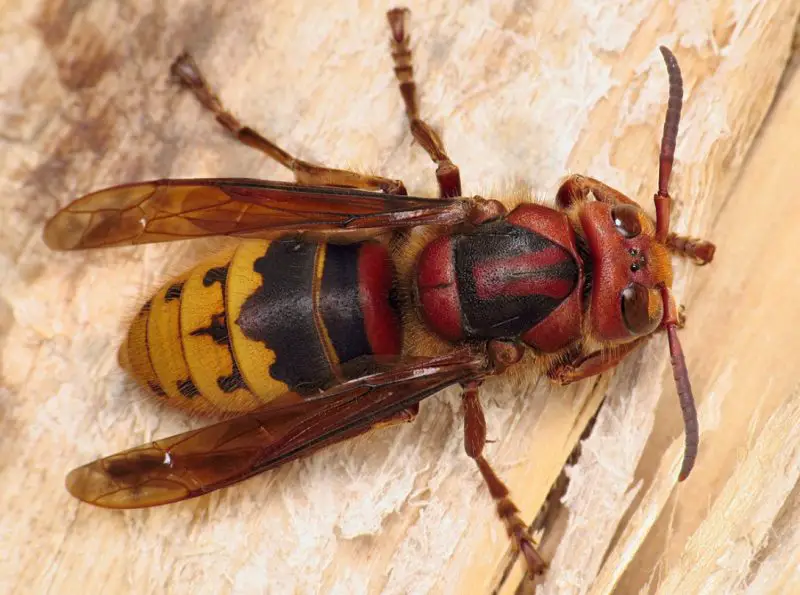
The European hornet is the largest true hornet found in Mississippi and has a more subdued coloration compared to other stinging wasps. Its body is brownish-red with yellow striping, giving it a less flashy but heavier appearance. Despite its size, it often goes unnoticed until close contact occurs.
Workers can reach up to 1.25 inches long, making them significantly larger than yellowjackets or paper wasps. Their size, deep buzzing sound, and tendency to fly at night help distinguish them from other species. They often nest in hollow trees, wall voids, or attics.
European hornets are less aggressive when away from the nest and are more likely to forage quietly for insects or sap. In Mississippi, they are sometimes attracted to porch lights after dark, which increases accidental encounters with people.
Their sting is painful but not more toxic than other wasps. Venom causes localized pain and swelling, though the larger stinger can make the sting feel more intense. They rarely sting unless provoked, but nest disturbances can trigger defensive behavior.
Yellowjacket Wasp
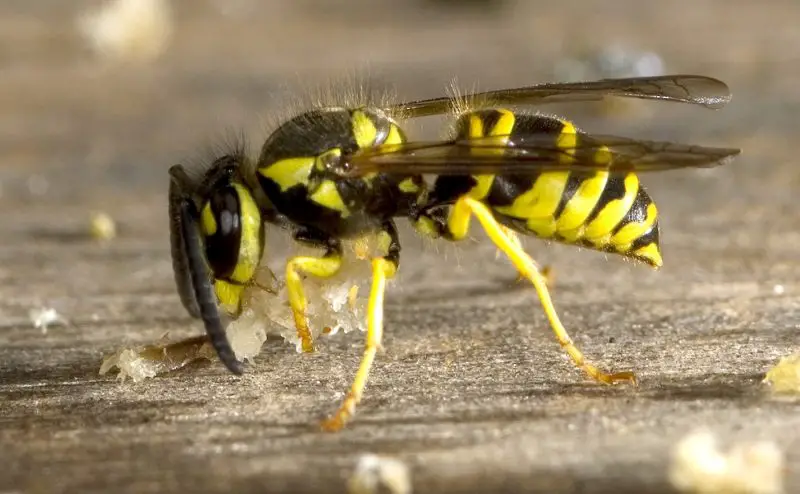
Yellowjackets are among the most recognizable and troublesome wasps in Mississippi, especially during late summer and early fall. Their bright yellow and black pattern and fast, darting flight make them highly visible around food, trash cans, and outdoor gatherings.
They are medium-sized wasps, typically around 0.5 inches long, with compact, muscular bodies. Unlike bees, they have smooth bodies and little visible hair. Nests are often hidden underground, inside wall cavities, or beneath structures, which increases the chance of accidental disturbance.
Yellowjackets are social and extremely defensive, particularly when their nest is threatened. They scavenge aggressively for sugary foods and proteins, bringing them into frequent contact with humans. Once alarmed, they release pheromones that attract other workers to attack.
Their sting is painful and can be delivered repeatedly, as they do not lose their stinger. Venom causes sharp pain, swelling, and redness, and multiple stings are common during attacks. For people with allergies, yellowjackets pose a serious health risk in Mississippi.
Paper Wasp
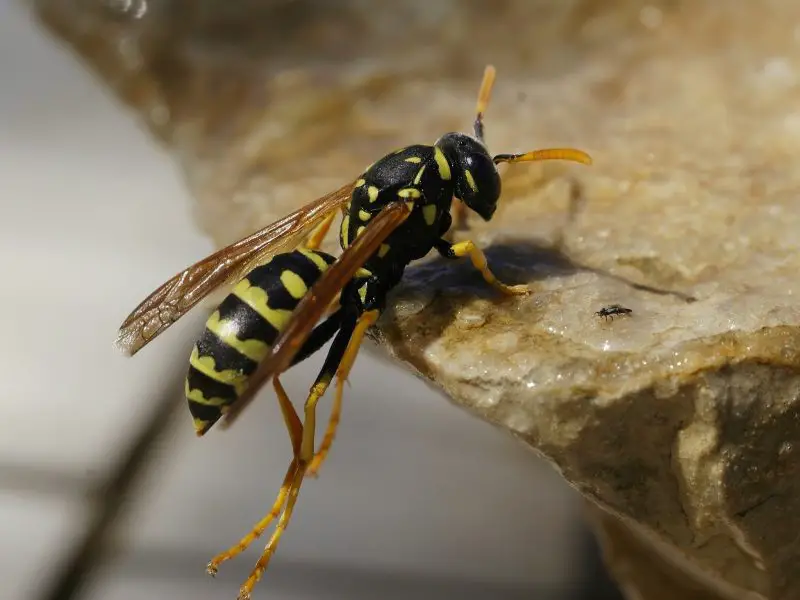
Paper wasps are slender, long-legged insects commonly seen across Mississippi, especially around homes, barns, and porch eaves. Their bodies are typically brown, reddish, or black with yellow markings, and they have a smooth, narrow waist that gives them a delicate appearance compared to bulkier hornets. They are named for their umbrella-shaped paper nests made from chewed wood fibers.
Most paper wasps measure between 0.6 and 0.9 inches long. When at rest, their legs hang visibly beneath their bodies, which is a key identification feature. Their slow, gliding flight often makes them seem calm, but close proximity to a nest changes that behavior quickly.
In Mississippi’s warm climate, paper wasps remain active from spring through fall. They are not aggressive while foraging but become highly defensive if their nest is disturbed. Colonies are relatively small, and nests are often rebuilt in the same locations year after year.
Paper wasp stings are painful and cause immediate burning, redness, and swelling. The venom is not highly toxic, but stings can be dangerous for individuals with allergies. Most stings occur accidentally when people brush against hidden nests.
Cicada Killer Wasp
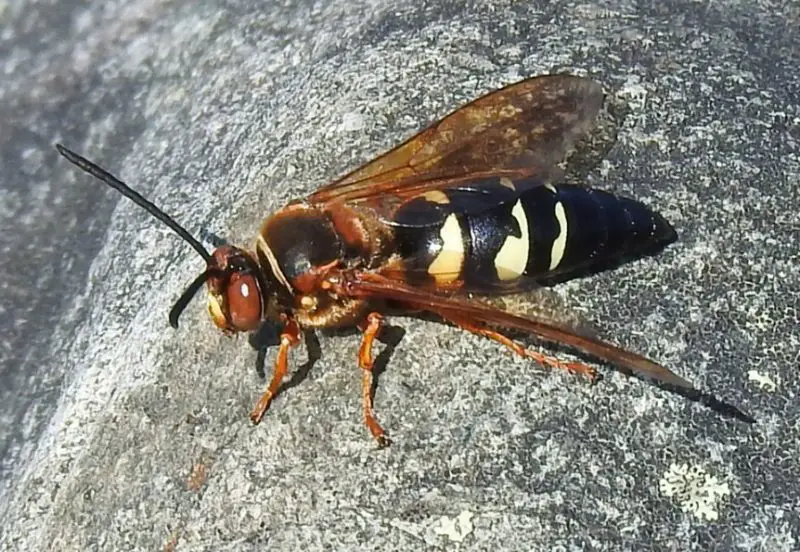
Cicada killer wasps are among the largest wasps found in Mississippi, often causing alarm due to their size alone. They have black bodies with bold yellow abdominal bands and reddish wings, giving them a powerful, intimidating appearance. Despite this, they are generally non-aggressive toward humans.
Adults commonly reach 1.5 to 2 inches in length, making them easy to distinguish from other wasps. Females are larger than males and are the ones capable of stinging. They are often seen flying low over lawns or bare soil during mid to late summer.
These wasps are solitary and dig deep burrows in sandy or loose soil. In Mississippi, they are most active during cicada season, as cicadas are their primary prey. Females paralyze cicadas with venom and drag them underground to feed their developing larvae.
The sting of a cicada killer is strong but rarely delivered. Venom is designed to paralyze insects, not defend against humans. Stings typically result in localized pain and swelling and are not considered medically dangerous unless an allergic reaction occurs.
Eastern Carpenter Bee
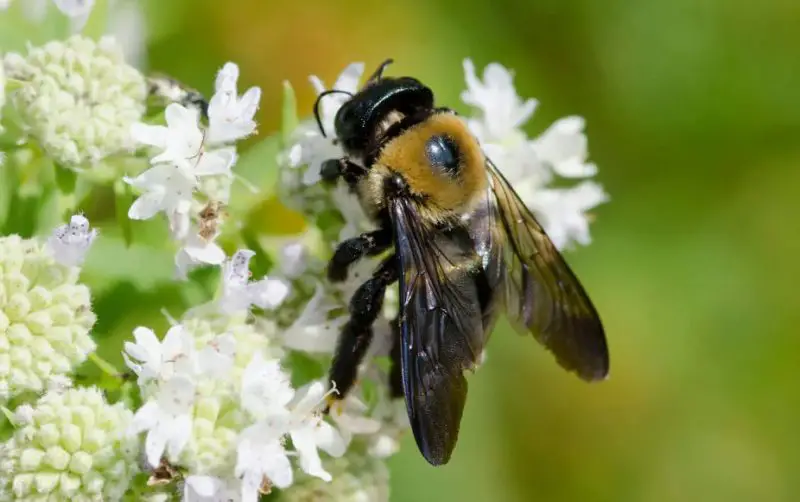
Eastern carpenter bees are large, robust bees frequently mistaken for bumblebees in Mississippi. The key difference is their shiny, hairless black abdomen, while bumblebees have fuzzy, striped bodies. Their thorax is covered in yellow hair, giving them a familiar bee-like look.
Adults are about 0.75 to 1 inch long. Males are often seen hovering near nesting sites and may act aggressive, but they lack stingers. Females have strong jaws used to bore into wood, creating round entrance holes in decks, fences, and siding.
Carpenter bees are active from early spring through summer. They prefer untreated or weathered wood and often reuse the same nesting tunnels for years. While they play an important role as pollinators, their nesting behavior can cause gradual structural damage.
Female carpenter bees can sting, but stings are uncommon and usually occur only if handled. The sting causes brief pain and swelling, and the venom is mild. The greater concern is property damage rather than danger to humans.
Brown Recluse Spider
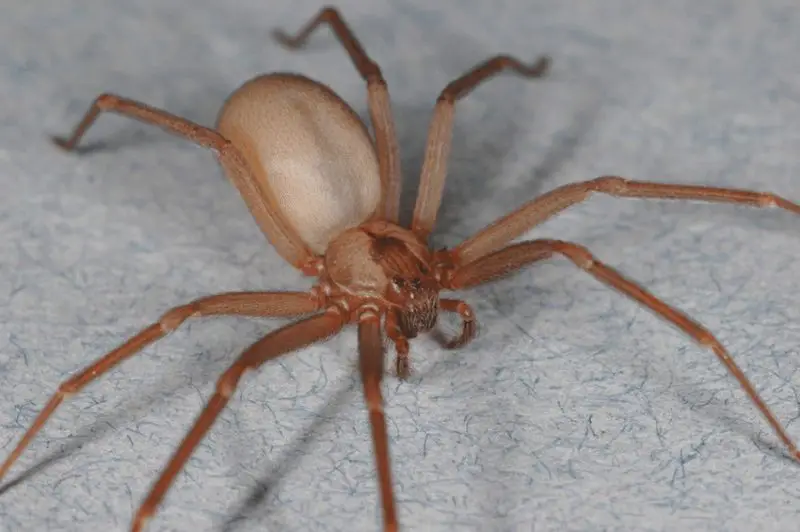
The brown recluse spider is one of the most medically significant spiders found in Mississippi. It is light to dark brown with long legs and a distinct violin-shaped marking on its back. True to its name, it prefers undisturbed indoor spaces such as closets, basements, and storage areas.
Most brown recluses have a body length of about 0.25 to 0.5 inches, with legs extending farther. They have six eyes arranged in pairs rather than the usual eight, though this detail is rarely visible without close inspection. Their overall appearance is plain and unmarked.
Brown recluses are nocturnal and avoid human contact whenever possible. Bites usually occur when the spider is trapped against skin in clothing, bedding, or shoes. In Mississippi homes, they are more common in cluttered or low-traffic areas.
The bite may start painless but can develop into tissue damage over hours or days. Venom contains enzymes that break down skin cells, sometimes leading to slow-healing wounds. Severe reactions are rare but require medical attention.
Black Widow Spider
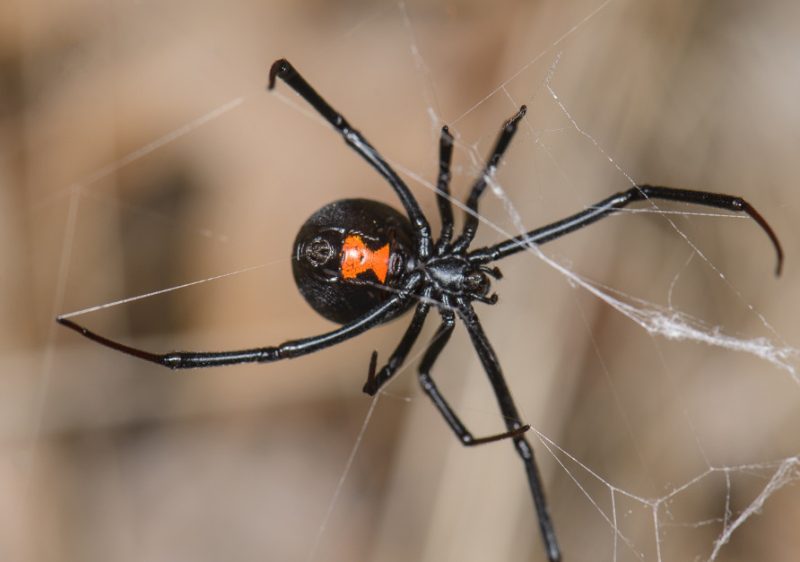
Black widow spiders are easily recognized by their glossy black bodies and the red hourglass marking on the underside of the abdomen. In Mississippi, they are commonly found in garages, woodpiles, sheds, and crawl spaces where they can remain undisturbed.
Females are the most dangerous and measure about 0.5 inches in body length, with long, slender legs. Males are much smaller, lighter in color, and rarely noticed. Their irregular, tangled webs are another key identification feature.
Black widows are shy and retreat when possible. Bites usually happen when a hand or foot accidentally enters their hiding place. They are more active during warmer months, particularly in dry, sheltered environments.
Their venom is neurotoxic and can cause intense muscle pain, cramps, sweating, and nausea. While bites are rarely fatal, symptoms can be severe and require medical care. Black widows are considered one of the more dangerous spiders to humans in Mississippi.
Yellow Sac Spider
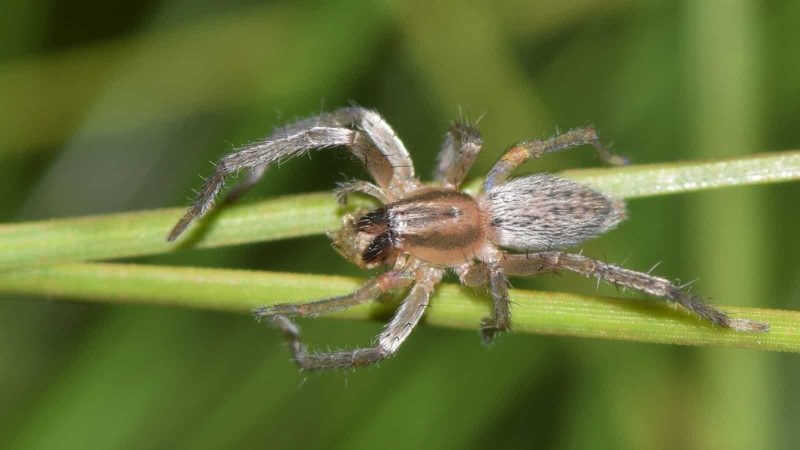
Yellow sac spiders are small, pale-colored spiders commonly found in Mississippi homes and gardens. Their bodies range from light yellow to beige, with slightly darker mouthparts and long, slender legs. They do not build traditional webs to catch prey, instead relying on active hunting at night.
Adults usually measure about 0.2 to 0.4 inches in body length. Their smooth, unpatterned appearance often leads to misidentification with other harmless spiders. During the day, they hide inside silken “sacs” tucked into corners, wall crevices, or beneath leaves outdoors.
In Mississippi, yellow sac spiders thrive in warm, humid environments and often wander indoors, especially during seasonal changes. They are fast-moving and may bite if trapped against skin, particularly in bedding or clothing. Unlike reclusive species, they tolerate human structures well.
Bites can cause immediate sharp pain followed by redness and mild swelling. Venom is not considered dangerous, but irritation and itching may last several days. Serious complications are rare, making them more of a nuisance than a true medical threat.
Wolf Spider
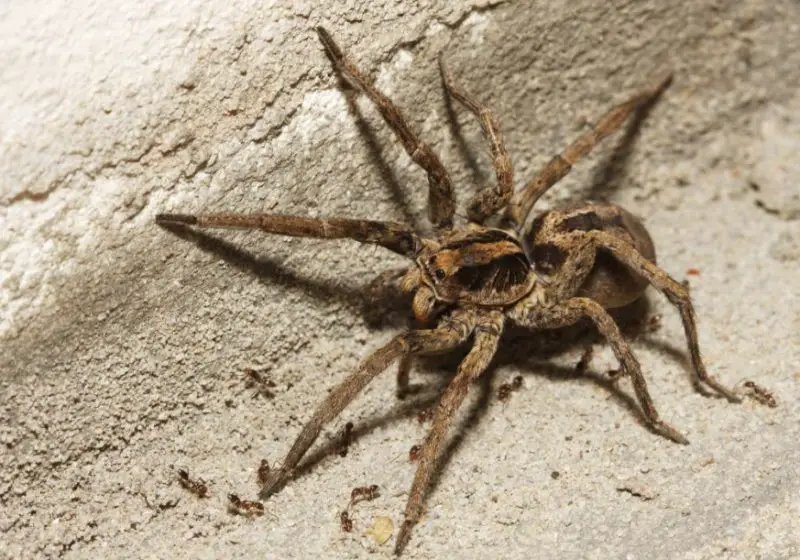
Wolf spiders are large, ground-dwelling spiders frequently encountered across Mississippi in fields, forests, and even inside homes. They are brown or gray with dark striping or mottled patterns that help them blend into soil and leaf litter. Their robust bodies and quick movements often alarm people.
These spiders range widely in size, from 0.4 to over 1 inch in body length, depending on species. One notable feature is their eye arrangement, which gives them excellent vision and causes their eyes to reflect light at night. They do not spin capture webs.
Wolf spiders are active hunters that chase down insects, especially after dark. In Mississippi, they are most noticeable during warmer months or when heavy rains drive them indoors. Females are often seen carrying egg sacs or young spiders on their backs.
Bites are uncommon and usually occur when the spider is handled. The bite may cause localized pain, redness, and swelling, similar to a mild bee sting. Venom is not medically significant and poses little danger to humans.
Assassin Bug (Wheel Bug)
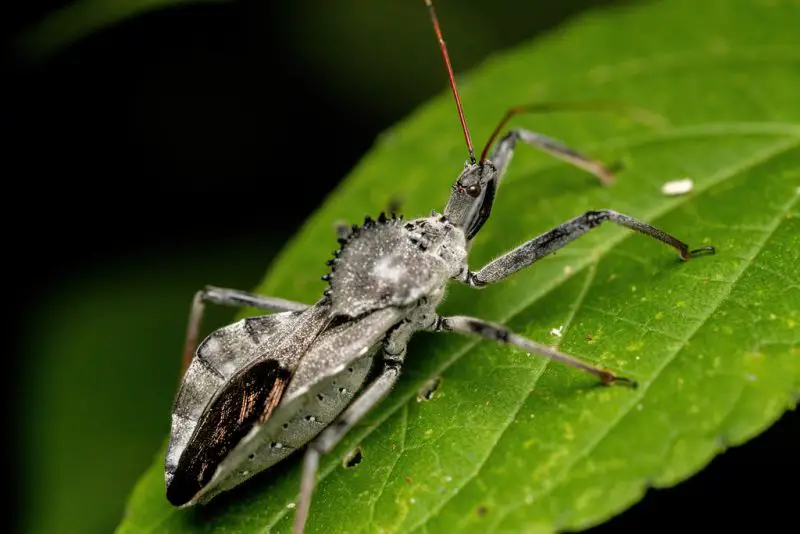
The wheel bug is one of the largest and most intimidating true bugs found in Mississippi. It has a grayish-brown body and a distinctive, gear-like crest on its thorax that makes identification straightforward. Its long, powerful legs and piercing mouthpart add to its fierce appearance.
Adults can grow up to 1.25 inches long. They move slowly but deliberately and are often found on trees, shrubs, and outdoor structures. Unlike wasps or bees, wheel bugs do not fly frequently and rely on stealth.
Wheel bugs are solitary predators that feed on other insects, making them beneficial in controlling pests. In Mississippi, they are most active from spring through fall. They do not seek out human contact but will defend themselves if grabbed.
Their bite is extremely painful and often described as worse than a wasp sting. The venom causes intense localized pain, swelling, and numbness that can last days or weeks. While not dangerous, the bite is considered one of the most painful insect injuries in the region.
Kissing Bug
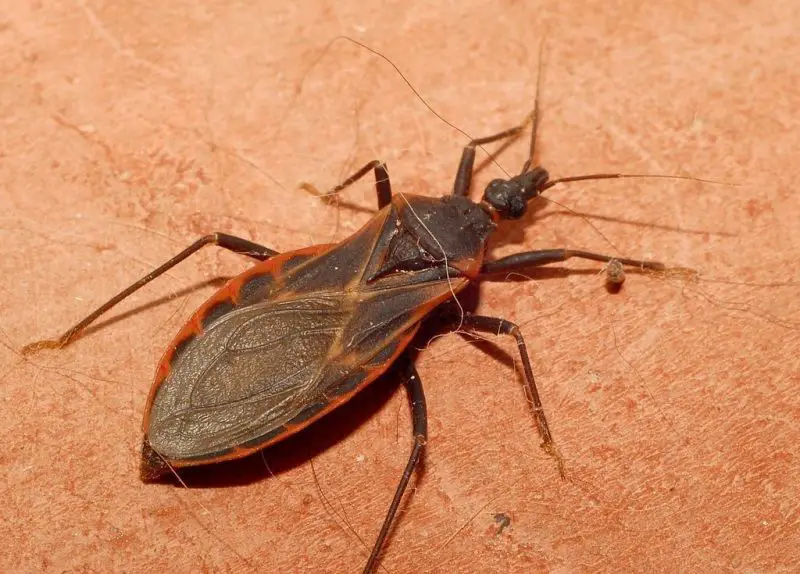
Kissing bugs are dark-colored, elongated insects belonging to the assassin bug family. In Mississippi, they are typically black or dark brown with red or orange markings along the edges of the abdomen. They are mostly nocturnal and rarely seen during the day.
Adults are about 0.75 to 1 inch long, with long legs and a narrow head. They are often attracted to lights at night and may wander indoors. Their name comes from their tendency to bite sleeping humans around the face.
Kissing bugs feed on blood and are commonly associated with wildlife nests, dog kennels, and outdoor structures. While they are more common in the southern United States, encounters in Mississippi remain relatively rare but increasing.
Their bite is usually painless at first but may lead to itching, swelling, or allergic reactions. In some regions, they can transmit Chagas disease, though transmission in Mississippi is extremely uncommon. The primary risk is allergic response rather than infection.
Giant Water Bug (Toe-Biter)
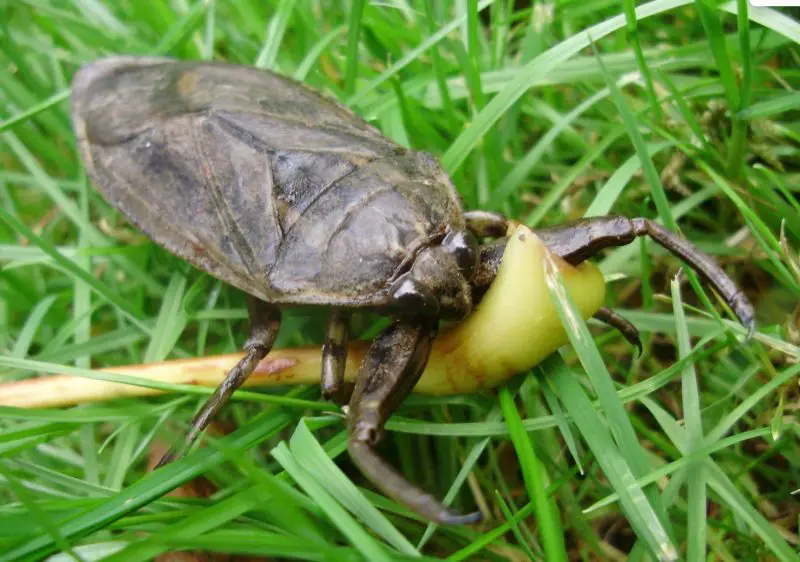
Giant water bugs are large aquatic insects found in Mississippi ponds, lakes, slow-moving streams, and wetlands. They have flat, oval bodies, strong grasping front legs, and a breathing tube at the rear. Their size and sudden movements make them startling when encountered.
Adults commonly reach 2 to 2.5 inches long, making them one of the largest true bugs in North America. They are strong fliers and are sometimes attracted to porch lights at night, leading to unexpected indoor encounters.
These insects are aggressive aquatic predators, feeding on fish, frogs, and other insects. In Mississippi, they are most active during warm months and may leave water bodies during mating season or drought.
Their bite is extremely painful, delivering digestive enzymes rather than venom. Pain can be intense and long-lasting, but bites are not dangerous unless infection occurs. Most incidents happen when people handle them or step on them barefoot.
Blister Beetle
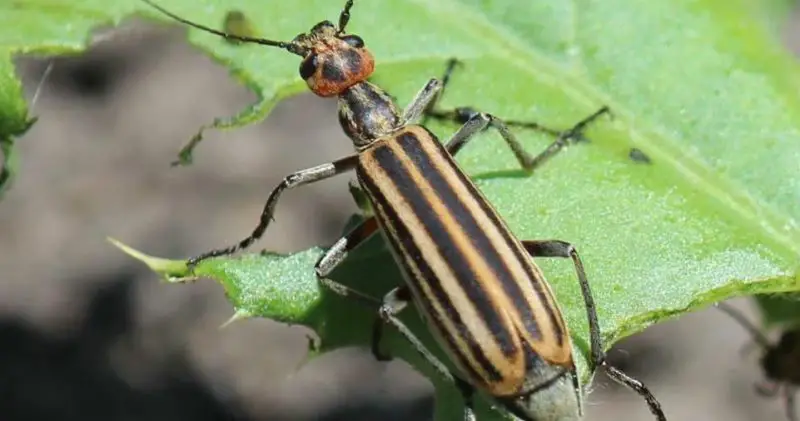
Blister beetles are soft-bodied beetles found across Mississippi in fields, gardens, and agricultural areas. They vary in color, ranging from black and gray to bright yellow with stripes. Their elongated bodies and narrow thorax help distinguish them from other beetles.
Most blister beetles measure between 0.4 and 1 inch long. They move slowly and are often found feeding on plants or flowers. When threatened, they release a defensive chemical rather than biting or stinging.
Blister beetles secrete cantharidin, a toxin that causes skin blistering upon contact. In Mississippi, accidental handling or crushing against skin can lead to painful welts and fluid-filled blisters.
While not aggressive, blister beetles pose a risk through contact exposure. The toxin can be dangerous if ingested and is particularly harmful to livestock. For humans, the main danger is skin irritation rather than systemic poisoning.
Deer Tick (Blacklegged Tick)
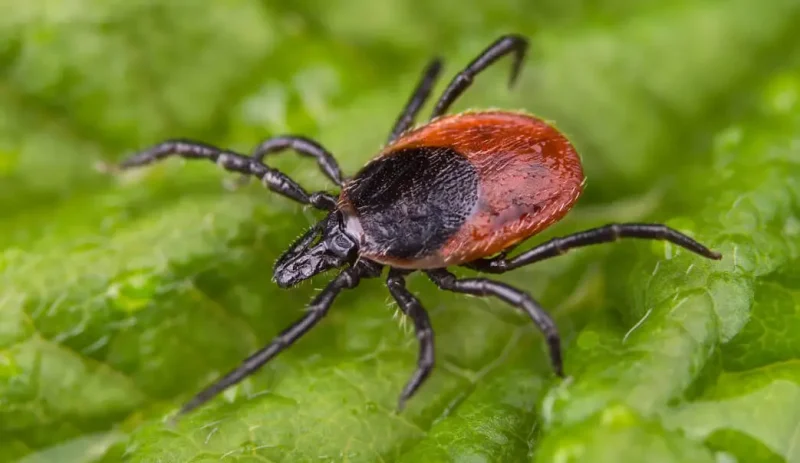
The deer tick, also known as the blacklegged tick, is one of the most medically important ticks found in Mississippi. It is small, dark, and easily overlooked, especially in its nymph stage. Adults have a black or dark brown shield near the head with a reddish-brown body, making them difficult to spot on skin or clothing.
Adult deer ticks are typically about 0.1 to 0.2 inches long before feeding, with nymphs even smaller. Their tiny size allows them to attach unnoticed for long periods. They are commonly found in wooded areas, leaf litter, tall grasses, and along forest edges where deer and small mammals are present.
In Mississippi, deer ticks are most active from fall through spring, especially during mild winters. They do not jump or fly but wait on vegetation and latch onto passing hosts. Humans are usually bitten while hiking, gardening, or working outdoors.
Their bite is painless, but the danger lies in disease transmission. Deer ticks can carry Lyme disease and other pathogens. Prompt removal reduces risk, but untreated bites can lead to serious long-term health issues.
Lone Star Tick
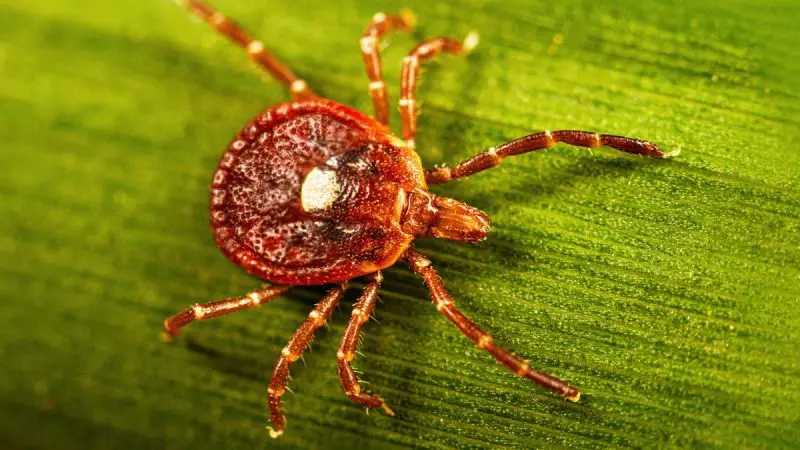
The lone star tick is one of the most aggressive ticks encountered in Mississippi. Females are easily identified by the single white dot on their back, while males have scattered pale markings. They actively seek hosts rather than waiting passively.
Adults measure about 0.2 to 0.3 inches long. They are commonly found in wooded areas, brushy fields, and trails. Unlike many ticks, lone star ticks are fast-moving and may crawl toward humans when disturbed.
This species is active from early spring through late fall in Mississippi’s warm climate. Lone star ticks readily bite humans and often attach in clusters. Their activity increases the chance of repeated exposure during outdoor activities.
Their bites can cause itching, swelling, and sometimes severe allergic reactions. Lone star ticks are linked to alpha-gal syndrome, which can trigger red meat allergies. They may also transmit other illnesses, making them a significant health concern.
American Dog Tick

The American dog tick is one of the largest ticks commonly found in Mississippi. It has a dark brown body with gray or silvery markings on its shield, making it more visible than smaller species. This tick is often encountered in grassy or brushy areas.
Adults can reach up to 0.3 inches long before feeding. They prefer dogs and other mammals but will readily bite humans. Their size makes them easier to detect, though they can still remain attached unnoticed in hidden areas.
In Mississippi, American dog ticks are most active during spring and summer. They do not infest homes but thrive in outdoor environments such as fields, roadsides, and trails. Pets often bring them into close contact with humans.
Their bite may cause irritation and localized swelling. This species is known to transmit Rocky Mountain spotted fever and other diseases. Prompt removal and monitoring are important after any bite.
Brown Dog Tick
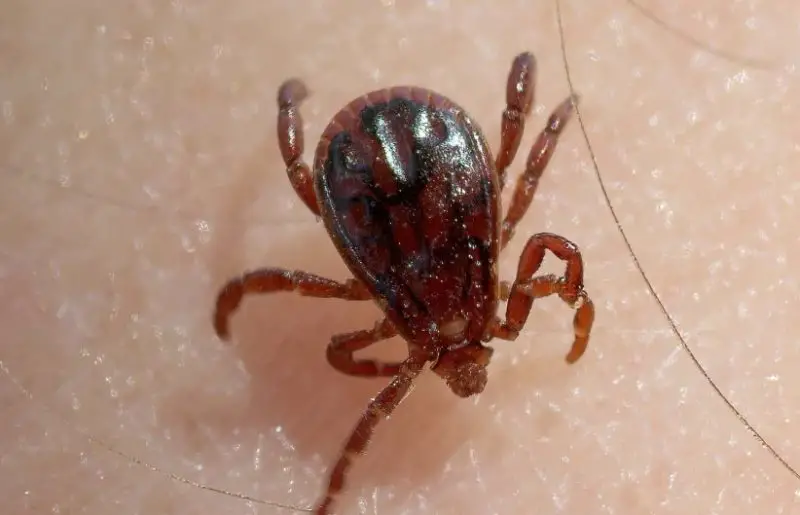
The brown dog tick is uniquely adapted to living close to humans and their pets in Mississippi. Unlike most ticks, it can complete its entire life cycle indoors. It has a uniform reddish-brown color and lacks distinctive markings.
Adults are about 0.1 to 0.2 inches long. They are commonly found in homes, kennels, and areas where dogs rest. Infestations can grow quickly, especially in warm indoor environments.
Brown dog ticks remain active year-round in Mississippi, especially inside buildings. They frequently bite dogs but may also feed on humans when populations are high. Walls, baseboards, and furniture can harbor hiding ticks.
Their bites are irritating but usually not painful. Brown dog ticks can transmit diseases to dogs and occasionally humans. The main risk is infestation rather than severe illness, making control and prevention critical.
Mosquito (Disease-Carrying Species)
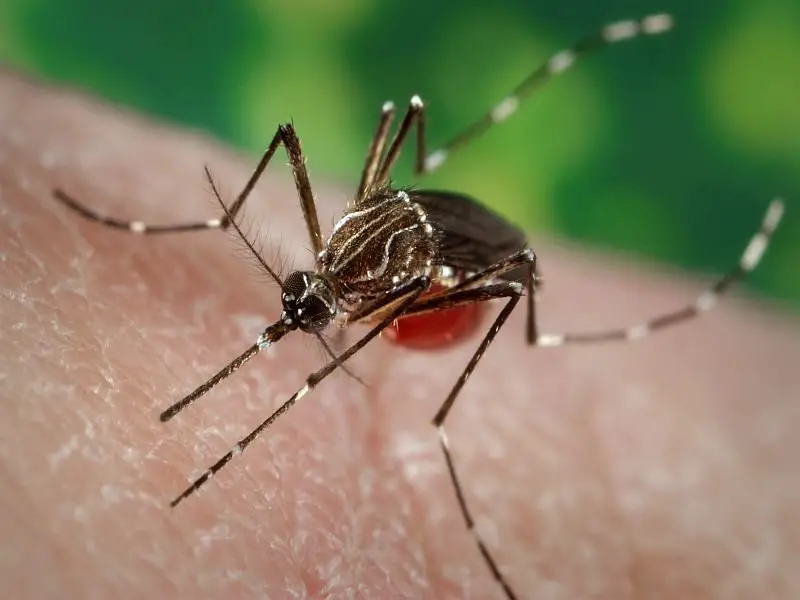
Mosquitoes are among the most persistent and dangerous biting insects in Mississippi. They are small, slender flies with long legs and narrow wings, easily recognized by their high-pitched buzzing. Standing water is essential for their breeding.
Most mosquitoes measure less than 0.25 inches long. Females are the ones that bite, using needle-like mouthparts to feed on blood. Mississippi’s warm, humid climate allows multiple generations to thrive each year.
Mosquitoes are most active from spring through fall, especially at dawn and dusk. They are found near wetlands, ponds, ditches, and residential areas with poor drainage. Even small water sources can support large populations.
Their bites cause itching and swelling, but the greater danger is disease transmission. Mississippi mosquitoes can carry West Nile virus, Eastern equine encephalitis, and other illnesses. Protective measures are essential to reduce risk.
Tips to Avoid Dangerous Bugs in Mississippi
Awareness is the first and most effective form of protection. Many dangerous insects and spiders in Mississippi rely on surprise or accidental contact. Wearing long sleeves, closed shoes, and gloves when gardening, hiking, or working around woodpiles significantly reduces bite and sting risks.
Regular home maintenance matters more than people realize. Sealing cracks, reducing clutter in garages and storage areas, and keeping firewood away from the house limits hiding places for spiders, ticks, and kissing bugs. Outdoor lighting should be positioned away from doors to avoid attracting insects inside at night.
When spending time outdoors, use insect repellents that are effective against mosquitoes and ticks, especially in wooded or wet areas. After outdoor activity, check skin, clothing, and pets carefully. Early detection of ticks prevents disease transmission.
Avoid handling unfamiliar insects, no matter how harmless they appear. Many painful bites happen when people attempt to move, crush, or inspect insects with bare hands. When in doubt, give them space.
FAQs About Dangerous Bugs in Mississippi
Are most dangerous bugs in Mississippi aggressive?
No. Most dangerous insects and spiders in Mississippi are defensive rather than aggressive. Bites and stings usually occur due to accidental contact, nest disturbance, or handling.
Which insect causes the most painful sting in Mississippi?
Pain perception varies, but velvet ants, wheel bugs, and giant water bugs are often reported as extremely painful. Pain does not always equal danger, but it can be intense.
Are spider bites common in Mississippi homes?
Spider bites are relatively uncommon. Brown recluse and black widow bites usually occur when spiders are trapped against skin in clothing, bedding, or shoes.
Which bugs in Mississippi spread diseases?
Mosquitoes and ticks pose the highest disease risk. Mosquitoes can transmit West Nile virus, while ticks can carry Lyme disease, Rocky Mountain spotted fever, and other illnesses.
Should every bite or sting see a doctor?
Most bites and stings cause mild reactions and heal on their own. Medical care is recommended if symptoms worsen, signs of infection appear, or allergic reactions occur.
Are these insects active year-round?
Many species are most active during warm months, but ticks and indoor spiders can remain active year-round in Mississippi’s mild climate.
Do these bugs infest clean homes?
Yes. Cleanliness alone does not prevent infestations. Structural gaps, moisture, pets, and surrounding habitat play a much larger role than hygiene.
Conclusion
Mississippi’s climate supports a wide range of insects and spiders capable of biting or stinging humans. While encounters can be alarming, most species are not aggressive and pose limited risk when respected and avoided. Understanding how to identify them, where they live, and how they behave reduces fear and prevents injuries.
Simple habits like wearing protective clothing, inspecting living spaces, and avoiding direct contact go a long way. With basic awareness and prevention, coexistence with Mississippi’s most dangerous bugs is both manageable and safe.