
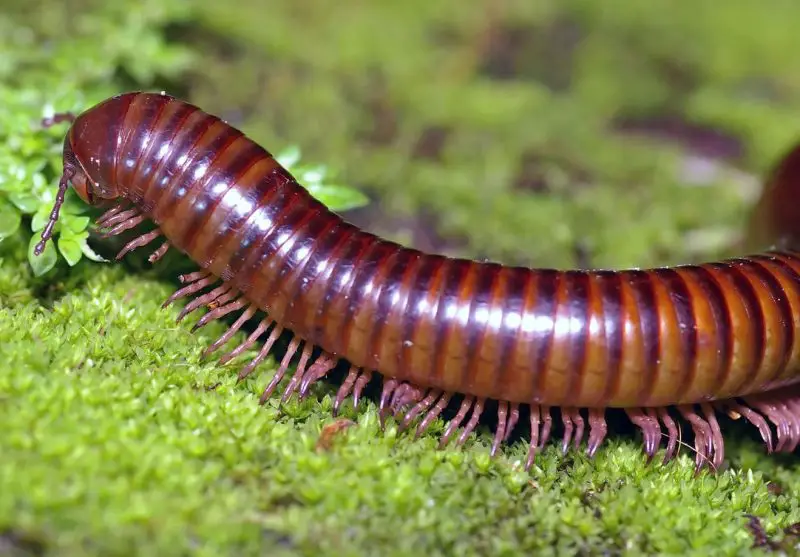
Florida is famous for its wildlife. People expect alligators, snakes, spiders, fire ants, scorpions, mosquitoes, and countless strange creatures that surprise newcomers and long-time residents alike. But there is one group of small crawling animals most people overlook completely. They are quiet. They move slowly. They rarely draw attention. Yet they can cause surprisingly painful and uncomfortable reactions when touched — Florida’s venomous millipedes.
Most residents walk past them every day without even noticing. They live in yards, gardens, forests, parks, porches, and even near front doors. They curl tightly into spirals when disturbed. They look harmless. Many children pick them up out of curiosity. Some adults brush them away with bare hands. That innocent action can quickly turn into burning skin, painful irritation, chemical burns, and eye damage if the secretions reach sensitive areas.
Florida is home to several millipede species capable of releasing irritating, caustic, and toxic defensive chemicals. They are not aggressive. They do not chase people. They do not bite like spiders or sting like scorpions. But they defend themselves powerfully when handled or squeezed. Their defense is so effective that predators learn quickly to leave them alone. Humans learn too — usually after feeling painful burning they never expected from such a small creature.
This detailed guide explains everything Florida residents should know about venomous millipedes. What they are. Where they live. Why they are dangerous to touch. Who is most at risk. What reactions feel like. What to do if exposed. When they appear most often. And how to avoid painful mistakes while still respecting Florida’s natural world.
Table of Contents
- 1 What Exactly Are Florida Millipedes?
- 2 Do Florida Millipedes Really Have “Venom”?
- 3 What Do Florida Venomous Millipedes Look Like?
- 4 Where Do Venomous Millipedes Live in Florida?
- 5 Why Florida Residents Rarely Notice Them
- 6 Why Their Chemical Defense Hurts So Much
- 7 What Reactions Feel Like
- 8 What To Do If Exposed to a Millipede’s Venom
- 9 Are Pets in Florida at Risk?
- 10 Are Millipedes Aggressive?
- 11 When Are Venomous Millipedes Most Active in Florida?
- 12 Where Florida Residents Most Often Encounter Them
- 13 Do Millipedes Invade Florida Homes?
- 14 Are Millipedes Beneficial?
- 15 Common Myths About Florida Millipedes
- 16 Why So Many Residents Never Realize the Risk Until Too Late
- 17 How To Avoid Painful Encounters in Florida
- 18 Why Fear Makes Things Worse
- 19 The Reality Florida Residents Should Accept
- 20 FAQs About Venomous Millipedes in Florida
- 21 Final Thoughts
What Exactly Are Florida Millipedes?
Millipedes are long, multi-segmented arthropods with many pairs of tiny legs. Their bodies are divided into many sections, giving them their distinctive “moving ripple” motion as they crawl. Unlike centipedes, which are fast predators with venomous fangs, millipedes are slow detritus-feeders that prefer to stay hidden and avoid confrontation.
They are not insects. They belong to a unique arthropod group. Most millipedes in Florida are dark brown or black, cylindrical, and slow-moving. When threatened, they curl into tight spirals to protect their vulnerable underside. While centipedes actively bite, millipedes defend passively — by releasing chemical toxins from pores along their bodies.
Those chemicals are what cause the pain, not a bite. And those chemicals are exactly why people need to respect them.
Do Florida Millipedes Really Have “Venom”?
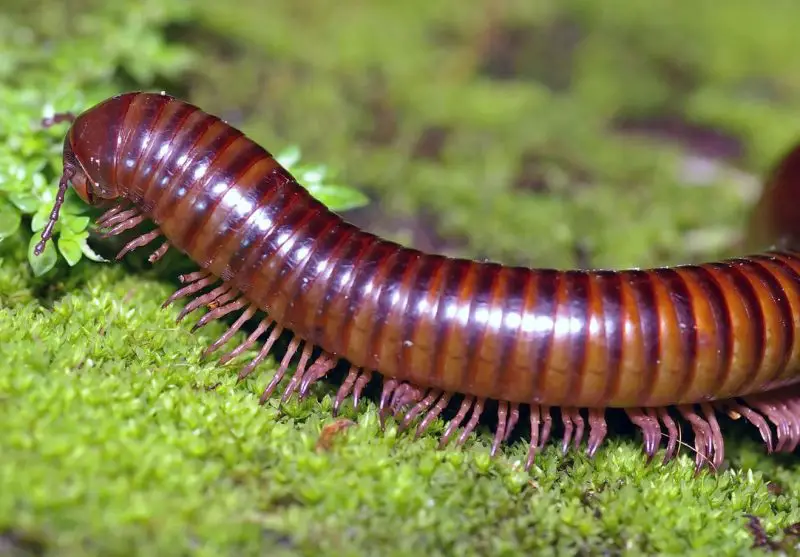
Technically, millipedes do not inject venom like snakes, spiders, or scorpions. Instead, they produce defensive toxins classified as venomous secretions because they can harm skin, eyes, and sometimes internal tissues.
Many Florida millipedes release chemicals such as:
• hydrogen cyanide compounds
• benzoquinones (Most common)
• irritating acids
• caustic fluids
These chemicals are powerful enough to:
• burn skin
• cause blisters
• stain skin deep brown or black
• trigger allergic reactions
• damage eyes
So while millipedes are not venomous in the “biting and injecting” sense, they are absolutely venomous in their defensive chemistry, and the harm they cause is real.
What Do Florida Venomous Millipedes Look Like?
Different species exist in Florida, but most residents encounter:
• long, cylindrical bodies
• dozens of segments
• many pairs of legs
• brown, black, or dark reddish coloration
• slow, deliberate movement
• defensive curling posture when disturbed
Some species are quite large. Florida’s giant millipede species can grow several inches long, startling unsuspecting homeowners when they emerge after rain. Their size often makes people want to pick them up, either out of curiosity or to remove them. That is usually when painful accidents begin.
Where Do Venomous Millipedes Live in Florida?
Florida provides perfect millipede habitat. Warm temperatures, moisture, and endless organic matter make survival easy. They thrive in:
• backyards
• flower beds
• mulch
• under rocks
• beneath logs
• around porches
• near sidewalks and patios
• forests and parks
• shaded moist soil
They love moisture. After heavy rain, residents may see large numbers climbing walls, crawling across driveways, or wandering patios. During dry periods, they retreat underground or into shaded areas.
They live everywhere in Florida. Rural areas, suburbs, and cities all see them regularly. Most of the time, people simply never notice how common they really are.
Why Florida Residents Rarely Notice Them
There are three main reasons.
First, millipedes are mostly nocturnal. They move more at night when humidity increases and temperatures cool. Many come out after rainstorms or sunset, then disappear again by morning.
Second, they are quiet and slow. They do not buzz, jump, run, or attack. They simply crawl calmly, minding their business. People do not instinctively fear them like faster, more threatening insects.
Third, their camouflage works well. They blend with soil, mulch, bark, and yard debris. Homeowners often see them only when sweeping porches, gardening, lifting rocks, or grabbing lawn tools.
By the time someone notices them, they usually have already touched them. That is when things become painful.
Why Their Chemical Defense Hurts So Much
Millipedes evolved in a dangerous world full of predators. Birds, mammals, reptiles, amphibians, and insects all wanted to eat them. Since they cannot run fast or fight back, their best defense is chemical warfare.
When threatened or squeezed, they release liquid toxins from special glands along their bodies. That toxic liquid:
• burns
• blisters
• irritates skin deeply
• leaves dark stains that may take days to fade
The body reacts strongly. Skin may feel like it is on fire. Some describe it as a burning chemical sensation stronger than an ant bite but different from a wasp sting.
If toxin gets into the eyes, intense pain, swelling, and risk of serious injury follow. Eye exposure is one of the most dangerous situations, especially for children.
What Reactions Feel Like
Most Florida residents who get exposed experience:
• burning pain
• itching
• redness
• swelling
• skin stains
• blistering in some cases
Pain can last minutes to hours. Stains may remain for days. Severe reactions may last longer. Sensitive skin reacts more strongly. Children often react worse than adults.
In rare cases, more serious symptoms may appear:
• nausea
• dizziness
• difficulty breathing (allergic reaction)
• eye injury if toxin entered eyes
Exposure deserves immediate attention. Ignoring it only makes things worse.
What To Do If Exposed to a Millipede’s Venom
Staying calm and acting quickly helps. Do the following immediately:
Wash the affected skin thoroughly with soap and water.
Avoid rubbing the area harshly. Rubbing spreads toxins.
Use cold compresses to reduce burning and swelling.
Apply anti-itch creams or antihistamines if needed.
If skin blisters, do not pop them. Keep the area clean.
Seek medical attention if you experience:
• intense swelling
• persistent worsening pain
• signs of allergic reaction
• widespread rash
• children reacting strongly
• toxins contact the eyes
Eye exposure is urgent. Flush eyes with plenty of clean water and seek medical care immediately.
Are Pets in Florida at Risk?
Yes, especially dogs. Curious pets may sniff or bite millipedes. When toxins contact their nose, mouth, or eyes, painful reactions can follow. Most symptoms in pets include:
• drooling
• pawing at face
• swelling
• eye irritation
• discomfort and whining
Veterinary care may be needed depending on severity. Keeping pets supervised during wet, humid days when millipedes are most active can help.
Are Millipedes Aggressive?
No. They want nothing to do with conflict. They do not bite humans. They do not sting. They simply defend themselves.
They release toxin only when:
• picked up
• squeezed
• stepped on
• handled roughly
• threatened
Most injuries happen because someone made direct contact. Simply leaving them alone prevents almost every painful situation.
When Are Venomous Millipedes Most Active in Florida?
Florida’s warm climate allows year-round millipede activity, especially in central and southern regions. But they are especially noticeable:
• after rainfall
• during warm humid nights
• spring and summer
• during seasonal population booms
Residents often see huge numbers wandering patios and walls following storms. That is normal behavior. It usually does not last long.
Where Florida Residents Most Often Encounter Them
Common encounter locations include:
• patios
• porches
• garages
• sidewalks
• bathrooms during moist weather
• gardens
• parks
Many people accidentally step on them barefoot. Others grab them while sweeping debris. Children pick them up out of curiosity. Gardeners find them under pots or mulch. Those situations lead directly to toxin exposure.
Do Millipedes Invade Florida Homes?
Sometimes. During extremely wet or dry conditions, millipedes may wander into houses searching for shelter. They usually die quickly indoors because they need moisture. They do not infest homes or cause structural damage.
If they enter, sweep or vacuum them gently — never pick them up with bare hands.
Are Millipedes Beneficial?
Yes. They help break down organic matter. They recycle nutrients into soil. They contribute to healthy ecosystems. Killing them unnecessarily harms natural balance.
Respect is better than fear. Awareness is better than pain.
Common Myths About Florida Millipedes
Myth: They bite like centipedes.
Truth: They do not bite. Their danger comes from chemical defense.
Myth: They are harmless because they move slowly.
Truth: Their toxins cause painful burns and reactions.
Myth: Only large ones are dangerous.
Truth: Even small species can irritate skin.
Myth: Children can handle them safely.
Truth: Children are at high risk of painful injuries.
Replacing myths with facts prevents painful surprises.
Why So Many Residents Never Realize the Risk Until Too Late
Millipedes look harmless. They seem calm. They move slowly. They appear safe to touch. People trust appearances. Only after the burning pain begins do they realize the truth — Florida wildlife always deserves respect.
Many stories sound the same.
A child picked one up.
A gardener brushed one aside.
Someone swept one off the porch with bare hands.
Suddenly the burning started.
Awareness is powerful.
How To Avoid Painful Encounters in Florida
Complete avoidance is impossible in a state as wild as Florida. But residents can dramatically reduce risk with smart habits. Here are useful numbered tips that genuinely help:
-
Do not pick up millipedes with bare hands, no matter how harmless they look.
-
Teach children never to handle crawling wildlife without adult guidance.
-
Wear gloves when gardening, lifting rocks, or handling mulch.
-
Avoid rubbing your eyes after touching outdoor surfaces until you wash your hands.
-
Simply leave millipedes alone and let them move naturally.
These simple choices prevent nearly every bad experience.
Why Fear Makes Things Worse
Fear causes people to stomp, crush, or grab millipedes. That forces toxins out. Calm behavior works better. Sweep gently. Wash hands. Move away. Respect wildlife instead of reacting emotionally.
Florida teaches an important lesson — nature is beautiful, but it demands respect.
The Reality Florida Residents Should Accept
Venomous millipedes in Florida are:
small, but capable of causing serious burning
common, even when residents rarely notice them
defensive, not aggressive
important parts of Florida ecosystems
Living in Florida means sharing space with wildlife, both obvious and hidden. These tiny creatures remind us that danger does not always roar, rattle, or strike quickly. Sometimes it crawls silently across the patio. Sometimes it hides in mulch. Sometimes it curls up peacefully until someone reaches out.
Knowledge keeps everyone safe.
FAQs About Venomous Millipedes in Florida
Are millipedes in Florida dangerous?
Yes. They can release toxins that cause painful burns, rash, swelling, and eye injuries.
Do they bite?
No. They do not bite humans. Their danger comes from defensive secretions.
Where are they found?
Gardens, yards, porches, forests, parks, mulch, and anywhere moist and shaded.
Who is most at risk?
Children, gardeners, barefoot walkers, and curious individuals who pick them up.
What should you do if exposed?
Wash skin with soap and water, use cold compresses, and seek medical help if severe.
Are pets affected?
Yes. Dogs especially may react painfully if toxins contact mouth or eyes.
Should people kill them?
No. They are beneficial decomposers. Leaving them alone is best.
Final Thoughts
Venomous millipedes in Florida are one of those surprising realities people rarely think about until they experience them. Small. Silent. Easily ignored. Yet powerful when disrespected. They remind us that Florida’s wildlife comes in all shapes and sizes, and danger does not always look dangerous.
Floridians do not need fear to stay safe. Awareness, respect, and simple caution work far better. Teach children. Protect pets. Wear gloves in the garden. Avoid handling unknown creatures. Appreciate wildlife from a distance.
With knowledge, painful surprises disappear, and millipedes become what they truly are — fascinating, humble workers of the natural world, quietly recycling Florida’s forests and landscapes, deserving of respect and careful awareness every time we share space with them.