
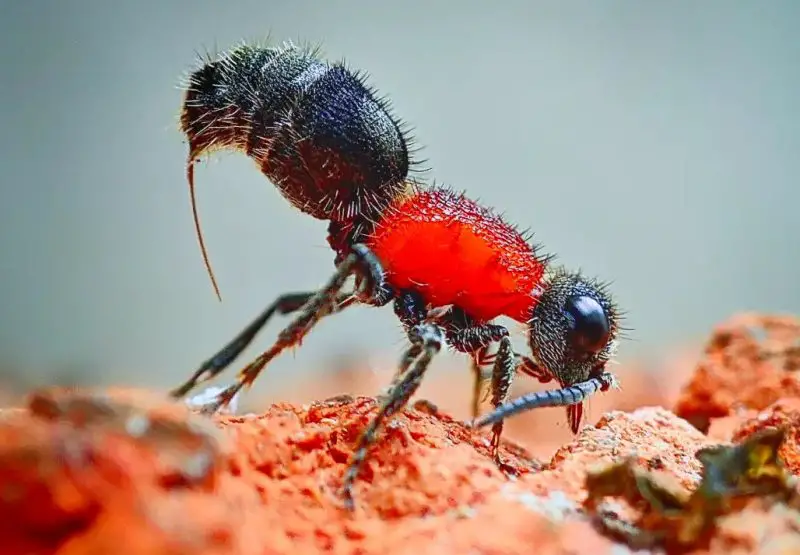
In many parts of Texas, people encounter an insect that immediately raises alarm. Bright red or orange. Covered in dense hair. Slow-moving but bold. It looks like an ant, yet far larger than any ant most people recognize.
Then comes the warning.
Stories circulate quickly. Extreme pain. Lasting burns. Unforgettable stings. Some even call it the most painful insect sting in Texas.
The velvet ant has earned its reputation honestly. The pain associated with its sting is real, intense, and memorable. But the reason behind that pain is not aggression, danger, or venom quantity alone. It is the result of biology, evolution, and the unique conditions found across Texas landscapes.
Understanding why velvet ant stings hurt so much requires separating myth from mechanism and fear from function.
Table of Contents
- 1 Velvet Ants Are Not Ants at All
- 2 Texas Is Prime Habitat for Velvet Ants
- 3 Velvet Ant Stings Are Defensive, Not Aggressive
- 4 Why the Pain Is So Intense
- 5 Pain Over Damage Is the Strategy
- 6 The Schmidt Sting Pain Index Explains the Reputation
- 7 Why Texas Velvet Ants Feel Especially Painful
- 8 Bright Colors Are a Warning, Not Decoration
- 9 Thick Exoskeleton Adds to Survival
- 10 Why the Sting Lasts Longer Than Expected
- 11 Velvet Ants Are Solitary
- 12 Why They Are Sometimes Called “Cow Killers”
- 13 Why Stings Often Happen by Accident
- 14 Are Velvet Ant Stings Dangerous?
- 15 Why Children and Pets Are at Higher Risk
- 16 Why Killing Velvet Ants Is Discouraged
- 17 What to Do If Stung
- 18 Why Memory of the Sting Lingers
- 19 Why Texas Has So Many Stories About Velvet Ants
- 20 Misidentification Increases Fear
- 21 Velvet Ants Are Not Invaders
- 22 What Not to Do When You See One
- 23 FAQs About Velvet Ant Stings in Texas
- 23.1 Why are velvet ant stings considered so painful?
- 23.2 Can velvet ants sting multiple times?
- 23.3 Are velvet ant stings dangerous to humans?
- 23.4 Why are they common in Texas?
- 23.5 Do velvet ants attack?
- 23.6 Should I kill velvet ants near my home?
- 23.7 Are velvet ants ants or wasps?
- 23.8 How long does the pain last?
- 24 Conclusion
Velvet Ants Are Not Ants at All
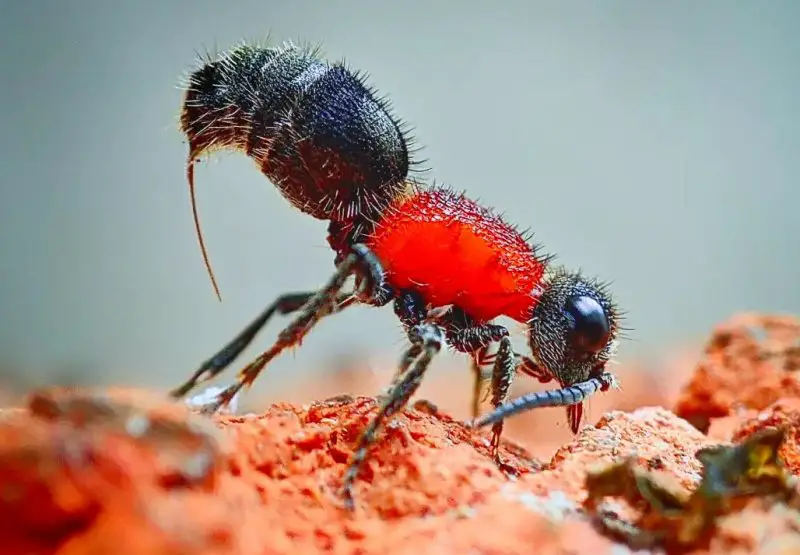
Despite the name, velvet ants are not true ants.
They are a type of wasp. Specifically, they belong to the family Mutillidae. The females are wingless, which makes them resemble oversized ants as they move across the ground.
Males have wings and are rarely noticed. Females are the ones people encounter, and they are the ones capable of delivering a sting.
This distinction matters because wasp stings are biologically different from ant bites or stings.
Texas Is Prime Habitat for Velvet Ants
Texas hosts a wide range of velvet ant species. Dry grasslands, sandy soils, open woodlands, desert edges, and suburban areas all support their life cycle.
Warm temperatures extend their active season. Loose soil allows nesting behavior. Abundant ground-nesting insects provide hosts for reproduction.
As a result, Texans encounter velvet ants more often than residents of many other states.
More encounters mean more stories, and more stories reinforce the insect’s reputation.
Velvet Ant Stings Are Defensive, Not Aggressive
Velvet ants do not hunt people. They do not chase. They do not swarm.
They sting only when handled, trapped, or stepped on.
Most stings occur when someone attempts to pick one up, brushes against one unknowingly, or presses it against skin.
The intensity of the sting is a defense mechanism, not a sign of hostility.
Why the Pain Is So Intense
Velvet ant venom is designed to deter predators quickly and decisively.
Unlike insects that rely on repeated stings or group attacks, velvet ants depend on a single, unforgettable experience. One sting is meant to teach a predator to never try again.
The venom affects nerve endings directly. It causes immediate, sharp pain that radiates from the sting site.
The pain peaks quickly and can linger for hours.
Pain Over Damage Is the Strategy
One reason velvet ant stings are infamous is that the pain far outweighs the physical damage.
There is minimal tissue destruction. Swelling is often limited. Serious medical complications are rare.
But the pain signal sent to the brain is overwhelming.
Evolution favored pain because pain travels faster than injury. A predator that feels intense pain instantly drops the insect and learns avoidance.
The Schmidt Sting Pain Index Explains the Reputation
The velvet ant’s sting ranks near the top of the Schmidt Sting Pain Index, a scale developed to compare insect sting pain.
On this scale, velvet ant stings are described as extreme and immediate. The comparison often used is “like walking across hot coals with a nail in your heel.”
This ranking is based on human experience, not toxicity.
That distinction matters.
Why Texas Velvet Ants Feel Especially Painful
While velvet ants exist in other states, Texas conditions amplify encounters.
Heat increases nerve sensitivity. Sweat opens skin pores. Barefoot or lightly clothed activity increases exposure.
Many Texans encounter velvet ants while outdoors in sandals, working in yards, or hiking dry trails.
The combination of environment and lifestyle increases sting likelihood and perceived intensity.
Bright Colors Are a Warning, Not Decoration
Velvet ants are brightly colored for a reason.
Red, orange, and black patterns signal danger to predators. This is called aposematic coloration.
The color advertises pain.
Predators that ignore the warning learn quickly. Those that learn survive to avoid future encounters.
Humans, however, often interpret bright colors as curiosity triggers rather than warnings.
Thick Exoskeleton Adds to Survival
Velvet ants have an unusually thick exoskeleton.
This makes them difficult to crush or kill. Predators that attempt to bite or grab them often fail.
When physical defense fails, chemical defense takes over.
The sting is the final deterrent.
Why the Sting Lasts Longer Than Expected
Velvet ant venom is not designed to incapacitate prey. It is designed to create a lasting memory.
The pain may subside slowly rather than fading quickly. Burning, throbbing, or sharp sensations can persist.
This prolongation reinforces avoidance.
For predators, that lesson is crucial.
Velvet Ants Are Solitary
Unlike social wasps, velvet ants do not live in colonies.
There is no nest to defend. No queen to protect. No workers to coordinate attacks.
This means each individual must be fully capable of self-defense.
The sting compensates for isolation.
Why They Are Sometimes Called “Cow Killers”
In Texas, velvet ants are often nicknamed “cow killers.”
This name is misleading. They do not kill cows or large animals.
The nickname reflects the perceived intensity of the sting rather than actual danger.
The pain feels disproportionate to the insect’s size, fueling exaggeration and myth.
Why Stings Often Happen by Accident
Velvet ants move slowly and deliberately.
People step on them barefoot. They kneel on them while gardening. They grab them thinking they are harmless.
The sting occurs when the insect is pinned or pressed against skin.
Avoidance is usually enough to prevent stings.
Are Velvet Ant Stings Dangerous?
For most people, no.
The pain is severe but temporary. Allergic reactions are rare. Systemic toxicity is extremely uncommon.
Medical attention is only necessary if symptoms escalate beyond pain, such as difficulty breathing or widespread swelling.
Fear often exceeds risk.
Why Children and Pets Are at Higher Risk
Children are curious. Pets investigate with mouths and paws.
Velvet ants do not run away quickly. This increases interaction risk.
Teaching avoidance and recognition reduces incidents.
Why Killing Velvet Ants Is Discouraged
Velvet ants play ecological roles.
They parasitize other insects, helping regulate populations. They serve as prey for specialized predators that can tolerate the sting.
Killing them removes balance without reducing risk.
Avoidance works better than elimination.
What to Do If Stung
Wash the area gently. Apply cold compresses. Avoid scratching.
Pain relief may include over-the-counter treatments, but time is the primary factor.
The pain fades even if slowly.
Why Memory of the Sting Lingers
The brain records pain strongly when it is sudden and intense.
Velvet ant stings leave a psychological imprint. People remember the experience vividly.
That memory contributes to the insect’s reputation more than numbers or statistics.
Why Texas Has So Many Stories About Velvet Ants
Texas has space, heat, and people outdoors year-round.
More interactions lead to more anecdotes. More anecdotes create cultural memory.
The velvet ant becomes part of regional folklore.
Misidentification Increases Fear
Many harmless insects are mistaken for velvet ants.
This leads to overestimation of sting frequency and danger.
Correct identification helps reduce unnecessary fear.
Velvet Ants Are Not Invaders
They are native insects adapted to Texas environments.
They are not spreading unnaturally. They are not increasing aggression.
They have always been there.
What Not to Do When You See One
Do not pick it up. Do not stomp barefoot. Do not panic.
Give it space.
That is enough.
FAQs About Velvet Ant Stings in Texas
Why are velvet ant stings considered so painful?
Their venom targets nerve endings directly, producing intense pain without causing major tissue damage.
Can velvet ants sting multiple times?
Yes. Female velvet ants can sting repeatedly if threatened.
Are velvet ant stings dangerous to humans?
Usually no. The pain is severe, but serious complications are rare.
Why are they common in Texas?
Texas offers ideal climate, soil, and prey for velvet ant life cycles.
Do velvet ants attack?
No. They sting only in defense when handled or trapped.
Should I kill velvet ants near my home?
No. Avoidance is safer and more effective than killing.
Are velvet ants ants or wasps?
They are wasps, despite their ant-like appearance.
How long does the pain last?
Pain may last from minutes to hours, gradually fading without lasting harm.
Conclusion
Velvet ant stings are among the most painful in Texas not because the insects are aggressive or dangerous, but because pain is their primary survival tool.
In a state where heat, open ground, and outdoor activity bring people close to wildlife, encounters are inevitable. The velvet ant’s sting delivers a lesson, not a threat.
Once understood, fear gives way to respect.
The pain is real. The danger is not.