
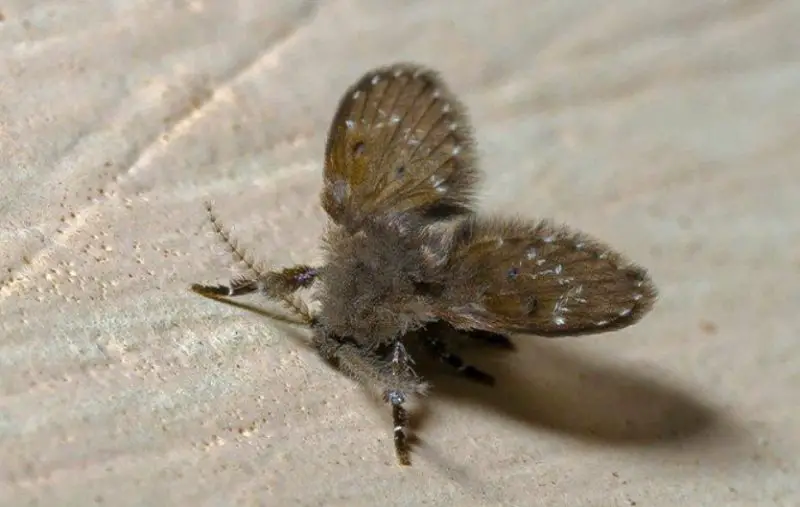
You notice them suddenly. Tiny flies hovering near the sink. A few resting on bathroom tiles. Some flying up when you turn on the light. At first it seems minor, but then they keep appearing day after day, often near the drain. Many homeowners across Colorado experience this exact situation, especially during seasonal weather shifts or after plumbing changes.
These small insects are usually drain flies, fungus gnats, or similar moisture-loving species. They thrive in environments with organic buildup, humidity, and stable temperatures. Bathrooms provide ideal conditions, even in Colorado’s generally dry climate. Understanding why they appear, what attracts them, and how to prevent them helps eliminate the problem effectively.
This guide explains the science behind drain fly activity in Colorado homes, environmental factors, plumbing conditions, seasonal influences, and proven prevention strategies.
Table of Contents
- 1 What These Tiny Bathroom Flies Usually Are
- 2 Why Bathroom Drains Attract Flies in Colorado
- 3 Why the Problem Seems Sudden
- 4 Colorado Climate Factors That Contribute
- 5 Are These Flies Harmful?
- 6 Signs Flies Are Breeding in Drains
- 7 How to Eliminate Drain Flies Effectively
- 8 Preventing Future Infestations
- 9 When Professional Help Is Needed
- 10 Long-Term Outlook for Colorado Homes
- 11 FAQs About Tiny Flies in Colorado Bathroom Drains
- 12 Conclusion
What These Tiny Bathroom Flies Usually Are
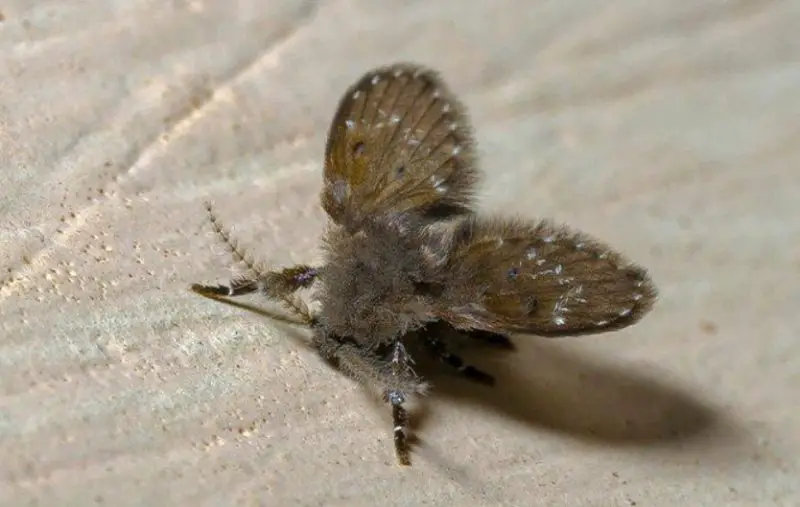
Drain flies (moth flies)
The most common tiny insects emerging from bathroom drains are drain flies, often called moth flies because of their fuzzy wings and fluttering flight pattern. They are small, usually gray or tan, with wings that appear heart-shaped or triangular when at rest. Their bodies are covered in fine hairs, giving them a dusty appearance. Unlike fruit flies, they are weak fliers and tend to hop or flutter short distances rather than flying quickly across a room.
Drain flies breed inside the slimy organic film that develops along the inner walls of plumbing pipes. This gelatinous layer forms gradually from soap residue, skin cells, hair, oils, toothpaste particles, and naturally occurring bacteria. Over time, this biofilm becomes a nutrient-rich breeding site where eggs are laid and larvae develop safely away from light.
Because bathroom drains are used frequently and remain damp, they provide nearly ideal conditions for drain flies. Even in homes that appear spotless, the hidden interior of pipes can support a surprisingly stable insect population.
Fungus gnats
Fungus gnats are another possibility when small flies appear in bathrooms. These slender, dark-colored flies resemble tiny mosquitoes and are commonly associated with damp soil. They feed primarily on fungi and organic matter that develop in moist environments.
In bathrooms, fungus gnats may originate from overwatered houseplants placed near sinks or windows. They can also develop in areas where persistent moisture encourages mold growth, such as under sinks, behind walls with minor leaks, or in damp organic debris that collects in drains.
Although they are more often seen around indoor plants, fungus gnats can use bathroom drains as secondary breeding sites if organic buildup and moisture are present. Identifying the exact species helps determine whether plant care or plumbing maintenance should be the primary focus.
Fruit flies and similar species
Occasionally, fruit flies or other small flies may appear near bathroom drains. While they are more commonly associated with kitchen environments, bathrooms can sometimes provide suitable breeding conditions. Certain personal care products, including shampoos and body washes, may leave trace residues that contain sugars or organic compounds attractive to these insects.
If sugary substances accumulate inside the drain and combine with moisture, fruit flies may lay eggs in that environment. However, this scenario is less common than typical drain fly infestations.
Correct identification is important because fruit flies respond differently to treatment methods than drain flies or fungus gnats.
Why Bathroom Drains Attract Flies in Colorado
Organic buildup inside pipes
Daily bathroom activities naturally create organic buildup inside drains. Soap scum mixes with skin oils, hair, toothpaste residue, and bacteria, gradually forming a thin but persistent coating on pipe walls. Over time, this buildup thickens and becomes an ideal environment for insect eggs and larvae.
To the human eye, the sink or shower may look clean, but the interior of the drain tells a different story. The dark, moist, nutrient-rich layer hidden inside pipes offers protection and food for developing insects.
Because this biofilm forms slowly, many homeowners are unaware of its presence until adult flies begin emerging.
Persistent moisture
Colorado is widely known for its dry climate, especially in high-elevation regions. However, indoor plumbing creates pockets of localized humidity regardless of outdoor conditions. Bathroom drains remain consistently damp due to frequent water use.
Larvae require moisture to survive and cannot develop in dry conditions. The constant presence of water inside pipes ensures that breeding areas rarely dry out completely.
This localized dampness overrides the surrounding dry air, making drains one of the few reliably humid areas inside many Colorado homes.
Warm indoor temperatures
During Colorado winters, indoor heating systems maintain stable, comfortable temperatures. Warm air circulating through the home also warms plumbing areas behind walls and beneath floors.
Stable warmth speeds up insect development. Eggs hatch faster, larvae mature more quickly, and adult populations increase in a shorter time frame.
Because bathrooms combine warmth and moisture, they create year-round breeding zones even when outdoor conditions are harsh.
Why the Problem Seems Sudden
Hidden breeding cycles
Drain flies and similar species often reproduce quietly inside pipes for several weeks before adults become visible. During this time, larvae remain hidden in the organic film, feeding and growing out of sight.
Once they reach adulthood, they begin emerging from drains, often all at once. This sudden appearance creates the impression of an overnight infestation.
In reality, the breeding process likely began weeks earlier without detection.
Seasonal environmental changes
Colorado experiences significant seasonal variation. Snowmelt in spring increases soil moisture around foundations, while summer irrigation systems raise humidity levels near homes. In winter, indoor heating changes airflow patterns and temperature gradients.
These environmental shifts can alter indoor humidity levels just enough to stimulate insect development. Slight increases in moisture may accelerate breeding cycles, leading to visible fly activity.
Seasonal transitions frequently coincide with the onset of noticeable infestations.
Plumbing disturbances
Drain cleaning, pipe repairs, or renovations may disturb hidden breeding material. When organic buildup is partially loosened but not fully removed, larvae may emerge more rapidly.
Even simple changes in water flow or the installation of new fixtures can disrupt the environment inside pipes. This disturbance sometimes pushes adult flies into living spaces.
What appears to be a new infestation may simply be an exposed existing population.
Colorado Climate Factors That Contribute
Dry outdoor climate, moist indoor spaces
The contrast between Colorado’s dry outdoor air and the moist environment inside drains creates concentrated insect habitats. Insects gravitate toward the few places where moisture remains stable.
Bathrooms essentially become artificial microclimates within otherwise arid homes. These localized damp zones provide exactly what drain flies require.
This contrast explains why infestations can occur even in regions with low overall humidity.
Snowmelt and irrigation effects
Spring snowmelt increases moisture around building foundations and crawl spaces. Lawn irrigation during warmer months can also raise soil humidity near exterior walls.
Moisture can migrate into basements or plumbing voids, subtly increasing indoor humidity levels. Even minor changes may enhance breeding conditions inside drains.
Flies respond quickly to such environmental shifts.
Winter indoor heating
Heating systems lower overall indoor humidity but maintain warmth in plumbing areas. While the air may feel dry, drain interiors remain damp and warm.
This combination supports continuous reproduction even when outdoor temperatures drop significantly.
Heating patterns influence insect life cycles more than many homeowners realize.
Are These Flies Harmful?
Generally not dangerous
Drain flies, fungus gnats, and fruit flies do not bite or spread serious diseases. They are considered nuisance pests rather than health threats.
However, their presence indicates organic buildup or excess moisture that should be addressed. Maintaining plumbing hygiene benefits both comfort and sanitation.
Potential sanitation concerns
Large numbers of flies suggest significant biofilm accumulation inside pipes. If left untreated, this buildup can contribute to unpleasant odors or slow drainage.
Addressing the root cause improves overall plumbing performance and cleanliness.
Prevention reduces both insect populations and potential maintenance issues.
Psychological annoyance
Even harmless insects can cause discomfort or frustration when they appear repeatedly. Seeing small flies hovering around a sink may create anxiety about cleanliness or health.
Understanding that the problem is environmental rather than dangerous helps reduce stress and encourages practical solutions.
Signs Flies Are Breeding in Drains
Activity concentrated near drains
If flies consistently hover around sinks, bathtubs, or shower drains, the breeding source is likely nearby. Nighttime sightings are especially common.
Turning on the light and observing insects emerging from drain openings strongly suggests internal pipe breeding.
Slimy drain film
A flashlight inspection may reveal a slimy, dark film lining the drain interior. This biofilm serves as a breeding habitat for larvae.
Removing this layer is essential to eliminating the infestation.
Reappearance after cleaning
If flies disappear temporarily after surface cleaning but return within days, the underlying organic buildup likely remains intact.
Persistent recurrence signals incomplete removal of breeding material.
How to Eliminate Drain Flies Effectively
Mechanical cleaning first
Physically scrubbing the inside of drains is the most important step. A long brush designed for pipe cleaning can remove the gelatinous film where eggs and larvae develop.
Chemical treatments alone may not penetrate the full thickness of the buildup. Manual removal disrupts the breeding cycle directly.
Hot water flushing
Pouring hot water down drains helps loosen organic residue and reduce bacterial growth. While not sufficient on its own, it supports overall maintenance.
Consistent flushing prevents reaccumulation between deep cleanings.
Enzyme-based cleaners
Enzyme-based drain treatments break down organic matter gradually and safely. These cleaners target the biological material larvae feed on.
Regular use can help maintain clean pipes and discourage future infestations without harsh chemicals.
Preventing Future Infestations
Regular drain maintenance
Monthly cleaning reduces buildup before it becomes severe. Preventive maintenance is easier than addressing established infestations.
Routine care keeps insect populations under control.
Fix leaks promptly
Even minor plumbing leaks create additional moisture. Repairing drips under sinks or around fixtures limits habitat suitability.
Dry conditions discourage reproduction.
Improve ventilation
Using exhaust fans during and after showers reduces condensation and humidity levels. Proper airflow supports a drier environment overall.
Improved ventilation limits breeding opportunities.
When Professional Help Is Needed
Persistent infestations
If flies continue despite thorough cleaning, hidden plumbing issues may exist. Cracked pipes, sewer line problems, or concealed moisture sources may require professional evaluation.
Early intervention prevents long-term damage.
Structural moisture concerns
Chronic dampness may indicate foundation drainage problems or ventilation deficiencies. Professional inspection ensures comprehensive solutions.
Integrated repairs address both insect control and structural integrity.
Long-Term Outlook for Colorado Homes
Manageable with routine care
Drain fly infestations are typically manageable with consistent cleaning and moisture control. They rarely escalate when environmental conditions are corrected.
Environmental management remains the most effective strategy.
Awareness reduces recurrence
Understanding why tiny flies appear helps homeowners respond proactively rather than reactively. Recognizing early warning signs allows quick intervention before populations grow.
With proper maintenance and awareness, most Colorado homeowners can eliminate and prevent recurring drain fly issues successfully.
FAQs About Tiny Flies in Colorado Bathroom Drains
Are these flies dangerous?
Generally no, but they indicate moisture or organic buildup.
Do they bite?
No.
Why do they keep coming back?
Incomplete removal of breeding material.
Are they seasonal?
Often increase during moisture changes.
Should I use insecticide?
Usually unnecessary.
Can dry climate prevent them?
Indoor plumbing moisture overrides outdoor dryness.
How fast do they reproduce?
Life cycles can be as short as one to three weeks.
Are they common in Colorado?
Yes, especially in homes with older plumbing or moisture issues.
Can plants cause them?
Sometimes fungus gnats originate from overwatered plants.
Will they disappear naturally?
Only if breeding conditions are removed.
Conclusion
Tiny flies emerging from bathroom drains in Colorado typically result from organic buildup, moisture stability, and indoor temperature conditions rather than outdoor climate alone. Even in dry regions, plumbing creates localized environments ideal for these insects.
Although they are generally harmless, their presence signals conditions worth addressing. Regular cleaning, moisture control, ventilation improvement, and prompt plumbing maintenance usually eliminate the problem effectively.
Understanding the causes transforms an annoying mystery into a manageable household issue.