
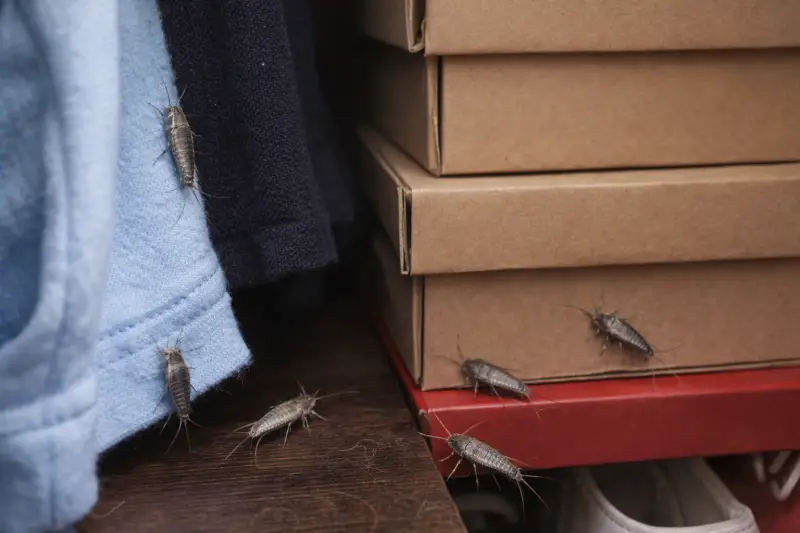
Silverfish showing up in closets can be surprising, especially in a state like Colorado where the climate is often dry. Many homeowners expect pests to appear in kitchens or bathrooms, not tucked away among clothing, shoes, and storage boxes. Yet closets offer exactly what these ancient insects seek: darkness, shelter, and hidden food sources.
Although silverfish are harmless to humans, their presence often signals underlying environmental conditions inside a home. They rarely appear randomly. Moisture patterns, stored materials, temperature fluctuations, and indoor airflow all influence whether closets become attractive habitats. Understanding these factors can help prevent repeated appearances.
Across Colorado, changing building styles, insulation methods, and seasonal humidity shifts contribute to this increasingly common issue. From mountain towns to urban suburbs, homeowners are noticing these quick, silvery insects darting along baseboards or inside storage spaces. Knowing why they appear is the key to managing them effectively.
Table of Contents
- 1 Understanding Silverfish Behavior
- 2 Colorado Climate and Its Role
- 3 Common Food Sources Found in Closets
- 4 Moisture Sources Inside Closets
- 5 Why Silverfish Prefer Dark Spaces
- 6 Signs Silverfish Are Active
- 7 Why Closets in Newer Homes Still Have Problems
- 8 Prevention Strategies for Colorado Homes
- 9 Storage Best Practices
- 10 Natural Deterrents and Environmental Control
- 11 When Infestations Persist
- 12 Psychological Impact of Closet Pests
- 13 Long-Term Outlook for Colorado Homes
- 14 FAQs About Silverfish in Colorado Closets
- 14.1 Are silverfish dangerous to humans?
- 14.2 Why are they appearing more often in Colorado?
- 14.3 Do they indicate a dirty home?
- 14.4 Can they survive Colorado winters indoors?
- 14.5 How quickly do they reproduce?
- 14.6 Will they go away on their own?
- 14.7 Are chemical treatments required?
- 14.8 Can they damage expensive clothing?
- 14.9 Do they spread to other rooms?
- 14.10 What is the best prevention method?
- 15 Conclusion
Understanding Silverfish Behavior
What Silverfish Are and How They Live
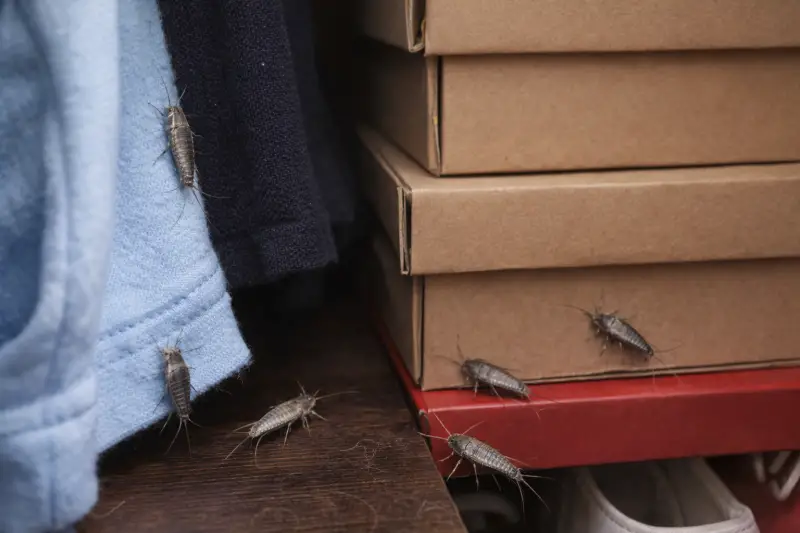
Silverfish are small, wingless insects recognized by their silvery scales, flattened bodies, and quick, fish-like movement. Despite their delicate appearance, they are extremely resilient creatures that have existed for hundreds of millions of years. This long evolutionary history explains why they adapt so well to indoor environments, including homes across Colorado. Their thin bodies allow them to slip into narrow cracks, baseboards, and closet corners where they remain hidden most of the time.
These insects are nocturnal by nature. During daylight hours, they stay concealed in dark, undisturbed areas to avoid predators and environmental stress. At night, they emerge to feed on materials rich in starches, cellulose, sugars, or proteins. Closets often contain cardboard boxes, clothing fibers, paper goods, dust, or stored items that provide exactly the nutrients silverfish need.
Unlike many other household pests, silverfish have relatively long lifespans. Some individuals can survive several years under favorable indoor conditions. Because they reproduce gradually but live longer, populations may remain unnoticed for extended periods before homeowners detect them.
Why Closets Appeal to Them
Closets naturally combine several conditions silverfish find attractive. Darkness offers protection from light exposure, which they instinctively avoid. Stored fabrics, books, cardboard boxes, and dust provide consistent food sources. Limited airflow helps maintain stable microclimates that may retain slight humidity even in Colorado’s otherwise dry homes.
Closets are also opened less frequently than kitchens, bathrooms, or living spaces. Reduced human activity means fewer disturbances, allowing silverfish to settle comfortably. Because they remain hidden most of the time, infestations can develop slowly without obvious warning signs. By the time insects are noticed, they may have been present for months.
This hidden stability explains why closets often become primary habitats rather than other more active areas of the home.
Colorado Climate and Its Role
Dry Air Doesn’t Eliminate Indoor Moisture
Colorado’s outdoor climate is generally dry, especially in many high-elevation regions. However, indoor conditions can differ significantly. Heating systems, insulation, and reduced ventilation sometimes trap small amounts of moisture inside walls, floors, or enclosed storage spaces.
Temperature differences between outdoor cold air and indoor heated air may produce condensation on surfaces such as exterior walls, pipes, or floors. Closets located along outside walls are especially susceptible. Even slight moisture retention can support silverfish survival because they require only minimal humidity.
This explains why homeowners in dry climates may still experience pest activity indoors. The indoor microenvironment matters more than outdoor humidity alone.
Seasonal Temperature Swings
Colorado experiences notable seasonal temperature variation. Winters often bring cold outdoor air paired with indoor heating, while summer thunderstorms can temporarily increase humidity. These fluctuations affect indoor moisture distribution.
Closets, especially enclosed ones, may trap pockets of slightly higher humidity compared with surrounding rooms. Silverfish respond quickly to these subtle changes. Some homeowners notice seasonal patterns, such as increased sightings during transitional months when indoor conditions shift.
Recognizing these seasonal influences helps explain why infestations may appear intermittently rather than continuously.
Elevation and Building Styles
High-altitude living frequently involves tightly sealed homes designed for energy efficiency. While this helps conserve heat and reduce energy costs, it can also limit natural airflow. Storage spaces like closets may become isolated microenvironments.
Limited ventilation combined with insulation sometimes produces stable, protected conditions that silverfish tolerate well. Even modern, well-maintained homes may inadvertently create suitable habitats without obvious moisture problems.
Understanding this relationship between building design and pest behavior helps homeowners adjust ventilation strategies if needed.
Common Food Sources Found in Closets
Fabric and Clothing Materials
Silverfish feed readily on natural fibers such as cotton, linen, silk, and wool. Starched fabrics are especially appealing because starch provides easily digestible carbohydrates. Clothing stored long-term without regular washing may accumulate residues that attract insects.
Even synthetic fabrics can gather dust, skin cells, and microscopic organic particles. These materials provide sufficient nutrition for silverfish survival. Closets storing seasonal or rarely worn clothing often become unnoticed feeding areas.
Regular inspection and cleaning of stored clothing can reduce food availability significantly.
Paper and Cardboard Storage
Closets commonly hold books, files, magazines, cardboard boxes, or packaging materials. Paper products contain cellulose, a primary silverfish food source. Adhesives used in book bindings or cardboard seams also attract them.
Over time, feeding damage may appear as irregular holes, yellowing, surface scraping, or frayed edges. These subtle signs sometimes go unnoticed until damage accumulates.
Proper storage methods help protect valuable documents and personal belongings.
Household Dust and Debris
Dust may seem insignificant, but it contains organic materials such as hair, skin flakes, food particles, and microscopic debris. Silverfish can survive on surprisingly small amounts of these substances.
Closets cleaned less frequently tend to accumulate dust more quickly. This steady supply of organic matter supports long-term survival even without obvious food sources.
Routine cleaning reduces this hidden nutrient base.
Moisture Sources Inside Closets
Hidden Condensation
Closets located along exterior walls sometimes experience slight condensation, particularly during winter months. Warm indoor air meeting colder surfaces creates moisture that may not be visible but remains present.
This subtle dampness is often enough to sustain silverfish populations. Because it is difficult to detect without close inspection, homeowners may not realize moisture exists until insects appear.
Monitoring temperature differences near exterior walls helps identify potential problem areas.
Plumbing Proximity
Closets near bathrooms, laundry rooms, or water heaters often experience slightly higher humidity. Minor leaks, pipe condensation, or appliance moisture can increase humidity levels in adjacent storage spaces.
Regular inspection of plumbing and nearby closets helps prevent unnoticed moisture accumulation. Early detection reduces the likelihood of pest establishment.
Stored Damp Items
Placing damp clothing, towels, shoes, or sports equipment inside closets introduces moisture. Without proper airflow, these items may take longer to dry completely.
Lingering humidity creates ideal conditions for silverfish. Ensuring items are fully dry before storage significantly reduces risk.
Why Silverfish Prefer Dark Spaces
Natural Instinct for Shelter
Silverfish evolved to inhabit protected environments such as crevices, under bark, or within natural debris. Closets mimic these natural shelters by providing darkness and protection.
Exposure to bright light often triggers immediate retreat. Many homeowners notice silverfish when turning on closet lights because insects scatter quickly.
This instinctive behavior reflects their long evolutionary adaptation to sheltered habitats.
Reduced Disturbance
Closets typically receive less traffic, less cleaning, and less airflow than living areas. Minimal disturbance allows silverfish populations to develop quietly.
Stable environments reduce stress for these insects, supporting long-term habitation.
Recognizing this helps explain why closet infestations often persist unnoticed.
Signs Silverfish Are Active
Visible Insects
Spotting silverfish themselves remains the most obvious sign. They move rapidly and often appear suddenly when lights are turned on. Repeated sightings usually indicate an established presence rather than occasional intrusion.
Observing frequency and location helps determine infestation extent.
Damage to Stored Items
Small holes in fabrics, irregular marks on paper, or scraping on cardboard surfaces suggest feeding activity. These signs often appear gradually.
Early detection prevents more significant damage.
Shed Skins and Droppings
Silverfish shed their outer skins as they grow. Tiny translucent shells or small pepper-like droppings may accumulate in corners or along shelves.
These signs often confirm ongoing activity even when insects themselves remain hidden.
Why Closets in Newer Homes Still Have Problems
Modern Insulation Practices
Energy-efficient construction can trap humidity inside walls or storage spaces. Without adequate ventilation, closets may retain slight moisture levels.
Even new homes can develop conditions suitable for silverfish if airflow is restricted.
Storage Habits
Modern households often store seasonal clothing, documents, or packaging materials for extended periods. Long-term storage increases food availability.
Less frequent disturbance allows insects to establish stable habitats.
Limited Air Circulation
Closets often lack vents or air pathways. This isolation creates stable environments where pests thrive quietly.
Improving airflow can significantly reduce risk.
Prevention Strategies for Colorado Homes
Improve Airflow
Periodic airing of closets, installing ventilation options, or using fans helps reduce humidity buildup. Improved airflow discourages silverfish habitation.
Control Indoor Humidity
Maintaining balanced indoor humidity levels through dehumidifiers, ventilation, and temperature control helps prevent favorable conditions.
Regular Cleaning Practices
Frequent vacuuming, dust removal, and shelf cleaning reduce organic debris that supports insect survival. Consistency is key.
Storage Best Practices
Use Sealed Containers
Plastic bins with secure lids protect stored items and reduce dust accumulation. This limits food availability for silverfish.
Avoid Overcrowding
Closets packed tightly restrict airflow. Organized spacing promotes ventilation and easier inspection.
Inspect Seasonal Items
Check stored clothing or materials before returning them to regular use. Early detection prevents spreading.
Natural Deterrents and Environmental Control
Cedar and Natural Repellents
Cedar products may discourage some insects due to their scent. While not guaranteed, they can supplement other preventive measures.
Temperature Regulation
Stable indoor temperatures help reduce condensation. Avoiding extreme fluctuations limits moisture buildup.
Lighting and Activity
Occasional disturbance and lighting reduce the appeal of secluded spaces. Regular access helps deter settlement.
When Infestations Persist
Possible Structural Issues
Persistent silverfish activity may indicate hidden moisture behind walls, insulation concerns, or ventilation deficiencies. Identifying root causes is essential.
Professional Inspection
Pest professionals or home inspectors can evaluate environmental conditions and recommend solutions.
Integrated Approach
Combining humidity control, cleaning, and structural adjustments typically provides the most effective results.
Psychological Impact of Closet Pests
Stress and Discomfort
Seeing insects among personal belongings often causes anxiety, even when they pose no direct health risk.
Concern About Property Damage
Clothing, books, and documents may be vulnerable if infestations continue.
Peace of Mind Through Awareness
Understanding causes and prevention reduces worry and encourages proactive solutions.
Long-Term Outlook for Colorado Homes
Silverfish presence in closets is manageable with awareness and environmental adjustments. Colorado’s climate presents unique indoor moisture challenges, but most infestations remain minor when addressed early.
Regular maintenance, improved airflow, humidity monitoring, and thoughtful storage practices typically prevent recurrence. With consistent care, closets can remain comfortable, organized, and largely free of silverfish without major intervention.
FAQs About Silverfish in Colorado Closets
Are silverfish dangerous to humans?
They do not bite or spread disease. Their main impact involves damage to stored materials.
Why are they appearing more often in Colorado?
Changes in indoor climate control, insulation, and storage habits contribute to increased sightings.
Do they indicate a dirty home?
Not necessarily. Even clean homes can provide suitable microenvironments.
Can they survive Colorado winters indoors?
Yes. Indoor heating provides stable temperatures year-round.
How quickly do they reproduce?
They reproduce slowly compared with many pests but live long enough for populations to persist.
Will they go away on their own?
Rarely. Addressing moisture and food sources is usually necessary.
Are chemical treatments required?
Often environmental control is sufficient. Chemical solutions may be considered if infestations persist.
Can they damage expensive clothing?
Yes, especially natural fibers or starched garments.
Do they spread to other rooms?
They can move through wall voids or flooring if conditions remain favorable.
What is the best prevention method?
Maintaining low humidity, regular cleaning, and proper storage practices.
Conclusion
Silverfish appearing in closets across Colorado homes usually reflect environmental conditions rather than hygiene issues. Dark, sheltered spaces combined with subtle moisture sources and available food materials create ideal habitats for these resilient insects. Even in Colorado’s generally dry climate, indoor microenvironments can support their survival.
Fortunately, prevention focuses on simple adjustments. Improving airflow, reducing humidity, organizing storage, and maintaining regular cleaning routines often eliminate the conditions that attract silverfish. Understanding their behavior removes much of the mystery surrounding their presence.
With consistent attention to indoor climate and storage habits, most homeowners can prevent recurring sightings and protect their belongings. Awareness, rather than alarm, remains the most effective approach to managing silverfish in Colorado closets.