
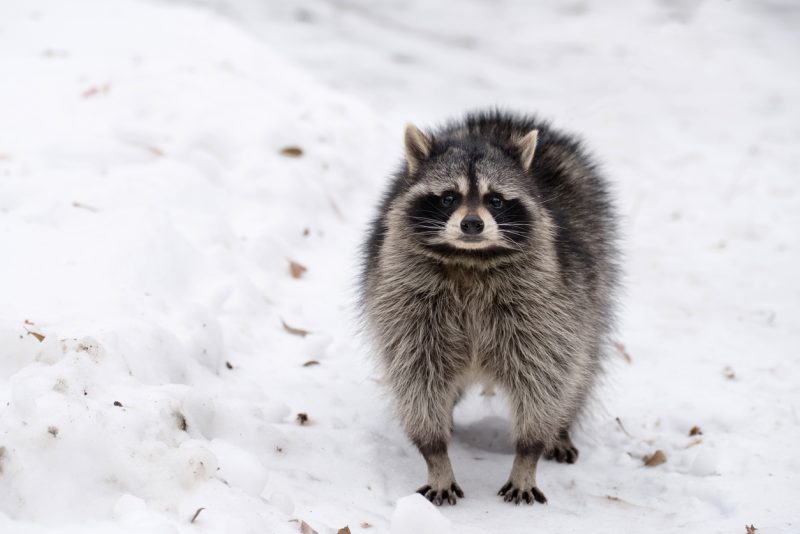
Winter in New Jersey changes everything about daily survival. Cold winds press across neighborhoods and forests, snow buries natural food sources, lakes freeze, and nights stretch long and silent. Many animals slow down or disappear, but raccoons remain. You may not see them as often, but they are still moving, still adapting, and still searching for food through the coldest months of the year.
Raccoons are survivors by design. They do not rely on one kind of food. They do not panic when seasons change. Instead, they shift diet, depend on instinct, take advantage of opportunity, and use intelligence to find nourishment when winter removes convenience. What they are eating right now in New Jersey winter is not random—it is deeply connected to ecology, urban environments, natural availability, and practical survival strategy.
This detailed guide explores what raccoons eat in New Jersey’s winter months, how their diet shifts from warmer seasons, how they manage to find food when nature grows stingy, how human environments influence their winter meals, and why their feeding habits matter to local ecosystems.
Table of Contents
- 1 How New Jersey Winter Shapes Raccoon Feeding Behavior
- 2 Raccoons Are Still Eating — They Just Eat Differently
- 3 Small Animals and Winter Wildlife Prey
- 4 Carrion — One of the Most Important Winter Foods
- 5 Raccoons and Human Food Sources During Winter
- 6 Natural Plant-Based Winter Foods
- 7 Aquatic Food — When Water Is Accessible
- 8 Raccoons and Insects in Winter
- 9 How Raccoons Find Food in Winter Landscapes
- 10 Where New Jersey Raccoons Are Eating Right Now
- 11 Energy Conservation and Feeding Rhythm
- 12 Nutritional Value of Winter Foods
- 13 Challenges Raccoons Face During New Jersey Winters
- 14 Ecological Importance of Their Winter Diet
- 15 FAQs about What Raccoons Are Eating Right Now in New Jersey Winter
- 15.1 Do raccoons hibernate in New Jersey?
- 15.2 What are raccoons mainly eating this winter?
- 15.3 Do raccoons depend on trash in winter?
- 15.4 Do raccoons hunt actively in winter?
- 15.5 Do coastal raccoons eat differently in winter?
- 15.6 Do raccoons still climb trees in winter for food?
- 15.7 Are raccoons dangerous in winter?
- 15.8 Does winter diet affect spring health?
- 16 Final Thoughts
How New Jersey Winter Shapes Raccoon Feeding Behavior
Cold Demands More Energy
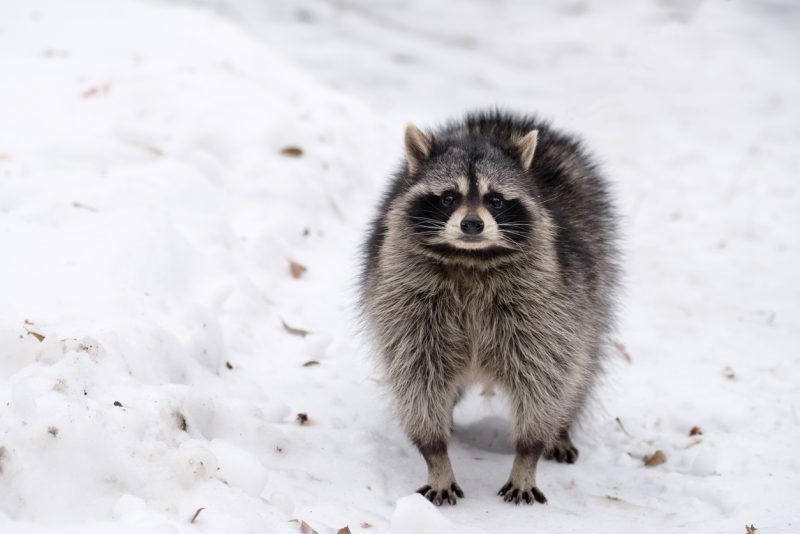
Winter metabolism is very different for raccoons than in summer. Colder temperatures require more internal energy to stay warm, especially during freezing nights. While raccoons do not fully hibernate, they spend more time sheltered, conserving energy, and feeding strategically when conditions are favorable.
Food is no longer about comfort. It is about keeping the body functioning efficiently, maintaining warmth, and storing as much energy as possible.
Reduced Food Availability Changes Everything
In spring and summer, raccoons enjoy worms, insects, fruits, frogs, fish, and easy-access natural foods. Winter removes large parts of that menu. Insects vanish. Many plants are gone. Water sources freeze. Ground becomes harder to forage through.
So raccoons turn toward what remains accessible—stored foods, animal prey that is still active, human food sources, and anything offering reliable calorie value.
Raccoons Are Still Eating — They Just Eat Differently
Raccoons do not sleep all winter like deep-hibernating mammals. Instead, they enter periods of dormancy during extreme cold but wake frequently to feed whenever weather allows. That means right now, in New Jersey winter, raccoons are still searching”¦ and finding.
Small Animals and Winter Wildlife Prey
Rodents Become an Important Food Source
Small mammals remain active in New Jersey winters, and raccoons take advantage of that. They hunt opportunistically rather than aggressively, but when the chance appears, they feed.
Raccoons may eat:
• mice
• voles
• rats
• chipmunks (when active)
• young squirrels
• injured or weak small mammals
Protein and fat from mammals help raccoons sustain warmth during winter cold spells, making these prey essential survival contributors.
Birds and Bird Eggs — When Available
While most birds are harder to catch in winter, raccoons still find opportunity around:
• roosting birds in low shrubs
• ground-feeding birds
• poultry areas in rural regions
• nest remnants containing leftover eggs in mild winters
Winter nights allow raccoons to move silently and investigate sheltered areas where birds rest. These meals are not everyday occurrences, but they happen frequently enough to matter.
Carrion — One of the Most Important Winter Foods
Scavenging Is a Smart Winter Strategy
Winter forces raccoons to be realists. Instead of wasting energy chasing prey, they often rely on carrion. New Jersey winters unfortunately produce plenty of it, especially roadkill and naturally expired wildlife.
Raccoons may feed on:
• deer carcasses
• roadkill animals
• fish remains near shorelines
• wildlife scraps left behind by predators
Carrion provides high-calorie nutrition without the energy cost of hunting, which is a priceless advantage in freezing weather.
Raccoons and Human Food Sources During Winter
Urban and Suburban Feeding Is Extremely Common
New Jersey raccoons thrive near people, especially in winter when nature provides less. Human environments unintentionally create winter buffets.
Raccoons rely on:
• trash cans
• restaurant dumpsters
• backyard garbage bags
• compost piles
• spilled food sources
Their intelligence allows them to recognize trash pickup schedules, learn how to open lids, and remember locations with regular food availability. Right now, many winter raccoons are eating urban and suburban leftovers simply because it is dependable.
Pet Food and Outdoor Feeding Areas
Winter makes convenience valuable, and raccoons take full advantage when people leave food outside.
They often eat:
• cat food
• dog food
• poultry feed
• bird seed fallen from feeders
Bird feeders, especially, attract raccoons at night. Not only do they eat the seeds themselves, but they also prey on small animals attracted to the feeder zone.
Natural Plant-Based Winter Foods
Berries and Fruits That Last Through Cold
Even though New Jersey winter removes most plant life, some fruits and berries remain on shrubs and trees into January, February, and beyond. These foods become essential for raccoon survival, especially in wooded and suburban park areas.
Raccoons commonly eat:
• holly berries
• sumac berries
• crabapples
• wild grapes still hanging on vines
• ornamental landscaping fruit
These foods provide sugar-based energy bursts and hydration support when water freezes.
Nuts and Seeds Still Matter
Even leftover nuts remain valuable through winter.
Raccoons eat:
• acorns
• hickory nuts
• leftover walnuts
• stored nuts dropped by squirrels
They use strong paws and dexterous claws to access what other animals may leave behind.
Aquatic Food — When Water Is Accessible
Frozen Lakes Limit Feeding, But Not Entirely
Many New Jersey raccoons live near lakes, streams, ponds, and marshlands. Ice limits access, but raccoons still find opportunities during warmer spells or partially thawed areas.
They may eat:
• dead fish near ice edges
• aquatic insects during thaws
• small amphibians if available
Coastal and tidal regions of New Jersey also offer scavenging along shorelines, especially after storms.
Raccoons and Insects in Winter
Insects Are Scarce, but Not Impossible
Most insects disappear, but raccoons sometimes uncover:
• overwintering grubs
• larvae in rotting logs
• beetles sheltering in bark
These are nutritional supplements more than core winter meals.
How Raccoons Find Food in Winter Landscapes
Incredible Sense of Touch and Smell
Their front paws act like hands. Even under snow, raccoons can feel, manipulate, and uncover hidden food. Their sense of smell helps detect prey, hidden fruit, or edible scraps beneath ice or leaf piles.
Memory and Problem-Solving
Raccoons remember:
• where food existed before
• which locations provide leftovers
• which neighborhoods offer easy access
They adapt routes based on experience, not chance.
Where New Jersey Raccoons Are Eating Right Now
Forests and Woodlands
Provide:
• rodents
• berries
• carrion
• natural shelter
Suburban Neighborhoods
Supply:
• trash
• pet food
• bird seed
• compost
Farmland and Rural Landscapes
Offer:
• grain access
• livestock feeding runoff
• carrion
• barn rodents
Coastal and Marsh Regions
Provide:
• shoreline carrion
• fish remains
• marine scraps
Raccoons survive winter by remaining flexible, moving across multiple environments effortlessly.
Energy Conservation and Feeding Rhythm
Not Constantly Active
Raccoons reduce unnecessary movement in severe cold. They stay sheltered during the harshest weather and feed during milder winter nights. When multi-day storms strike, they may remain inside dens for several days, then feed heavily afterward.
Feeding Strategically
Instead of endless wandering, raccoons return to reliable feeding areas repeatedly to conserve strength.
Nutritional Value of Winter Foods
Protein
Supports muscles, mobility, and resilience.
Fat
Maintains warmth and helps endure long freezing nights.
Carbohydrates and Sugars
Provide quick-use energy for immediate survival needs.
Winter food may look limited, but raccoons assemble a surprisingly balanced diet from what remains available.
Challenges Raccoons Face During New Jersey Winters
Extreme Cold Spells
Create urgent energy demands.
Food Competition
Coyotes, foxes, stray cats, birds of prey, and other scavengers share resources.
Human Threats
Cars, rodent poison, and traps can present risks.
Even with these obstacles, raccoons remain some of the toughest winter survivors in New Jersey wildlife.
Ecological Importance of Their Winter Diet
Scavenging Helps Clean Environments
They remove decaying animals and organic waste.
Rodent Control
By feeding on rodents, raccoons help regulate populations.
Seed Distribution
When raccoons eat fruit, they help spread seeds across landscapes, contributing to plant renewal.
Their winter feeding behavior quietly supports ecosystem balance.
FAQs about What Raccoons Are Eating Right Now in New Jersey Winter
Do raccoons hibernate in New Jersey?
No. They enter periods of dormancy in severe cold but still wake to feed.
What are raccoons mainly eating this winter?
Small mammals, carrion, garbage, pet food, berries, nuts, and anything calorie-dense they can find.
Do raccoons depend on trash in winter?
Often yes, especially in suburban areas where natural sources thin out.
Do raccoons hunt actively in winter?
They do, but they prefer scavenging when possible to conserve energy.
Do coastal raccoons eat differently in winter?
They may eat marine remains, fish scraps, and shoreline carrion.
Do raccoons still climb trees in winter for food?
Yes, they may climb to reach fruit, birds, or shelter.
Are raccoons dangerous in winter?
They avoid humans but can defend themselves if cornered. It is best to keep distance.
Does winter diet affect spring health?
Absolutely. Good winter nutrition improves survival and spring breeding success.
Final Thoughts
Winter in New Jersey reshapes life, but raccoons remain one of the season’s quiet success stories. They survive not through brute strength but through intelligence, adaptability, and a remarkably flexible winter diet. Right now, raccoons across forests, suburbs, farms, and coastlines are eating rodents, carrion, berries, human food waste, shoreline resources, nuts, and anything else capable of sustaining warmth and energy.
They do more than simply endure winter. They navigate it with instinctive strategy and resilience. As New Jersey slowly shifts toward spring and the world thaws again, raccoons emerge steady and ready for the next season—proof that survival often comes from adaptability, not excess strength.