
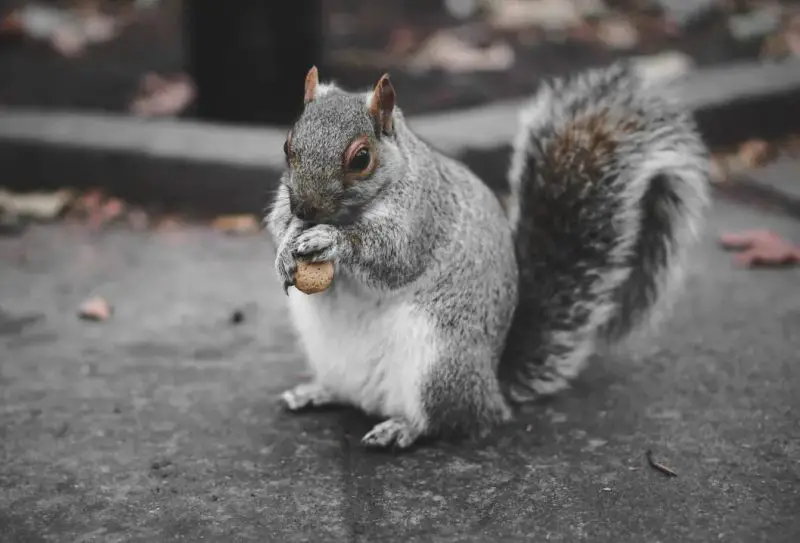
Squirrels are such a constant presence in Virginia that many residents stop noticing them altogether. They dart across lawns, climb trees with ease, and pause on fences as if they belong there. For most people, they are simply part of the background. Familiar. Predictable. Easy to overlook.
But that sense of familiarity hides something far more complex.
Squirrels are not just moving through yards without intention. Every movement, every pause, every return to the same tree or patch of ground reflects memory, planning, and environmental awareness. What looks like simple activity is actually a structured pattern shaped by survival, adaptation, and intelligence.
In Virginia, where forests, suburban neighborhoods, and urban green spaces blend together, squirrels have become highly skilled at living alongside people. They are not visitors. They are residents in their own right, operating on routines that intersect with human life in ways most people never fully notice.
Table of Contents
- 1 The Species Most Common in Virginia Yards
- 2 Intelligence That Shapes Their Daily Lives
- 3 Why Your Yard Becomes Part of Their Territory
- 4 The Hidden System of Food Storage
- 5 Daily Movement Patterns You Might Not Notice
- 6 Nesting Behavior in Residential Areas
- 7 Communication and Awareness
- 8 Seasonal Shifts in Behavior
- 9 The Balance Between Adaptation and Conflict
- 10 The Role Squirrels Play in Local Ecosystems
- 11 Observing Squirrels More Closely
- 12 Living Alongside Squirrels in Virginia
- 13 FAQs About Squirrels in Virginia Yards
- 13.1 Why do squirrels keep returning to my yard?
- 13.2 Do squirrels remember where they bury food?
- 13.3 Are squirrels dangerous to humans?
- 13.4 Why do squirrels dig in my yard?
- 13.5 Do squirrels use the same nest all year?
- 13.6 How can I keep squirrels away from bird feeders?
- 13.7 Do squirrels hibernate in Virginia?
- 13.8 What attracts squirrels the most?
- 14 Final Thoughts
The Species Most Common in Virginia Yards
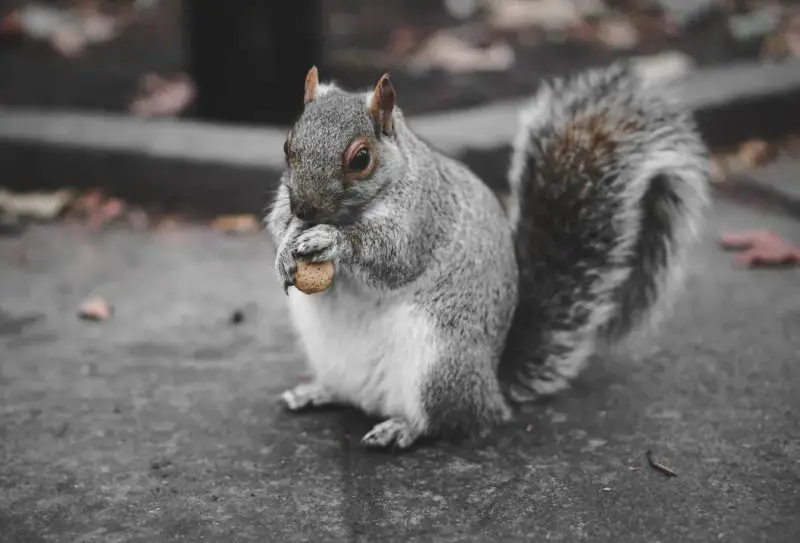
The most frequently seen squirrel in Virginia is the eastern gray squirrel. Its gray fur, bushy tail, and agile movements make it instantly recognizable. In some areas, fox squirrels also appear, larger and often displaying a mix of reddish and gray tones.
These species are well adapted to Virginia’s environment. They thrive in hardwood forests, suburban yards, parks, and even densely populated urban areas. Their ability to move between trees and structures allows them to navigate a wide range of landscapes.
What sets them apart is not just their adaptability, but their ability to use human-altered environments to their advantage. A yard with a few mature trees, access to food, and minimal disturbance can become part of a squirrel’s daily territory.
Intelligence That Shapes Their Daily Lives
Squirrels are often underestimated, but their behavior reveals a level of intelligence that becomes clear with observation. They remember the locations of food caches, recognize patterns in human activity, and adjust their movements based on past experiences.
In Virginia neighborhoods, this intelligence plays out in subtle ways. A squirrel may avoid a yard where a dog is frequently present while regularly visiting another where food is accessible and disturbances are minimal. These decisions are not accidental. They are learned and reinforced over time.
Their ability to solve problems is equally impressive. Squirrels can navigate obstacles, open containers, and find creative ways to access food. This adaptability allows them to thrive in environments that change constantly.
Over time, their behavior becomes more refined. They learn which times of day are safest, which areas provide the most resources, and how to move efficiently between them.
Why Your Yard Becomes Part of Their Territory
To a squirrel, a yard is not just a patch of land. It is a resource zone. Food, shelter, and safety determine whether that space becomes part of its routine.
Virginia yards often provide all three. Trees offer nesting sites and escape routes. Lawns and gardens attract insects and produce seeds. Bird feeders add another layer of opportunity, often becoming consistent food sources.
Water, though less obvious, also plays a role. Birdbaths, puddles, and irrigation systems provide hydration, especially during warmer months. Once a squirrel identifies a reliable source, it incorporates that location into its daily movements.
Territory for a squirrel is not defined by strict boundaries. Instead, it is a network of familiar locations connected by habitual routes. If your yard consistently provides value, it becomes part of that network.
The Hidden System of Food Storage
One of the most fascinating aspects of squirrel behavior is their approach to food storage. In Virginia, where seasonal changes affect food availability, this behavior is essential.
Squirrels collect nuts, seeds, and other food items and bury them in various locations. This process, known as caching, allows them to build a reserve for times when resources are less abundant.
What makes this behavior remarkable is their memory. Squirrels remember many of their cache locations and return to them later. They use spatial cues, environmental markers, and even scent to locate buried food.
However, not every cache is recovered. Forgotten seeds can germinate, contributing to the growth of trees and plants. In this way, squirrels play a role in shaping the landscape around them.
In a Virginia yard, this means that squirrels are not just consuming resources. They are actively influencing what grows there over time.
Daily Movement Patterns You Might Not Notice
Squirrels follow routines that are more structured than they appear. Early morning is typically the most active period. As the day begins, they leave their nests and start foraging.
Midday often brings a slowdown, especially during warmer months. Squirrels retreat to shaded areas, conserving energy and avoiding heat. During this time, they may remain relatively still, observing their surroundings.
Activity increases again in the late afternoon. This is when they revisit food sources, check caches, and prepare for the night. Their movements during this period often follow consistent routes that repeat day after day.
These patterns create a sense of unpredictability, but they are actually highly organized. With enough observation, it becomes clear that squirrels are operating on a schedule shaped by both environment and experience.
Nesting Behavior in Residential Areas
Squirrels build nests, known as dreys, using leaves, twigs, and other materials. These nests are typically located in trees, positioned to provide both shelter and visibility.
In Virginia neighborhoods, squirrels may also use structures such as attics, sheds, or roof spaces. These locations offer protection from predators and harsh weather conditions.
Nesting behavior changes with the seasons. In colder months, nests are reinforced with additional materials for insulation. During breeding periods, nests become more active as young are raised.
A single squirrel may use multiple nests within its territory. This provides flexibility and allows it to move between locations based on safety and environmental conditions.
Communication and Awareness
Squirrels are more vocal than many people realize. Their calls serve as warnings, signals, and expressions of social interaction. A sharp bark or chatter often indicates the presence of a threat.
Tail movements also play a role in communication. Flicking or waving the tail can signal alertness or agitation. These visual cues are especially important in environments where sound may not travel clearly.
In Virginia yards, this communication creates a network of awareness. When one squirrel detects danger, others respond. This shared vigilance helps increase survival.
For observers, these signals provide insight into what is happening beyond immediate view. A sudden burst of activity or vocalization often means something has changed in the environment.
Seasonal Shifts in Behavior
Virginia’s seasons influence squirrel behavior in noticeable ways. In spring, activity increases as squirrels search for food and prepare for breeding. New growth provides additional resources, and interactions between individuals become more frequent.
Summer brings longer days and abundant food. Squirrels take advantage of these conditions, building reserves and maintaining their territories. Heat may alter activity patterns, with more movement in the early morning and evening.
Autumn is a critical period. This is when squirrels focus heavily on gathering and storing food. Their activity becomes more intense as they prepare for winter.
Winter behavior depends on conditions. Squirrels do not hibernate, but they reduce activity during colder periods. They rely on stored food and sheltered nests to survive.
The Balance Between Adaptation and Conflict
Living close to humans creates both opportunities and challenges for squirrels. While they benefit from food sources and shelter, conflicts can arise.
Bird feeders are a common point of interaction. Squirrels may dominate feeders, consuming large amounts of food intended for birds. Gardens can also be affected, as squirrels dig in soil or eat plants.
However, these behaviors are not acts of disruption. They are natural responses to available resources. Understanding this helps shift perspective from frustration to awareness.
Simple adjustments, such as using squirrel-resistant feeders or protecting specific plants, can reduce conflicts while allowing coexistence.
The Role Squirrels Play in Local Ecosystems
Squirrels are more than just backyard animals. They are active participants in Virginia’s ecosystems. Their feeding habits influence plant growth, while their presence affects other wildlife.
By burying seeds, they contribute to forest regeneration. Their digging aerates soil, which can benefit plant health. At the same time, they serve as prey for predators, forming part of the food chain.
Their interactions with other species create a dynamic balance. Birds, insects, and mammals all respond to the presence of squirrels in different ways.
In a yard setting, these interactions become more visible. What appears to be simple activity is actually part of a complex ecological system.
Observing Squirrels More Closely
To understand squirrels, observation must go beyond casual glances. It requires attention to patterns, behavior, and changes over time.
Notice where squirrels enter and leave your yard. Watch how they move between trees and structures. Pay attention to the times of day they are most active.
Look for repeated behaviors. A squirrel returning to the same spot may be checking a cache. A pause on a fence may be a moment of observation rather than rest.
Over time, these details form a clearer picture. Squirrels are not moving without direction. They are following routines shaped by knowledge and experience.
Living Alongside Squirrels in Virginia
Coexisting with squirrels does not require eliminating their presence. It involves understanding their behavior and making adjustments where needed.
Maintaining a balanced yard, securing food sources, and respecting nesting areas can create an environment where both humans and squirrels can thrive.
For those interested in wildlife, squirrels offer an accessible way to observe intelligence and adaptation. Their presence adds movement, interaction, and complexity to everyday spaces.
Rather than seeing them as background activity, it becomes possible to recognize them as active participants in the environment.
FAQs About Squirrels in Virginia Yards
Why do squirrels keep returning to my yard?
Squirrels return to locations that provide consistent resources such as food, shelter, and water. Once a yard becomes part of their routine, they revisit it regularly.
Do squirrels remember where they bury food?
Yes, squirrels remember many of their cache locations using spatial memory and environmental cues. This ability helps them retrieve stored food later.
Are squirrels dangerous to humans?
Squirrels are generally not dangerous. They may become defensive if threatened, but direct interactions with humans are rare.
Why do squirrels dig in my yard?
Digging is often related to food storage or retrieval. Squirrels bury and uncover food as part of their survival strategy.
Do squirrels use the same nest all year?
Squirrels may use multiple nests within their territory. They switch between them based on conditions and safety.
How can I keep squirrels away from bird feeders?
Using squirrel-resistant feeders, placing feeders away from structures, and managing food access can reduce squirrel activity.
Do squirrels hibernate in Virginia?
Squirrels do not hibernate. They remain active throughout winter but reduce activity during colder periods.
What attracts squirrels the most?
Food availability is the primary attractant. Nuts, seeds, and accessible feeding areas are especially appealing.
Final Thoughts
Squirrels in Virginia yards are far more complex than they first appear. Their movements, decisions, and routines reflect intelligence and adaptation shaped by both natural and human environments.
What seems like simple activity is actually part of a structured system. They remember, plan, and respond to changes with remarkable precision.
By taking the time to observe and understand their behavior, it becomes clear that squirrels are not just part of the scenery. They are active, aware, and deeply connected to the spaces they inhabit.